Martha K. Huggins - Böcker
Visar alla böcker från författaren Martha K. Huggins. Handla med fri frakt och snabb leverans.
6 produkter
6 produkter
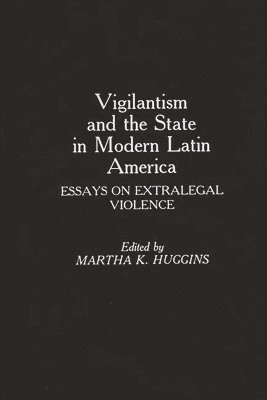
Vigilantism and the State in Modern Latin America
Essays on Extralegal Violence
Inbunden, Engelska, 1991
1 009 kr
Skickas inom 10-15 vardagar
According to the Latin American political analysts and scholars who contributed to this volume, free elections during the 1980s largely served to disguise rather than diminish institutional repressiveness and the reality of economic, political, and social disintegration that is occurring in many Latin American countries. This book is the first work of research to deal with the violence--on the part of both states and citizens--that is the most visible expression of that breakdown.Describing the nature and causes of Latin American vigilantism, the authors explore its impact within the larger sociopolitical system and the relationship between vigilantism and political transition. Part I is devoted to citizen violence, including mob lynchings; the work of the justiceiros (self-appointed or privately employed enforcers); and citizen uprisings against the police. Part II is a discussion of death squads in Peru, Guatemala, and Colombia and their use by the state to achieve specific social or political objectives. Part III explores the debate over violence, legislative solutions, and national security. The final section examines on-duty extra-legal police violence in several countries and the contribution of U.S. police training to state-supported terror. The authors' analyses indicate that vigilantism results from and at the same time fosters authoritarian state structures whose economic dependence on foreign powers deepens the cycle of poverty, repression, and violence. An important source of data and analysis on a largely neglected topic, this work will be of interest to a general audience concerned with human rights, to policymakers and their critics, and to scholars in the fields of criminology, comparative justice, and Latin American studies.
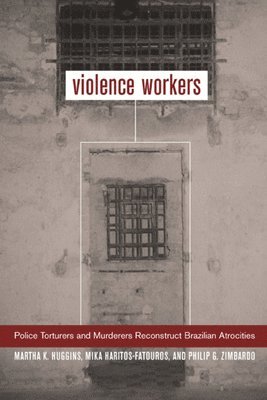
Violence Workers
Police Torturers and Murderers Reconstruct Brazilian Atrocities
Häftad, Engelska, 2002
575 kr
Skickas inom 3-6 vardagar
Of the twenty-three Brazilian policemen interviewed in depth for this landmark study, fourteen were direct perpetrators of torture and murder during the three decades that included the 1964-1985 military regime. These "violence workers" and the other group of "atrocity facilitators" who had not, or claimed they had not, participated directly in the violence, help answer questions that haunt today's world: Why and how are ordinary men transformed into state torturers and murderers? How do atrocity perpetrators explain and justify their violence? What is the impact of their murderous deeds--on them, on their victims, and on society? What memories of their atrocities do they admit and which become public history?
1 873 kr
Skickas inom 5-8 vardagar
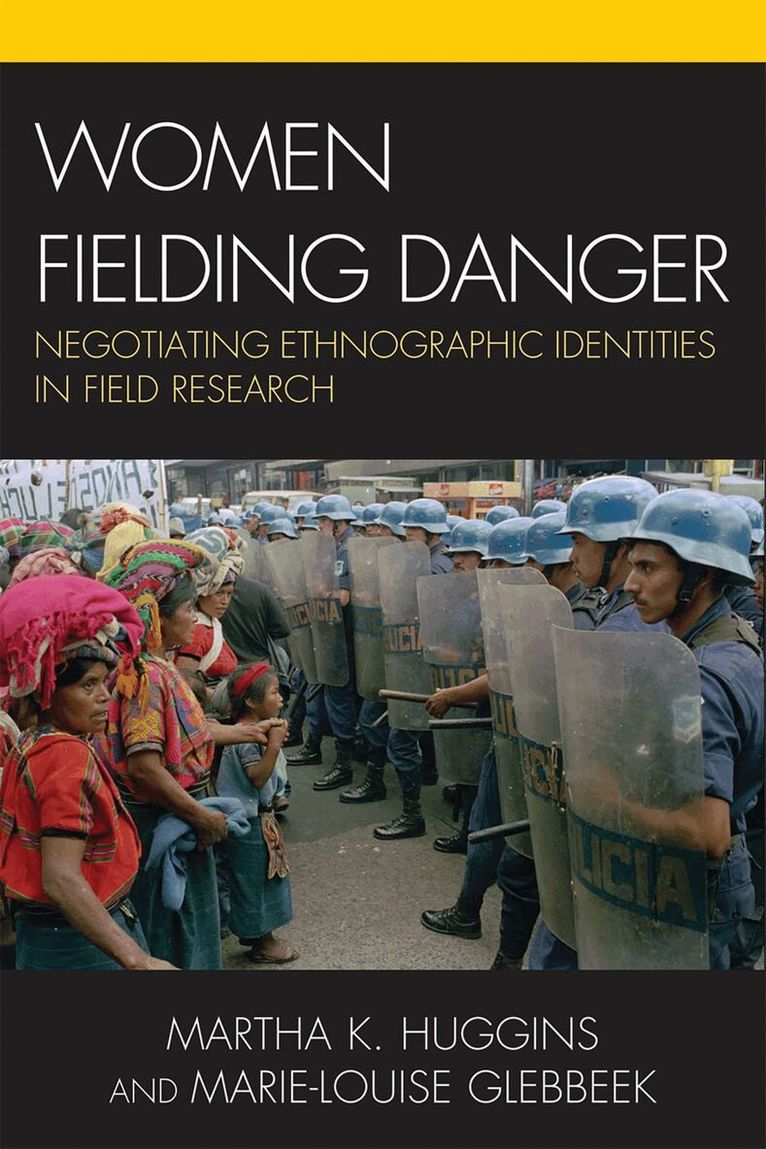
In a compelling exploration of an oft-hidden aspect of qualitative field research, Women Fielding Danger shows how identity performances can facilitate or block field research outcomes. The book asks questions that are crucial for all women engaged in field research. Do researchers enter their field site with a totally neutral identity? Can a researcher's own identity be at odds with how interviewees see her? Could a researcher be of the "wrong" gender, sexuality, nationality, or religion for those being studied? Must some of a researcher's identities be subsumed in certain research settings? How much identity disguise is possible before a researcher violates research ethics or loses herself? Together, these questions inform the book's themes of the centrality of gender, social and political danger, the negotiation of identities, and on-site ethics.Focusing on ethnographic research across a wide range of disciplines and world regions, this deeply informed book presents practical "to-dos" and technical research strategies. In addition, it offers unique illustrations of how the political, geographic, and organizational realities of field sites shape identity negotiations and research outcomes. Understanding these dynamics, the authors show, is key to surviving the ethnographic field.
867 kr
Skickas inom 5-8 vardagar
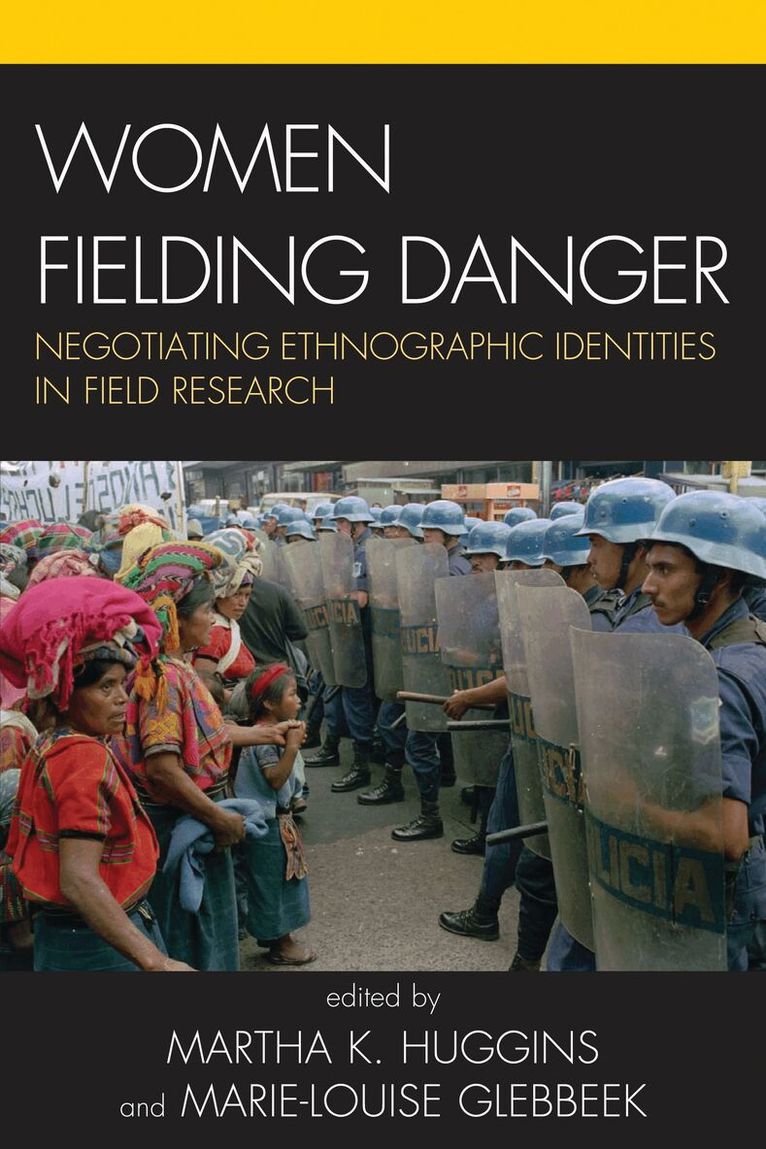
In a compelling exploration of an oft-hidden aspect of qualitative field research, Women Fielding Danger shows how identity performances can facilitate or block field research outcomes. The book asks questions that are crucial for all women engaged in field research. Do researchers enter their field site with a totally neutral identity? Can a researcher's own identity be at odds with how interviewees see her? Could a researcher be of the "wrong" gender, sexuality, nationality, or religion for those being studied? Must some of a researcher's identities be subsumed in certain research settings? How much identity disguise is possible before a researcher violates research ethics or loses herself? Together, these questions inform the book's themes of the centrality of gender, social and political danger, the negotiation of identities, and on-site ethics.Focusing on ethnographic research across a wide range of disciplines and world regions, this deeply informed book presents practical "to-dos" and technical research strategies. In addition, it offers unique illustrations of how the political, geographic, and organizational realities of field sites shape identity negotiations and research outcomes. Understanding these dynamics, the authors show, is key to surviving the ethnographic field.
1 164 kr
Skickas inom 7-10 vardagar
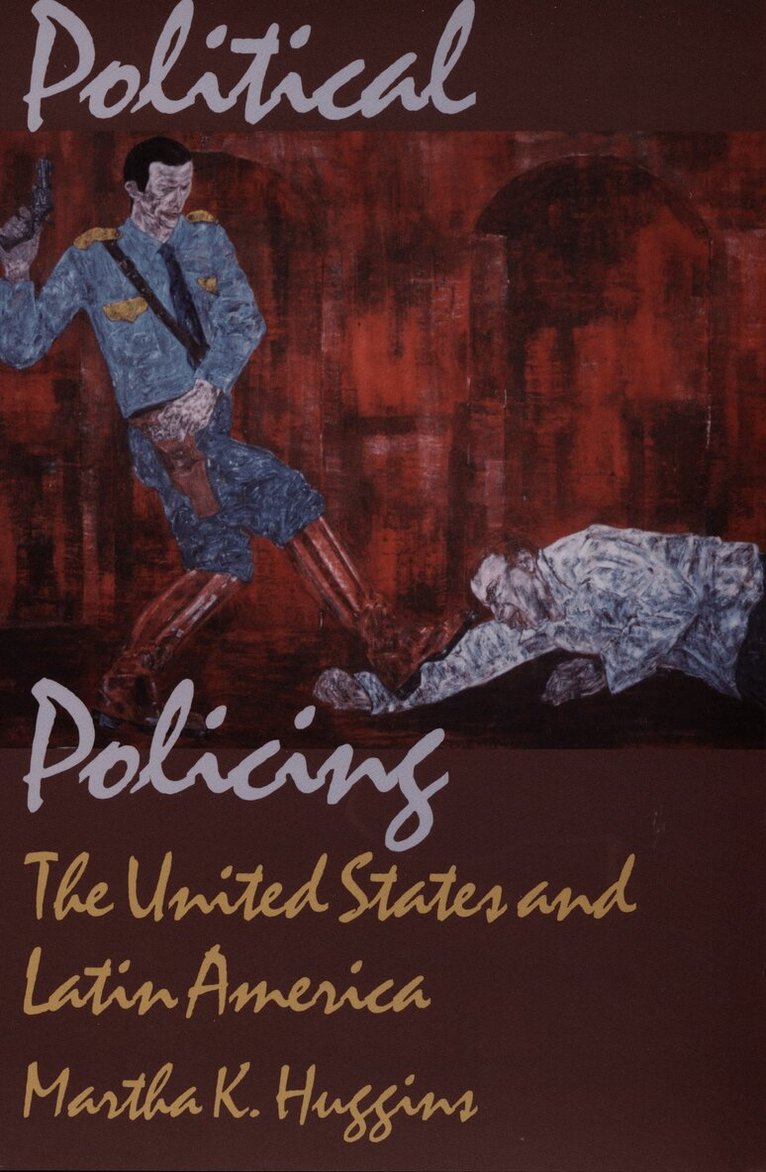
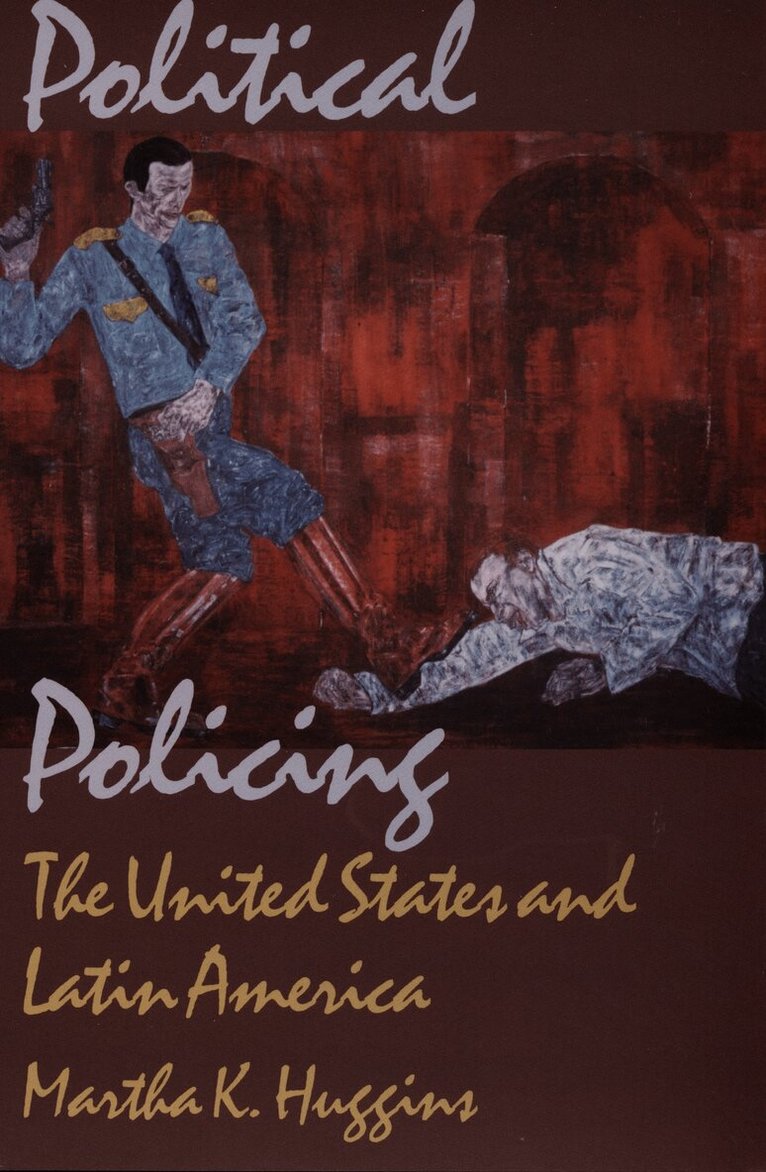
Reconstructing eighty years of history, Political Policing examines the nature and consequences of U.S. police training in Brazil and other Latin American countries. With data from a wide range of primary sources, including previously classified U.S. and Brazilian government documents, Martha K. Huggins uncovers how U.S. strategies to gain political control through police assistance-in the name of hemispheric and national security-has spawned torture, murder, and death squads in Latin America.After a historical review of policing in the United States and Europe over the past century, Huggins reveals how the United States, in order to protect and strengthen its position in the world system, has used police assistance to establish intelligence and other social control infrastructures in foreign countries. The U.S.-encouraged centralization of Latin American internal security systems, Huggins claims, has led to the militarization of the police and, in turn, to an increase in state-sanctioned violence. Furthermore, Political Policing shows how a domestic police force-when trained by another government-can lose its power over legitimate crime as it becomes a tool for the international interests of the nation that trains it.Pointing to U.S. responsibility for violations of human rights by foreign security forces, Political Policing will provoke discussion among those interested in international relations, criminal justice, human rights, and the sociology of policing.
270 kr
Skickas inom 7-10 vardagar
Reconstructing eighty years of history, Political Policing examines the nature and consequences of U.S. police training in Brazil and other Latin American countries. With data from a wide range of primary sources, including previously classified U.S. and Brazilian government documents, Martha K. Huggins uncovers how U.S. strategies to gain political control through police assistance-in the name of hemispheric and national security-has spawned torture, murder, and death squads in Latin America.After a historical review of policing in the United States and Europe over the past century, Huggins reveals how the United States, in order to protect and strengthen its position in the world system, has used police assistance to establish intelligence and other social control infrastructures in foreign countries. The U.S.-encouraged centralization of Latin American internal security systems, Huggins claims, has led to the militarization of the police and, in turn, to an increase in state-sanctioned violence. Furthermore, Political Policing shows how a domestic police force-when trained by another government-can lose its power over legitimate crime as it becomes a tool for the international interests of the nation that trains it.Pointing to U.S. responsibility for violations of human rights by foreign security forces, Political Policing will provoke discussion among those interested in international relations, criminal justice, human rights, and the sociology of policing.