Martha Stoddard Holmes – författare
Visar alla böcker från författaren Martha Stoddard Holmes. Handla med fri frakt och snabb leverans.
7 produkter
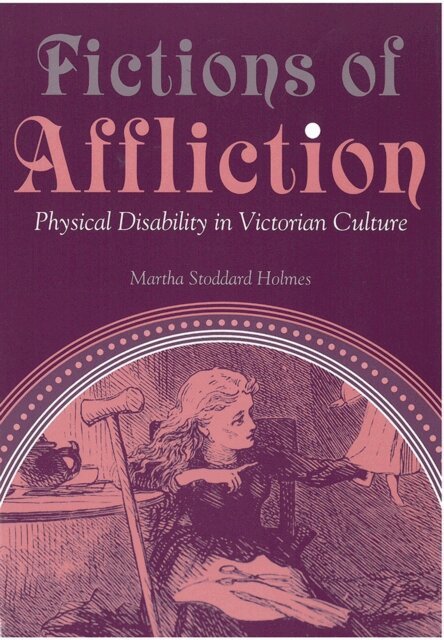
Fictions of Affliction
Physical Disability in Victorian Culture
E-bok, 2010
609 kr
Lägg i varukorg
Tiny Tim, Clym Yeobright, Long John Silver---what underlies nineteenth-century British literature''s fixation with disability? Melodramatic representations of disability pervaded not only novels by Dickens, but also doctors'' treatises on blindness, educators'' arguments for "special" education, …
Fictions of Affliction
Physical Disability in Victorian Culture
Häftad, 2009
389 kr
Lägg i varukorg
"Highly recommended . . . Holmes moves seamlessly from novelists like Charles Dickens to sociologists like Henry Mayhew to autobiographers like John Kitto."---Choice "An absolutely stunning book that will make a significant contribution to both Victorian literary studies and disability …
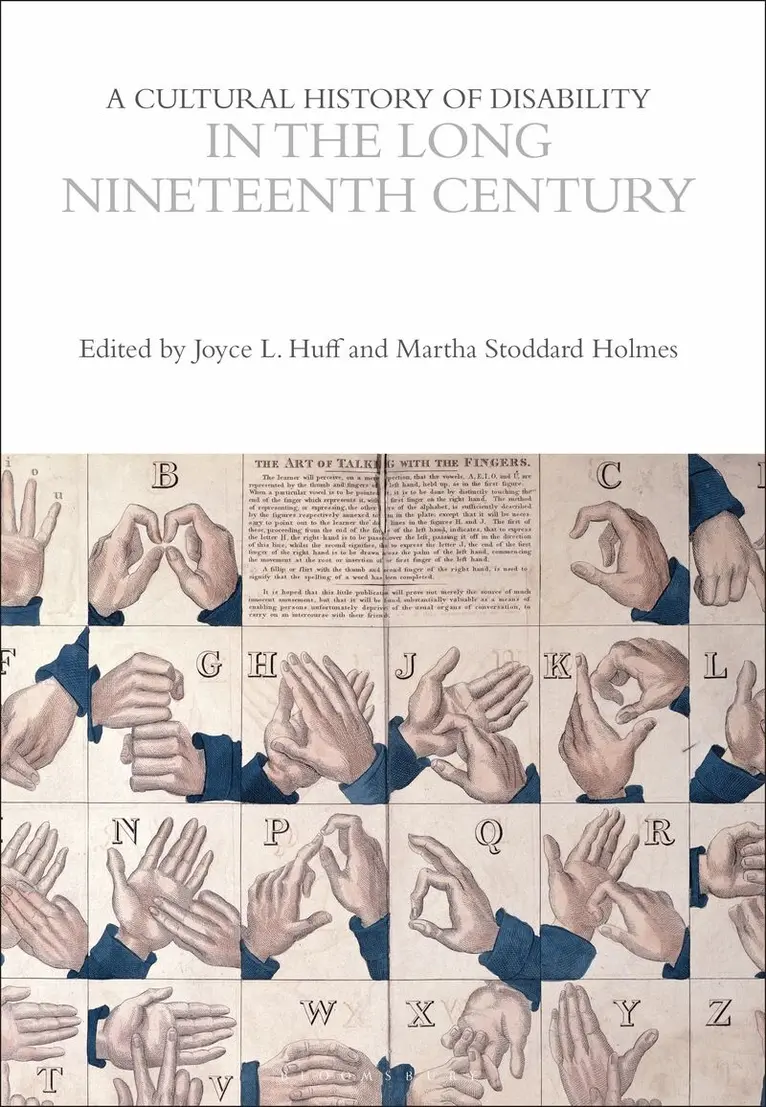
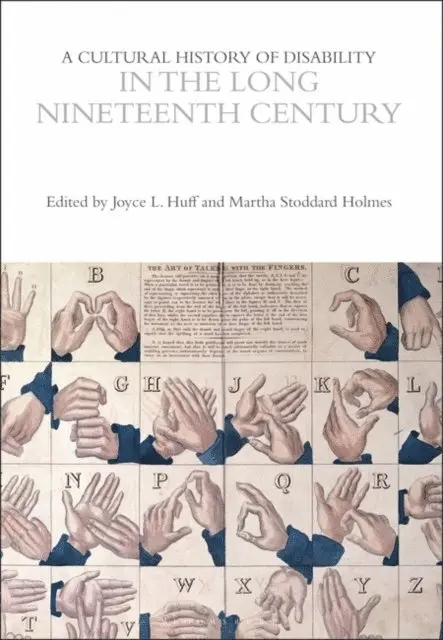
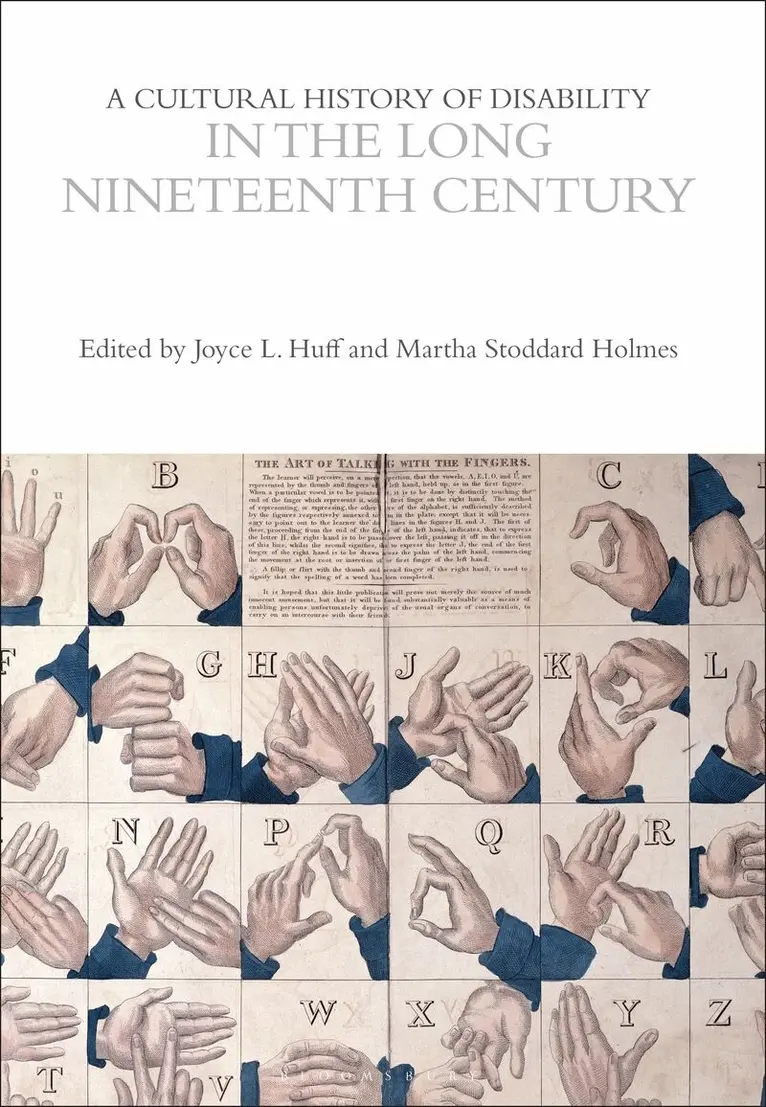
Cultural History of Disability in the Long Nineteenth Century
Av Joyce L. Huff, Martha Stoddard Holmes
Inbunden, 2023
1295 kr
Lägg i varukorg
The long 19th century—stretching from the start of the American Revolution in 1776 to the end of World War I in 1918—was a pivotal period in the history of disability for the Western world and the cultures under its imperial sway. Industrialization was a major factor in the changing landscape of …
Cultural History of Disability in the Long Nineteenth Century
Av Joyce L. Huff, Martha Stoddard Holmes
E-bok, 2023
484 kr
Lägg i varukorg
The long 19th century-stretching from the start of the American Revolution in 1776 to the end of World War I in 1918-was a pivotal period in the history of disability for the Western world and the cultures under its imperial sway. Industrialization was a major factor in the changing landscape of …
Cultural History of Disability in the Long Nineteenth Century
Av Joyce L. Huff, Martha Stoddard Holmes
E-bok, 2023
484 kr
Lägg i varukorg
The long 19th century-stretching from the start of the American Revolution in 1776 to the end of World War I in 1918-was a pivotal period in the history of disability for the Western world and the cultures under its imperial sway. Industrialization was a major factor in the changing landscape of …
Cultural History of Disability in the Long Nineteenth Century
Av Joyce L. Huff, Martha Stoddard Holmes
Häftad, 2024
442 kr
Lägg i varukorg
The long 19th century—stretching from the start of the American Revolution in 1776 to the end of World War I in 1918—was a pivotal period in the history of disability for the Western world and the cultures under its imperial sway. Industrialization was a major factor in the changing landscape of …
Teacher's Body
Embodiment, Authority, and Identity in the Academy
Av Diane P. Freedman, Martha Stoddard Holmes
Häftad, 2003
382 kr
Tillfälligt slut
A rich and honest conversation about professors' lives and the absurdity of trying to separate the personal from the professional.These highly personal essays from a range of academic settings explore the palpable moments of discomfort, disempowerment, and/or enlightenment that emerge when we …