Martijn Kitzen – författare
Visar alla böcker från författaren Martijn Kitzen. Handla med fri frakt och snabb leverans.
6 produkter
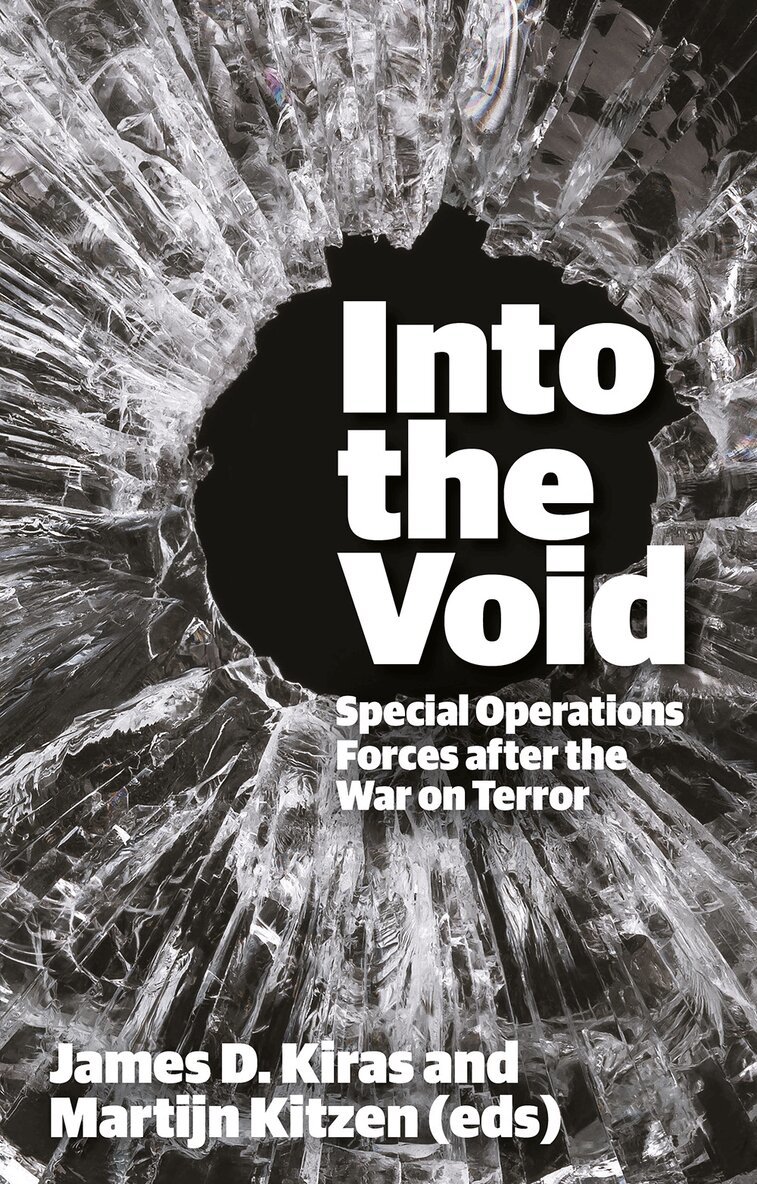
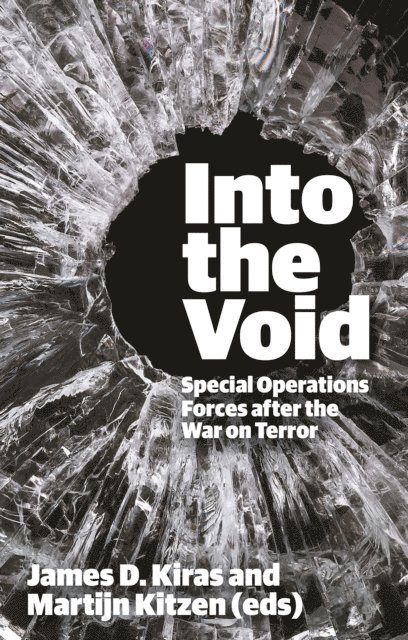
Into the Void
Special Operations Forces after the War on Terror
Av James D. Kiras, Martijn Kitzen
Inbunden, 2024
600 kr
Lägg i varukorg
The moment in the sun for special operations sometimes appears to have passed, seemingly eclipsed by preparations for potential conflict under the guise of ‘great power’ competition, combined with failure in Afghanistan. Yet the war in Ukraine serves as a reminder that special operations play an …
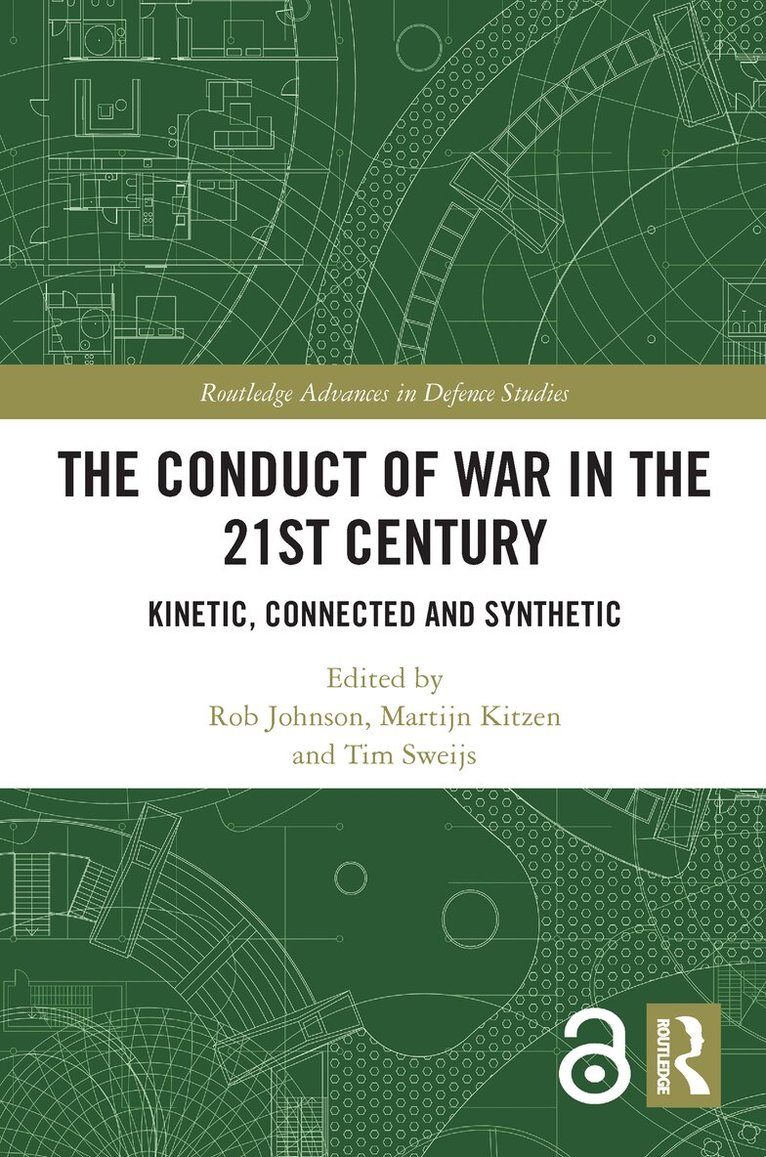
Conduct of War in the 21st Century
Kinetic, Connected and Synthetic
Av Rob Johnson, Martijn Kitzen m. fl.
Häftad, 2023
668 kr
Lägg i varukorg
This book examines the key dimensions of 21st century war, and shows that orthodox thinking about war, particularly what it is and how it is fought, needs to be updated.Accelerating societal, economic, political and technological change affects how we prepare, equip and organise for war, as well as …
Conduct of War in the 21st Century
Kinetic, Connected and Synthetic
Av Rob Johnson, Martijn Kitzen m. fl.
Inbunden, 2021
2590 kr
Lägg i varukorg
This book examines the key dimensions of 21st century war, and shows that orthodox thinking about war, particularly what it is and how it is fought, needs to be updated.Accelerating societal, economic, political and technological change affects how we prepare, equip and organise for war, as well as …
Conduct of War in the 21st Century
Kinetic, Connected and Synthetic
Av Tim Sweijs, Martijn Kitzen m. fl.
E-bok, 2021
693 kr
Lägg i varukorg
This book examines the key dimensions of 21st century war, and shows that orthodox thinking about war, particularly what it is and how it is fought, needs to be updated. Accelerating societal, economic, political and technological change affects how we prepare, equip and organise for war, as well …
Conduct of War in the 21st Century
Kinetic, Connected and Synthetic
Av Tim Sweijs, Martijn Kitzen m. fl.
E-bok, 2021
693 kr
Lägg i varukorg
This book examines the key dimensions of 21st century war, and shows that orthodox thinking about war, particularly what it is and how it is fought, needs to be updated. Accelerating societal, economic, political and technological change affects how we prepare, equip and organise for war, as well …
Into the Void
Special Operations Forces after the War on Terror
Av Martijn Kitzen, James D. Kiras
E-bok, 2024
611 kr
Lägg i varukorg
The moment in the sun for special operations sometimes appears to have passed, seemingly eclipsed by preparations for potential conflict under the guise of ‘great power’ competition, combined with failure in Afghanistan. Yet the war in Ukraine serves as a reminder that special operations play an …