Martin Ashley – författare
Visar alla böcker från författaren Martin Ashley. Handla med fri frakt och snabb leverans.
14 produkter
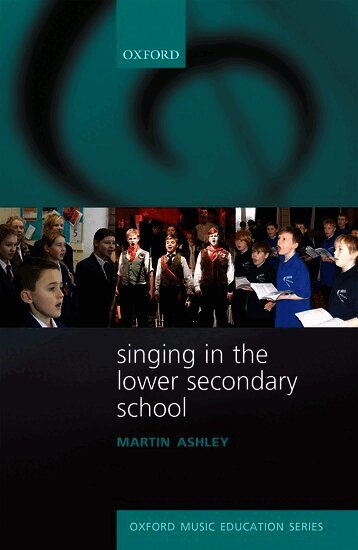
Singing in the Lower Secondary School
Häftad, 2015
416 kr
Lägg i varukorg
This is an essential text on an important area of the music curriculum consistently judged weak or inadequate by school inspectors in Britain. It covers social, physiological, musical, and pedagogical aspects of young adolescent singing, with focus on Key Stage 3 (ages 11-14) and the progression …
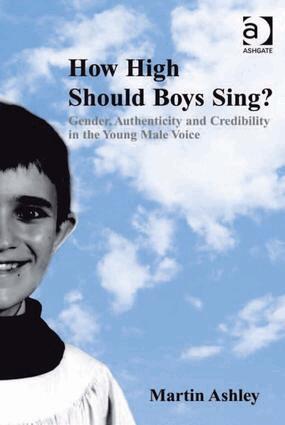
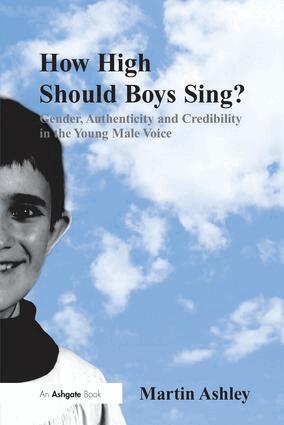
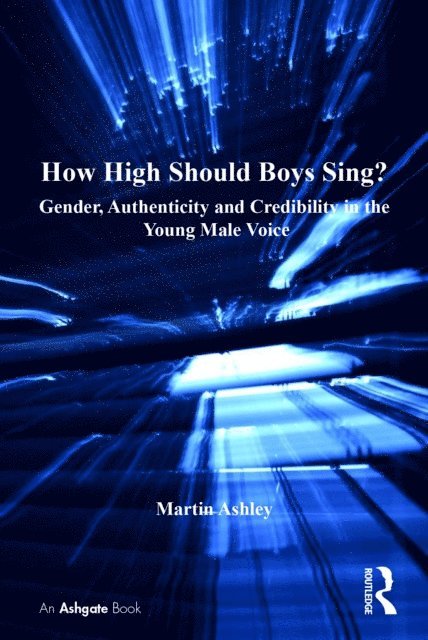
How High Should Boys Sing?
Gender, Authenticity and Credibility in the Young Male Voice
Inbunden, 2009
2588 kr
Lägg i varukorg
'A boy sings...a beautiful thing' (www.boychoirs.org), but is it? What kinds of boy, singing what kinds of music and to whom? Martin Ashley presents a unique consideration of boys' singing that shows the high voice to be historically, culturally and physiologically more problematic even than is …
Improving Teaching and Learning in the Humanities
E-bok, 2012
808 kr
Lägg i varukorg
Focuses on religious education, history, geography and cross-curricular planning in the primary school. It includes discussion of the purpose of education, and how the humanities fit with this purpose, with particular reference to the 1998 Education Act and 1994 National Curriculum Review. The book …
Improving Teaching and Learning in the Humanities
E-bok, 2012
782 kr
Lägg i varukorg
Focuses on religious education, history, geography and cross-curricular planning in the primary school. It includes discussion of the purpose of education, and how the humanities fit with this purpose, with particular reference to the 1998 Education Act and 1994 National Curriculum Review. The book …
How High Should Boys Sing?
Gender, Authenticity and Credibility in the Young Male Voice
Häftad, 2016
891 kr
Lägg i varukorg
'A boy sings...a beautiful thing' (www.boychoirs.org), but is it? What kinds of boy, singing what kinds of music and to whom? Martin Ashley presents a unique consideration of boys' singing that shows the high voice to be historically, culturally and physiologically more problematic even than is …
Improving Teaching and Learning in the Humanities
Inbunden, 2023
2439 kr
Lägg i varukorg
Focuses on religious education, history, geography and cross-curricular planning in the primary school. It includes discussion of the purpose of education, and how the humanities fit with this purpose, with particular reference to the 1998 Education Act and 1994 National Curriculum Review. The book …
Your Healthy Mouth Book 1
Your Healthy Mouth, #1
E-bok, 2013
21 kr
Lägg i varukorg
A healthy mouth.No more bleeding gums. No more toothache. No more bad breath. No more worrying about dental treatment. A mouth you can enjoy and rely upon, at every stage of your life. wouldn't that be great?As one of the UK's leading dentists, Martin Ashley has successfully guided thousands of …
Your Healthy Mouth Book 4
Your Healthy Mouth, #4
E-bok, 2013
31 kr
Lägg i varukorg
A healthy mouth.No more bleeding gums. No more toothache. No more bad breath. No more worrying about dental treatment. A mouth you can enjoy and rely upon, at every stage of your life. Wouldn't that be great? As one of the UK's leading dentists, Martin Ashley has successfully guided thousands of …
Your Healthy Mouth Book 5
Your Healthy Mouth, #5
E-bok, 2013
31 kr
Lägg i varukorg
A healthy mouth.No more bleeding gums. No more toothache. No more bad breath. No more worrying about dental treatment. A mouth you can enjoy and rely upon, at every stage of your life. Wouldn't that be great? As one of the UK's leading dentists, Martin Ashley has successfully guided thousands of …
Your Healthy Mouth Book 3
Your Healthy Mouth, #3
E-bok, 2013
31 kr
Lägg i varukorg
A healthy mouth.No more bleeding gums. No more toothache. No more bad breath. No more worrying about dental treatment. A mouth you can enjoy and rely upon, at every stage of your life. Wouldn't that be great? As one of the UK's leading dentists, Martin Ashley has successfully guided thousands of …
Your Healthy Mouth Book 2
Your Healthy Mouth, #2
E-bok, 2013
30 kr
Lägg i varukorg
A healthy mouth.No more bleeding gums. No more toothache. No more bad breath. No more worrying about dental treatment. A mouth you can enjoy and rely upon, at every stage of your life. Wouldn't that be great? As one of the UK's leading dentists, Martin Ashley has successfully guided thousands of …
How High Should Boys Sing?
Gender, Authenticity and Credibility in the Young Male Voice
E-bok, 2016
1052 kr
Lägg i varukorg
''A boy sings...a beautiful thing'' (www.boychoirs.org), but is it? What kinds of boy, singing what kinds of music and to whom? Martin Ashley presents a unique consideration of boys'' singing that shows the high voice to be historically, culturally and physiologically more problematic even than is …
How High Should Boys Sing?
Gender, Authenticity and Credibility in the Young Male Voice
E-bok, 2016
1052 kr
Lägg i varukorg
''A boy sings...a beautiful thing'' (www.boychoirs.org), but is it? What kinds of boy, singing what kinds of music and to whom? Martin Ashley presents a unique consideration of boys'' singing that shows the high voice to be historically, culturally and physiologically more problematic even than is …
Improving Teaching and Learning in the Humanities
Häftad, 1999
468 kr
Tillfälligt slut
Focuses on religious education, history, geography and cross-curricular planning in the primary school. It includes discussion of the purpose of education, and how the humanities fit with this purpose, with particular reference to the 1998 Education Act and 1994 National Curriculum Review. The book …