Martin Bruegel – författare
Visar alla böcker från författaren Martin Bruegel. Handla med fri frakt och snabb leverans.
12 produkter
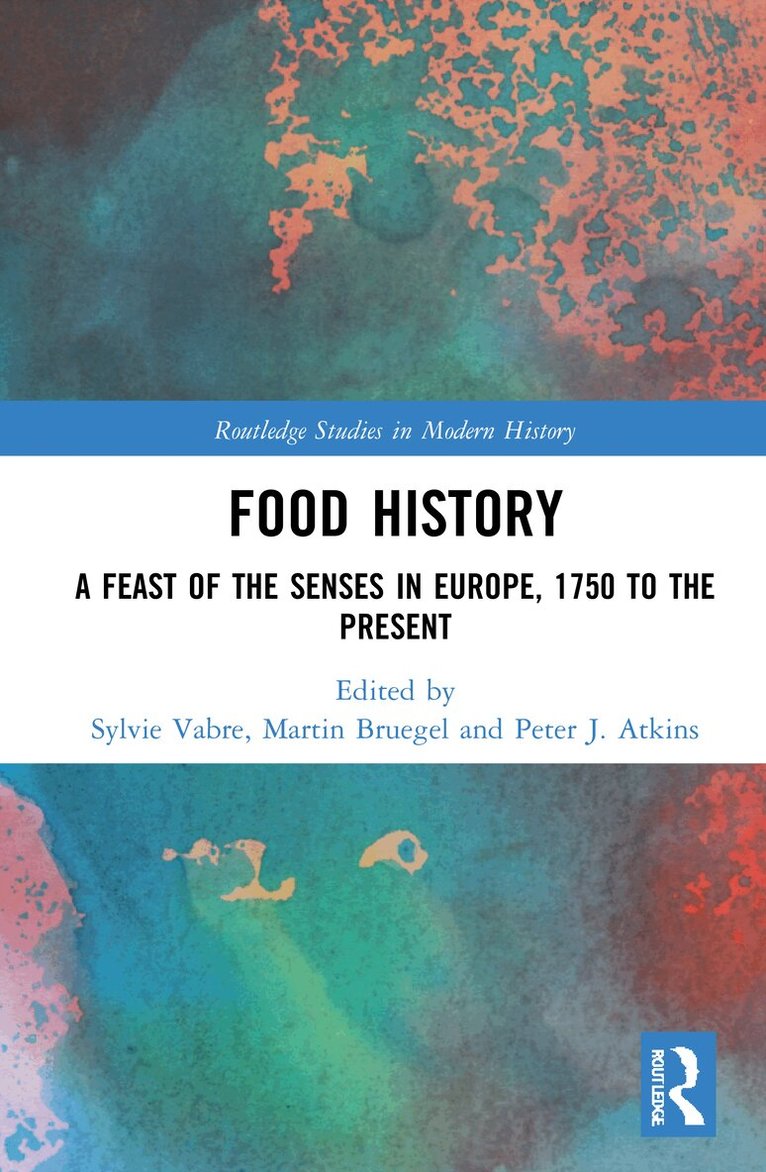
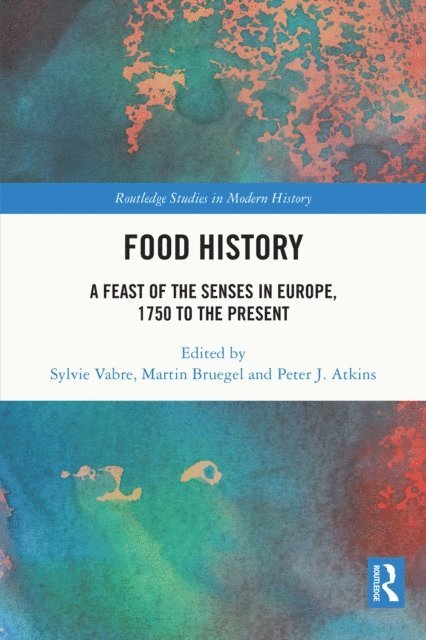
Food History
A Feast of the Senses in Europe, 1750 to the Present
Av Sylvie Vabre, Martin Bruegel m. fl.
Inbunden, 2021
2588 kr
Lägg i varukorg
This pioneering book elevates the senses to a central role in the study of food history because the traditional focus upon food types, quantities, and nutritional values is incomplete without some recognition of smell, touch, sight, hearing, and taste.Eating is a sensual experience. Every day and …
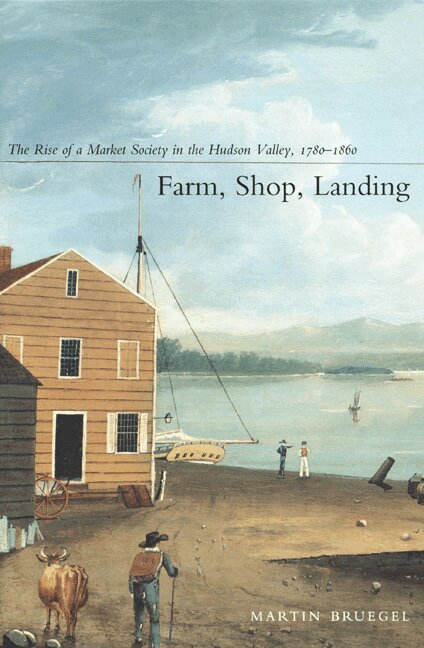
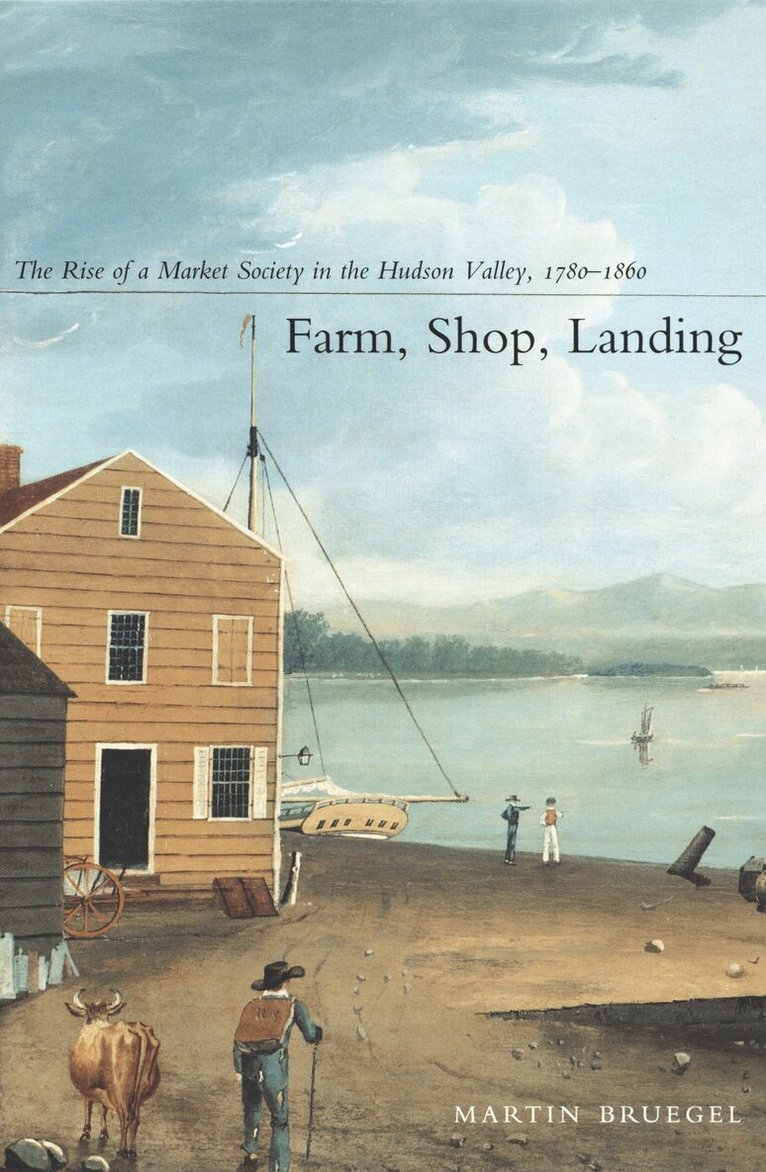
Farm, Shop, Landing
The Rise of a Market Society in the Hudson Valley, 1780–1860
Häftad, 2002
579 kr
Lägg i varukorg
At the turn of the nineteenth century, when the word “capital” first found its way into the vocabulary of mid-Hudson Valley residents, the term irrevocably marked the profound change that had transformed the region from an inward-looking, rural community into a participant in an emerging market …
Farm, Shop, Landing
The Rise of a Market Society in the Hudson Valley, 1780–1860
E-bok, 2002
574 kr
Lägg i varukorg
At the turn of the nineteenth century, when the word “capital” first found its way into the vocabulary of mid-Hudson Valley residents, the term irrevocably marked the profound change that had transformed the region from an inward-looking, rural community into a participant in an emerging market …
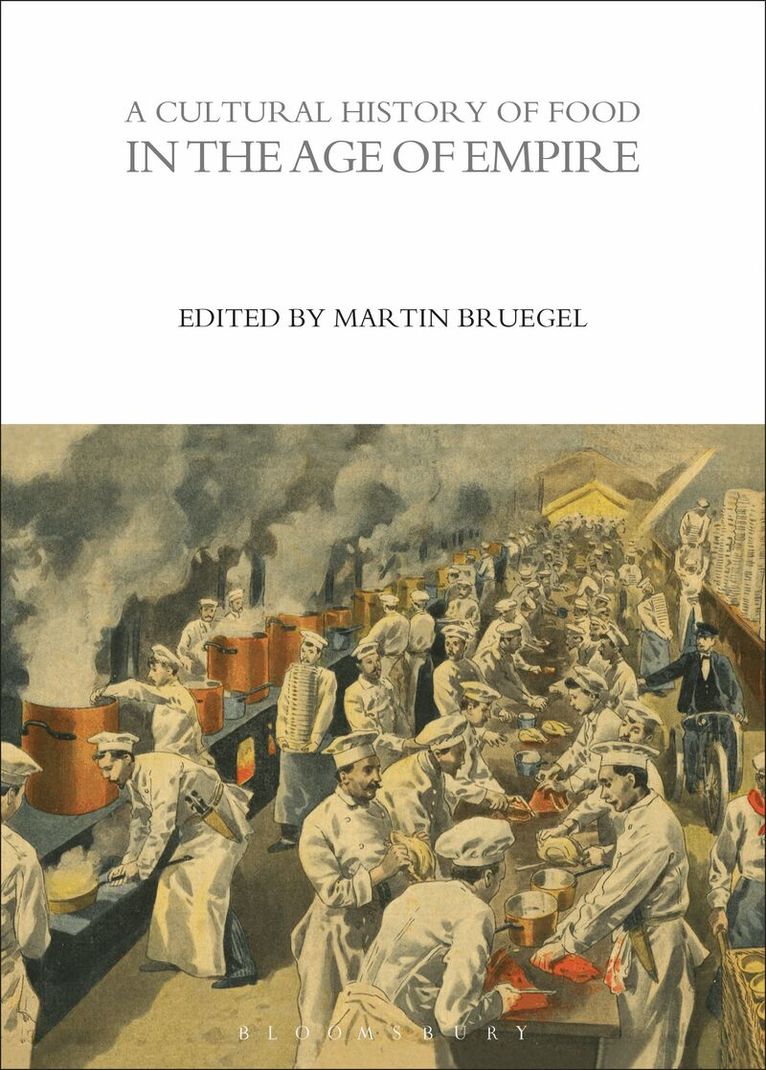
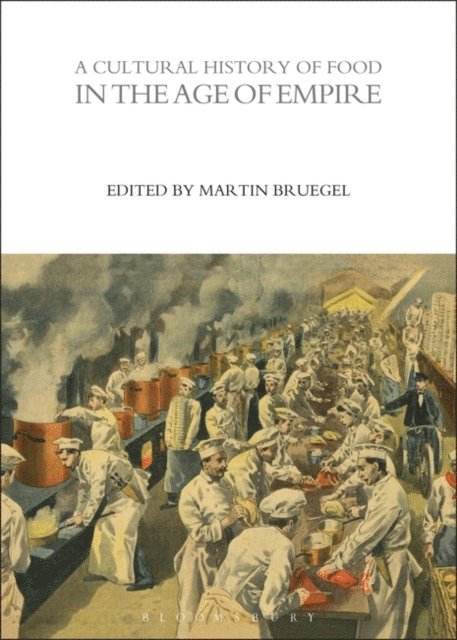
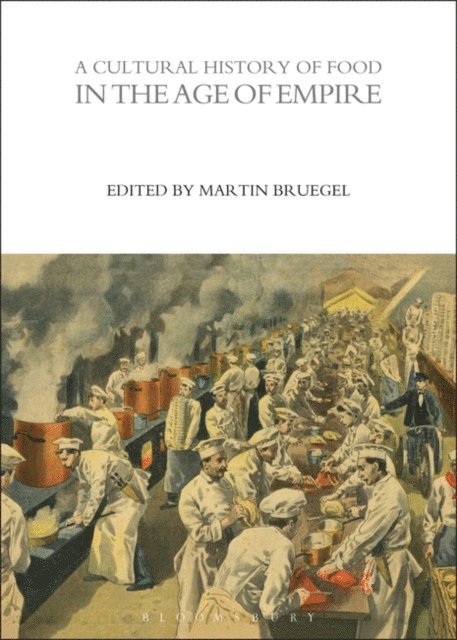
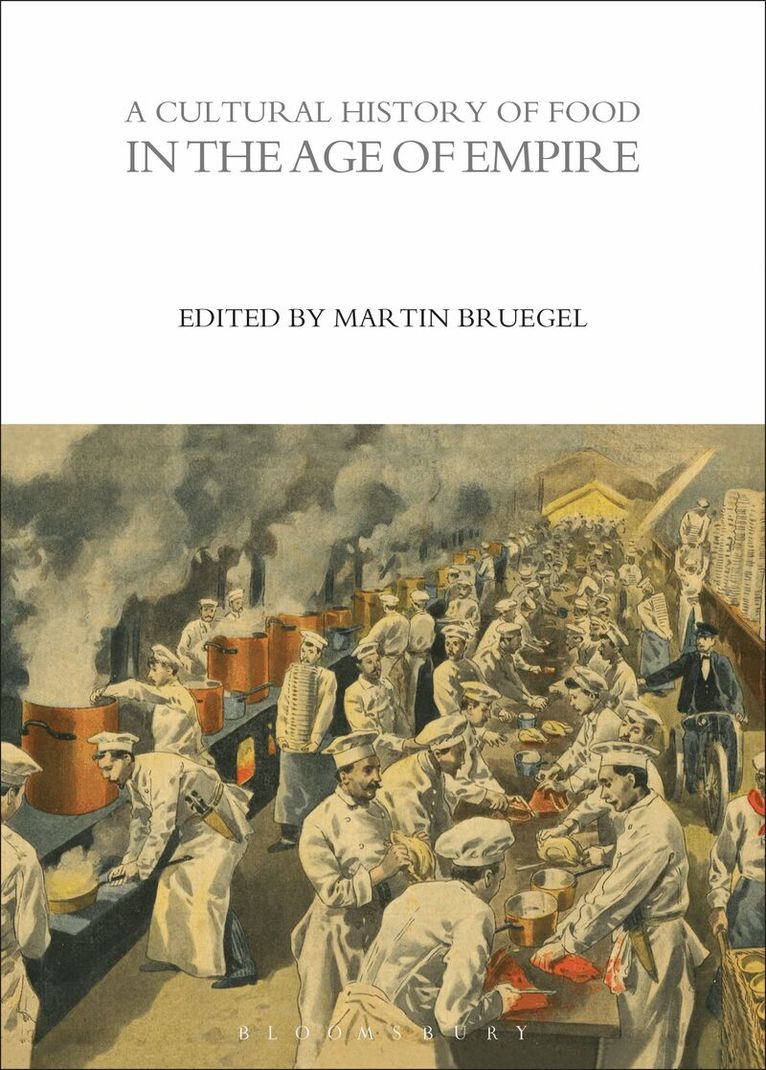
Cultural History of Food in the Age of Empire
Inbunden, 2014
1609 kr
Lägg i varukorg
The nineteenth-century West saw extraordinary economic growth and cultural change. This volume explores and explains the birth of the modern world through the food it produced and consumed. Food security vastly improved though malnutrition and famines persisted. Scientific research radically …
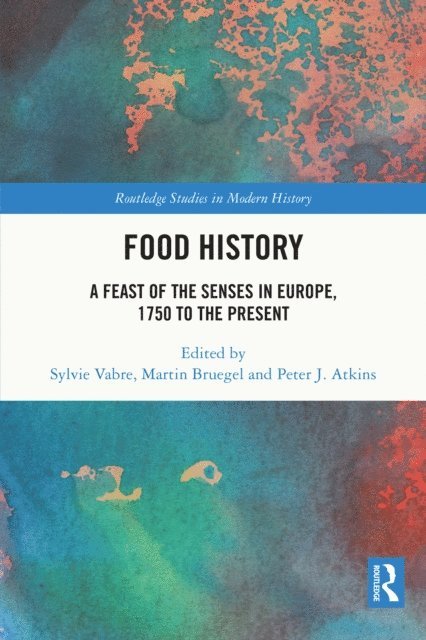
Food History
A Feast of the Senses in Europe, 1750 to the Present
Av Peter J. Atkins, Martin Bruegel m. fl.
E-bok, 2021
785 kr
Lägg i varukorg
This pioneering book elevates the senses to a central role in the study of food history because the traditional focus upon food types, quantities, and nutritional values is incomplete without some recognition of smell, touch, sight, hearing, and taste. Eating is a sensual experience. Every day and …
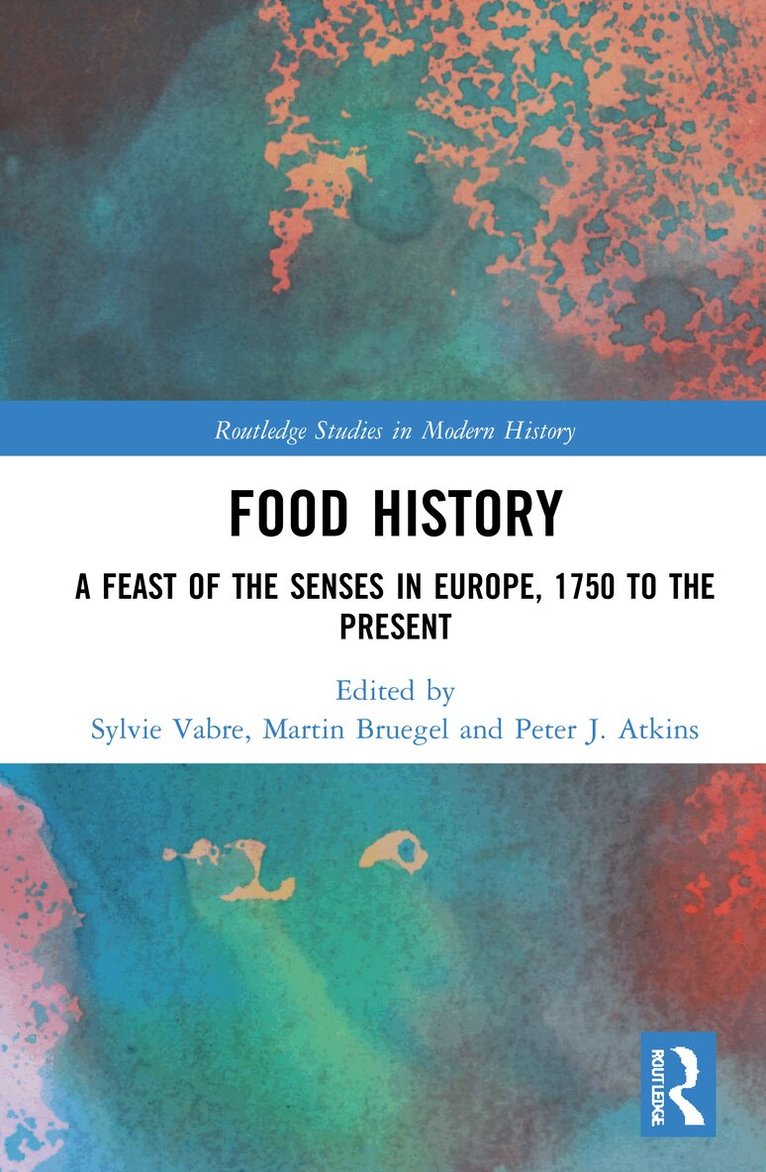
Food History
A Feast of the Senses in Europe, 1750 to the Present
Av Peter J. Atkins, Martin Bruegel m. fl.
E-bok, 2021
785 kr
Lägg i varukorg
This pioneering book elevates the senses to a central role in the study of food history because the traditional focus upon food types, quantities, and nutritional values is incomplete without some recognition of smell, touch, sight, hearing, and taste. Eating is a sensual experience. Every day and …
Food History
A Feast of the Senses in Europe, 1750 to the Present
Av Sylvie Vabre, Martin Bruegel m. fl.
Häftad, 2023
667 kr
Lägg i varukorg
This pioneering book elevates the senses to a central role in the study of food history because the traditional focus upon food types, quantities, and nutritional values is incomplete without some recognition of smell, touch, sight, hearing, and taste.Eating is a sensual experience. Every day and …
Cultural History of Food in the Age of Empire
E-bok, 2014
503 kr
Lägg i varukorg
The nineteenth-century West saw extraordinary economic growth and cultural change. This volume explores and explains the birth of the modern world through the food it produced and consumed. Food security vastly improved though malnutrition and famines persisted. Scientific research radically …
Cultural History of Food in the Age of Empire
E-bok, 2014
514 kr
Lägg i varukorg
The nineteenth-century West saw extraordinary economic growth and cultural change. This volume explores and explains the birth of the modern world through the food it produced and consumed. Food security vastly improved though malnutrition and famines persisted. Scientific research radically …
Cultural History of Food in the Age of Empire
Häftad, 2015
474 kr
Lägg i varukorg
The nineteenth-century West saw extraordinary economic growth and cultural change. This volume explores and explains the birth of the modern world through the food it produced and consumed. Food security vastly improved though malnutrition and famines persisted. Scientific research radically …
Histoire et identités alimentaires en Europe
Av Bruno Laurioux, Martin Bruegel
Häftad, 2022
609 kr
Lägg i varukorg
Farm, Shop, Landing
The Rise of a Market Society in the Hudson Valley, 1780–1860
Inbunden, 2002
1363 kr
Tillfälligt slut
At the turn of the nineteenth century, when the word “capital” first found its way into the vocabulary of mid-Hudson Valley residents, the term irrevocably marked the profound change that had transformed the region from an inward-looking, rural community into a participant in an emerging market …