Peter J. Atkins – författare
Visar alla böcker från författaren Peter J. Atkins. Handla med fri frakt och snabb leverans.
34 produkter
Food: A British History, 1800-1914
Volume II: Embodied Food History of Nineteenth-Century Britain
Inbunden, 2026
1883 kr
Lägg i varukorg
This four-volume collection brings together primary sources on British food during the long nineteenth century. Volumes explore manufacturing and markets, food and the body, cooking and cuisine, and food catering and culture. Accompanied by extensive editorial commentary, this collection will be of …
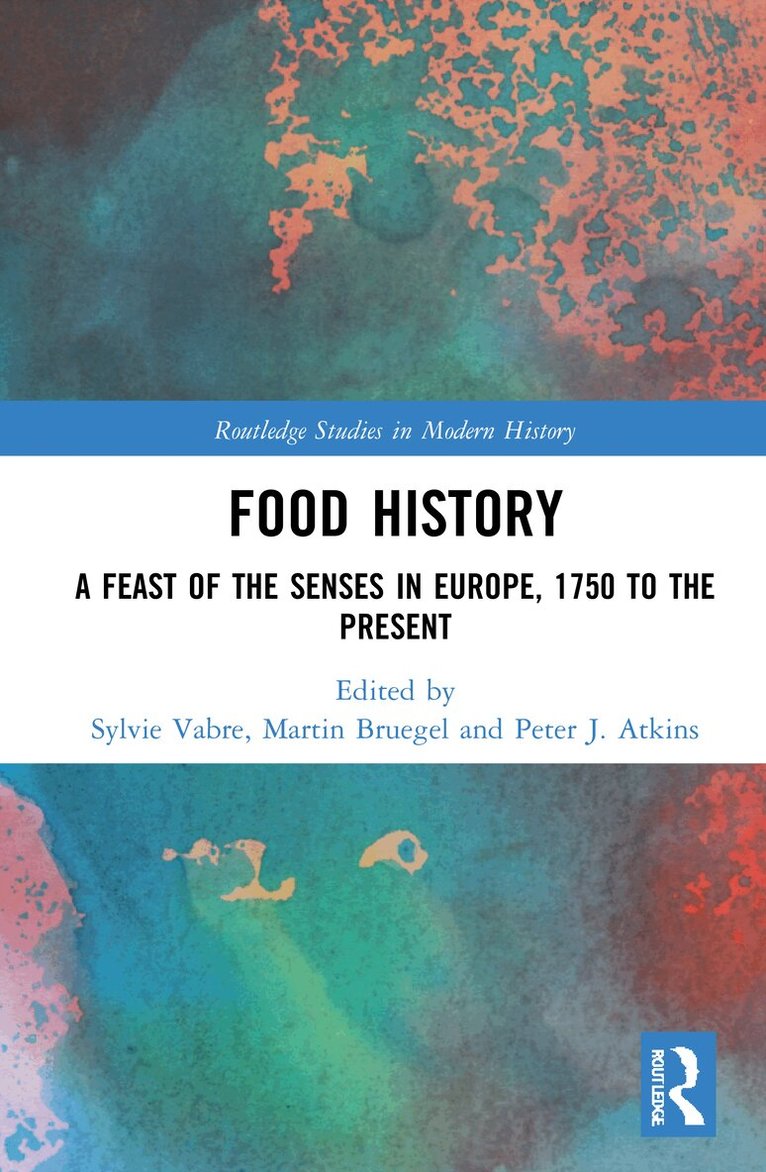
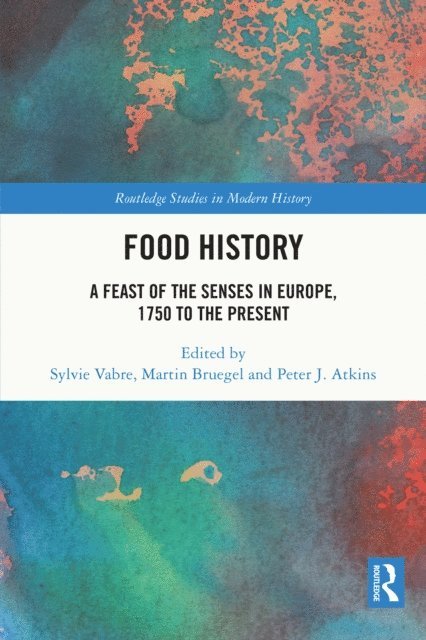
Food History
A Feast of the Senses in Europe, 1750 to the Present
Av Sylvie Vabre, Martin Bruegel m. fl.
Inbunden, 2021
2588 kr
Lägg i varukorg
This pioneering book elevates the senses to a central role in the study of food history because the traditional focus upon food types, quantities, and nutritional values is incomplete without some recognition of smell, touch, sight, hearing, and taste.Eating is a sensual experience. Every day and …
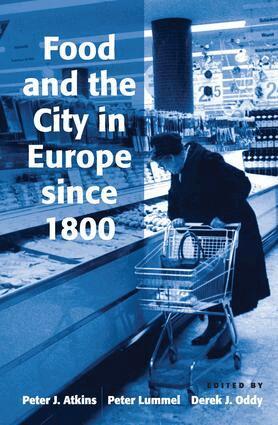
Food and the City in Europe since 1800
Av Peter Lummel, Peter J. Atkins
Inbunden, 2007
2746 kr
Lägg i varukorg
This fascinating volume examines the impact that rapid urbanization has had upon diets and food systems throughout Western Europe over the past two centuries. Bringing together studies from across the continent, it stresses the fundamental links between key changes in European social history and …
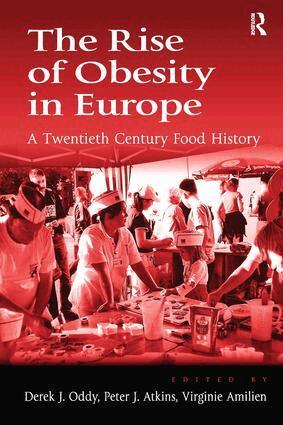
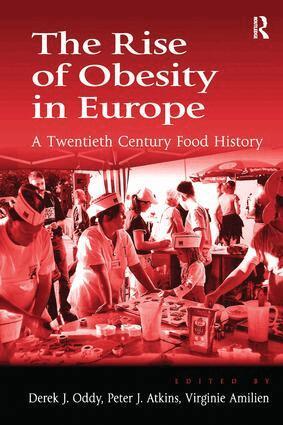
Rise of Obesity in Europe
A Twentieth Century Food History
Av Derek J. Oddy, Peter J. Atkins
Inbunden, 2009
2588 kr
Lägg i varukorg
Twentieth century Europe went through a dramatic transition from low income populations experiencing hunger and nutritionally inadequate diets, to the recent era of over-consumption and growing numbers of overweight and obese people. By examining the trends in food history from case studies across …
Food History
A Feast of the Senses in Europe, 1750 to the Present
Av Peter J. Atkins, Martin Bruegel m. fl.
E-bok, 2021
785 kr
Lägg i varukorg
This pioneering book elevates the senses to a central role in the study of food history because the traditional focus upon food types, quantities, and nutritional values is incomplete without some recognition of smell, touch, sight, hearing, and taste. Eating is a sensual experience. Every day and …
Food History
A Feast of the Senses in Europe, 1750 to the Present
Av Peter J. Atkins, Martin Bruegel m. fl.
E-bok, 2021
785 kr
Lägg i varukorg
This pioneering book elevates the senses to a central role in the study of food history because the traditional focus upon food types, quantities, and nutritional values is incomplete without some recognition of smell, touch, sight, hearing, and taste. Eating is a sensual experience. Every day and …
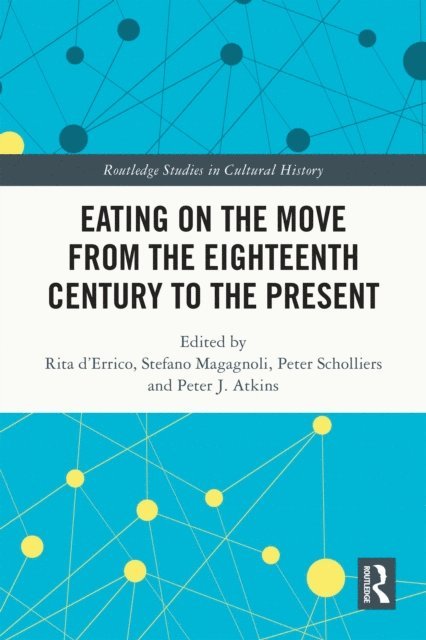
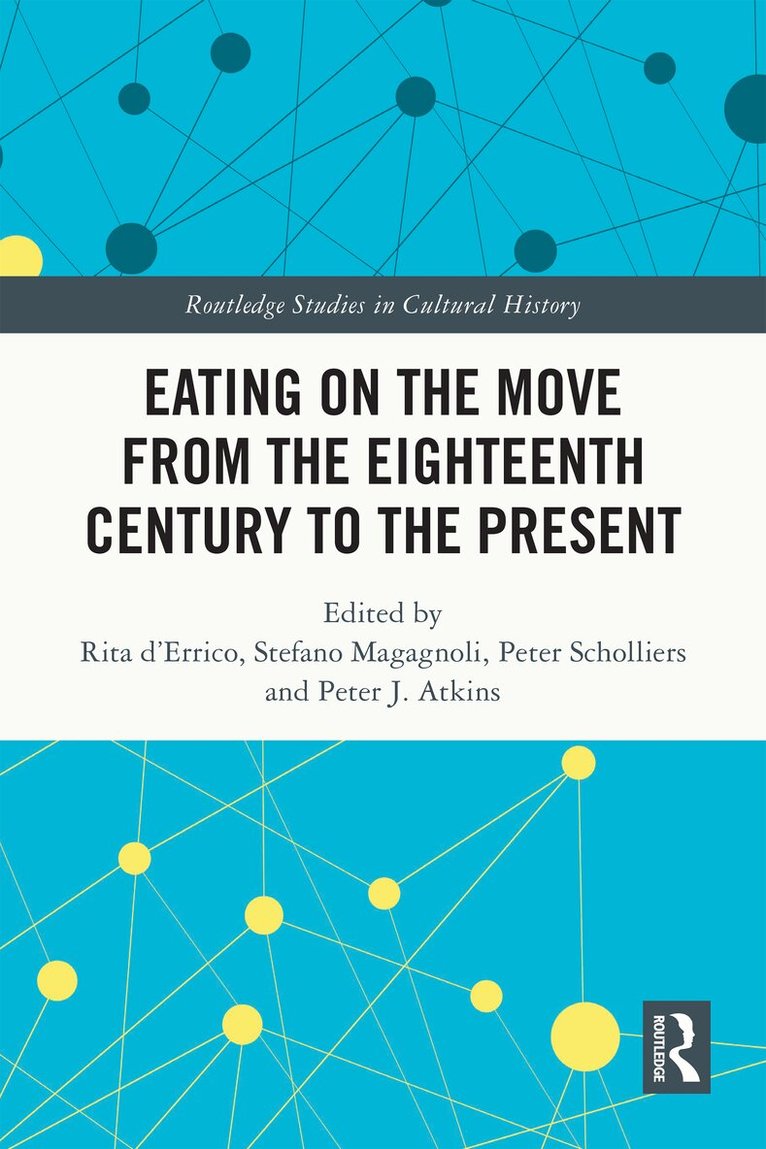
Eating on the Move from the Eighteenth Century to the Present
Av Peter J. Atkins, Peter Scholliers m. fl.
E-bok, 2023
760 kr
Lägg i varukorg
This book focuses on food and meals consumed during travel since the transport revolution and examines the ways in which the introduction of new forms of transport (propelled by steam and petrol engines), not only affected the way people travel but also led to a transformation in the way we eat. …
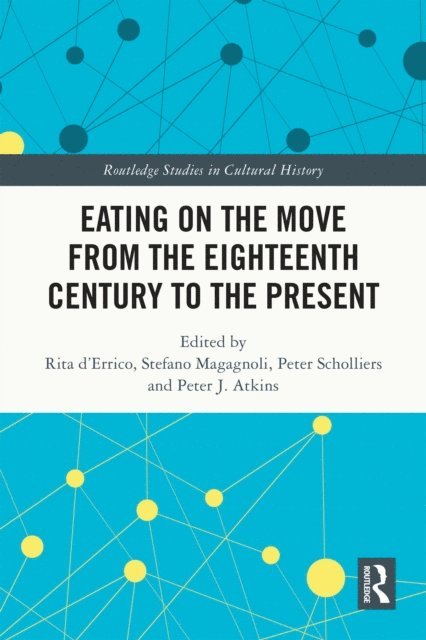
Eating on the Move from the Eighteenth Century to the Present
Av Peter J. Atkins, Peter Scholliers m. fl.
E-bok, 2023
785 kr
Lägg i varukorg
This book focuses on food and meals consumed during travel since the transport revolution and examines the ways in which the introduction of new forms of transport (propelled by steam and petrol engines), not only affected the way people travel but also led to a transformation in the way we eat. …
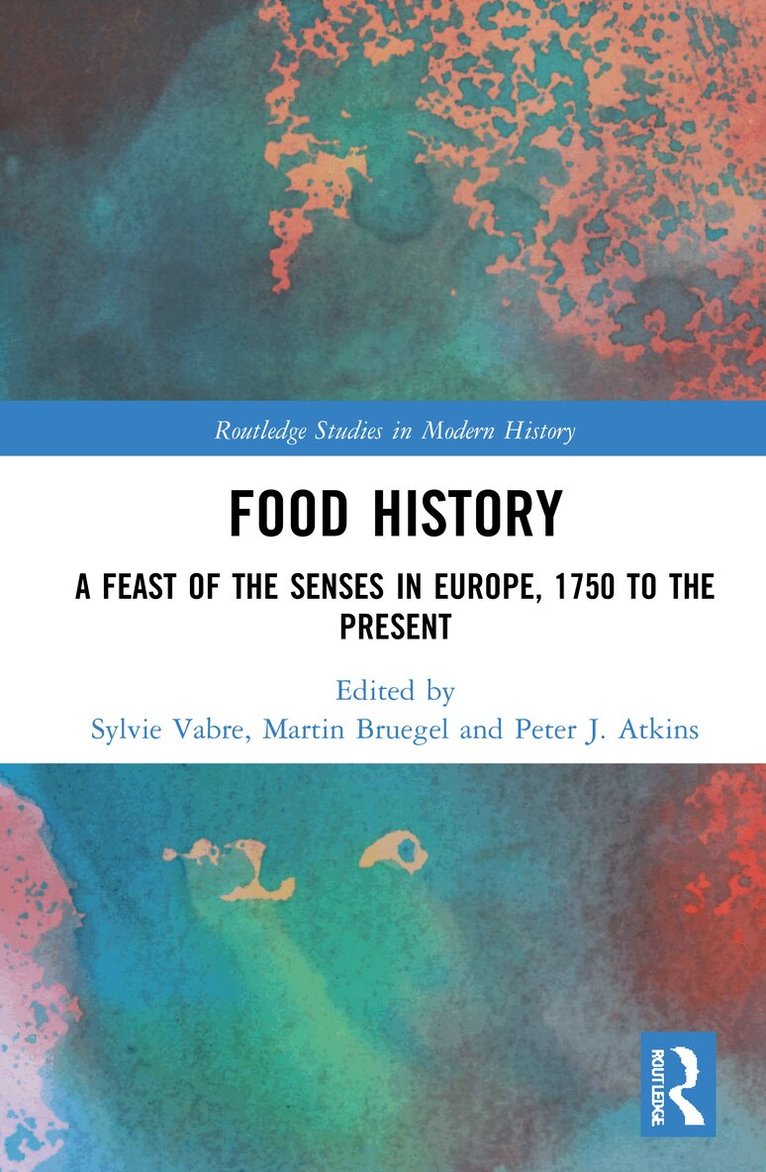
Food History
A Feast of the Senses in Europe, 1750 to the Present
Av Sylvie Vabre, Martin Bruegel m. fl.
Häftad, 2023
667 kr
Lägg i varukorg
This pioneering book elevates the senses to a central role in the study of food history because the traditional focus upon food types, quantities, and nutritional values is incomplete without some recognition of smell, touch, sight, hearing, and taste.Eating is a sensual experience. Every day and …
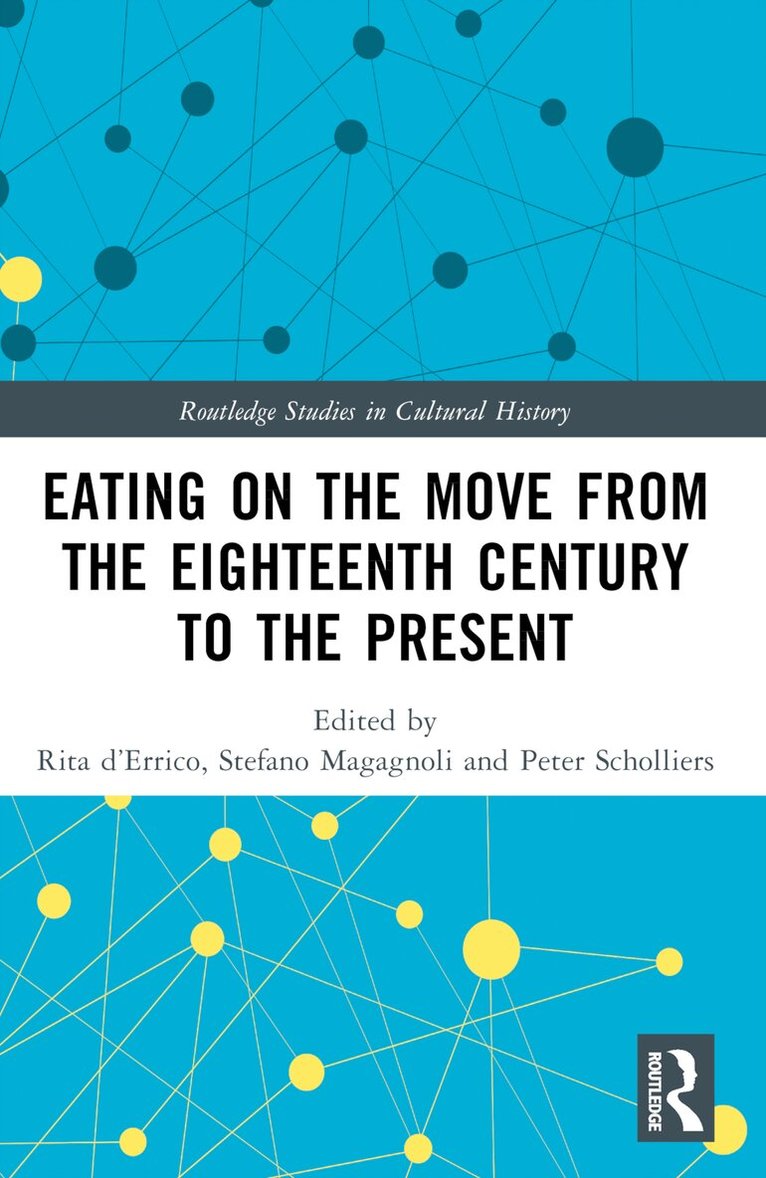
Eating on the Move from the Eighteenth Century to the Present
Av Rita d’Errico, Stefano Magagnoli m. fl.
Inbunden, 2023
2588 kr
Lägg i varukorg
This book focuses on food and meals consumed during travel since the transport revolution and examines the ways in which the introduction of new forms of transport (propelled by steam and petrol engines), not only affected the way people travel but also led to a transformation in the way we …
Eating on the Move from the Eighteenth Century to the Present
Av Rita d’Errico, Stefano Magagnoli m. fl.
Häftad, 2024
667 kr
Lägg i varukorg
This book focuses on food and meals consumed during travel since the transport revolution and examines the ways in which the introduction of new forms of transport (propelled by steam and petrol engines), not only affected the way people travel but also led to a transformation in the way we …
Food: A British History, 1800–1914
2026
8502 kr
Lägg i varukorg
This four-volume collection brings together primary sources on British food during the long nineteenth century. Volumes explore manufacturing and markets, food and the body, cooking and cuisine, and food catering and culture. Accompanied by extensive editorial commentary, this collection will be of …
Food: A British History, 1800-1914
Volume I: The Food System - Economics, Politics, Technology
Inbunden, 2026
1883 kr
Lägg i varukorg
This four-volume collection brings together primary sources on British food during the long nineteenth century. Volumes explore manufacturing and markets, food and the body, cooking and cuisine, and food catering and culture. Accompanied by extensive editorial commentary, this collection will be of …
Food: A British History, 1800-1914
Volume III: Food: its Materiality
Inbunden, 2026
1883 kr
Lägg i varukorg
This four-volume collection brings together primary sources on British food during the long nineteenth century. Volumes explore manufacturing and markets, food and the body, cooking and cuisine, and food catering and culture. Accompanied by extensive editorial commentary, this collection will be of …
Food: A British History, 1800-1914
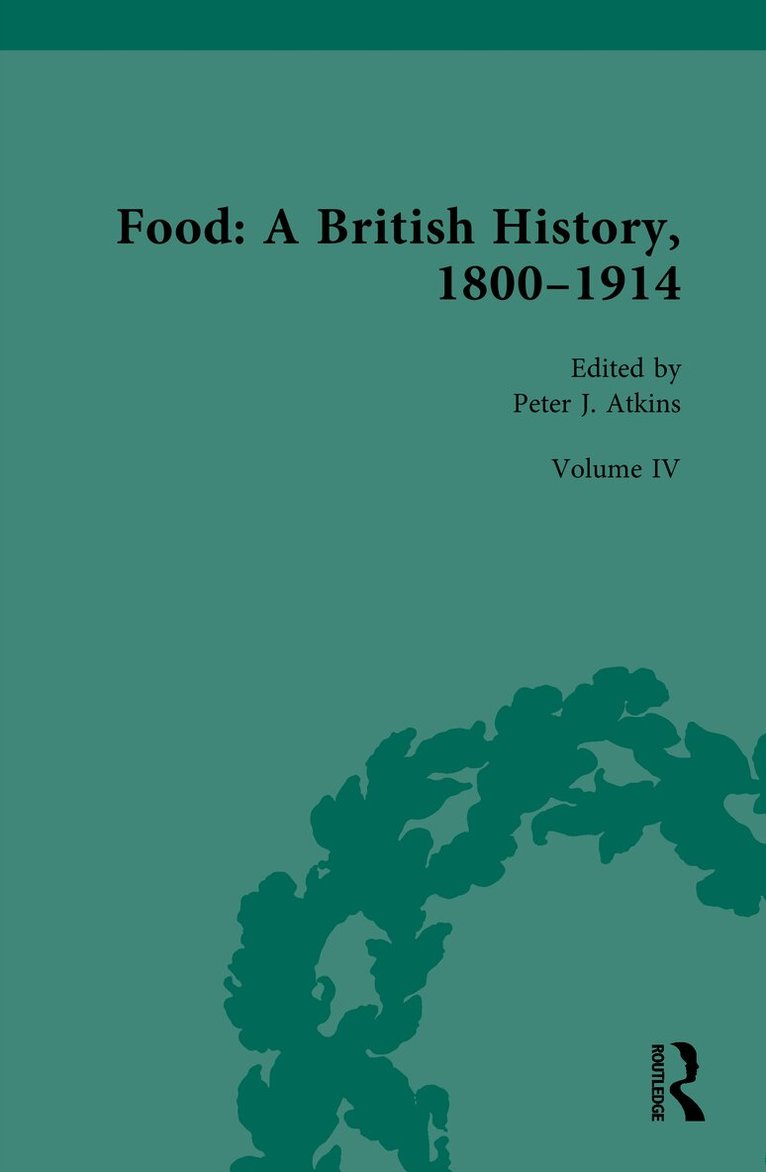
Volume IV: Food and Culture
Inbunden, 2026
1883 kr
Lägg i varukorg
This four-volume collection brings together primary sources on British food during the long nineteenth century. Volumes explore manufacturing and markets, food and the body, cooking and cuisine, and food catering and culture. Accompanied by extensive editorial commentary, this collection will be of …
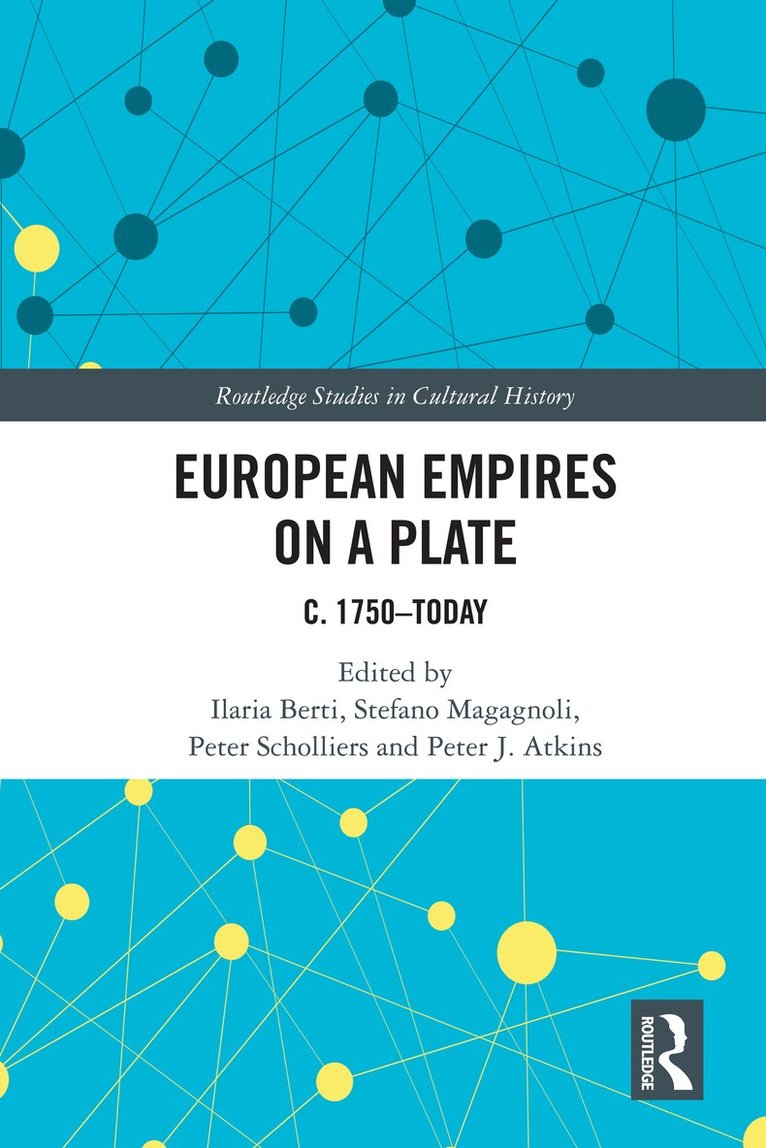
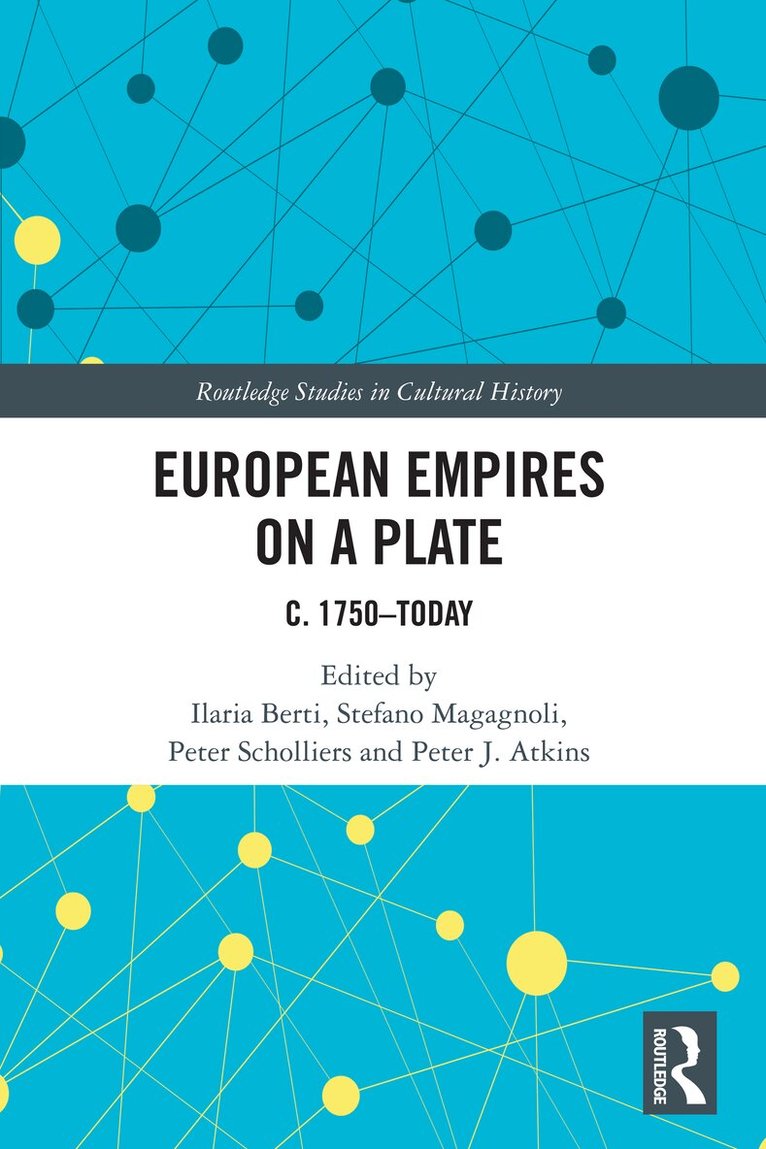
European Empires on a Plate
c. 1750–Today
Av Ilaria Berti, Stefano Magagnoli m. fl.
Inbunden, 2025
2588 kr
Lägg i varukorg
This book uses food to explore the uneven and multifaceted encounters between European imperial societies and their colonies, examining the cultural, social, political and economic forces behind European empires.Food is a key focus of current transdisciplinary and border research, and these …
European Empires on a Plate
c. 1750–Today
Av Ilaria Berti, Stefano Magagnoli m. fl.
Häftad, 2026
727 kr
Lägg i varukorg
This book uses food to explore the uneven and multifaceted encounters between European imperial societies and their colonies, examining the cultural, social, political and economic forces behind European empires.Food is a key focus of current transdisciplinary and border research, and these …
European Empires on a Plate
c. 1750–Today
Av Peter J. Atkins, Peter Scholliers m. fl.
E-bok, 2025
838 kr
Lägg i varukorg
This book uses food to explore the uneven and multifaceted encounters between European imperial societies and their colonies, examining the cultural, social, political and economic forces behind European empires. Food is a key focus of current transdisciplinary and border research, and these …
European Empires on a Plate
c. 1750–Today
Av Peter J. Atkins, Peter Scholliers m. fl.
E-bok, 2025
856 kr
Lägg i varukorg
This book uses food to explore the uneven and multifaceted encounters between European imperial societies and their colonies, examining the cultural, social, political and economic forces behind European empires. Food is a key focus of current transdisciplinary and border research, and these …
Food: A British History, 1800-1914
Volume II: Embodied Food History of Nineteenth-Century Britain
E-bok, 2026
1052 kr
Lägg i varukorg
This four-volume collection brings together primary sources on British food during the long nineteenth century. Volumes explore manufacturing and markets, food and the body, cooking and cuisine, and food catering and culture. Accompanied by extensive editorial commentary, this collection will be of …
Food: A British History, 1800-1914
Volume III: Food: its Materiality
E-bok, 2026
1030 kr
Lägg i varukorg
This four-volume collection brings together primary sources on British food during the long nineteenth century. Volumes explore manufacturing and markets, food and the body, cooking and cuisine, and food catering and culture. Accompanied by extensive editorial commentary, this collection will be of …
Food: A British History, 1800-1914
Volume IV: Food and Culture
E-bok, 2026
1030 kr
Lägg i varukorg
This four-volume collection brings together primary sources on British food during the long nineteenth century. Volumes explore manufacturing and markets, food and the body, cooking and cuisine, and food catering and culture. Accompanied by extensive editorial commentary, this collection will be of …
Food: A British History, 1800-1914
Volume II: Embodied Food History of Nineteenth-Century Britain
E-bok, 2026
1022 kr
Lägg i varukorg
This four-volume collection brings together primary sources on British food during the long nineteenth century. Volumes explore manufacturing and markets, food and the body, cooking and cuisine, and food catering and culture. Accompanied by extensive editorial commentary, this collection will be of …
Food: A British History, 1800-1914
Volume III: Food: its Materiality
E-bok, 2026
1052 kr
Lägg i varukorg
This four-volume collection brings together primary sources on British food during the long nineteenth century. Volumes explore manufacturing and markets, food and the body, cooking and cuisine, and food catering and culture. Accompanied by extensive editorial commentary, this collection will be of …
Food: A British History, 1800-1914
Volume IV: Food and Culture
E-bok, 2026
1052 kr
Lägg i varukorg
This four-volume collection brings together primary sources on British food during the long nineteenth century. Volumes explore manufacturing and markets, food and the body, cooking and cuisine, and food catering and culture. Accompanied by extensive editorial commentary, this collection will be of …
Food: A British History, 1800-1914
Volume I: The Food System - Economics, Politics, Technology
E-bok, 2026
1030 kr
Lägg i varukorg
This four-volume collection brings together primary sources on British food during the long nineteenth century. Volumes explore manufacturing and markets, food and the body, cooking and cuisine, and food catering and culture. Accompanied by extensive editorial commentary, this collection will be of …
Food: A British History, 1800-1914
Volume I: The Food System - Economics, Politics, Technology
E-bok, 2026
1030 kr
Lägg i varukorg
This four-volume collection brings together primary sources on British food during the long nineteenth century. Volumes explore manufacturing and markets, food and the body, cooking and cuisine, and food catering and culture. Accompanied by extensive editorial commentary, this collection will be of …
Rise of Obesity in Europe
A Twentieth Century Food History
Av Derek J. Oddy, Peter J. Atkins
Häftad, 2016
877 kr
Lägg i varukorg
Twentieth century Europe went through a dramatic transition from low income populations experiencing hunger and nutritionally inadequate diets, to the recent era of over-consumption and growing numbers of overweight and obese people. By examining the trends in food history from case studies across …
Food and the City in Europe since 1800
Av Peter Lummel, Peter J. Atkins
Häftad, 2016
877 kr
Lägg i varukorg
This fascinating volume examines the impact that rapid urbanization has had upon diets and food systems throughout Western Europe over the past two centuries. Bringing together studies from across the continent, it stresses the fundamental links between key changes in European social history and …
Rise of Obesity in Europe
A Twentieth Century Food History
Av Derek J. Oddy, Peter J. Atkins
E-bok, 2016
1034 kr
Lägg i varukorg
Twentieth century Europe went through a dramatic transition from low income populations experiencing hunger and nutritionally inadequate diets, to the recent era of over-consumption and growing numbers of overweight and obese people. By examining the trends in food history from case studies across …