Martin Christ - Böcker
Visar alla böcker från författaren Martin Christ. Handla med fri frakt och snabb leverans.
2 produkter
2 produkter
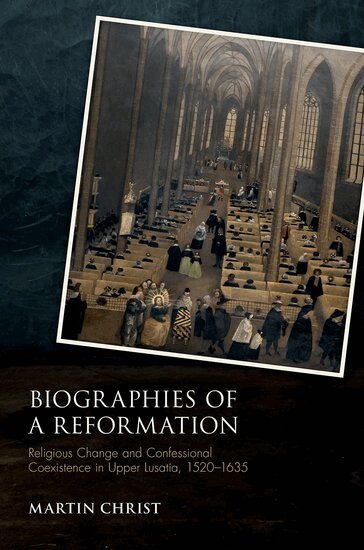
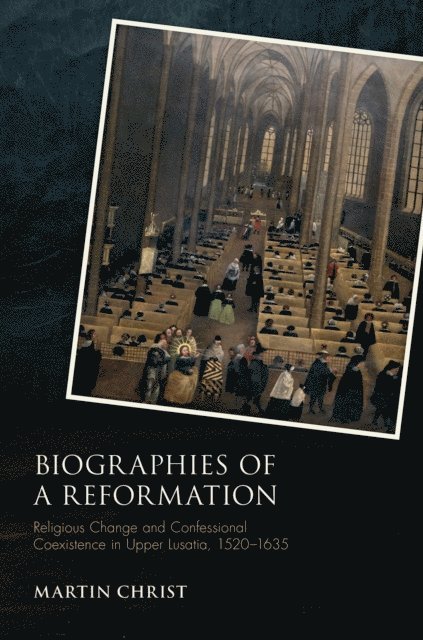
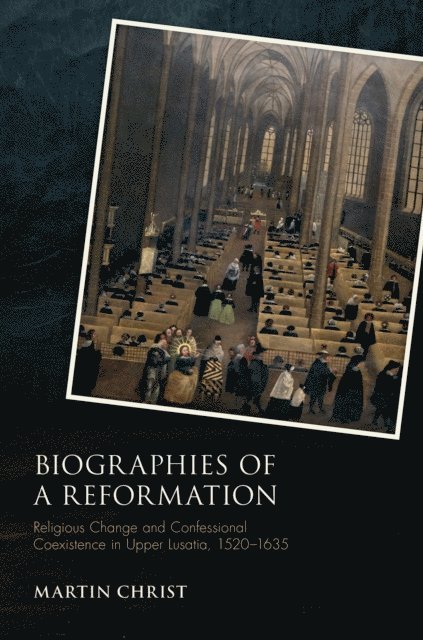
Biographies of a Reformation
Religious Change and Confessional Coexistence in Upper Lusatia, 1520-1635
Inbunden, Engelska, 2021
1 396 kr
Skickas inom 5-8 vardagar
Biographies of a Reformation: Religious Change and Confessional Coexistence in Upper Lusatia, c. 1520-1635 investigates how religious coexistence functioned in six towns in the multiconfessional region of Upper Lusatia in Western Bohemia. Lutherans and Catholics found a feasible modus vivendi through written agreements and regular negotiations. This meant that the Habsburg kings of Bohemia ruled over a Lutheran region. Lutherans and Catholics in Upper Lusatia shared spaces, objects, and rituals. Catholics adopted elements previously seen as a firm part of a Lutheran confessional culture. Lutherans, too, were willing to incorporate Catholic elements into their religiosity. Some of these overlaps were subconscious, while others were a conscious choice.This book provides a new narrative of the Reformation and shows that the concept of the 'urban Reformation', where towns are seen as centres of Lutheranism has to be reassessed, particularly in towns in former East Germany, where much work remains to be done. It shows that in a region like Upper Lusatia, which did not have a political centre and underwent a complex Reformation with many different actors, there was no clear confessionalization. By approaching the Upper Lusatian Reformation through important individuals, Martin Christ shows how they had to negotiate their religiosity, resulting in cross-confessional exchange and syncretism.
2 027 kr
Skickas inom 10-15 vardagar
Through a range of case studies, this book traces how death shaped cities, and vice versa. It argues that by focusing on death and the city, we can open up new avenues of research into religious, political and cultural change.Dying in a city was significantly different from dying in a village or the countryside. Cities and towns were centres of commerce and learning, shaping discourses on death. The importance of urban centres meant that events had a large audience there, for example when people were executed. Urban diversity led to a wide variety of deathways, which also had to be regulated by urban magistrates. The placement of dead bodies and the urban arrangement of cemeteries were related to the high population density in towns, urban hygiene and religious changes, such as the Reformation. The fact that many cities were seats of power had a direct impact on the design of necropolises and the performance of funerary rituals. It was also in urban centres that religious, ethnic and cultural diversity tended to be more pronounced, leading to compromise and conflict when it came to burials and commemoration. Considering death and the city can therefore help us understand much broader processes of dying, urbanity and change over time.This book is essential reading for all students and academics of death in the premodern period. The chapters in this book were originally published as a special issue of Mortality.