Martin Francis – författare
Visar alla böcker från författaren Martin Francis. Handla med fri frakt och snabb leverans.
5 produkter
5 produkter
1 092 kr
Skickas inom 5-8 vardagar
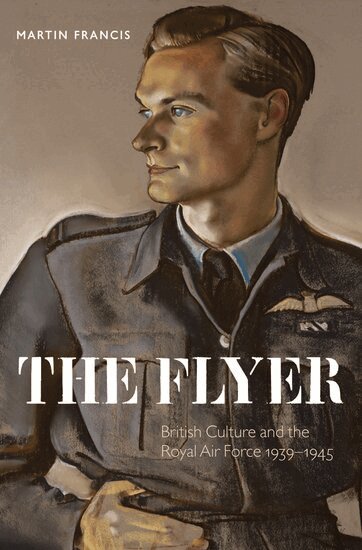
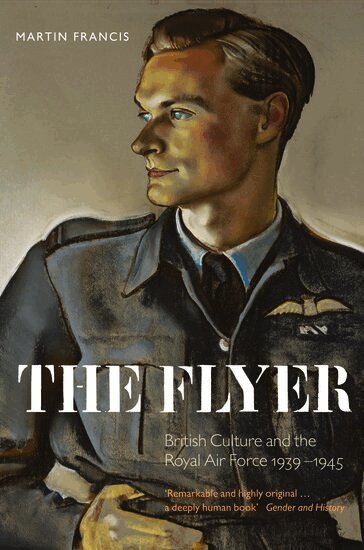
Between 1939 and 1945, the British public was spellbound by the martial endeavours and dashing style of the young men of the RAF, especially those with silvery fabric wings sewn above the breast pocket of their glamorous slate-blue uniform. Martin Francis provides the first scholarly study of the place of 'the flyer' in British culture during the Second World War. Examining the lives of RAF personnel, and their popular representation in literary and cinematic texts, he illuminates broader issues of gender, social class, national and racial identities, emotional life, and the creation of a national myth in twentieth-century Britain. In particular, Francis argues that the flyer's relationship to fear, aggression, loss of his comrades, bodily dismemberment, and psychological breakdown reveals broader ambiguities surrounding the dominant understandings of masculinity in the middle decades of the century. Despite his star appeal, cultural representations of the flyer encompassed both the gentle, chivalrous warrior and the uncompromising agent of destruction. Paying particular attention to the romantic universe of wartime aircrew, Francis reveals the extraordinary contrasts of their daily lives: dicing with death in the sky one moment, before sitting down to lunch with wives and children in the next. Male and female experiences during the war were not polarized and antithetical, but were complementary and interrelated, a conclusion which has implications for the history of gender in modern Britain that reach well beyond either the specialized military culture of the wartime RAF or the chronological parameters of the Second World War.
491 kr
Skickas inom 5-8 vardagar
Between 1939 and 1945, the British public was spellbound by the martial endeavours and dashing style of the young men of the RAF, especially those with silvery fabric wings sewn above the breast pocket of their glamorous slate-blue uniform. Martin Francis provides the first scholarly study of the place of 'the flyer' in British culture during the Second World War. Examining the lives of RAF personnel, and their popular representation in literary and cinematic texts, he illuminates broader issues of gender, social class, national and racial identities, emotional life, and the creation of a national myth in twentieth-century Britain. In particular, Francis argues that the flyer's relationship to fear, aggression, loss of his comrades, bodily dismemberment, and psychological breakdown reveals broader ambiguities surrounding the dominant understandings of masculinity in the middle decades of the century. Despite his star appeal, cultural representations of the flyer encompassed both the gentle, chivalrous warrior and the uncompromising agent of destruction. Paying particular attention to the romantic universe of wartime aircrew, Francis reveals the extraordinary contrasts of their daily lives: dicing with death in the sky one moment, before sitting down to lunch with wives and children in the next. Male and female experiences during the war were not polarized and antithetical, but were complementary and interrelated, a conclusion which has implications for the history of gender in modern Britain that reach well beyond either the specialized military culture of the wartime RAF or the chronological parameters of the Second World War.
629 kr
Skickas inom 7-10 vardagar
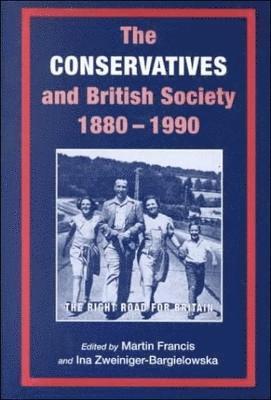
This collection of research explores the relationship between the Conservative party and British society since 1880 by focusing on the key themes of ideology, national identity, gender and policy. The focus of the text is not so much on the Conservative party as an institution, as on the party's wider significance in British political culture. It seeks to explain the Conservatives extraordinary electoral success in this period and asserts that this success was both problematic and historically contingent. Part one of this study addresses the question of conservative ideology; part two analyzes the role of national identity in Conservative discourse and policy; part three assesses how Conservatives negotiated the gendered nature of popular politics both before and after the arrival of the equal franchise, and part four examines how Conservative understanding of the relationship between state and society were translated into specific aspects of social and economic policy.
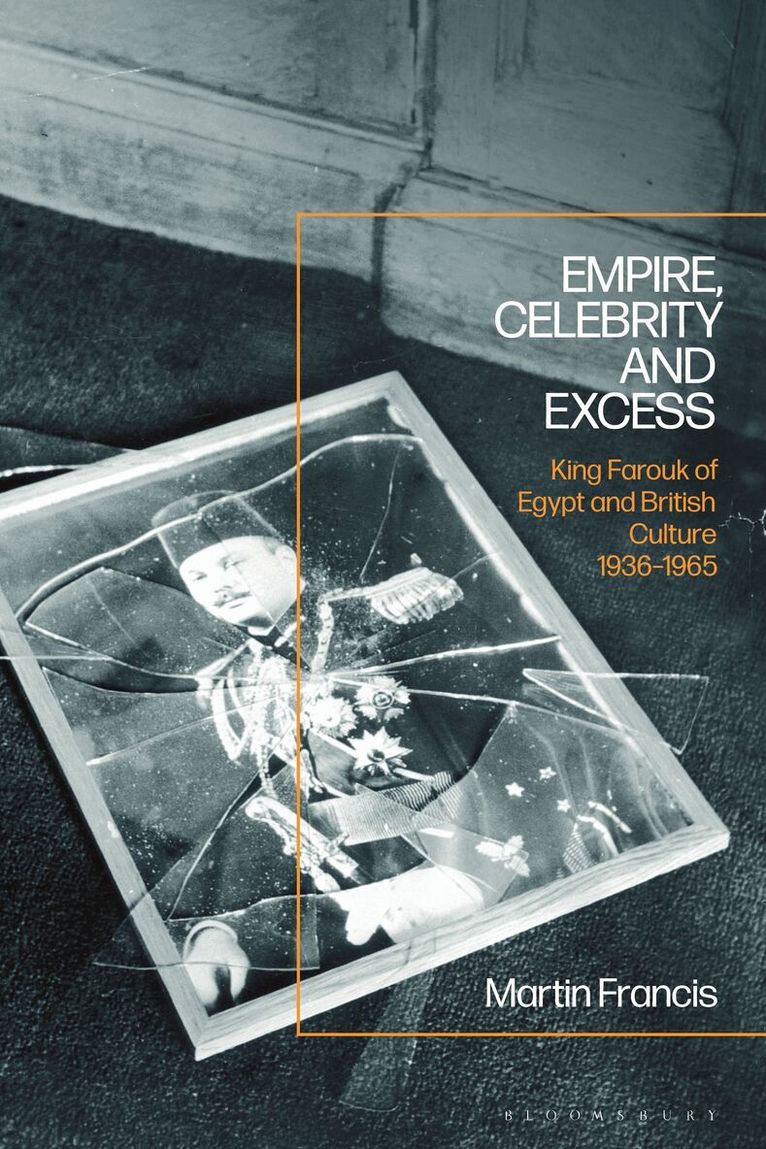
Empire, Celebrity and Excess
King Farouk of Egypt and British Culture 1936-1965
Inbunden, Engelska, 2022
1 314 kr
Skickas inom 10-15 vardagar
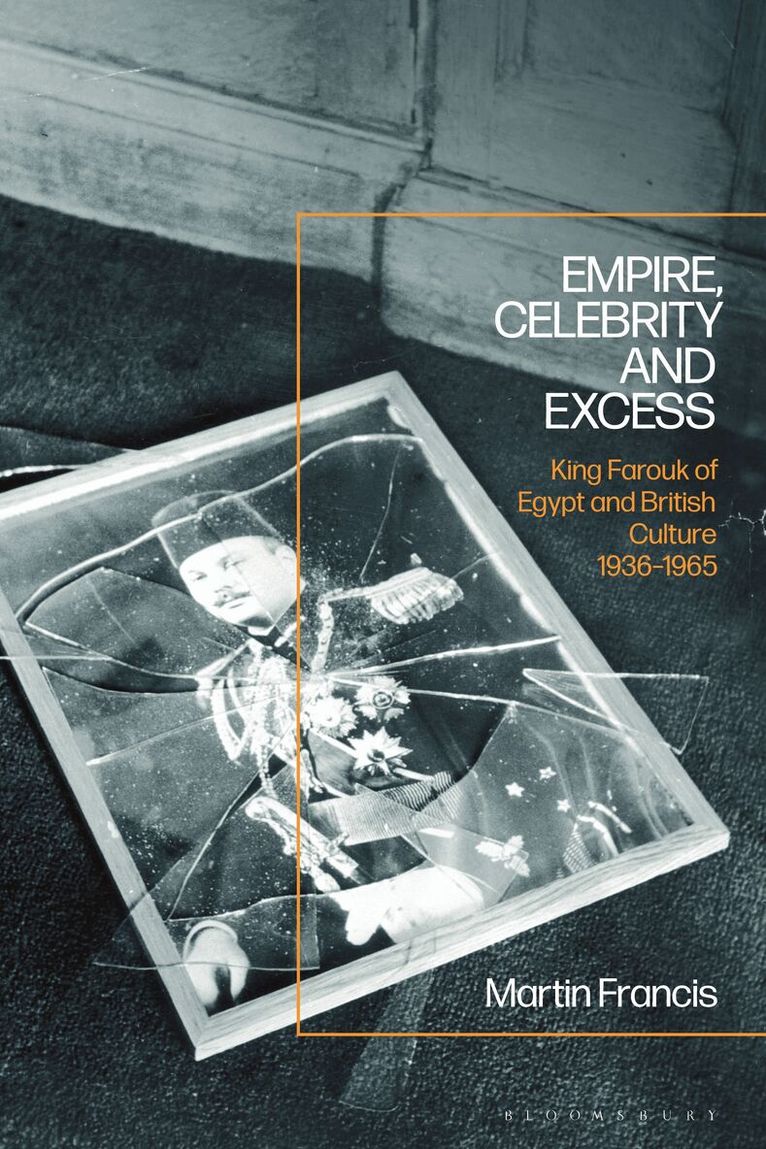
While now long-forgotten, King Farouk of Egypt loomed large in British culture in the 1940s and 1950s. Farouk was of interest and importance, not just to British imperial policy makers, but to a wider public that was exposed to his extravagant lifestyle and colourful private life through gossip columns, comedy sketches, cartoons, song lyrics and novels.This book explores how the narratives and representations of King Farouk found in British official and popular culture dramatized the retreat from empire, the rise of celebrity journalism, changing conceptions of masculinity and sexuality, ambivalent attitudes towards monarchy, postcolonial exile, the growth of mass tourism, and the post-war transition from austerity to abundance. By considering diplomatic history in tandem with histories of popular culture and celebrity, Francis presents a more holistic understanding of British culture during the era of decolonization.The varied cultural and social features of post-war Britain and the reconstitution of British identity in the aftermath of empire - sexual liberalization, ‘Americanization’, consumer affluence, increased interaction with Europe, new forms of mass leisure and the emergence of celebrity culture - did not take place independently of the dismantling of imperial rule. Studying Farouk therefore sheds new light on the multiple and complex ways in which Britain emerged as a postcolonial nation.
Empire, Celebrity and Excess
King Farouk of Egypt and British Culture 1936-1965
Häftad, Engelska, 2024
420 kr
Skickas inom 10-15 vardagar
While now long-forgotten, King Farouk of Egypt loomed large in British culture in the 1940s and 1950s. Farouk was of interest and importance, not just to British imperial policy makers, but to a wider public that was exposed to his extravagant lifestyle and colourful private life through gossip columns, comedy sketches, cartoons, song lyrics and novels.This book explores how the narratives and representations of King Farouk found in British official and popular culture dramatized the retreat from empire, the rise of celebrity journalism, changing conceptions of masculinity and sexuality, ambivalent attitudes towards monarchy, postcolonial exile, the growth of mass tourism, and the post-war transition from austerity to abundance. By considering diplomatic history in tandem with histories of popular culture and celebrity, Francis presents a more holistic understanding of British culture during the era of decolonization.The varied cultural and social features of post-war Britain and the reconstitution of British identity in the aftermath of empire - sexual liberalization, ‘Americanization’, consumer affluence, increased interaction with Europe, new forms of mass leisure and the emergence of celebrity culture - did not take place independently of the dismantling of imperial rule. Studying Farouk therefore sheds new light on the multiple and complex ways in which Britain emerged as a postcolonial nation.