Martin Jacobs – Författare
Visar alla böcker från författaren Martin Jacobs. Handla med fri frakt och snabb leverans.
9 produkter
9 produkter
809 kr
Skickas inom 10-15 vardagar
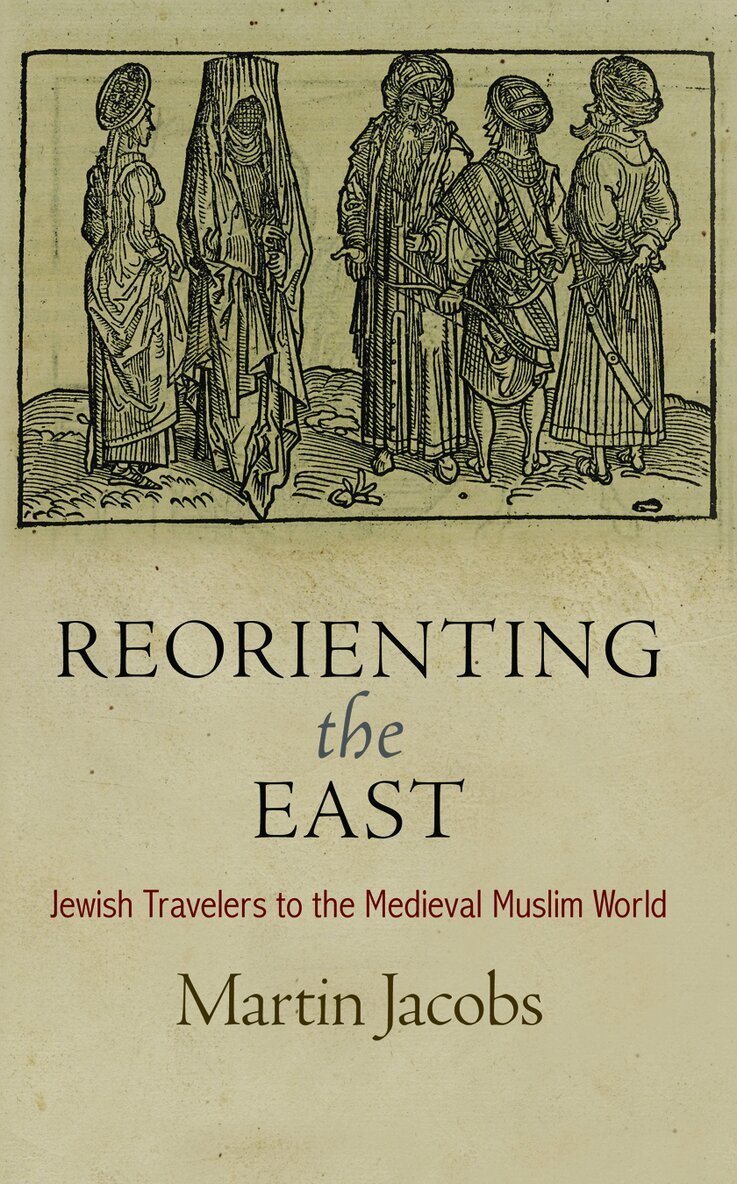
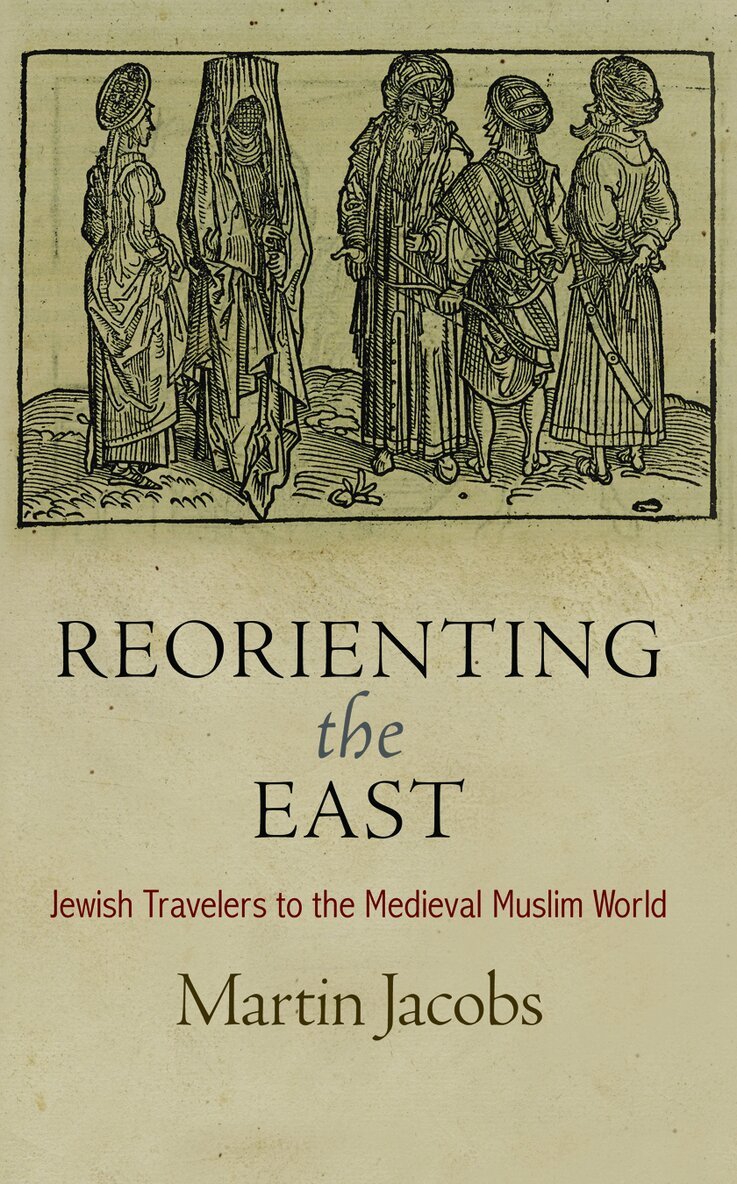
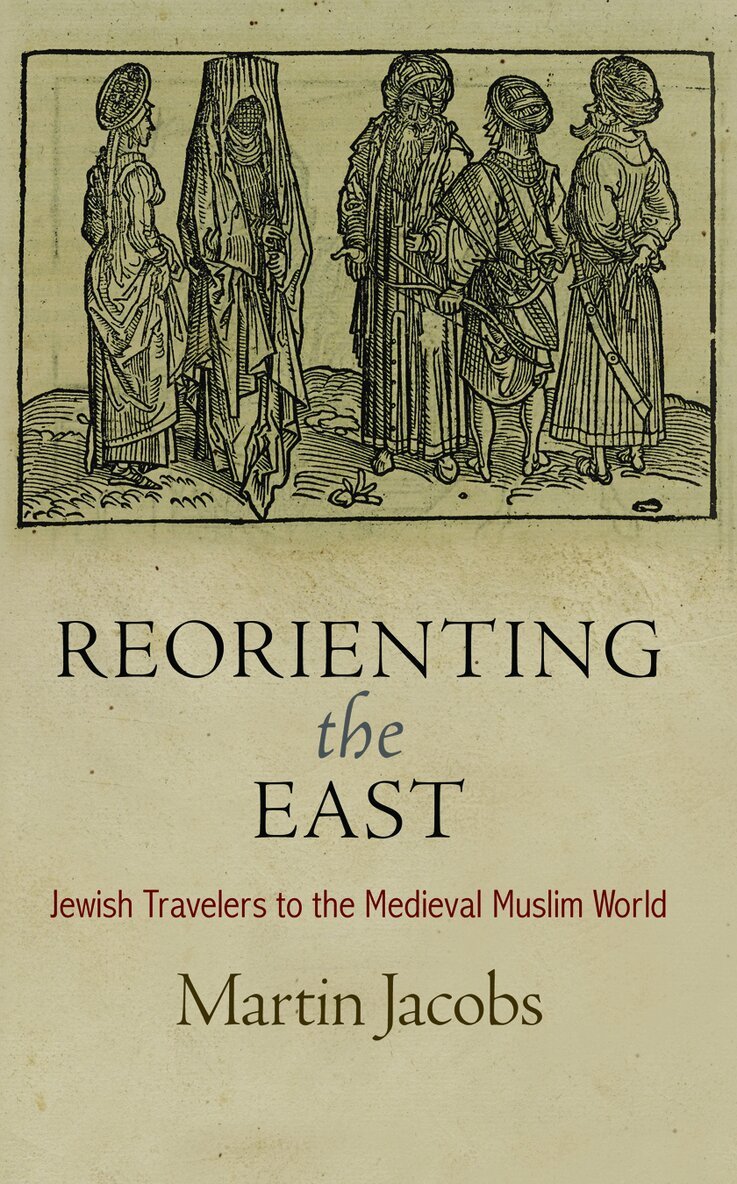
The first comprehensive investigation of premodern Jewish travel writing about the Islamic worldReorienting the East explores the Islamic world as it was encountered, envisioned, and elaborated by Jewish travelers from the Middle Ages to the early modern period. The first comprehensive investigation of Jewish travel writing from this era, this study engages with questions raised by postcolonial studies and contributes to the debate over the nature and history of Orientalism as defined by Edward Said.Examining two dozen Hebrew and Judeo-Arabic travel accounts from the mid-twelfth to the early sixteenth centuries, Martin Jacobs asks whether Jewish travelers shared Western perceptions of the Islamic world with their Christian counterparts. Most Jews who detailed their journeys during this period hailed from Christian lands and many sailed to the Eastern Mediterranean aboard Christian-owned vessels. Yet Jacobs finds that their descriptions of the Near East subvert or reorient a decidedly Christian vision of the region. The accounts from the crusader era, in particular, are often critical of the Christian church and present glowing portraits of Muslim-Jewish relations. By contrast, some of the later travelers discussed in the book express condescending attitudes toward Islam, Muslims, and Near Eastern Jews. Placing shifting perspectives on the Muslim world in their historical, social, and literary contexts, Jacobs interprets these texts as mirrors of changing Jewish self-perceptions. As he argues, the travel accounts echo the various ways in which premodern Jews negotiated their mingled identities, which were neither exclusively Western nor entirely Eastern.
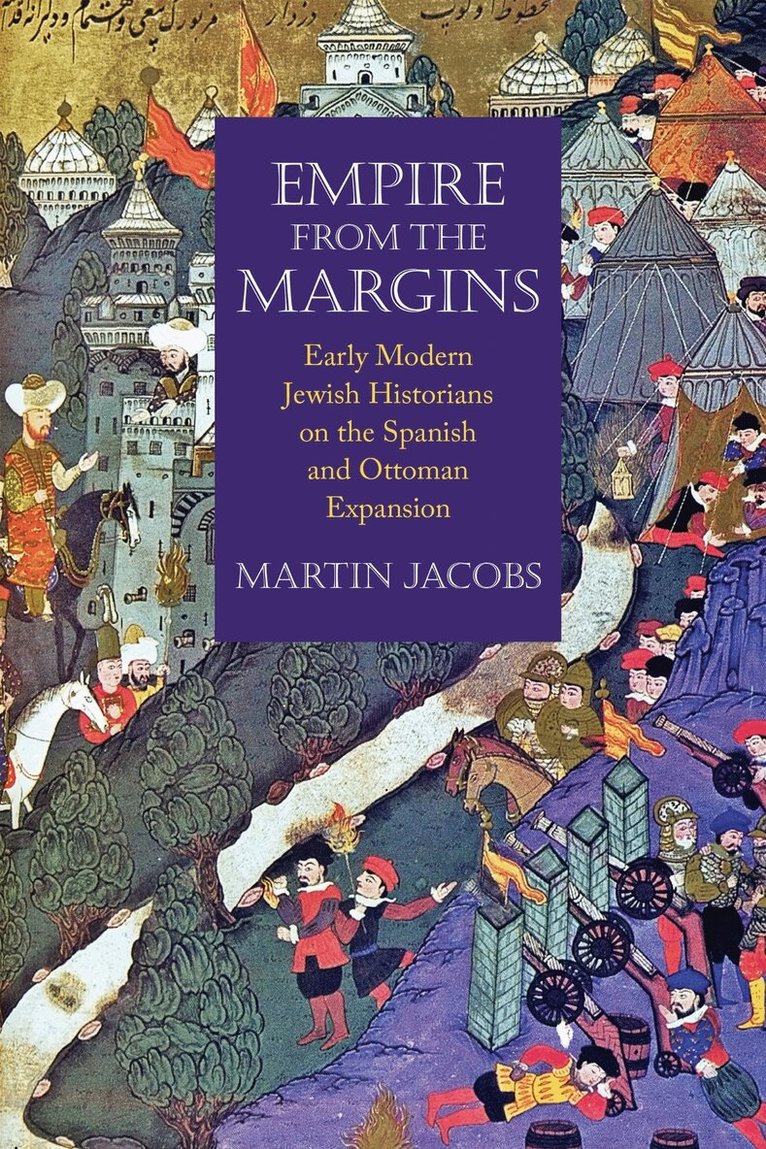
Empire from the Margins
Early Modern Jewish Historians on the Spanish and Ottoman Expansion
Inbunden, Engelska, 2025
723 kr
Skickas inom 10-15 vardagar
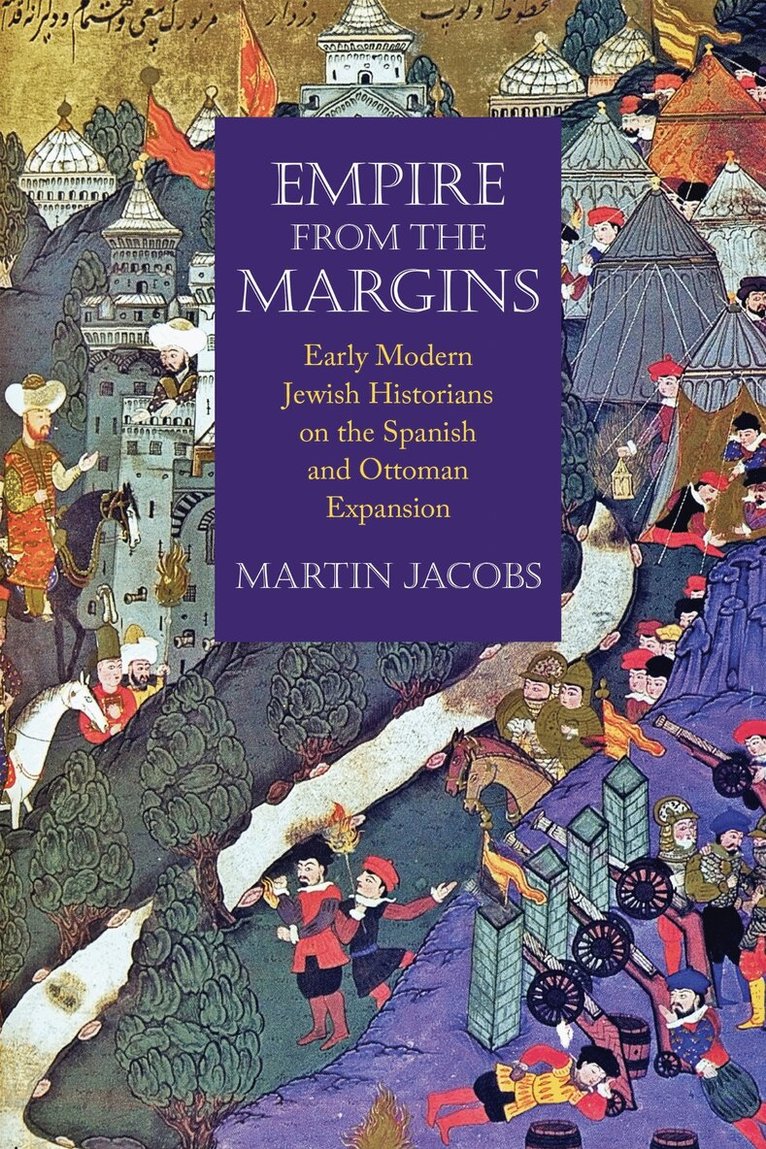
The writings of three early modern Jewish historians highlight the divided allegiances of a Jewish diaspora living in and between the Spanish and Ottoman empiresIn 1492, the year that marked the start of Spain's transatlantic expansion, the Spanish monarchs expelled their Jewish subjects and triggered a mass Jewish migration to the lands of the Ottoman empire. But while the rise of these rival empires had tremendous impact on the Jewish population's geography, the historical accounts of contemporary Jews have remained peripheral to the study of early modern imperialism.In Empire from the Margins, Martin Jacobs seeks to understand how the history of empires appears through the lens of marginalized communities and to explore how Jews responded to Spanish and Ottoman imperial expansion. He approaches this history through the Hebrew chronicles of three sixteenth- and seventeenth-century Jewish authors. Elijah Capsali of Crete, Joseph ha-Kohen of Genoa, and Joseph Sambari of Cairo all lived in early modern hubs with global connections, and—in unusual detail for premodern Jewish historians—they described how the Spanish and Ottoman empires redrew the political, cultural, and religious map of the Mediterranean region while simultaneously transforming the transatlantic world.As Jews, these writers belonged to an ethno-religious minority within the Mediterranean basin where the Spanish and Ottoman empires were centered, and from here they expressed marginalized views on the Spanish and Ottoman regimes. At the same time, these Jewish authors belonged to Jewish networks that transcended imperial boundaries, and they voiced conflicting loyalties between different authorities and cultures. And Jacobs shows that, in writing about the Spanish and Ottoman expansion, these authors also grappled with the Jews' precarious position in their host societies and their own multilayered identities. Their shifting positionalities illuminate the divided allegiances of a Jewish diaspora living in and between competing empires.
399 kr
Skickas
The first comprehensive investigation of premodern Jewish travel writing about the Islamic worldReorienting the East explores the Islamic world as it was encountered, envisioned, and elaborated by Jewish travelers from the Middle Ages to the early modern period. The first comprehensive investigation of Jewish travel writing from this era, this study engages with questions raised by postcolonial studies and contributes to the debate over the nature and history of Orientalism as defined by Edward Said.Examining two dozen Hebrew and Judeo-Arabic travel accounts from the mid-twelfth to the early sixteenth centuries, Martin Jacobs asks whether Jewish travelers shared Western perceptions of the Islamic world with their Christian counterparts. Most Jews who detailed their journeys during this period hailed from Christian lands and many sailed to the Eastern Mediterranean aboard Christian-owned vessels. Yet Jacobs finds that their descriptions of the Near East subvert or reorient a decidedly Christian vision of the region. The accounts from the crusader era, in particular, are often critical of the Christian church and present glowing portraits of Muslim-Jewish relations. By contrast, some of the later travelers discussed in the book express condescending attitudes toward Islam, Muslims, and Near Eastern Jews. Placing shifting perspectives on the Muslim world in their historical, social, and literary contexts, Jacobs interprets these texts as mirrors of changing Jewish self-perceptions. As he argues, the travel accounts echo the various ways in which premodern Jews negotiated their mingled identities, which were neither exclusively Western nor entirely Eastern.
277 kr
Skickas inom 5-8 vardagar
285 kr
Skickas inom 5-8 vardagar
738 kr
Skickas inom 5-8 vardagar
788 kr
Skickas inom 5-8 vardagar
Del 18 - Texts and Studies in Medieval and Early Modern Judaism
Islamische Geschichte in jüdischen Chroniken
Hebräische Historiographie des 16. und 17. Jahrhunderts
Inbunden, Tyska, 2004
2 186 kr
Tillfälligt slut
Das moderne, christliche Bild des Islam als kriegerische Religion hat eine seiner Wurzeln in der 'Türkenliteratur' der frühen Neuzeit. Während die christliche Geschichtsschreibung über den Islam bereits erforscht ist, legt Martin Jacobs hier die erste Untersuchung vergleichbarer jüdischer Literatur des 16. und 17. Jahrhunderts vor. Im Mittelpunkt dieser Studie stehen die hebräischen Chroniken von Eliyahu Capsali, Yosef ha-Kohen und Yosef Sambari, welche eine detaillierte Darstellung islamischer Geschichte von Muhammad bis zu den osmanischen Sultanen bieten. Zwei der genannten Autoren lebten im italienischen Kulturraum und neigten zur Idealisierung muslimischer Herrscher. Die dritte, aus dem Osmanischen Reich stammende Chronik schlägt hingegen polemische Töne gegenüber dem Islam an. In diesem Zusammenhang erörtert Martin Jacobs die von den jüdischen Chronisten gebrauchten Quellen, die teils christlichen, teils islamischen Ursprungs sind. Darüber hinaus diskutiert er die Frage, ob die genannten Werke einen Neuanfang in der jüdischen Historiographie darstellen oder das mittelalterliche Erbe fortsetzen.
242 kr
Skickas inom 5-8 vardagar