Martin K. Dimitrov – författare
Visar alla böcker från författaren Martin K. Dimitrov. Handla med fri frakt och snabb leverans.
12 produkter
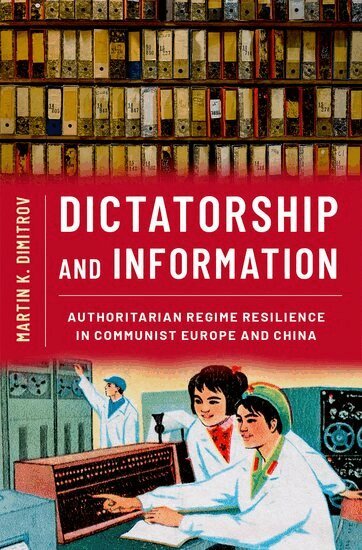
Dictatorship and Information
Authoritarian Regime Resilience in Communist Europe and China
Inbunden, 2022
1469 kr
Lägg i varukorg
Fear pervades dictatorial regimes. Citizens fear leaders, the regime's agents fear superiors, and leaders fear the masses. The ubiquity of fear in such regimes gives rise to the "dictator's dilemma," where autocrats do not know the level of opposition they face and cannot effectively neutralize …
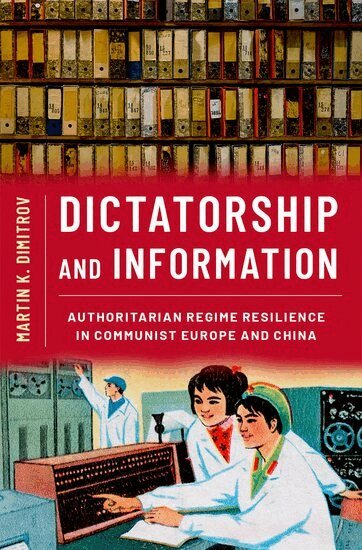
Dictatorship and Information
Authoritarian Regime Resilience in Communist Europe and China
Häftad, 2023
721 kr
Lägg i varukorg
Fear pervades dictatorial regimes. Citizens fear leaders, the regime's agents fear superiors, and leaders fear the masses. The ubiquity of fear in such regimes gives rise to the "dictator's dilemma," where autocrats do not know the level of opposition they face and cannot effectively neutralize …
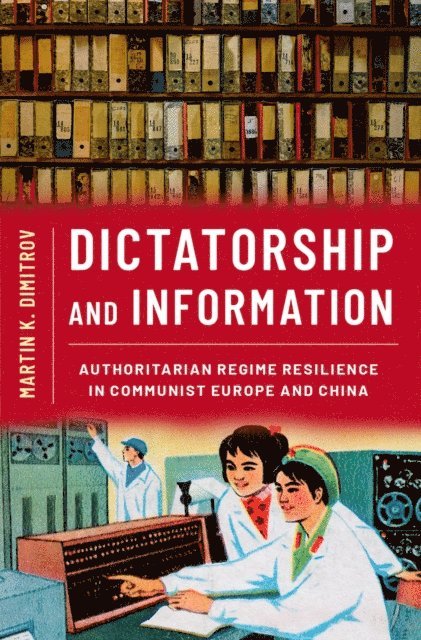
Dictatorship and Information
Authoritarian Regime Resilience in Communist Europe and China
E-bok, 2022
310 kr
Lägg i varukorg
Fear pervades dictatorial regimes. Citizens fear leaders, the regime''s agents fear superiors, and leaders fear the masses. The ubiquity of fear in such regimes gives rise to the "dictator''s dilemma," where autocrats do not know the level of opposition they face and cannot effectively neutralize …
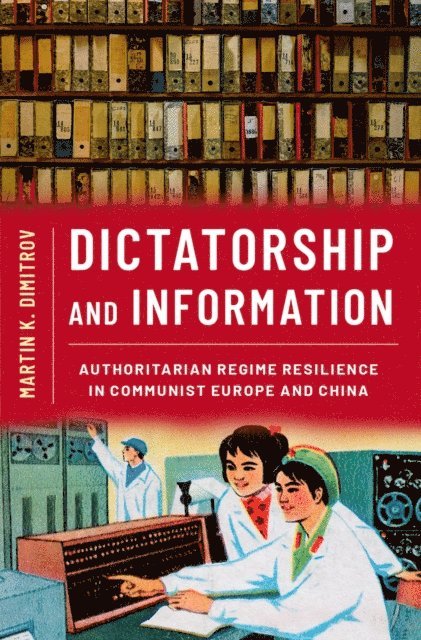
Dictatorship and Information
Authoritarian Regime Resilience in Communist Europe and China
E-bok, 2022
310 kr
Lägg i varukorg
Fear pervades dictatorial regimes. Citizens fear leaders, the regime''s agents fear superiors, and leaders fear the masses. The ubiquity of fear in such regimes gives rise to the "dictator''s dilemma," where autocrats do not know the level of opposition they face and cannot effectively neutralize …
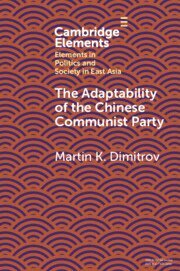
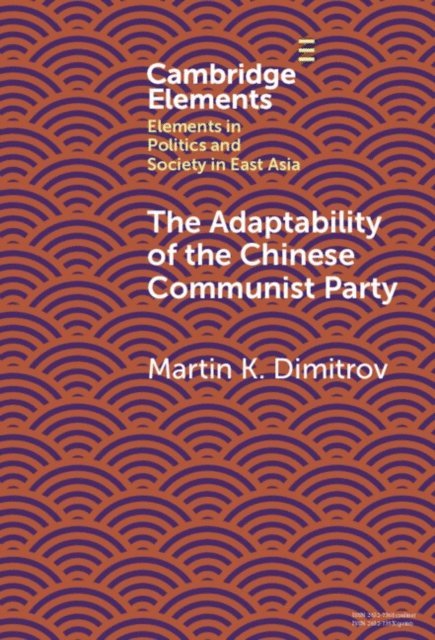
The Adaptability of the Chinese Communist Party
Häftad, 2025
302 kr
Lägg i varukorg
The Chinese Communist Party (CCP) celebrated its one-hundredth birthday in 2021. Its durability poses a twofold question: How has the party survived thus far? And is its survival formula sustainable in the future? This Element argues that the CCP has displayed a continuous capacity for adaptation, …
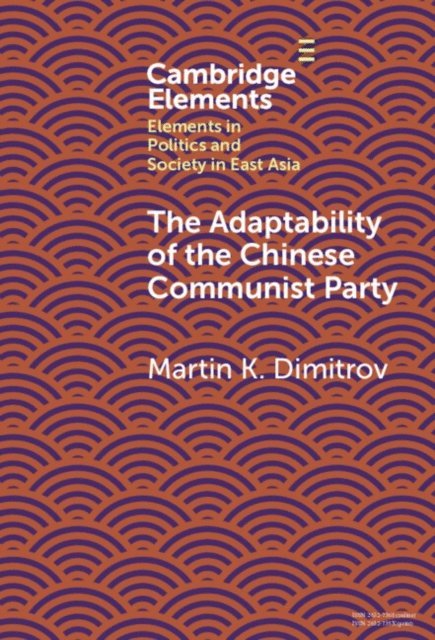
The Adaptability of the Chinese Communist Party
Inbunden, 2025
911 kr
Lägg i varukorg
The Chinese Communist Party (CCP) celebrated its one-hundredth birthday in 2021. Its durability poses a twofold question: How has the party survived thus far? And is its survival formula sustainable in the future? This Element argues that the CCP has displayed a continuous capacity for adaptation, …
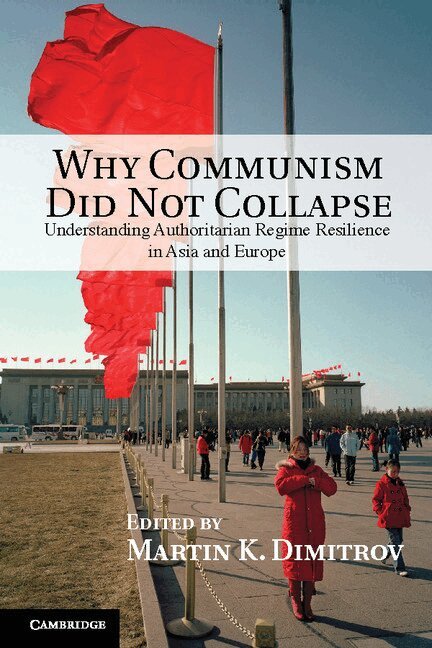
Why Communism Did Not Collapse
Understanding Authoritarian Regime Resilience in Asia and Europe
Inbunden, 2013
1465 kr
Lägg i varukorg
This volume brings together a distinguished group of scholars working to address the puzzling durability of communist autocracies in Eastern Europe and Asia, which are the longest-lasting type of non-democratic regime to emerge after World War I. The volume conceptualizes the communist universe as …
Why Communism Did Not Collapse
Understanding Authoritarian Regime Resilience in Asia and Europe
E-bok, 2013
543 kr
Lägg i varukorg
This volume brings together a distinguished group of scholars working to address the puzzling durability of communist autocracies in Eastern Europe and Asia, which are the longest-lasting type of non-democratic regime to emerge after World War I. The volume conceptualizes the communist universe as …
Why Communism Did Not Collapse
Understanding Authoritarian Regime Resilience in Asia and Europe
E-bok, 2013
555 kr
Lägg i varukorg
This volume brings together a distinguished group of scholars working to address the puzzling durability of communist autocracies in Eastern Europe and Asia, which are the longest-lasting type of non-democratic regime to emerge after World War I. The volume conceptualizes the communist universe as …
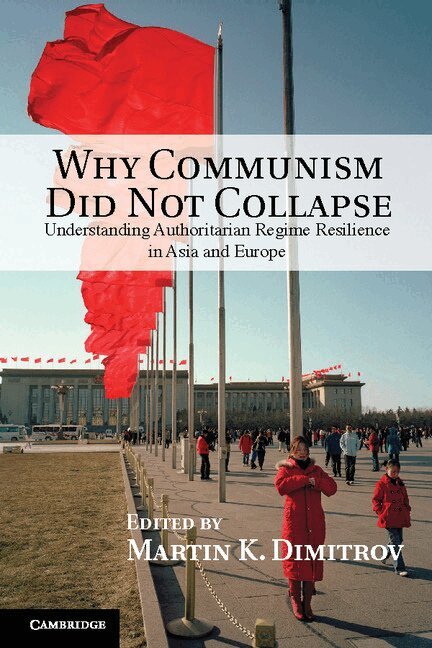
Why Communism Did Not Collapse
Understanding Authoritarian Regime Resilience in Asia and Europe
Häftad, 2013
569 kr
Lägg i varukorg
This volume brings together a distinguished group of scholars working to address the puzzling durability of communist autocracies in Eastern Europe and Asia, which are the longest-lasting type of non-democratic regime to emerge after World War I. The volume conceptualizes the communist universe as …