Martin Pitts - Böcker
Visar alla böcker från författaren Martin Pitts. Handla med fri frakt och snabb leverans.
5 produkter
5 produkter
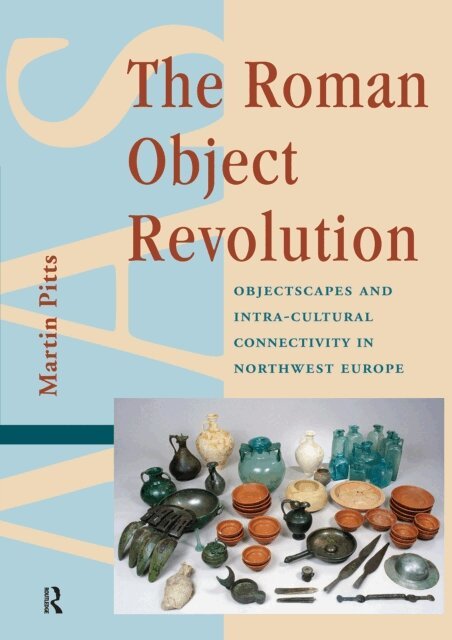
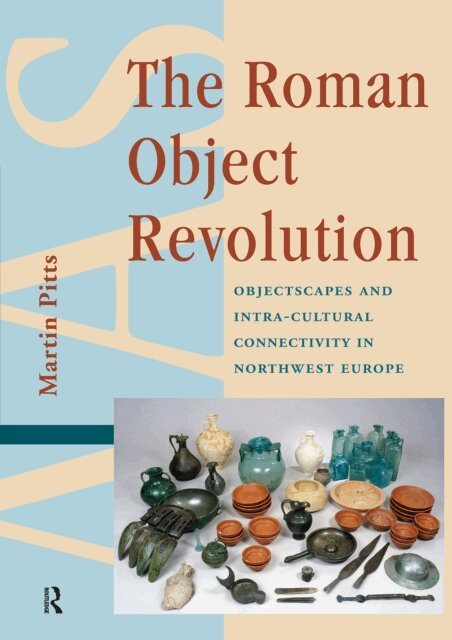
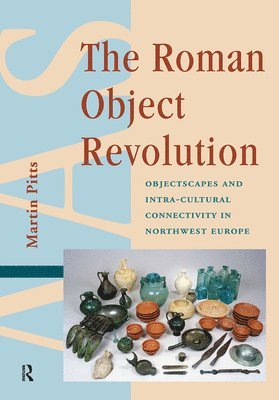
Roman Object Revolution
Objectscapes and Intra-Cultural Connectivity in Northwest Europe
Häftad, Engelska, 2025
648 kr
Skickas inom 10-15 vardagar
Archaeologists working in northwest Europe have long remarked on the sheer quantity and standardisation of objects unearthed from the Roman period, especially compared with earlier eras. What was the historical significance of this boom in standardised objects? With a wide and ever-changing spectrum of innovative objects and styles to choose from, to what extent did the choices made by people in the past really matter? To answer these questions, this book sheds new light on the make-up of late Iron Age and early Roman ‘objectscapes’, through an examination of the circulation and selections of thousands of standardised pots, brooches, and other objects, with emphasis on funerary repertoires, c. 100 bc-ad 100. Breaking with the national frameworks that inform artefact research in much ‘provincial’ Roman archaeology, the book tests the idea that marked increases in the movement of people and objects fostered pan-regional culture(s) and transformed societies. Using a rich database of cemeteries and settlements spanning a swathe of northwest Europe, including southern Britannia, Gallia Belgica, and Germania Inferior, the study extensively applies multivariate statistics (such as Correspondence Analysis) to examine the roles of objects in an ever-changing and richly complex cultural milieu.
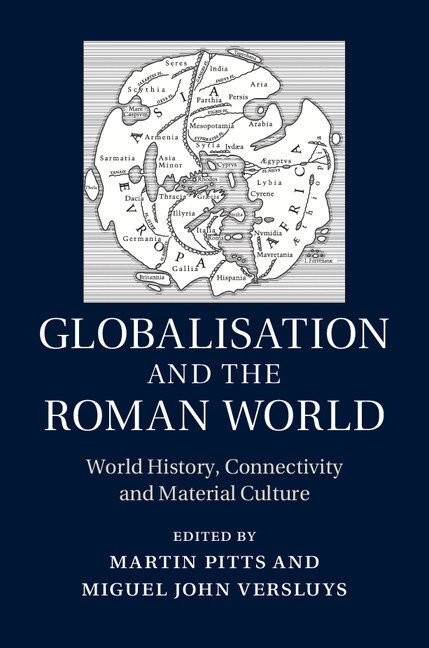
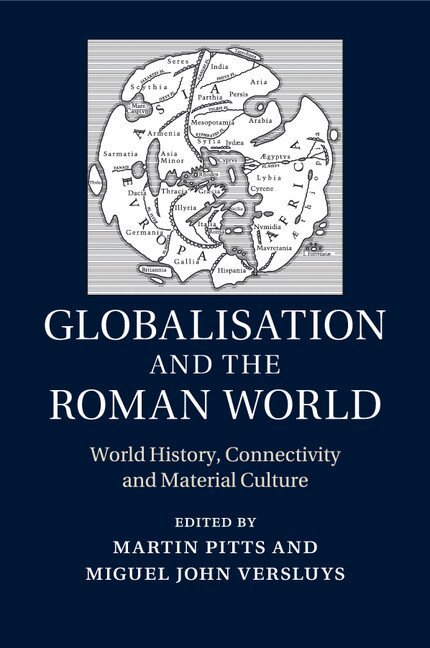
Globalisation and the Roman World
World History, Connectivity and Material Culture
Inbunden, Engelska, 2014
1 282 kr
Skickas inom 7-10 vardagar
This book explores a new perspective for understanding the Roman world, using connectivity as a major point of departure. Globalisation is apparent in increased flows of objects, people and ideas and in the creation of translocal consciousness in everyday life. Based on these criteria, there is a case for globalisation in the ancient Roman world. Essential for anyone interested in Romanisation, this volume provides the first sustained critical exploration of globalisation theories in Roman archaeology and history. It is written by an international group of scholars who address a broad range of subjects, including Roman imperialism, economics, consumption, urbanism, migration, visual culture and heritage. The contributors explore the implications of understanding material culture in an interconnected Roman world, highlighting several novel directions for future research.
Globalisation and the Roman World
World History, Connectivity and Material Culture
Häftad, Engelska, 2016
441 kr
Skickas inom 7-10 vardagar
This book explores a new perspective for understanding the Roman world, using connectivity as a major point of departure. Globalisation is apparent in increased flows of objects, people and ideas and in the creation of translocal consciousness in everyday life. Based on these criteria, there is a case for globalisation in the ancient Roman world. Essential for anyone interested in Romanisation, this volume provides the first sustained critical exploration of globalisation theories in Roman archaeology and history. It is written by an international group of scholars who address a broad range of subjects, including Roman imperialism, economics, consumption, urbanism, migration, visual culture and heritage. The contributors explore the implications of understanding material culture in an interconnected Roman world, highlighting several novel directions for future research.
Del 3 - University of Cambridge Museum of Classical Archaeology Monographs
Materialising Roman Histories
Häftad, Engelska, 2017
760 kr
Tillfälligt slut
The Roman period witnessed massive changes in the human-material environment, from monumentalised cityscapes to standardised low-value artefacts like pottery. This book explores new perspectives to understand this Roman ‘object boom’ and its impact on Roman history. In particular, the book’s international contributors question the traditional dominance of ‘representation’ in Roman archaeology, whereby objects have come to stand for social phenomena such as status, facets of group identity, or notions like Romanisation and economic growth. Drawing upon the recent material turn in anthropology and related disciplines, the essays in this volume examine what it means to materialise Roman history, focusing on the question of what objects do in history, rather than what they represent. In challenging the dominance of representation, and exploring themes such as the impact of standardisation and the role of material agency, Materialising Roman History is essential reading for anyone studying material culture from the Roman world (and beyond).
Del 27 - Amsterdam Archaeological Studies
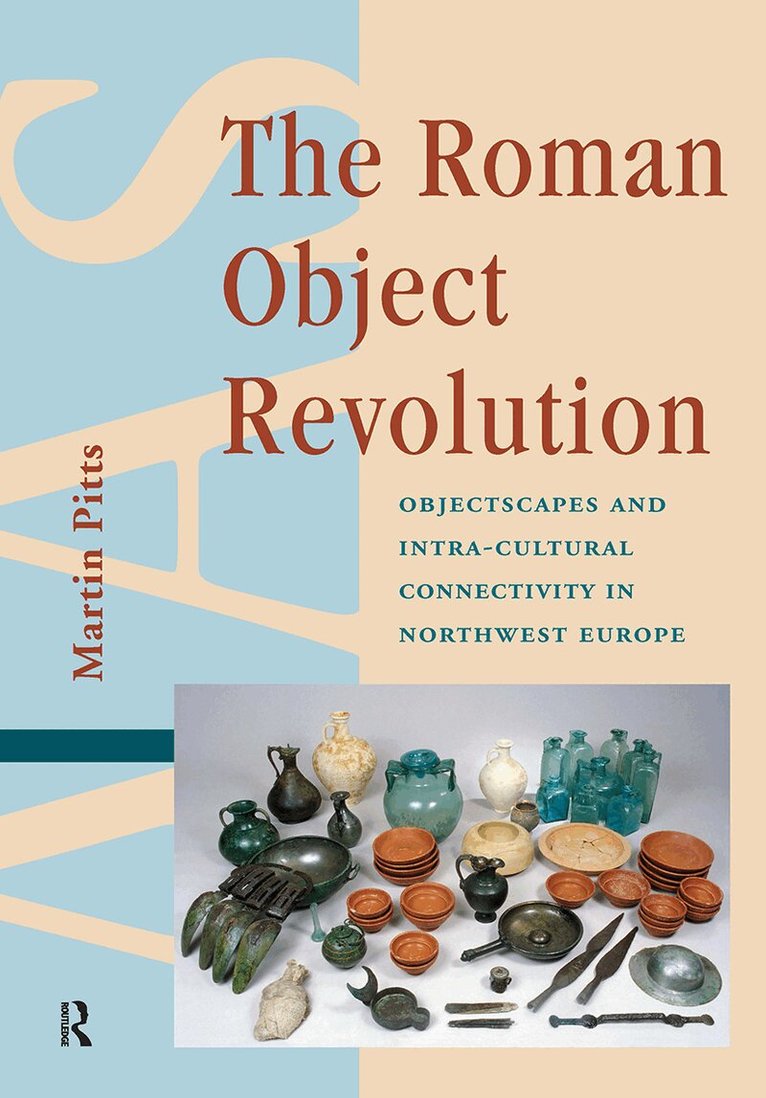
Roman Object Revolution
Objectscapes and Intra-Cultural Connectivity in Northwest Europe
Inbunden, Engelska, 2018
1 818 kr
Skickas inom 10-15 vardagar
Archaeologists working in northwest Europe have long remarked on the sheer quantity and standardisation of objects unearthed from the Roman period, especially compared with earlier eras. What was the historical significance of this boom in standardised objects? With a wide and ever-changing spectrum of innovative objects and styles to choose from, to what extent did the choices made by people in the past really matter? To answer these questions, this book sheds new light on the make-up of late Iron Age and early Roman ‘objectscapes’, through an examination of the circulation and selections of thousands of standardised pots, brooches, and other objects, with emphasis on funerary repertoires, c. 100 bc-ad 100. Breaking with the national frameworks that inform artefact research in much ‘provincial’ Roman archaeology, the book tests the idea that marked increases in the movement of people and objects fostered pan-regional culture(s) and transformed societies. Using a rich database of cemeteries and settlements spanning a swathe of northwest Europe, including southern Britannia, Gallia Belgica, and Germania Inferior, the study extensively applies multivariate statistics (such as Correspondence Analysis) to examine the roles of objects in an ever-changing and richly complex cultural milieu.