Marvin Kalb – författare
Visar alla böcker från författaren Marvin Kalb. Handla med fri frakt och snabb leverans.
18 produkter
Haunting Legacy
Vietnam and the American Presidency from Ford to Obama
E-bok, 2011
355 kr
Lägg i varukorg
The United States had never lost a warthat is, until 1975, when it was forced to flee Saigon in humiliation after losing to what Lyndon Johnson called a "raggedy-ass little fourth-rate country." The legacy of this first defeat has haunted every president since, especially on the decision of …
Haunting Legacy
Vietnam and the American Presidency from Ford to Obama
Häftad, 2012
313 kr
Lägg i varukorg
The United States had never lost a warthat is, until 1975, when it was forced to flee Saigon in humiliation after losing to what Lyndon Johnson called a "raggedy-ass little fourth-rate country." The legacy of this first defeat has haunted every president since, especially on the decision of …
Haunting Legacy
Vietnam and the American Presidency from Ford to Obama
E-bok, 2012
330 kr
Lägg i varukorg
The United States had never lost a warthat is, until 1975, when it was forced to flee Saigon in humiliation after losing to what Lyndon Johnson called a "raggedy-ass little fourth-rate country." The legacy of this first defeat has haunted every president since, especially on the decision of …
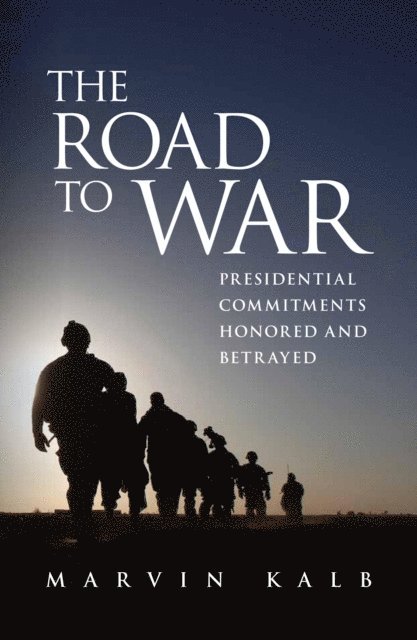
Road to War
Presidential Commitments Honored and Betrayed
Av Marvin Kalb
E-bok, 2013
405 kr
Lägg i varukorg
Not since Pearl Harbor has an American president gone to Congress to request a declaration of war. Nevertheless, since then, one president after another, from Truman to Obama, has ordered American troops into wars all over the world. From Korea to Vietnam, Panama to Grenada, Lebanon to Bosnia, …
Imperial Gamble
Putin, Ukraine, and the New Cold War
Av Marvin Kalb
Inbunden, 2015
459 kr
Lägg i varukorg
Marvin Kalb, a former journalist and Harvard professor, traces how the Crimea of Catherine the Great became a global tinder box. The world was stunned when Vladimir Putin invaded and seized Crimea in March 2014. In the weeks that followed, pro-Russian rebels staged uprisings in southeastern …
Imperial Gamble
Putin, Ukraine, and the New Cold War
Av Marvin Kalb
E-bok, 2015
499 kr
Lägg i varukorg
Marvin Kalb, a former journalist and Harvard professor, traces how the Crimea of Catherine the Great became a global tinder box. The world was stunned when Vladimir Putin invaded and seized Crimea in March 2014. In the weeks that followed, pro-Russian rebels staged uprisings in southeastern …
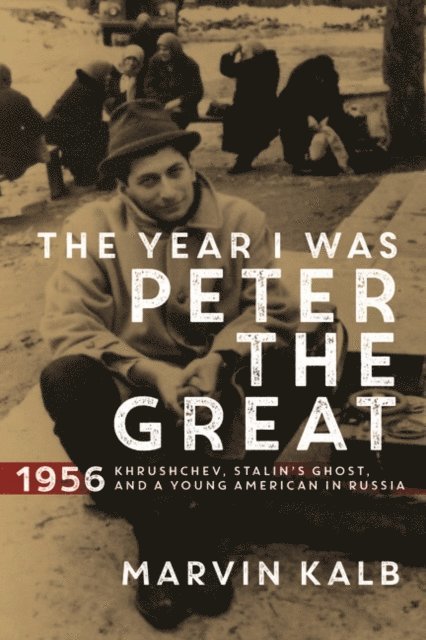
Year I Was Peter the Great
1956—Khrushchev, Stalin’s Ghost, and a Young American in Russia
Av Marvin Kalb
E-bok, 2017
291 kr
Lägg i varukorg
A chronicle of the year that changed Soviet Russiaand molded the future path of one of America's pre-eminent diplomatic correspondents 1956 was an extraordinary year in modern Russian history. It was called the year of the thawa time when Stalin''s dark legacy of dictatorship died in February …
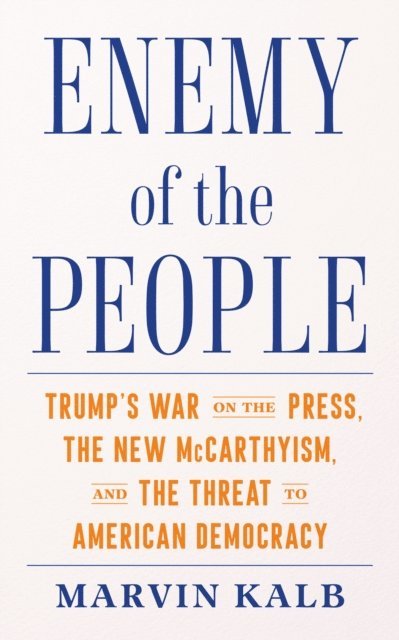
Enemy of the People
Trump'S War on the Press, the New Mccarthyism, and the Threat to American Democracy
Av Marvin Kalb
E-bok, 2018
265 kr
Lägg i varukorg
Shortly after assuming office in January 2017, President Donald Trump accused the press of being an enemy of the American people. Attacks on the media had been a hallmark of Trump''s presidential campaign, but this charge marked a dramatic turning point: language like this ventured into dangerous …
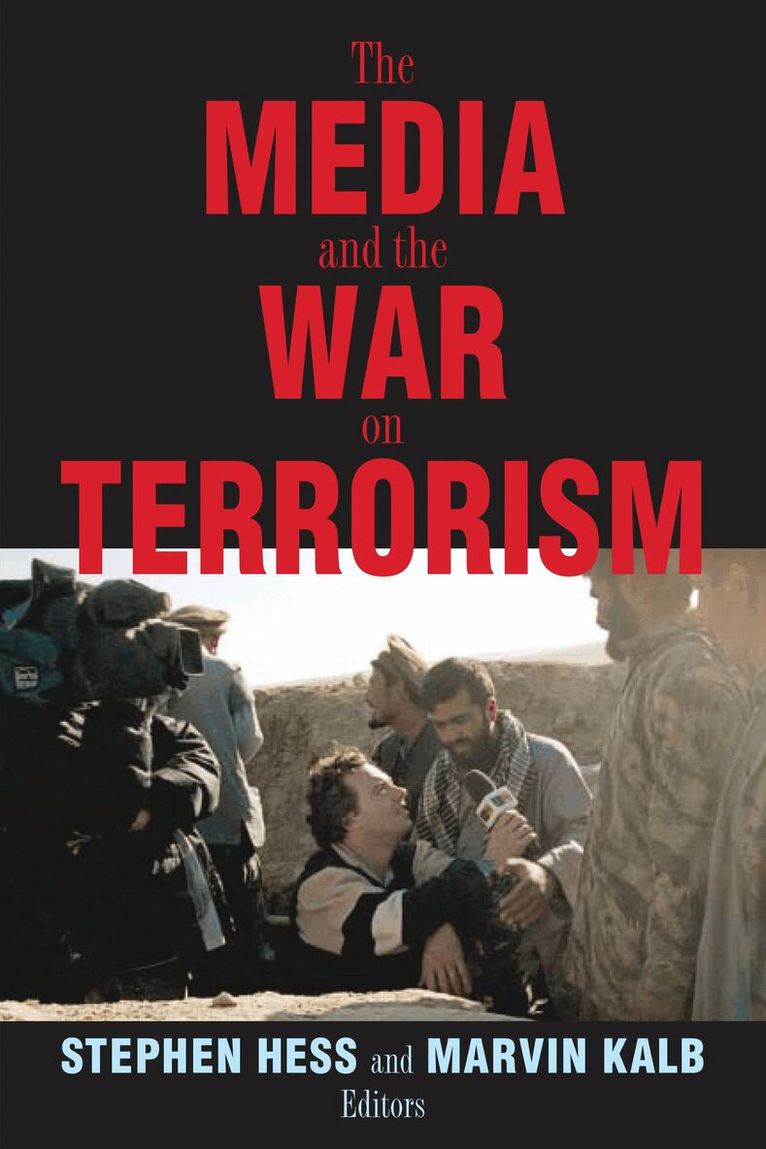
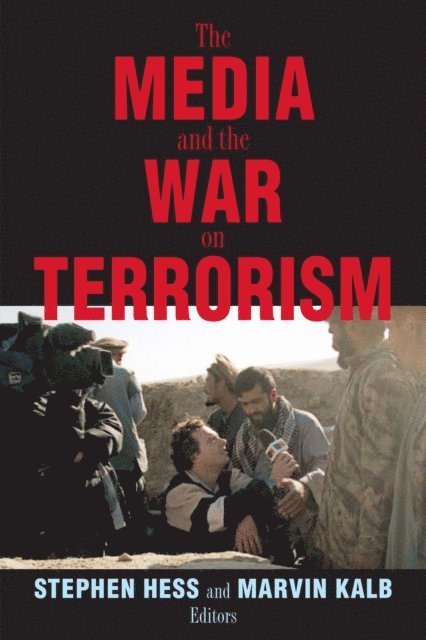
Media and the War on Terrorism
Häftad, 2003
318 kr
Lägg i varukorg
These candid conversations capture the difficulties of reporting during crisis and war, particularly the tension between government and the press. The participants include distinguished journalistsAmerican and foreign, print and broadcastand prominent public officials, past and present. They …
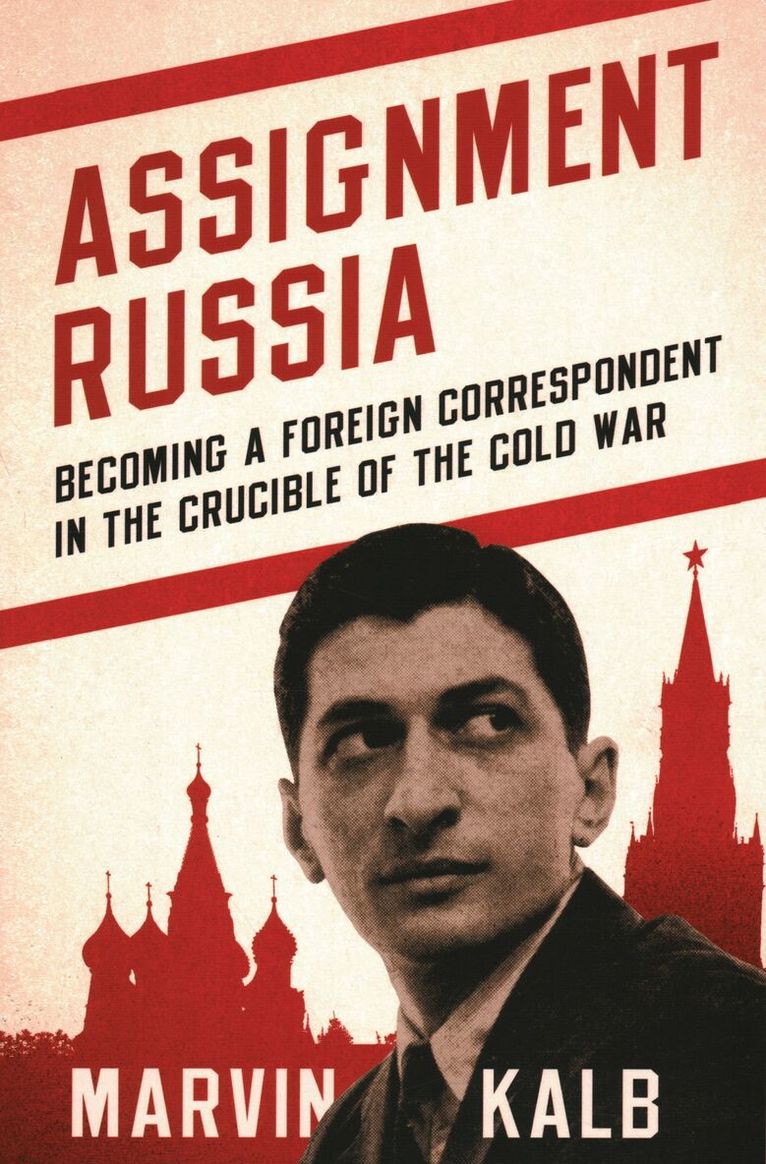
Assignment Russia
Becoming a Foreign Correspondent in the Crucible of the Cold War
Av Marvin Kalb
Inbunden, 2021
281 kr
Lägg i varukorg
A personal journey through some of the darkest moments of the cold war and the early days of television newsMarvin Kalb, the award-winning journalist who has written extensively about the world he reported on during his long career, now turns his eye on the young man who became that journalist. …
Assignment Russia
Becoming a Foreign Correspondent in the Crucible of the Cold War
Av Marvin Kalb
E-bok, 2021
315 kr
Lägg i varukorg
A personal journey through some of the darkest moments of the cold war and the early days of television news Marvin Kalb, the award-winning journalist who has written extensively about the world he reported on during his long career, now turns his eye on the young man who became that journalist. …
Media and the War on Terrorism
E-bok, 2003
353 kr
Lägg i varukorg
These candid conversations capture the difficulties of reporting during crisis and war, particularly the tension between government and the press. The participants include distinguished journalistsAmerican and foreign, print and broadcastand prominent public officials, past and present. They …
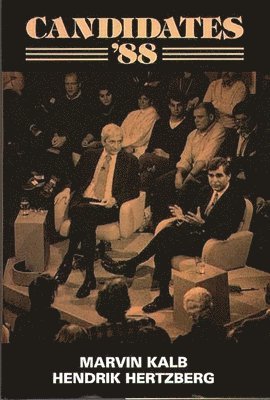
Candidates '88
Av Marvin Kalb, Hendrik Hertzberg
Inbunden, 1988
1066 kr
Lägg i varukorg
The process of nominating two persons who will ultimately compete for the presidency is long, complicated, exhausting, and expensive. The 1988 presidential primary campaigns were no exception, as Democratic and Republican candidates spent countless hours and millions of dollars to win votes and …
One Scandalous Story
Clinton, Lewinsky, and Thirteen Days That Tarnished American Journalism
Av Marvin Kalb
Häftad, 2007
212 kr
Lägg i varukorg
In 1963 Marvin Kalb observed the Secret Service escorting an attractive woman into a hotel for what was most likely a rendezvous with President Kennedy. Kalb, then a news correspondent for CBS, didn't consider the incident newsworthy. Thirty-five years later, Kalb watched in dismay as the press …
One Scandalous Story
Clinton, Lewinsky, and Thirteen Days That Tarnishe
Av Marvin Kalb
E-bok, 2010
213 kr
Lägg i varukorg
In 1963 Marvin Kalb observed the Secret Service escorting an attractive woman into a hotel for what was most likely a rendezvous with President Kennedy. Kalb, then a news correspondent for CBS, didn''t consider the incident newsworthy. Thirty-five years later, Kalb watched in dismay as the press …
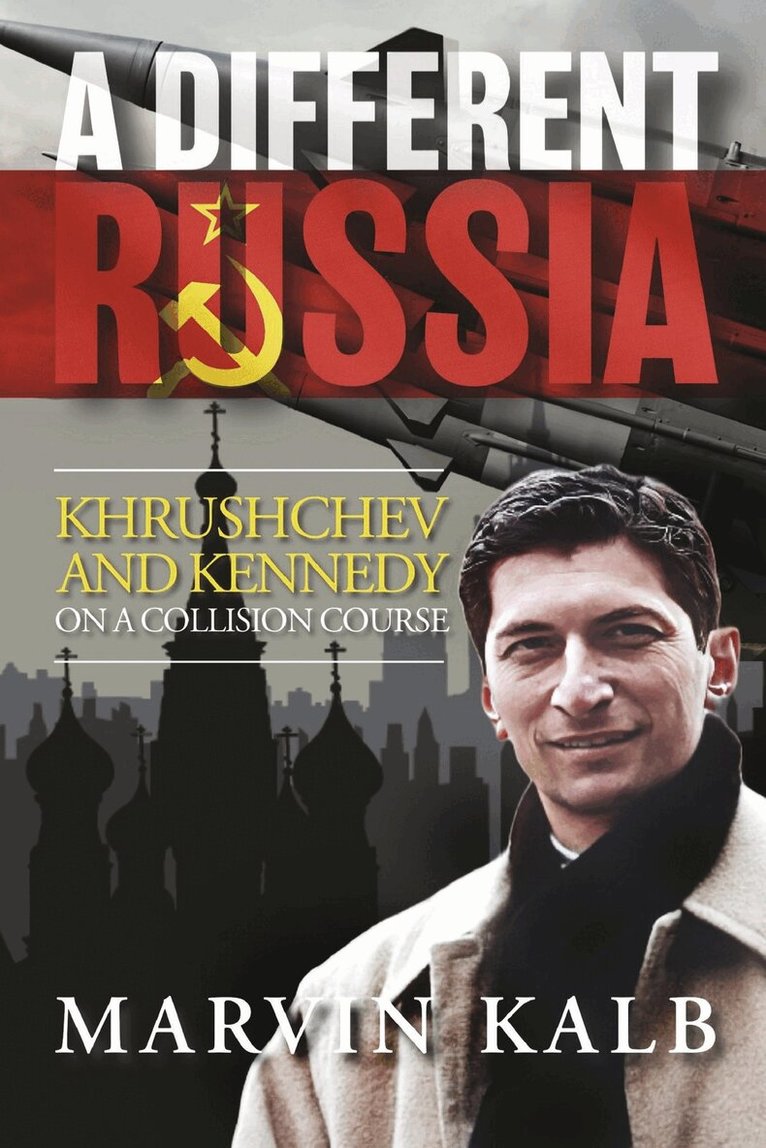
Different Russia
Khrushchev and Kennedy on a Collision Course
Av Marvin Kalb
Häftad, 2025
217 kr
Lägg i varukorg
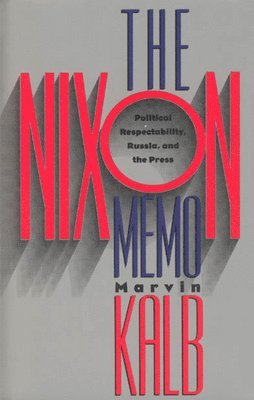
Nixon Memo
Political Respectability, Russia, and the Press
Av Marvin Kalb
Inbunden, 1994
202 kr
Tillfälligt slut
This is a case study of Richard Nixon's relentless quest for political rehabilitation. At issue is the key role he played during his final years in the post-Cold War debate about aiding Russia. The story begins on March 10, 1992. Nixon had written a private memo critical of George Bush's policy …