Mary Ann Doane – författare
Visar alla böcker från författaren Mary Ann Doane. Handla med fri frakt och snabb leverans.
9 produkter
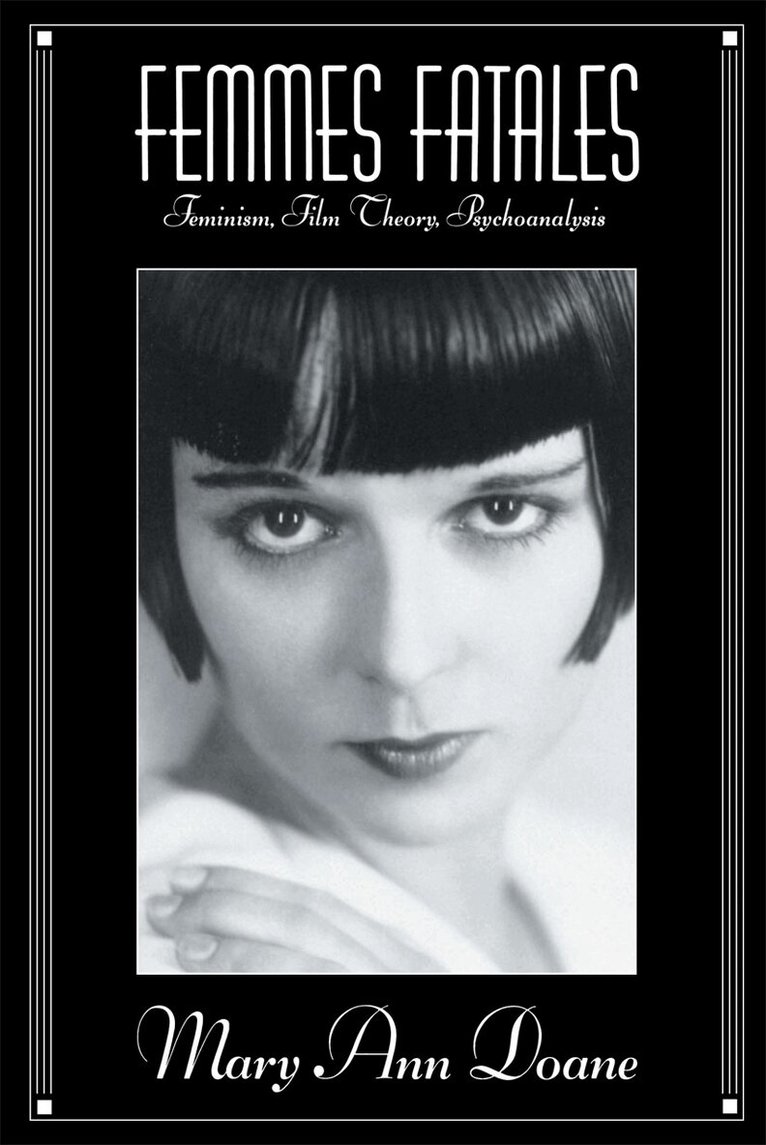
Femmes Fatales
Häftad, 1991
634 kr
Lägg i varukorg
In this work of feminist film criticism, Mary Ann Doane examines questions of sexual difference and knowledge in cinematic, theoretical, and psychoanalytic discourses. "Femmes Fatales" examines Freud, the female spectator, the meaning of the close-up, and the nature of stardom. Doane's analyses of …
Emergence of Cinematic Time
Modernity, Contingency, the Archive
Häftad, 2002
398 kr
Lägg i varukorg
Hailed as the permanent record of fleeting moments, the cinema emerged at the turn of the nineteenth century as an unprecedented means of capturing time--and this at a moment when disciplines from physics to philosophy, and historical trends from industrialization to the expansion of capitalism, …
Femmes Fatales
E-bok, 2013
724 kr
Lägg i varukorg
In this work of feminist film criticism, Mary Ann Doane examines questions of sexual difference and knowledge in cinematic, theoretical, and psychoanalytic discourses. "Femmes Fatales" examines Freud, the female spectator, the meaning of the close-up, and the nature of stardom. Doane''s analyses of …
Femmes Fatales
E-bok, 2013
724 kr
Lägg i varukorg
In this work of feminist film criticism, Mary Ann Doane examines questions of sexual difference and knowledge in cinematic, theoretical, and psychoanalytic discourses. "Femmes Fatales" examines Freud, the female spectator, the meaning of the close-up, and the nature of stardom. Doane''s analyses of …
Femmes Fatales
Inbunden, 2016
2445 kr
Lägg i varukorg
In this work of feminist film criticism, Mary Ann Doane examines questions of sexual difference and knowledge in cinematic, theoretical, and psychoanalytic discourses. "Femmes Fatales" examines Freud, the female spectator, the meaning of the close-up, and the nature of stardom. Doane's analyses of …
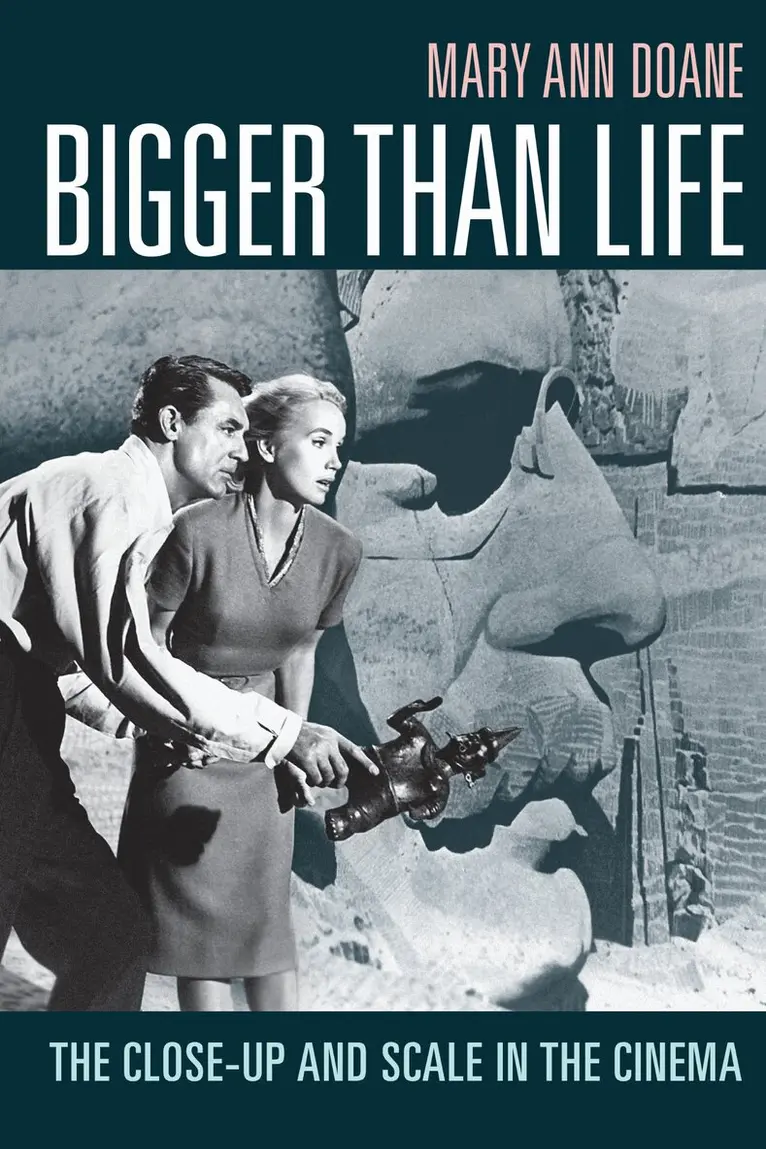
Bigger Than Life
The Close-Up and Scale in the Cinema
Inbunden, 2022
1215 kr
Lägg i varukorg
In Bigger Than Life Mary Ann Doane examines how the scalar operations of cinema, especially those of the close-up, disturb and reconfigure the spectator's sense of place, space, and orientation. Doane traces the history of scalar transformations from early cinema to the contemporary use of digital …
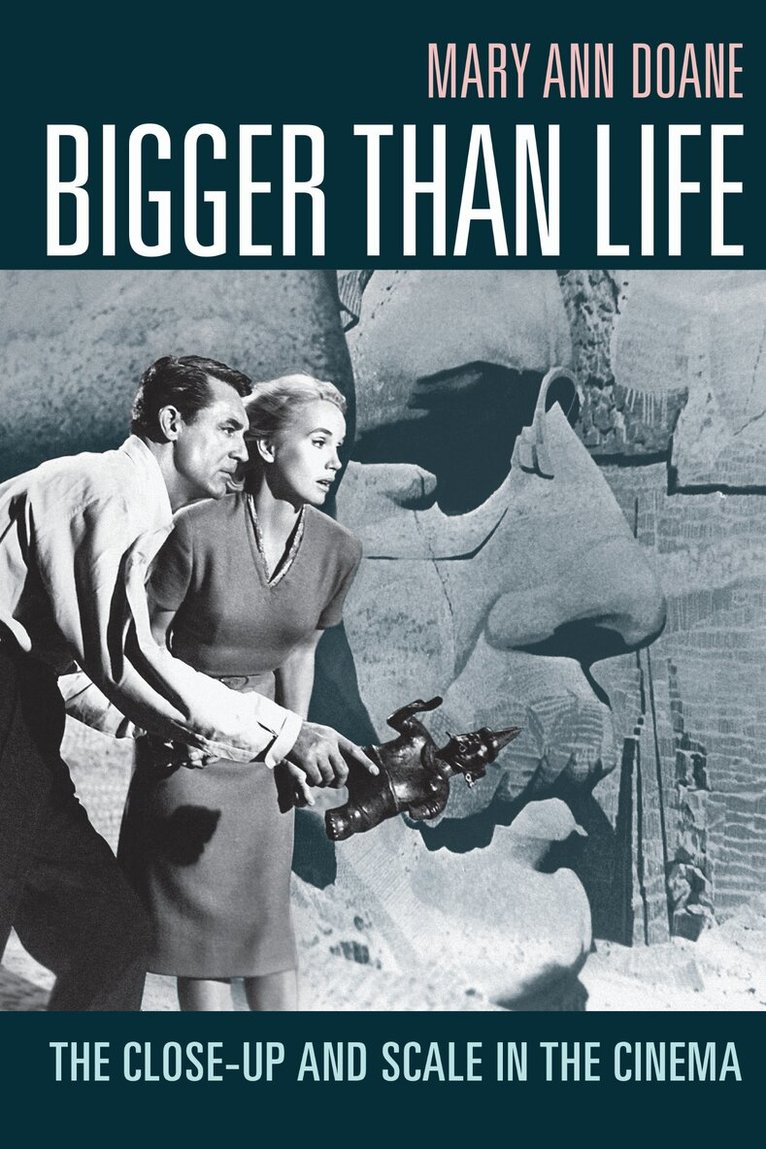
Bigger Than Life
The Close-Up and Scale in the Cinema
Häftad, 2022
330 kr
Lägg i varukorg
In Bigger Than Life Mary Ann Doane examines how the scalar operations of cinema, especially those of the close-up, disturb and reconfigure the spectator's sense of place, space, and orientation. Doane traces the history of scalar transformations from early cinema to the contemporary use of digital …
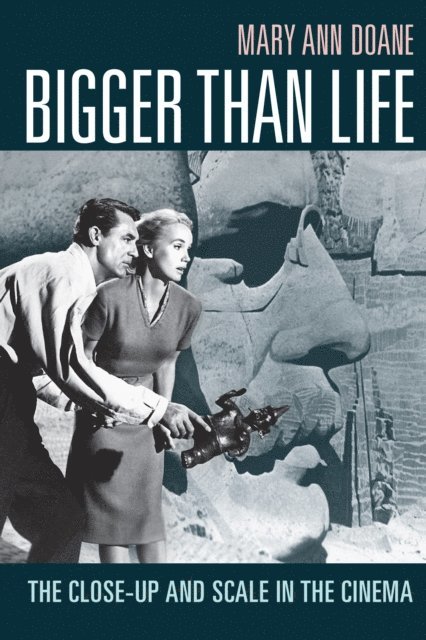
Bigger Than Life
The Close-Up and Scale in the Cinema
E-bok, 2021
489 kr
Lägg i varukorg
In Bigger Than Life Mary Ann Doane examines how the scalar operations of cinema, especially those of the close-up, disturb and reconfigure the spectator''s sense of place, space, and orientation. Doane traces the history of scalar transformations from early cinema to the contemporary use of digital …
Zeitschrift für Medienwissenschaft 35
Av Gesellschaft Für Medienwissenschaft, Ulrike Bergermann m. fl.
Häftad, 2026
285 kr
Lägg i varukorg