Mary C. Wright - Böcker
Visar alla böcker från författaren Mary C. Wright. Handla med fri frakt och snabb leverans.
7 produkter
7 produkter
1 027 kr
Tillfälligt slut
How faculty and administrators at research universities can create a shared sense of values.In surveys, research university faculty often report that they value teaching more than their departments do. This incongruence holds implications for job satisfaction, stress, time spent on teaching, organizational continuity, and even student evaluations. Using an interactionist view of organizations, Mary C. Wright examines the reasons for this lack of agreement between the individual's values and perceptions of organizational leaders' views. She also examines departments in which there is a consensus about the value of teaching, specifically how formal policies, social networks around teaching, and chair leadership can offer an alternative work environment, or a culture of congruence around instruction. The practices and organizational arrangements of these departments offer lessons for administrators, faculty, and faculty developers who wish to create universities conducive to instructional enhancement. Because this book features extensive case studies of science departments, it also holds implications for those interested in constructing productive work environments and enhancing student learning in STEM (science, technology, engineering, and mathematics) fields.
346 kr
Tillfälligt slut
How faculty and administrators at research universities can create a shared sense of values.In surveys, research university faculty often report that they value teaching more than their departments do. This incongruence holds implications for job satisfaction, stress, time spent on teaching, organizational continuity, and even student evaluations. Using an interactionist view of organizations, Mary C. Wright examines the reasons for this lack of agreement between the individual's values and perceptions of organizational leaders' views. She also examines departments in which there is a consensus about the value of teaching, specifically how formal policies, social networks around teaching, and chair leadership can offer an alternative work environment, or a culture of congruence around instruction. The practices and organizational arrangements of these departments offer lessons for administrators, faculty, and faculty developers who wish to create universities conducive to instructional enhancement. Because this book features extensive case studies of science departments, it also holds implications for those interested in constructing productive work environments and enhancing student learning in STEM (science, technology, engineering, and mathematics) fields.
2 029 kr
Skickas inom 10-15 vardagar
Drawing on the authors’ extensive experience and robust survey data, this critical resource unpacks the inner workings of one of the most powerful mechanisms for improving teaching and learning in higher education: the course design institute (CDI).CDIs are intensive, often multi-day facilitated experiences where instructors design or redesign a course based on learning-focused and equity-minded teaching and learning principles. This resource offers a comprehensive introduction to CDIs, discussing both key elements and why they are worth the time and investment to design, implement, and assess. The chapters cover the values, structures, and approaches that designers use to develop CDIs, along with evidence of their transformative impact on instructors and institutional teaching cultures. The book also provides institutional leaders the rationale and evidence needed to support investment decisions.Developing High-Impact Course Design Institutes is a playbook providing educational developers with the critical background knowledge and vetted direction needed to launch or refine their own CDIs.
494 kr
Skickas inom 10-15 vardagar
Drawing on the authors’ extensive experience and robust survey data, this critical resource unpacks the inner workings of one of the most powerful mechanisms for improving teaching and learning in higher education: the course design institute (CDI).CDIs are intensive, often multi-day facilitated experiences where instructors design or redesign a course based on learning-focused and equity-minded teaching and learning principles. This resource offers a comprehensive introduction to CDIs, discussing both key elements and why they are worth the time and investment to design, implement, and assess. The chapters cover the values, structures, and approaches that designers use to develop CDIs, along with evidence of their transformative impact on instructors and institutional teaching cultures. The book also provides institutional leaders the rationale and evidence needed to support investment decisions.Developing High-Impact Course Design Institutes is a playbook providing educational developers with the critical background knowledge and vetted direction needed to launch or refine their own CDIs.
2 029 kr
Skickas inom 10-15 vardagar
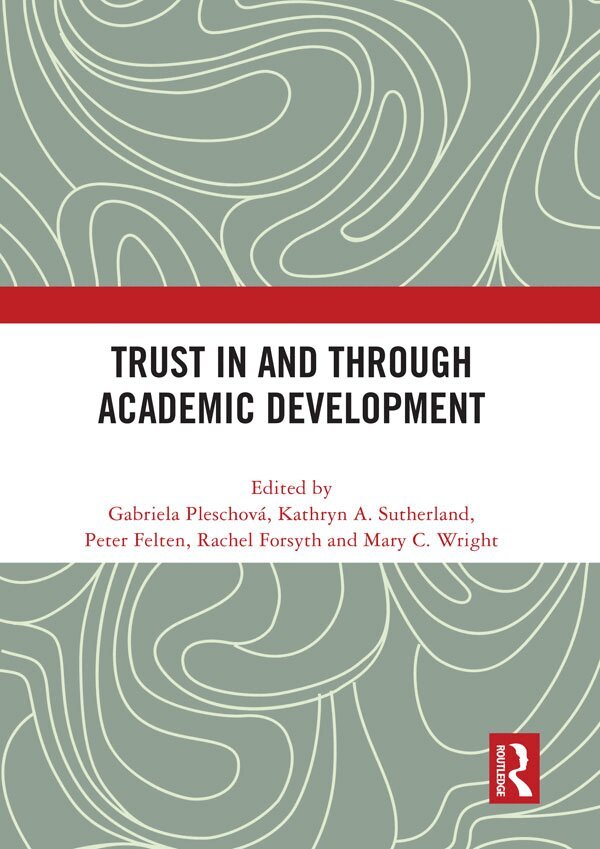
Trust matters in higher education, yet it is often taken for granted. This book shows how trust—between students and teachers, faculty and academic developers, or individuals and institutions—shapes the ways we teach, learn, and work together.Drawing on fresh research and first-hand accounts from across the world, this book reveals that trust is not static but a dynamic, reciprocal process. It is cultivated gradually through care, credibility, and openness, and it enables people to share vulnerabilities, take risks, and imagine new possibilities for teaching and learning. Contributors explore trust at many levels: in the classroom, in academic development programmes, and within wider institutional and cultural contexts. They demonstrate how trust allows people to share vulnerabilities, engage in honest conversations, and take risks that lead to more inclusive and effective teaching. At the same time, they address the challenges of mistrust and the work required to establish trustworthy practices and structures.Accessible and thought-provoking, this book offers valuable insights for anyone interested in the human relationships at the heart of higher education. It makes a compelling case that trust-building is not optional but integral to effective teaching, meaningful learning, and transformative academic development.This book was originally published as a special issue of International Journal for Academic Development.
414 kr
Skickas inom 7-10 vardagar
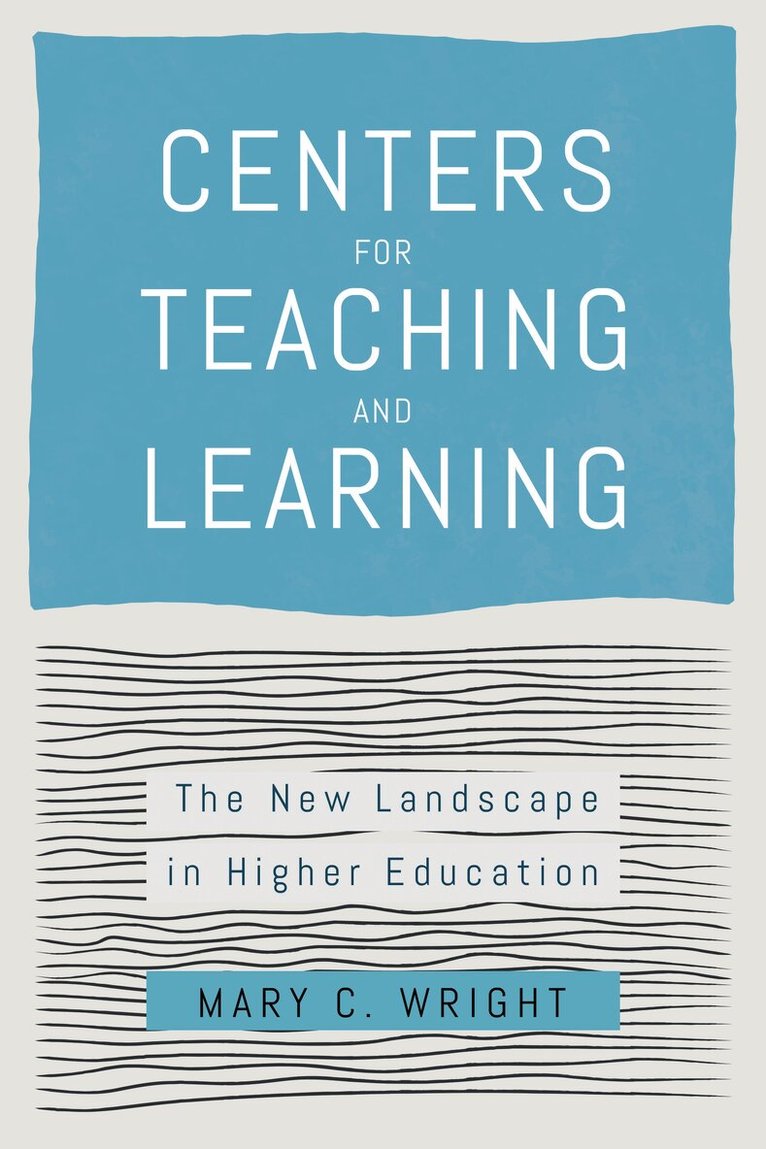
An in-depth look at Centers for Teaching and Learning and their profound impact on US higher education.Centers for Teaching and Learning (CTLs) are important change agents on campus with strategies that are unique and impactful—but sometimes unarticulated or misaligned. In this wide-ranging book, Mary C. Wright maps the landscape of 1,200+ CTLs in the United States through a unique approach: by conducting complex web searches to identify and categorize CTLs, then examining the wealth of information that is available on these institutions' own websites. The data she uncovers reveal important insights into CTLs' strategies and operations and offer a fuller picture of the impact these centers are making on US higher education as a whole. Drawing from this web-based methodology, as well as interviews with CTL leaders and staff, Wright provides a broad picture of educational development in the United States and examines trends in what CTLs aim to accomplish, key strategies for reaching these goals, programs and services they offer, and their impacts on campuses. She also explores new organizational mandates for CTLs, including ones involving instructional technology and online learning, assessment, writing, service learning and community engagement, and career and leadership development. In response to increased constituency sizes and expanding missions and mandates, she notes, centers are also incorporating new faculty and student engagement structures.Key chapters focus on goals and theories of change, program types and exemplars, organizational structures, assessment and evaluation practices, and emerging trends. Offering guidelines for effective strategic leadership, Centers for Teaching and Learning documents the growth of this important organizational unit in US higher education and explains the role these centers play in supporting operational needs, strategic aims, and organizational change.
514 kr
Kommande
Charting the future of educational development and Centers for Teaching and Learning.Over the past two decades, educational development has become central to how colleges and universities pursue teaching excellence, student success, and institutional change. In Educational Development in an Age of Change, Mary C. Wright, Tracie Marcella Addy, Bret Eynon, and Jaclyn Rivard present the most comprehensive survey of US educational developers to date, tracing how the field has evolved and where it is headed next. Based on responses from 550 educational developers and senior leaders across a wide range of institutional types—including community colleges and Minority-Serving Institutions—the book revisits and extends landmark national studies from 2006 and 2016. Tracking change over time, the authors examine who educational developers are, how centers for teaching and learning are structured and resourced, what initiatives they prioritize, and how they assess their impact. They give particular attention to strategic vision and theories of change: How do educational developers understand their role in advancing student learning? How do they navigate political pressures, shifting priorities around diversity and equity, the rise of generative AI, and ongoing questions about the value of higher education? Keeping issues of systemic inequity clearly in mind, they ask: Where are centers flourishing, where do gaps persist, and how can campus and system leaders better support these important resources? Combining longitudinal data with analysis of emerging trends, the book documents both continuity and transformation in the profession. It identifies signature programs, growing areas of emphasis such as community building and peer review, and the organizational conditions that enable educational development to influence campus-wide change. Essential reading for center directors, educational developers, senior academic leaders, and scholars of higher education, this book offers a detailed map of a profession that now plays a pivotal role in shaping the future of colleges and universities.