Mary E. Barnard – författare
Visar alla böcker från författaren Mary E. Barnard. Handla med fri frakt och snabb leverans.
13 produkter
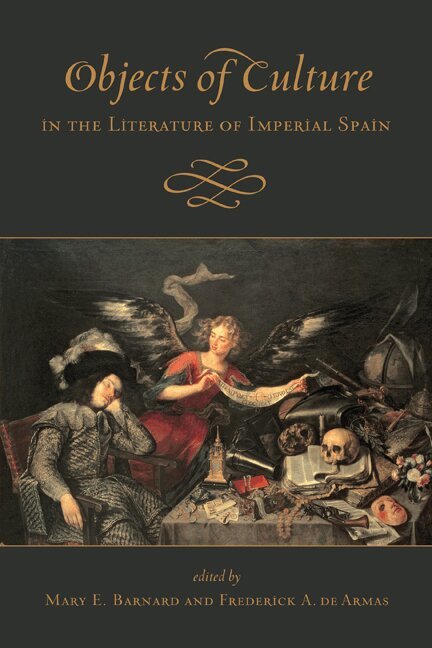
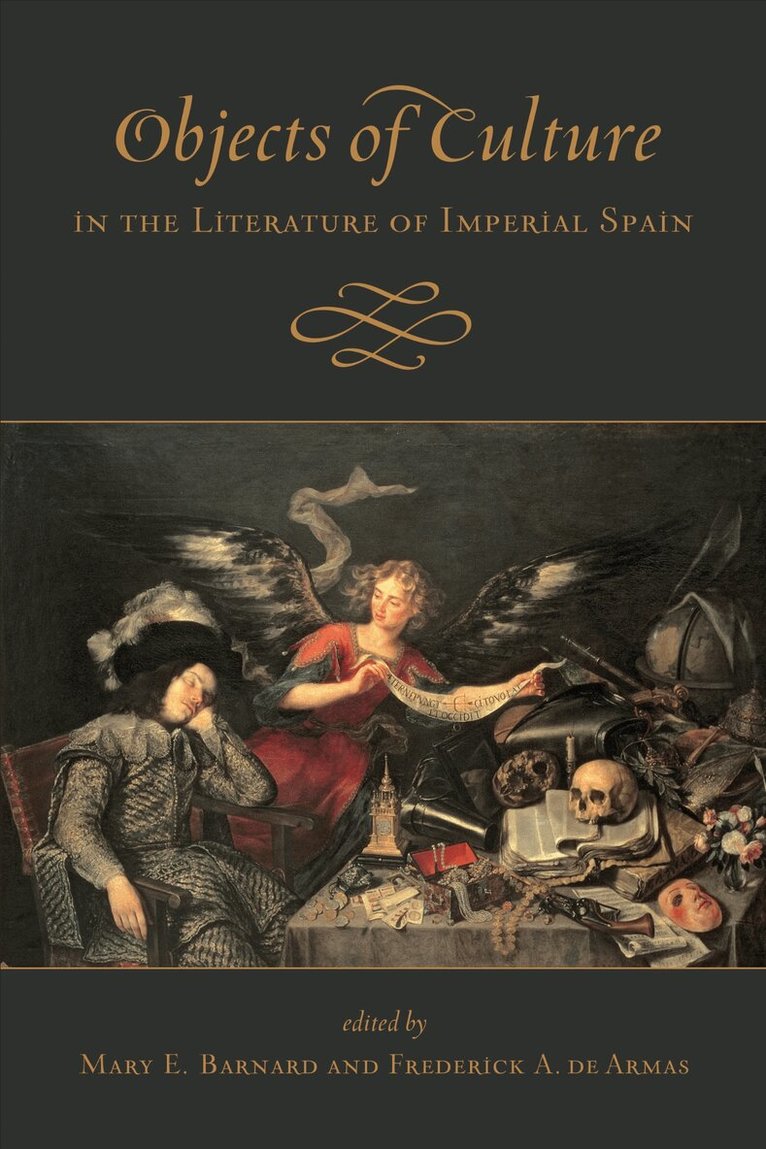
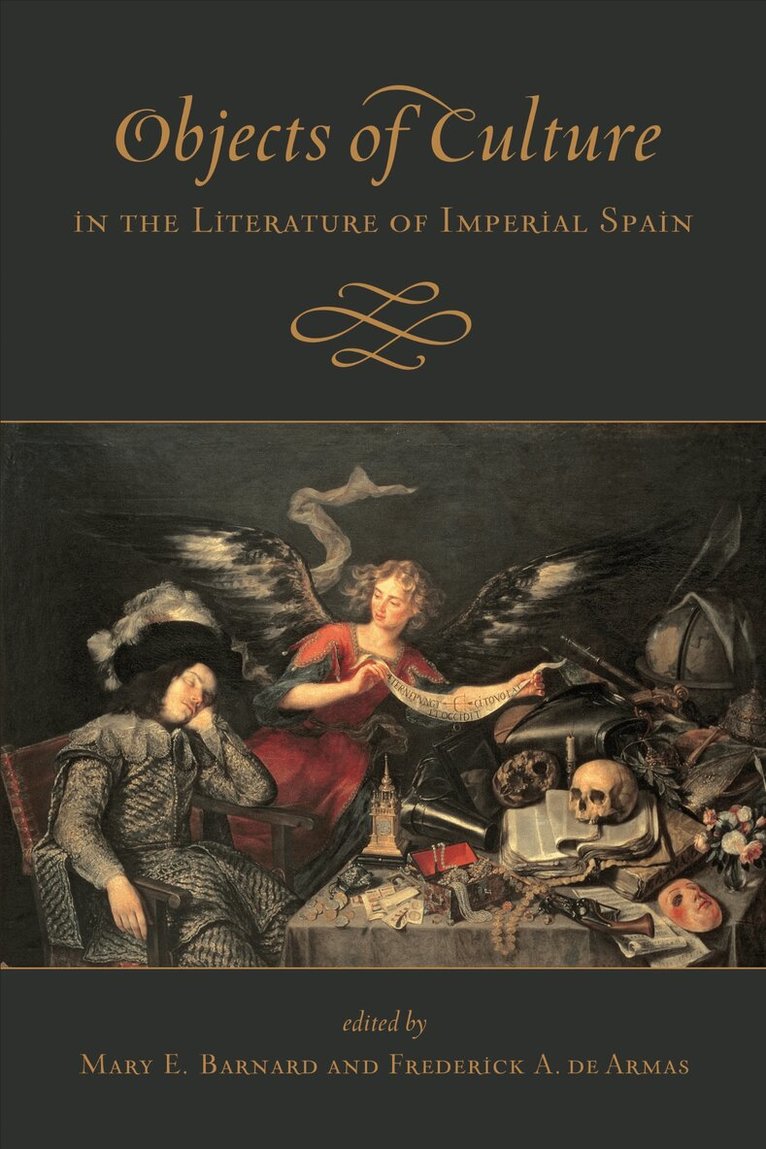
Objects of Culture in the Literature of Imperial Spain
Av Mary E. Barnard, Frederick A. de Armas
Inbunden, 2013
945 kr
Lägg i varukorg
Collecting and displaying finely crafted objects was a mark of character among the royals and aristocrats in Early Modern Spain: it ranked with extravagant hospitality as a sign of nobility and with virtue as a token of princely power. Objects of Culture in the Literature of Imperial Spain explores …
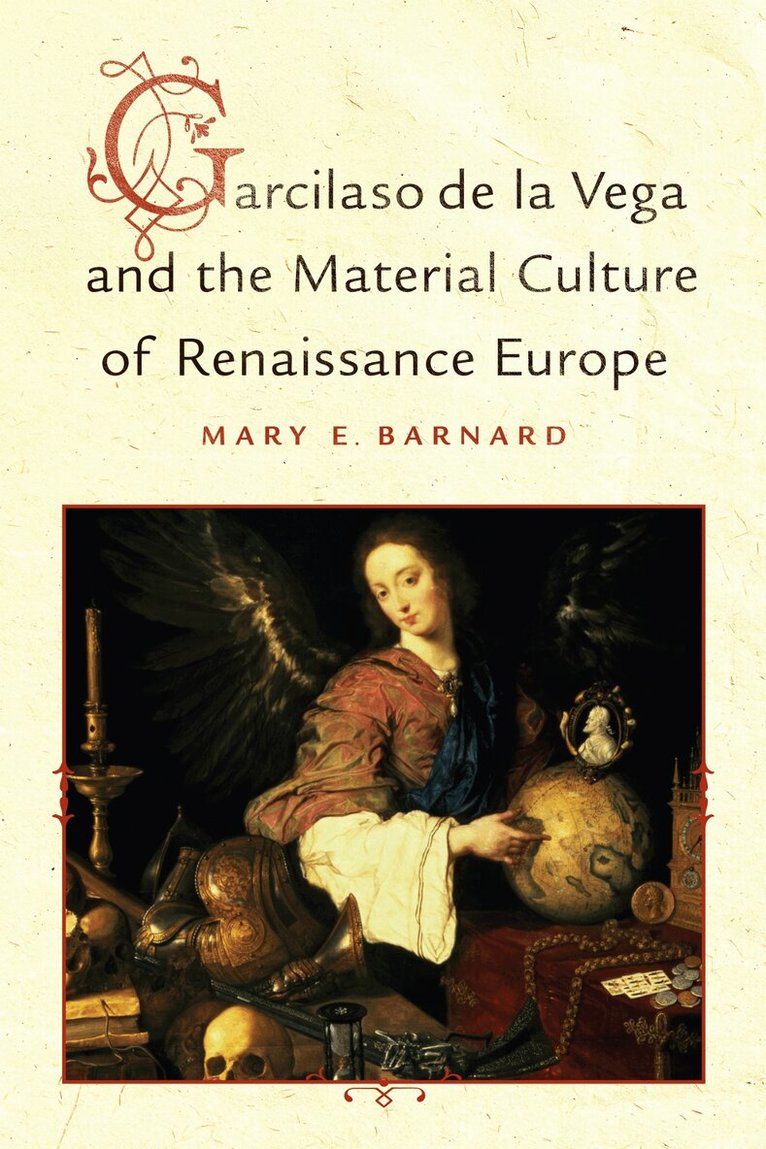
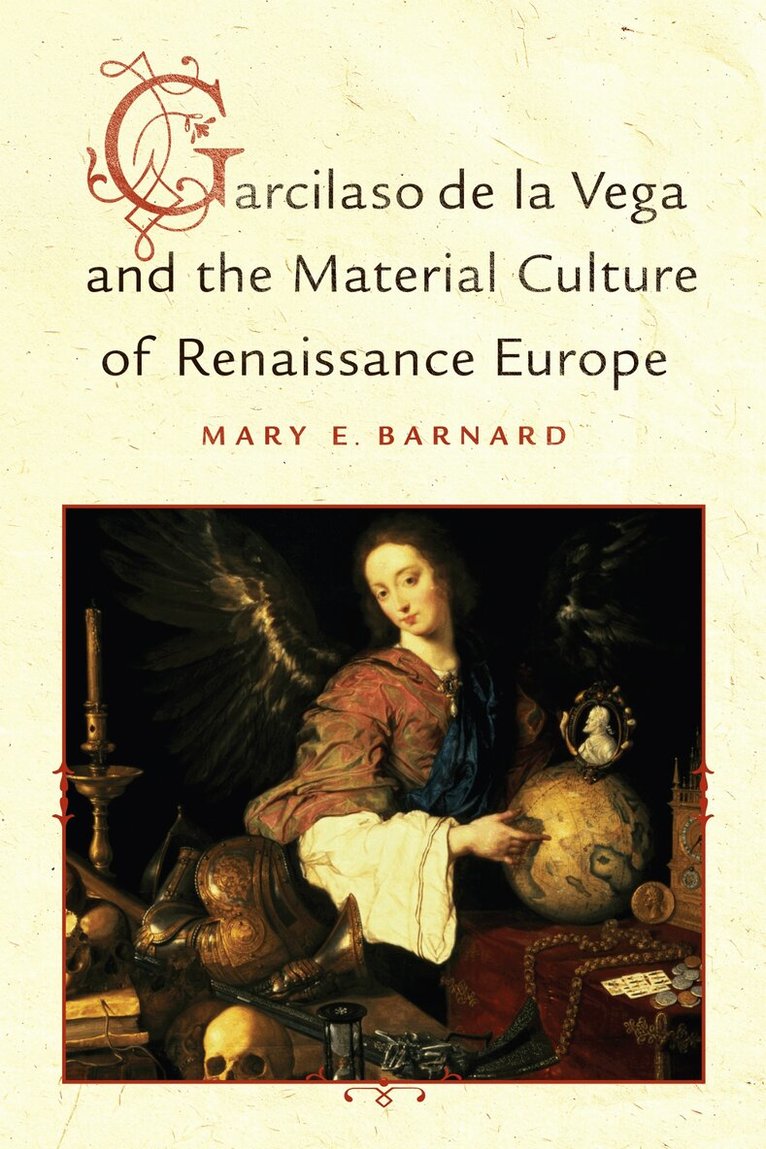
Garcilaso De La Vega and the Material Culture of Renaissance Europe
Inbunden, 2014
880 kr
Lägg i varukorg
Garcilaso de la Vega and the Material Culture of Renaissance Europe examines the role of cultural objects in the lyric poetry of Garcilaso de la Vega, the premier poet of sixteenth-century Spain. As a pioneer of the “new poetry” of Renaissance Europe, aligned with the court, empire, and modernity, …
Objects of Culture in the Literature of Imperial Spain
Av Mary E. Barnard, Frederick A. de Armas
E-bok, 2013
675 kr
Lägg i varukorg
Collecting and displaying finely crafted objects was a mark of character among the royals and aristocrats in Early Modern Spain: it ranked with extravagant hospitality as a sign of nobility and with virtue as a token of princely power. Objects of Culture in the Literature of Imperial Spain explores …
Objects of Culture in the Literature of Imperial Spain
Av Mary E. Barnard, Frederick A. de Armas
E-bok, 2013
675 kr
Lägg i varukorg
Collecting and displaying finely crafted objects was a mark of character among the royals and aristocrats in Early Modern Spain: it ranked with extravagant hospitality as a sign of nobility and with virtue as a token of princely power. Objects of Culture in the Literature of Imperial Spain explores …
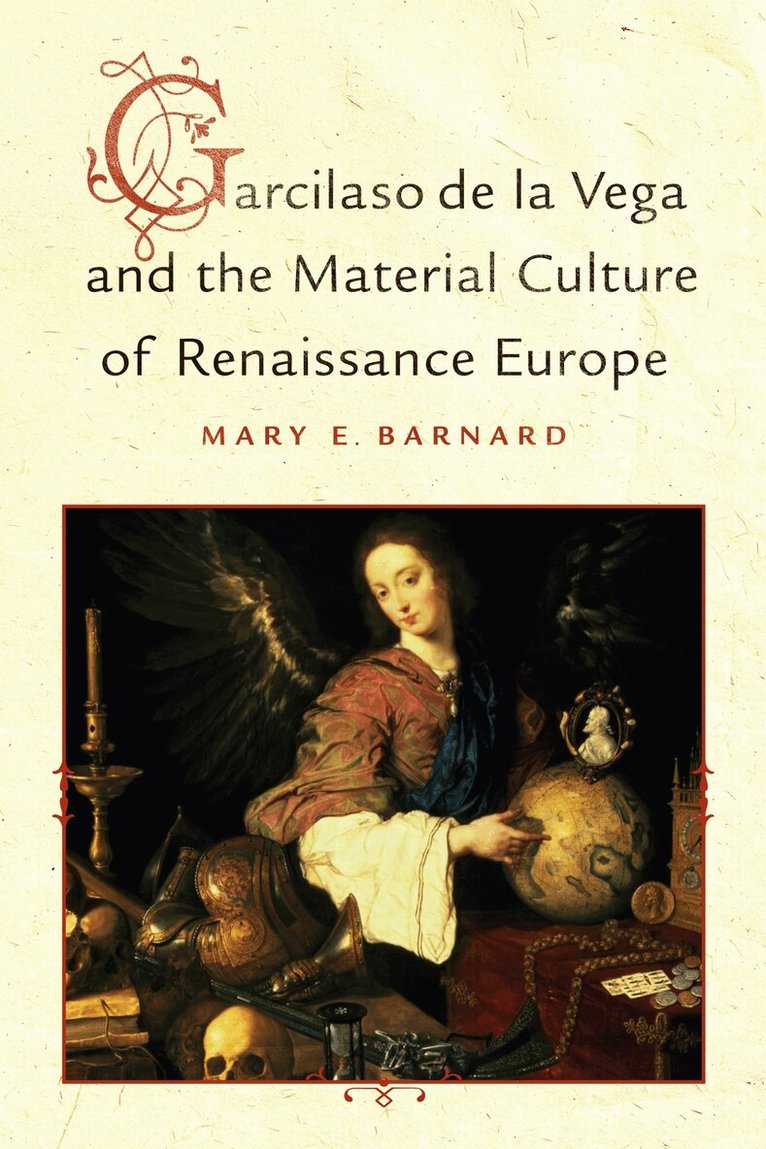
Garcilaso De La Vega and the Material Culture of Renaissance Europe
E-bok, 2014
980 kr
Lägg i varukorg
Garcilaso de la Vega and the Material Culture of Renaissance Europe examines the role of cultural objects in the lyric poetry of Garcilaso de la Vega, the premier poet of sixteenth-century Spain. As a pioneer of the “new poetry” of Renaissance Europe, aligned with the court, empire, and modernity, …
Garcilaso De La Vega and the Material Culture of Renaissance Europe
E-bok, 2014
1125 kr
Lägg i varukorg
Garcilaso de la Vega and the Material Culture of Renaissance Europe examines the role of cultural objects in the lyric poetry of Garcilaso de la Vega, the premier poet of sixteenth-century Spain. As a pioneer of the “new poetry” of Renaissance Europe, aligned with the court, empire, and modernity, …
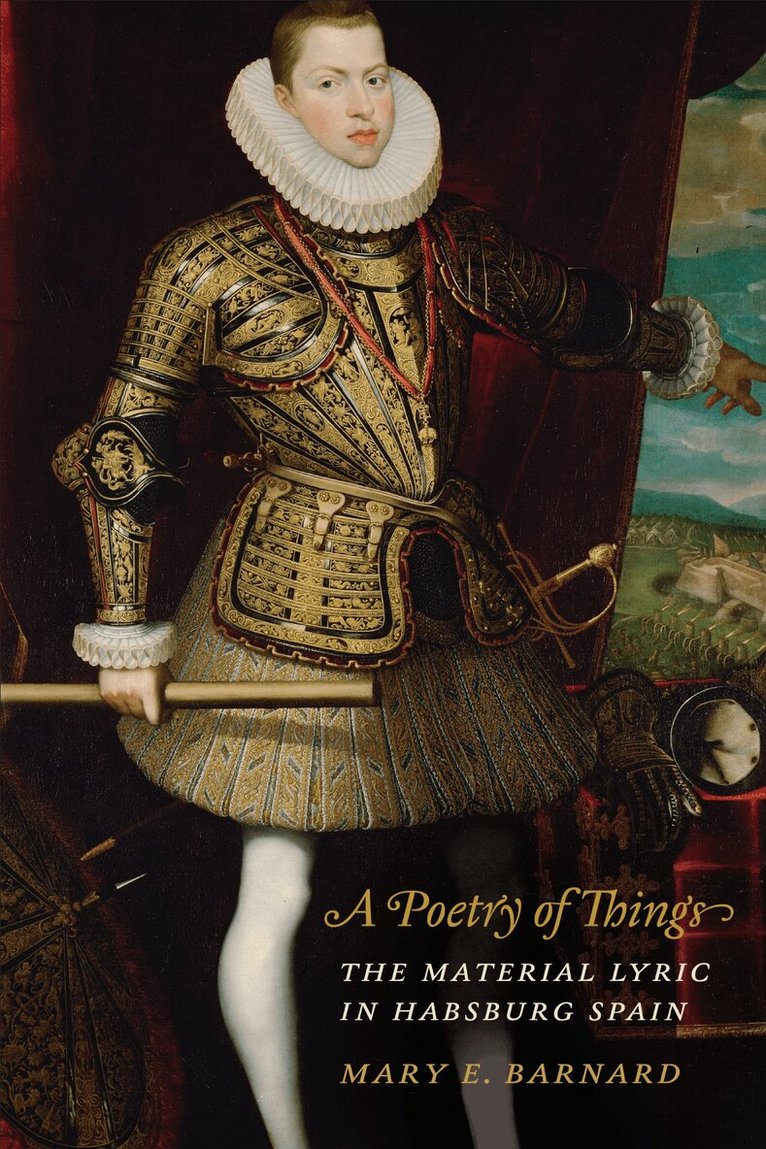
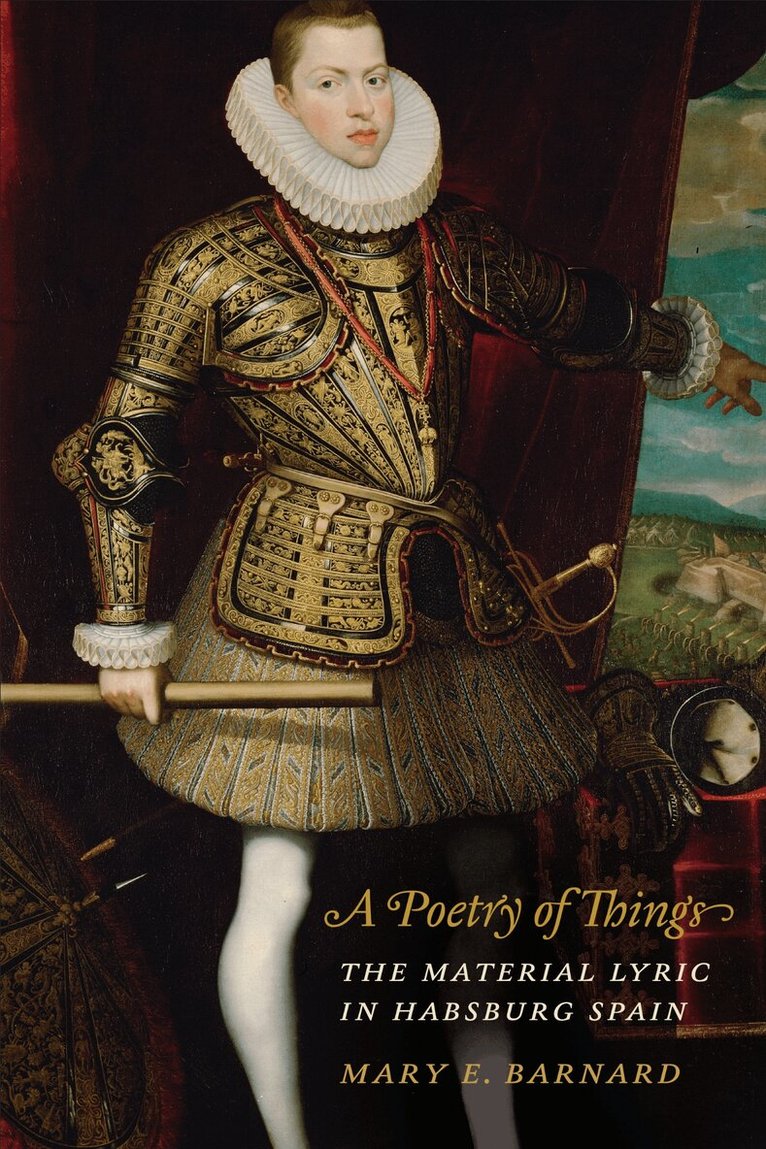
Poetry of Things
The Material Lyric in Habsburg Spain
Inbunden, 2022
525 kr
Lägg i varukorg
A Poetry of Things examines the works of four poets whose use of visual and material culture contributed to the remarkable artistic and literary production during the reign of Philip III (1598–1621). Francisco de Quevedo, Luis de Góngora, Juan de Arguijo, and Luisa de Carvajal y Mendoza cast …
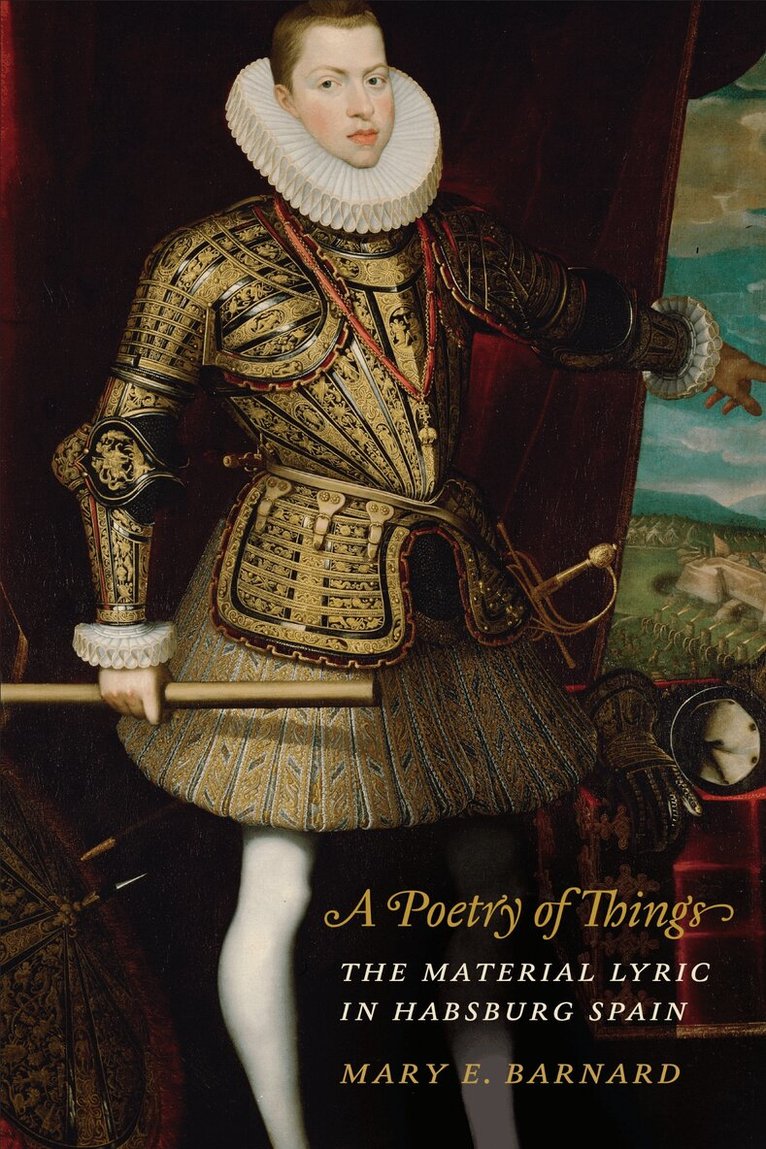
Poetry of Things
The Material Lyric in Habsburg Spain
E-bok, 2021
660 kr
Lägg i varukorg
A Poetry of Things examines the works of four poets whose use of visual and material culture contributed to the remarkable artistic and literary production during the reign of Philip III (1598–1621). Francisco de Quevedo, Luis de Góngora, Juan de Arguijo, and Luisa de Carvajal y Mendoza cast …
Poetry of Things
The Material Lyric in Habsburg Spain
E-bok, 2021
675 kr
Lägg i varukorg
A Poetry of Things examines the works of four poets whose use of visual and material culture contributed to the remarkable artistic and literary production during the reign of Philip III (1598–1621). Francisco de Quevedo, Luis de Góngora, Juan de Arguijo, and Luisa de Carvajal y Mendoza cast …
Objects of Culture in the Literature of Imperial Spain
Av Mary E. Barnard, Frederick A. de Armas
Häftad, 2022
509 kr
Lägg i varukorg
Collecting and displaying finely crafted objects was a mark of character among the royals and aristocrats in Early Modern Spain: it ranked with extravagant hospitality as a sign of nobility and with virtue as a token of princely power. Objects of Culture in the Literature of Imperial Spain explores …
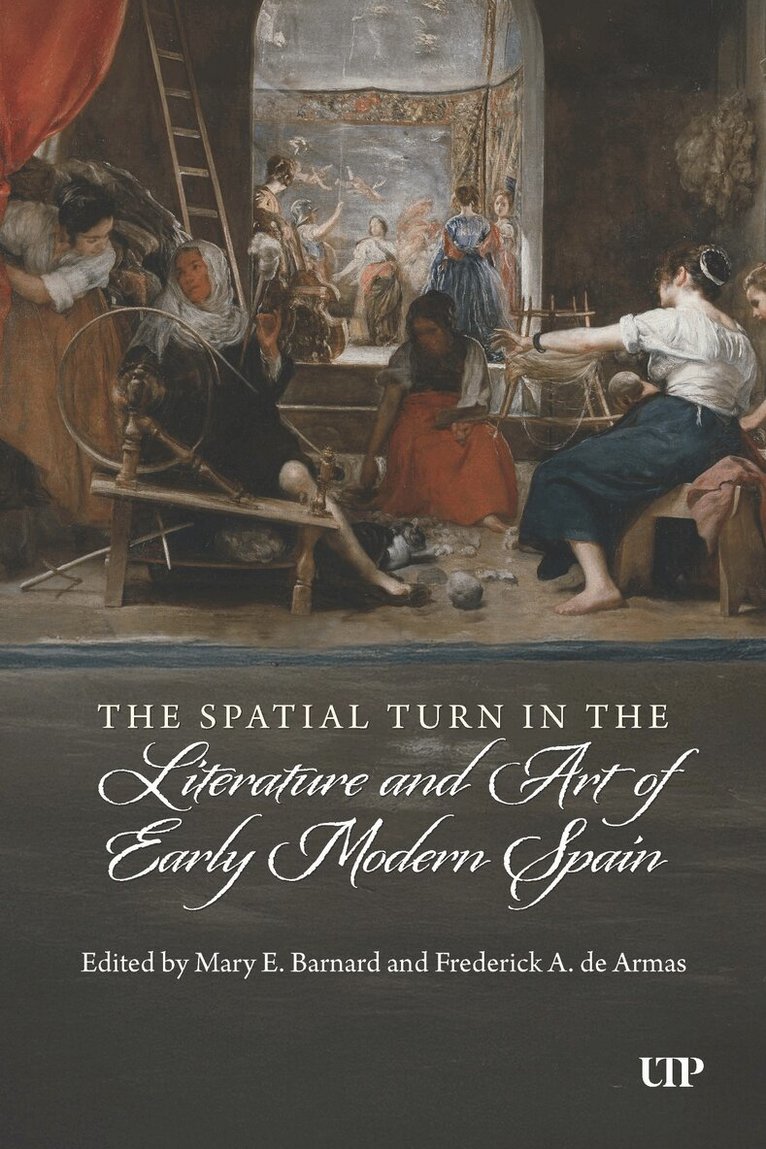
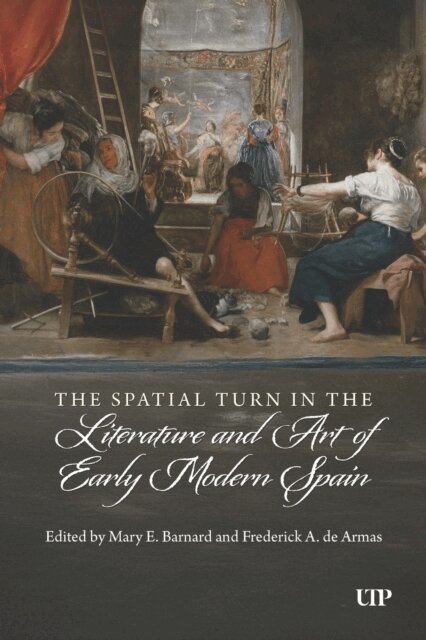
Spatial Turn in the Literature and Art of Early Modern Spain
Av Mary E. Barnard, Frederick A. de Armas
Inbunden, 2026
864 kr
Lägg i varukorg
The Spatial Turn in the Literature and Art of Early Modern Spain investigates novel and transformative ways in which writers and artists of sixteenth- and seventeenth-century Spain conceived of space through the lens of what recent studies have called the spatial turn. With an emphasis on the …
Spatial Turn in the Literature and Art of Early Modern Spain
Av Frederick A. de Armas, Mary E. Barnard
E-bok, 2026
1106 kr
Lägg i varukorg
The Spatial Turn in the Literature and Art of Early Modern Spain investigates novel and transformative ways in which writers and artists of sixteenth- and seventeenth-century Spain conceived of space through the lens of what recent studies have called the spatial turn. With an emphasis on the …
Spatial Turn in the Literature and Art of Early Modern Spain
Av Frederick A. de Armas, Mary E. Barnard
E-bok, 2026
1106 kr
Lägg i varukorg
The Spatial Turn in the Literature and Art of Early Modern Spain investigates novel and transformative ways in which writers and artists of sixteenth- and seventeenth-century Spain conceived of space through the lens of what recent studies have called the spatial turn. With an emphasis on the …