Mary Gail Frawley-O'Dea - Böcker
Visar alla böcker från författaren Mary Gail Frawley-O'Dea. Handla med fri frakt och snabb leverans.
5 produkter
5 produkter
1 542 kr
Skickas inom 3-6 vardagar
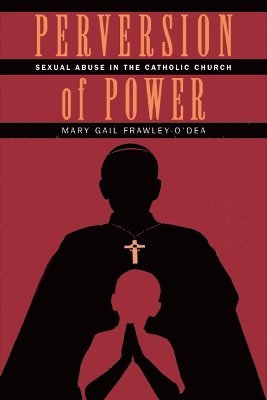
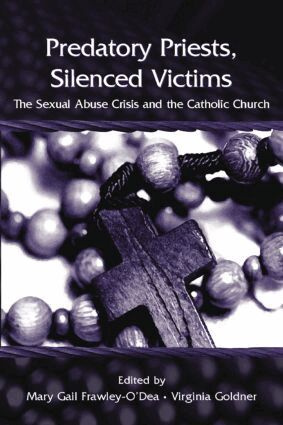
Since 2002, the Roman Catholic Church has been in crisis over the sexual abuse of minors by priests and the cover-up of those crimes by bishops. Over 11,000 alleged victims have reported their experiences to the Church, and more than 4,700 priests since 1950 have been credibly accused of sexually victimizing minors. The Church has paid over one billion dollars to adults who claim to have been sexually abused by priests, and there is no end in sight to these lawsuits. Celibacy, homosexuality in the priesthood, the infiltration into the priesthood of secular moral relativism, too much liberalism in the Church since Vatican II, damaging rollbacks of Vatican II reforms by conservative prelates - all have been suggested as causes for the crisis. This book, however, begins with the premise that, because the pattern of abuse and cover-up was so similar across the world, there is something fundamentally awry with Church traditions and power structures in relationship to sexuality and sexual abuse. Specifically, in chapters on suffering and sadomasochism, bodies and gender, desire and sexuality, celibacy and homosexuality, the author concludes that aspects of the Catholic theology of sexuality set the stage for the abuse of minors and its cover-up. Frawley-O'Dea also analyzes the American bishops' lack of pastoral care and tendency towards clerical narcissism - the belief that the needs of the hierarchy represent the needs of the wider Church - as central factors in the scandal. She balances this criticism with a discussion of the backgrounds of the bishops presiding over the crisis and the challenges they faced in their relationships with the Pope and Vatican officials. Drawing on twenty years of clinical experience, she imagines the dynamics of sexual abuse both from the victim's point of view and from the priest's, and she probes why the Church hierarchy, fellow priests, and lay people were silent for so long. Finally, Frawley-O'Dea examines factors internal to the Church and outside of it that drew this scandal into the public square and kept it there.
572 kr
Skickas inom 5-8 vardagar
Since 2002, the Roman Catholic Church has been in crisis over the sexual abuse of minors by priests and the cover-up of those crimes by bishops. Over 11,000 alleged victims have reported their experiences to the Church, and more than 4,700 priests since 1950 have been credibly accused of sexually victimizing minors. The Church has paid over one billion dollars to adults who claim to have been sexually abused by priests, and there is no end in sight to these lawsuits. Celibacy, homosexuality in the priesthood, the infiltration into the priesthood of secular moral relativism, too much liberalism in the Church since Vatican II, damaging rollbacks of Vatican II reforms by conservative prelates - all have been suggested as causes for the crisis. This book, however, begins with the premise that, because the pattern of abuse and cover-up was so similar across the world, there is something fundamentally awry with Church traditions and power structures in relationship to sexuality and sexual abuse. Specifically, in chapters on suffering and sadomasochism, bodies and gender, desire and sexuality, celibacy and homosexuality, the author concludes that aspects of the Catholic theology of sexuality set the stage for the abuse of minors and its cover-up. Frawley-O'Dea also analyzes the American bishops' lack of pastoral care and tendency towards clerical narcissism - the belief that the needs of the hierarchy represent the needs of the wider Church - as central factors in the scandal. She balances this criticism with a discussion of the backgrounds of the bishops presiding over the crisis and the challenges they faced in their relationships with the Pope and Vatican officials. Drawing on twenty years of clinical experience, she imagines the dynamics of sexual abuse both from the victim's point of view and from the priest's, and she probes why the Church hierarchy, fellow priests, and lay people were silent for so long. Finally, Frawley-O'Dea examines factors internal to the Church and outside of it that drew this scandal into the public square and kept it there.
Predatory Priests, Silenced Victims
The Sexual Abuse Crisis and the Catholic Church
Inbunden, Engelska, 2007
1 591 kr
Tillfälligt slut
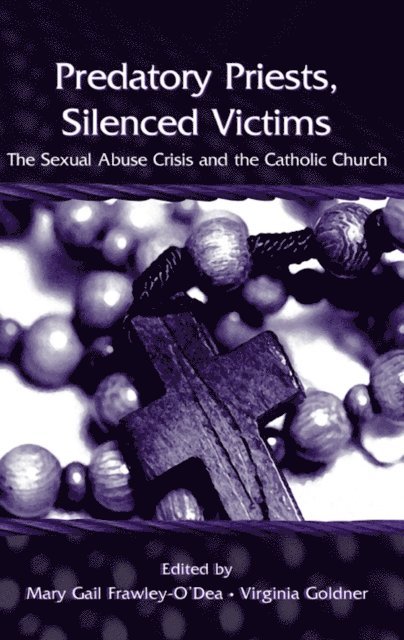
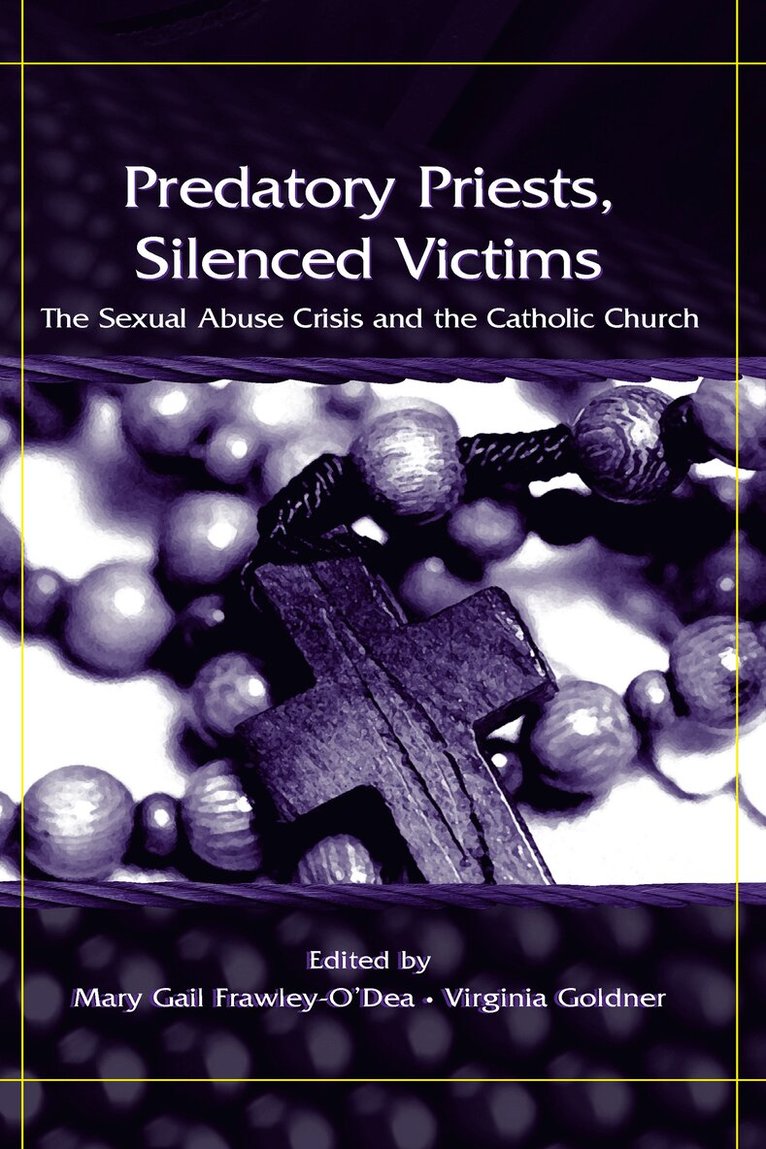
The sexual abuse scandal in the Catholic Church captured headlines and mobilized public outrage in January 2002. But much of the commentary that immediately followed was reductionistic, focusing on single "causes" of clerical abuse such as mandatory celibacy, homosexuality, sexual repressiveness or sexual permissiveness, anti-Catholicism, and a decadent secular culture.Predatory Priests, Silenced Victims: The Sexual Abuse Crisis and the Catholic Church, a collection of groundbreaking articles edited by Mary Gail Frawley-O'Dea and Virginia Goldner, eschews such one-size-fits-all theorizing. In its place, the abuse situation is explored in all its troubling complexity, as contributors take into account the experiences, respectively, of the victim/survivor, the abuser/perpetrator, and the bystander (whether family member, professional/clergy, or the community at large). Setting polemics to the side, Predatory Priests, Silenced Victims provides a sober and sobering analysis of the interlacing historical, doctrinal, and psychological issues that came together in the sexual abuse scandal. It is mandatory reading for all who seek thoughtful, informed commentary on a crisis long in the making and yet to be resolved.
Predatory Priests, Silenced Victims
The Sexual Abuse Crisis and the Catholic Church
Häftad, Engelska, 2014
724 kr
Skickas inom 10-15 vardagar
The sexual abuse scandal in the Catholic Church captured headlines and mobilized public outrage in January 2002. But much of the commentary that immediately followed was reductionistic, focusing on single "causes" of clerical abuse such as mandatory celibacy, homosexuality, sexual repressiveness or sexual permissiveness, anti-Catholicism, and a decadent secular culture.Predatory Priests, Silenced Victims: The Sexual Abuse Crisis and the Catholic Church, a collection of groundbreaking articles edited by Mary Gail Frawley-O'Dea and Virginia Goldner, eschews such one-size-fits-all theorizing. In its place, the abuse situation is explored in all its troubling complexity, as contributors take into account the experiences, respectively, of the victim/survivor, the abuser/perpetrator, and the bystander (whether family member, professional/clergy, or the community at large). Setting polemics to the side, Predatory Priests, Silenced Victims provides a sober and sobering analysis of the interlacing historical, doctrinal, and psychological issues that came together in the sexual abuse scandal. It is mandatory reading for all who seek thoughtful, informed commentary on a crisis long in the making and yet to be resolved.
672 kr
Skickas inom 7-10 vardagar
In the past two decades, many psychodynamic therapists have begun to view the relational processes taking place between patient and therapist as a central source of transformation. Yet traditional paradigms of clinical supervision, focusing primarily on didactic teaching, have limitations for training therapists to work in these new ways. This groundbreaking volume is the first to elaborate a comprehensive contemporary model of supervision. Using a wealth of examples and vignettes, the authors show how working within the vicissitudes of the supervisory relationship can allow the supervisee to gain a deeper understanding of the treatment method being taught. Key topics discussed include issues of power and authority, regression in the supervisory relationship, rethinking the teach/treat question, parallel process as a relational phenomenon, working with group process in case conference, and the role of the organization in supporting training. This is a richly informative resource for psychologists, psychiatrists, social workers, psychoanalysts, and others involved in clinical supervision and training. It also will serve as a text for courses in supervision and organizational psychology.