Joan E. Sarnat – författare
Visar alla böcker från författaren Joan E. Sarnat. Handla med fri frakt och snabb leverans.
3 produkter
Supervision Essentials for Psychodynamic Psychotherapies
Häftad, 2015
526 kr
Lägg i varukorg
Relational psychodynamic psychotherapy arose in reaction to hierarchical, doctor-patient aspects of Freudian psychoanalysis. It emphasizes instead the partnership between therapist and client, and focuses on the power dynamics involved in this inherently unequal relationship. In this book, Joan E. …
Supervisory Relationship
A Contemporary Psychodynamic Approach
Av Joan E. Sarnat, Mary Gail Frawley-O'Dea
E-bok, 2012
856 kr
Lägg i varukorg
In the past two decades, many psychodynamic therapists have begun to view the relational processes taking place between patient and therapist as a central source of transformation. Yet traditional paradigms of clinical supervision, focusing primarily on didactic teaching, have limitations for …
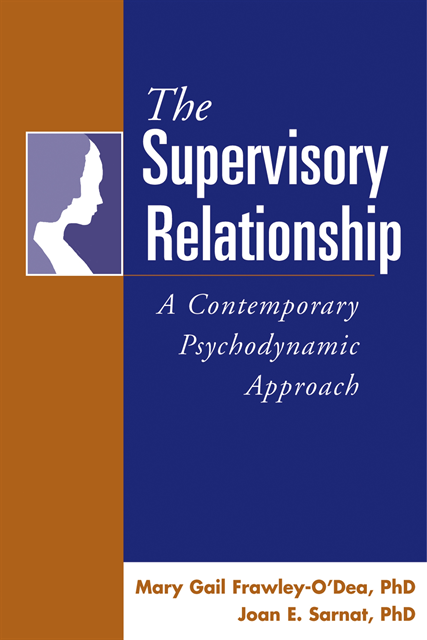
Supervisory Relationship
A Contemporary Psychodynamic Approach
Av Mary Gail Frawley-O'Dea, Joan E. Sarnat
Inbunden, 2001
717 kr
Lägg i varukorg
In the past two decades, many psychodynamic therapists have begun to view the relational processes taking place between patient and therapist as a central source of transformation. Yet traditional paradigms of clinical supervision, focusing primarily on didactic teaching, have limitations for …