Mary Iliadis - Böcker
Visar alla böcker från författaren Mary Iliadis. Handla med fri frakt och snabb leverans.
4 produkter
4 produkter
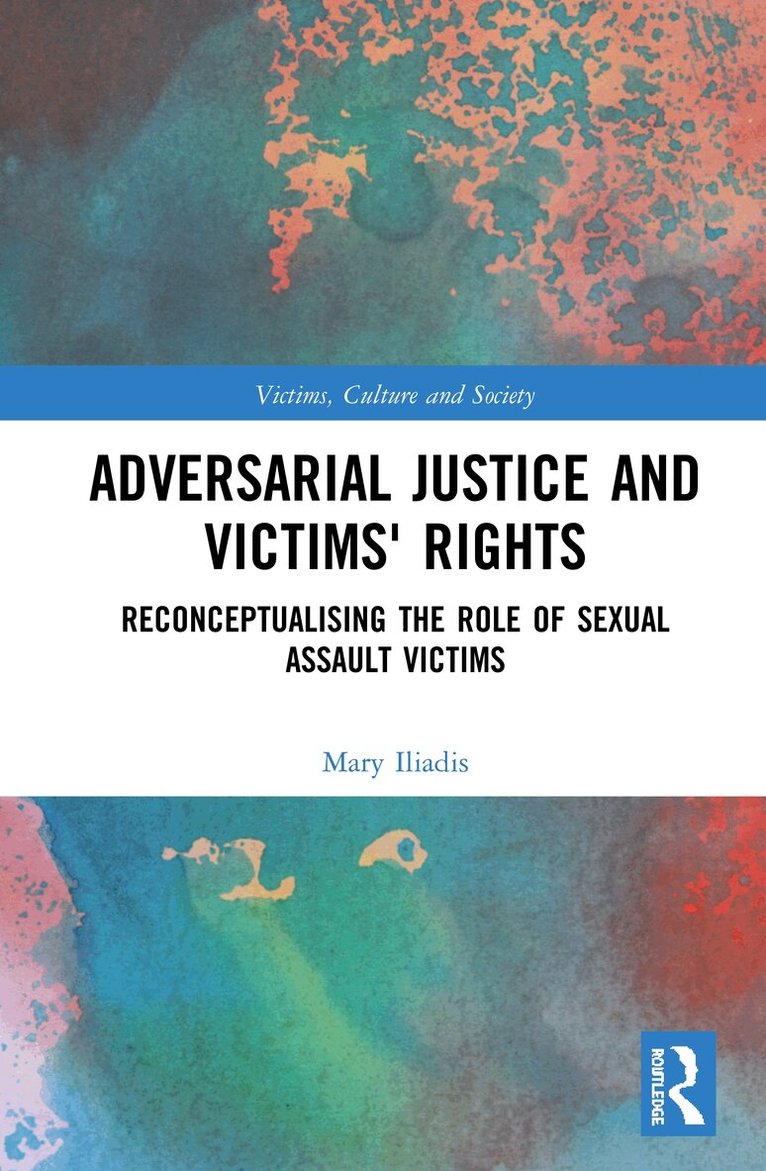
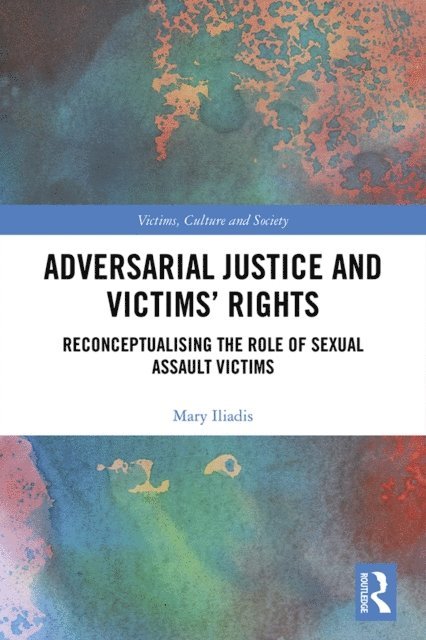
Adversarial Justice and Victims' Rights
Reconceptualising the Role of Sexual Assault Victims
Inbunden, Engelska, 2020
1 944 kr
Skickas inom 10-15 vardagar
Adversarial Justice and Victims’ Rights explores the extent to which reforms that offer victims enhanced rights to information and participation across England and Wales, Ireland and South Australia can address sexual assault victims’ procedural and substantive justice concerns. The rights, status and treatment of sexual assault victims has emerged as a significant 21st-century concern, occupying the forefront of legal commentary on international policy agendas. Informed by the voices of 26 high-level criminal justice professionals, legal stakeholders and victim support workers, and a quantitative dataset, this book considers whether legal representation can address some of the problems of the prosecution process for sexual assault victims in Victoria and, indeed, in other adversarial jurisdictions that employ similar legislative frameworks. While acknowledging the value of victim-focused reforms, the book contends that cultural changes to the ways in which sexual assault victims are perceived and treated are necessary in order to improve victims’ experiences of the legal process. Reconceptualising the role of sexual assault victims from ‘witnesses’ to ‘participants’ will also increase the likelihood that victims’ rights and interests will be considered alongside those of the state and the accused. Situating its findings within broader debates about the role, rights and treatment of sexual assault victims in adversarial justice systems, the book outlines prospects for the transfer of policy and practice between jurisdictions. Adversarial Justice and Victims’ Rights will be of great interest to academic and policy stakeholders engaged in criminology, law and socio-legal studies, as well as students researching sexual violence and victims’ access to justice.
1 944 kr
Skickas inom 10-15 vardagar
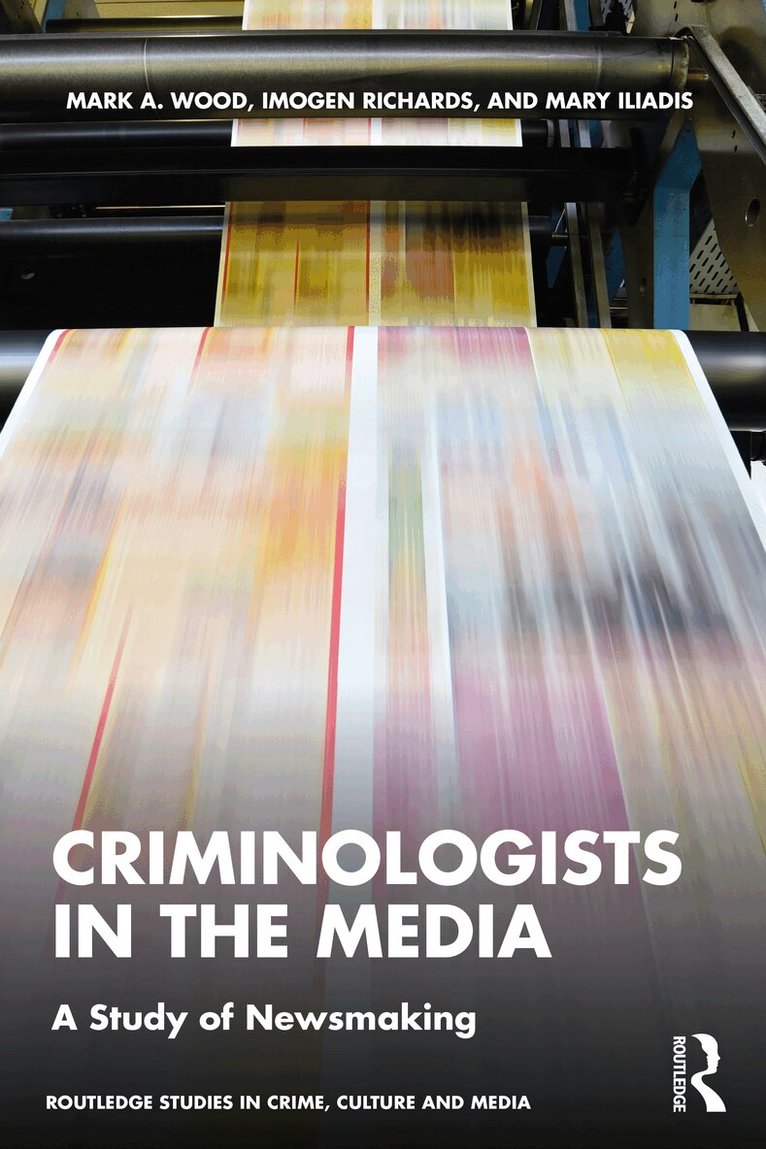
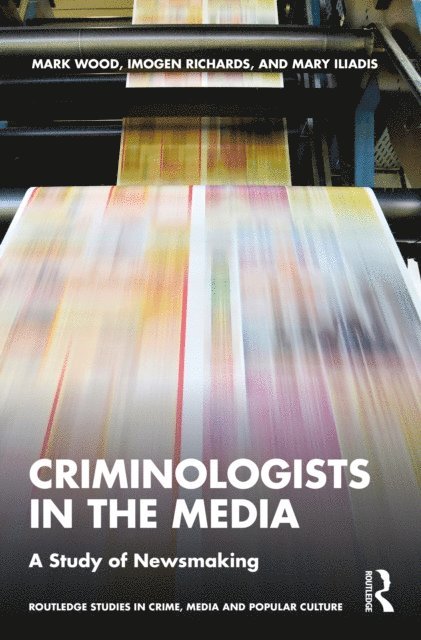
Criminologists in the Media presents the results of a cross-national study examining the structures that shape criminologists’ contributions to news and social media discourse.Drawing on interviews with criminologists and a survey of 1,211 criminologists working in the US, the UK, Australia, New Zealand, Canada, Ireland, and South Africa, this book represents the first cross-national study exploring how, why, and to what extent criminologists working in these countries engage in newsmaking and digital public criminology. Through examining the predictors of criminologists appearing in news media, the research presented in this book demonstrates that newsmaking practices within criminology are not reflective of equal access, interest, or opportunity. Rather, newsmaking operates within ‘fields of power’ shaped by the political economy of higher education, and researchers’ academic rank, gender, and areas of research expertise. Together, these factors generate several ‘situational logics’ that predispose criminologists to pursue particular courses of action in promoting their personal projects. Key among these logics, Wood, Richards, and Iliadis argue, are a ‘social logic’ informing criminologists’ moral-political views on newsmaking and an ‘industrial logic’ responsive to the demands of academic capitalism and the rise of the ‘entrepreneurial’ university.With its focus on the practicalities, challenges, and inequities of newsmaking in the post-broadcast era, Criminologists in the Media will appeal to researchers interested in the public role(s) of criminology, as well as researchers concerned with the challenges of communicating social scientific knowledge beyond the academy.
519 kr
Skickas inom 10-15 vardagar
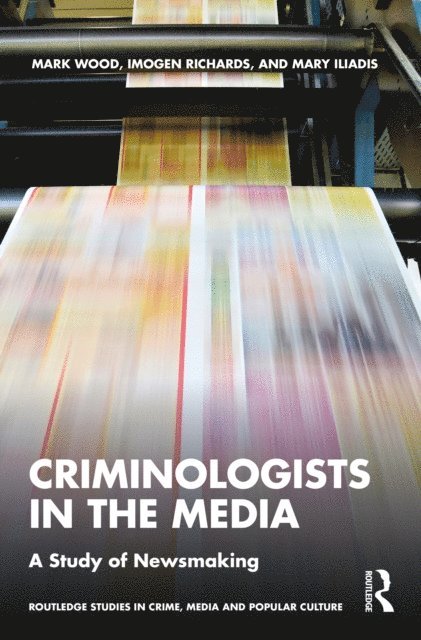
Criminologists in the Media presents the results of a cross-national study examining the structures that shape criminologists’ contributions to news and social media discourse.Drawing on interviews with criminologists and a survey of 1,211 criminologists working in the US, the UK, Australia, New Zealand, Canada, Ireland, and South Africa, this book represents the first cross-national study exploring how, why, and to what extent criminologists working in these countries engage in newsmaking and digital public criminology. Through examining the predictors of criminologists appearing in news media, the research presented in this book demonstrates that newsmaking practices within criminology are not reflective of equal access, interest, or opportunity. Rather, newsmaking operates within ‘fields of power’ shaped by the political economy of higher education, and researchers’ academic rank, gender, and areas of research expertise. Together, these factors generate several ‘situational logics’ that predispose criminologists to pursue particular courses of action in promoting their personal projects. Key among these logics, Wood, Richards, and Iliadis argue, are a ‘social logic’ informing criminologists’ moral-political views on newsmaking and an ‘industrial logic’ responsive to the demands of academic capitalism and the rise of the ‘entrepreneurial’ university.With its focus on the practicalities, challenges, and inequities of newsmaking in the post-broadcast era, Criminologists in the Media will appeal to researchers interested in the public role(s) of criminology, as well as researchers concerned with the challenges of communicating social scientific knowledge beyond the academy.
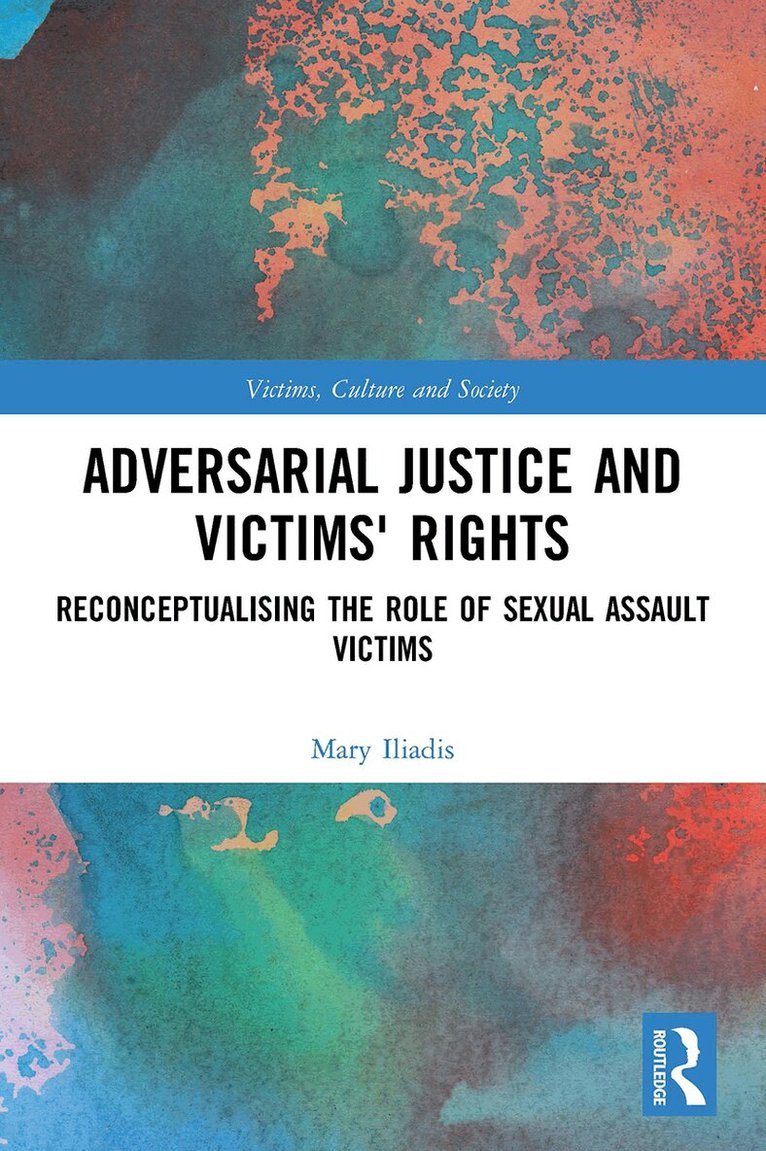
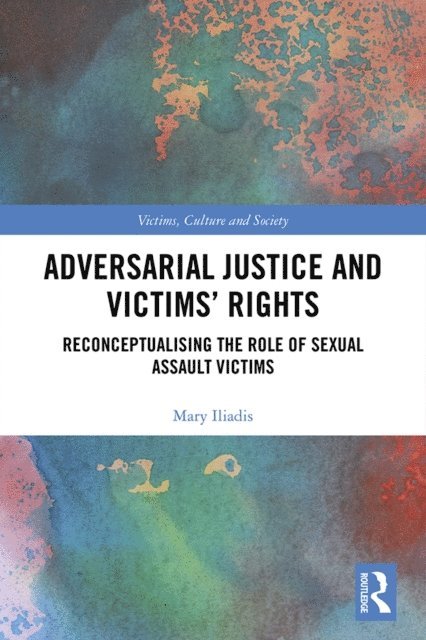
Adversarial Justice and Victims' Rights
Reconceptualising the Role of Sexual Assault Victims
Häftad, Engelska, 2022
569 kr
Skickas inom 10-15 vardagar
Adversarial Justice and Victims’ Rights explores the extent to which reforms that offer victims enhanced rights to information and participation across England and Wales, Ireland and South Australia can address sexual assault victims’ procedural and substantive justice concerns. The rights, status and treatment of sexual assault victims has emerged as a significant 21st-century concern, occupying the forefront of legal commentary on international policy agendas. Informed by the voices of 26 high-level criminal justice professionals, legal stakeholders and victim support workers, and a quantitative dataset, this book considers whether legal representation can address some of the problems of the prosecution process for sexual assault victims in Victoria and, indeed, in other adversarial jurisdictions that employ similar legislative frameworks. While acknowledging the value of victim-focused reforms, the book contends that cultural changes to the ways in which sexual assault victims are perceived and treated are necessary in order to improve victims’ experiences of the legal process. Reconceptualising the role of sexual assault victims from ‘witnesses’ to ‘participants’ will also increase the likelihood that victims’ rights and interests will be considered alongside those of the state and the accused. Situating its findings within broader debates about the role, rights and treatment of sexual assault victims in adversarial justice systems, the book outlines prospects for the transfer of policy and practice between jurisdictions. Adversarial Justice and Victims’ Rights will be of great interest to academic and policy stakeholders engaged in criminology, law and socio-legal studies, as well as students researching sexual violence and victims’ access to justice.