Mary-Jo Arn - Böcker
Visar alla böcker från författaren Mary-Jo Arn. Handla med fri frakt och snabb leverans.
3 produkter
3 produkter
66 kr
Tillfälligt slut
286 kr
Skickas inom 5-8 vardagar
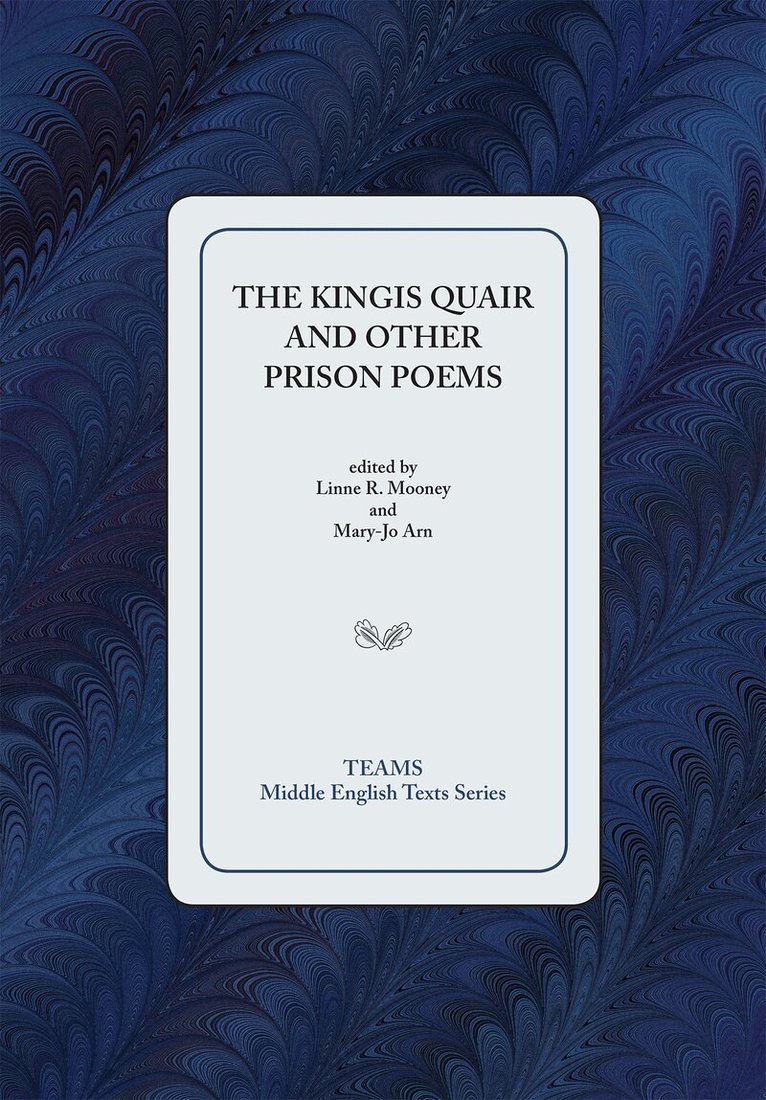
Prison poems, texts written in conditions of physical captivity or on the subject of imprisonment, flourished in the fifteenth century. This edition compiles five such poems, all of which draw on Boethius’s Consolation of Philosophy, the sixth-century philosophical treatise that preached against fickle Fortune and for the constancy of God. James I of Scotland and Charles D’Orleans—both royalty captured by political rivals—follow a Boethian trajectory in their poems (the Older Scots Kingis Quair and Middle English Fortunes Stabilnes, respectively), though they situate themselves as prisoners to love. George Ashby, a government clerk imprisoned for an unknown reason, pleads in his Complaint of a Prisoner in the Fleet 1463 for patience and purification of the soul against the vicissitudes of Fortune. Taken together, these poems consider prison not only as a physical condition but also as a literary trope that allows for both complaint and empowerment, providing avenues for escape through the pursuit of love, religious faith, or intellectual contemplation.
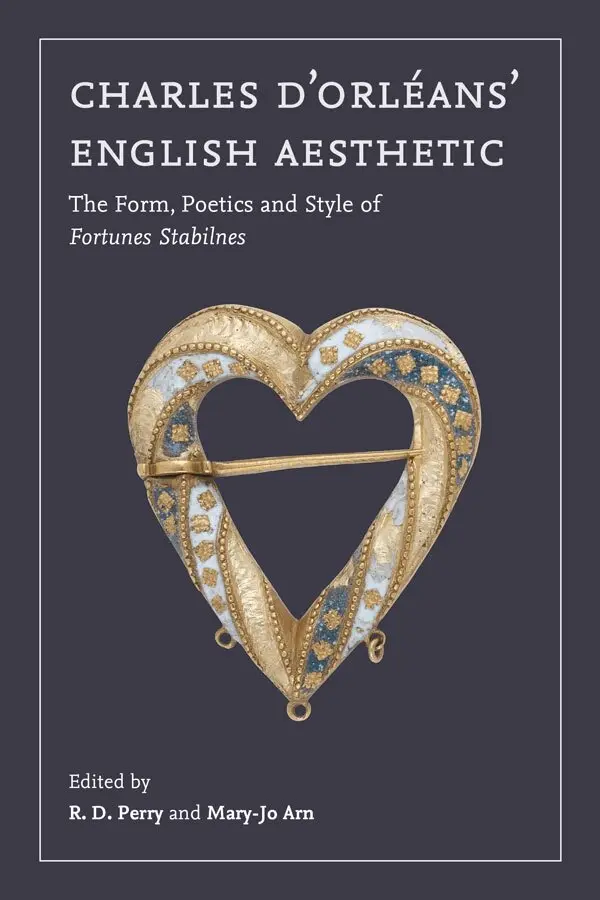
Charles d'Orléans' English Aesthetic
The Form, Poetics, and Style of Fortunes Stabilnes
Inbunden, Engelska, 2020
1 334 kr
Skickas inom 7-10 vardagar
New investigations into Charles d'Orléans' under-rated poem, its properties and its qualities.The compilation Fortunes Stabilnes, the English poetry Charles d'Orléans wrote in the course of his twenty-five year captivity in England after Agincourt, requires a larger lens than that of Chaucerianism, through which it has most often been viewed. A fresh view from another perspective, one that attends to form and style, as well as to the poet's French traditions, reveals a more conceptually complex and innovative kind of poetry than we have seen until now. The essays collected here reassess him in the light of recent work in Middle English studies. They detail those qualities that make his text one of the most accomplished and moving of the late Middle Ages: Charles's use of English, his metrical play, his felicity with formes fixes lyrics, his innovative use of the dits structure and lyric sequences, and finally, above all, his ability to write beautiful poetry. Overall, they bring out the underappreciated contribution made by Charles to the canon of English poetry.