Mary Lefkowitz – författare
Visar alla böcker från författaren Mary Lefkowitz. Handla med fri frakt och snabb leverans.
10 produkter
10 produkter
E-bok
PDF, Engelska, 2015395 kr
Läs direkt efter köp
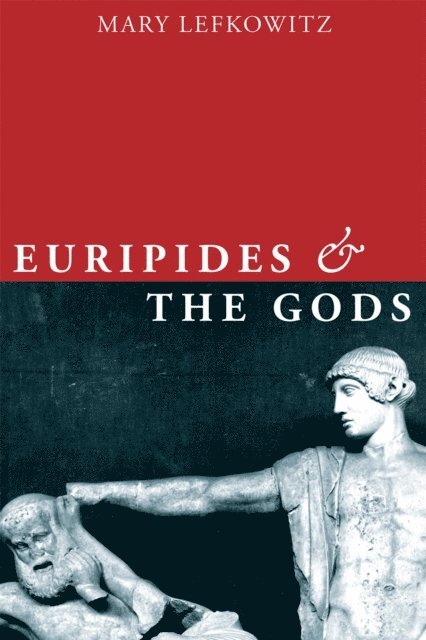
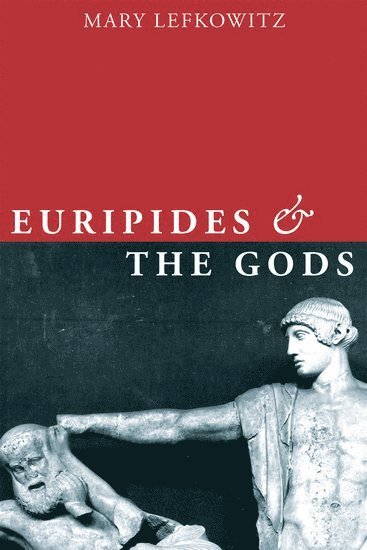
Modern readers find it hard to come to terms with the gods in Euripides'' dramas. Readers try to dismiss them as a literary convention. Stage productions leave them out, especially in the cases when they appear ex machina. Instead, they place disproportionate emphasis on the harsh criticisms of the gods uttered by some of the characters in the dramas, and have sought to interpret Euripides ironically, viewing his portrayal of the cruel and capricious gods as a means of drawing attention to the deficiencies of ancient Greek religion. In their view Euripides'' dramas seek to question the nature and sometimes even the very existence of traditional Greek gods.In Euripides and the Gods, classicist Mary Lefkowitz sets out to show that the tragedian is not undermining ancient religion, but rather describing with a brutal realism what the gods are like, impressing upon his mortal audience the limitations of human understanding. Writing the first extended treatment of these issues for a general audience, Lefkowitz provides a book that deals with all of Euripides'' dramas, and argues for a more tolerant and nuanced understanding of ancient Greek religion. Euripides, like Homer, is making a statement about the nature of the world and human life, terrifying but accurate. She explains how the idea that Euripides was an atheist derives from ancient biographies that drew their evidence from comic poets, and shows why the doubts about the gods expressed by his characters must be understood in their dramatic context. Euripides and the Gods offers a compelling invitation to return to the dramatic masterpieces of Euripides with fresh eyes.
E-bok
Engelska, 2015399 kr
Läs direkt efter köp
Modern readers find it hard to come to terms with the gods in Euripides'' dramas. Readers try to dismiss them as a literary convention. Stage productions leave them out, especially in the cases when they appear ex machina. Instead, they place disproportionate emphasis on the harsh criticisms of the gods uttered by some of the characters in the dramas, and have sought to interpret Euripides ironically, viewing his portrayal of the cruel and capricious gods as a means of drawing attention to the deficiencies of ancient Greek religion. In their view Euripides'' dramas seek to question the nature and sometimes even the very existence of traditional Greek gods.In Euripides and the Gods, classicist Mary Lefkowitz sets out to show that the tragedian is not undermining ancient religion, but rather describing with a brutal realism what the gods are like, impressing upon his mortal audience the limitations of human understanding. Writing the first extended treatment of these issues for a general audience, Lefkowitz provides a book that deals with all of Euripides'' dramas, and argues for a more tolerant and nuanced understanding of ancient Greek religion. Euripides, like Homer, is making a statement about the nature of the world and human life, terrifying but accurate. She explains how the idea that Euripides was an atheist derives from ancient biographies that drew their evidence from comic poets, and shows why the doubts about the gods expressed by his characters must be understood in their dramatic context. Euripides and the Gods offers a compelling invitation to return to the dramatic masterpieces of Euripides with fresh eyes.
Häftad, Engelska, 2019
353 kr
Skickas inom 5-8 vardagar
Modern readers find it hard to come to terms with the gods in Euripides' dramas. Readers try to dismiss them as a literary convention. Stage productions leave them out, especially in the cases when they appear ex machina. Instead, they place disproportionate emphasis on the harsh criticisms of the gods uttered by some of the characters in the dramas, and have sought to interpret Euripides ironically, viewing his portrayal of the cruel and capricious gods as a means of drawing attention to the deficiencies of ancient Greek religion. In their view Euripides' dramas seek to question the nature and sometimes even the very existence of traditional Greek gods.In Euripides and the Gods, classicist Mary Lefkowitz sets out to show that the tragedian is not undermining ancient religion, but rather describing with a brutal realism what the gods are like, impressing upon his mortal audience the limitations of human understanding. Writing the first extended treatment of these issues for a general audience, Lefkowitz provides a book that deals with all of Euripides' dramas, and argues for a more tolerant and nuanced understanding of ancient Greek religion. Euripides, like Homer, is making a statement about the nature of the world and human life, terrifying but accurate. She explains how the idea that Euripides was an atheist derives from ancient biographies that drew their evidence from comic poets, and shows why the doubts about the gods expressed by his characters must be understood in their dramatic context. Euripides and the Gods offers a compelling invitation to return to the dramatic masterpieces of Euripides with fresh eyes.
Inbunden, Engelska, 2016
1 145 kr
Skickas inom 7-10 vardagar
Many modern readers believe that, in his dramas, Euripides was questioning the nature and sometimes even the existence of the gods. In Euripides and the Gods, eminent classicist Mary K. Lefkowitz shows that the tragedian is not undermining ancient religion, but rather describing with a brutal realism what the gods are like, reminding his mortal audience of the limitations of human understanding. Although some scholars have begun to express similar views about the theology of individual plays, no one so far has written an extended treatment of these issues for a general audience who do not necessarily know ancient Greek. Lefkowitz will provide a book that will deal with all of his dramas, accessible to non-specialist readers, containing a more tolerant and nuanced understanding of ancient Greek religion: Euripides, like Homer, is making "a statement about the nature of the world and human life, terrible and dispassionate." That view of divinity was well known and understood in Euripides' own time. In spite of what has seemed to later critics his brutally realistic characterization of the gods, he was selected in virtually every year of his adult life to be one of the three poets allowed to put on a set of plays at the festival of Dionysus, and even after his death he remained the most popular and influential of the great playwrights in the Greek-speaking world. This would hardly have been the case if his portrayal of the gods appeared impious to the majority of his audiences. Like most of the author's distinguished publications in this field, the book will discuss a number of important related topics, including religion, philosophy, the surviving works of Euripides' contemporaries, and the theater and its significance to Greek society. The result will be a compelling invitation to return to the dramatic masterpieces of Euripides with fresh eyes.
Häftad, Engelska, 2005
479 kr
Skickas inom 5-8 vardagar
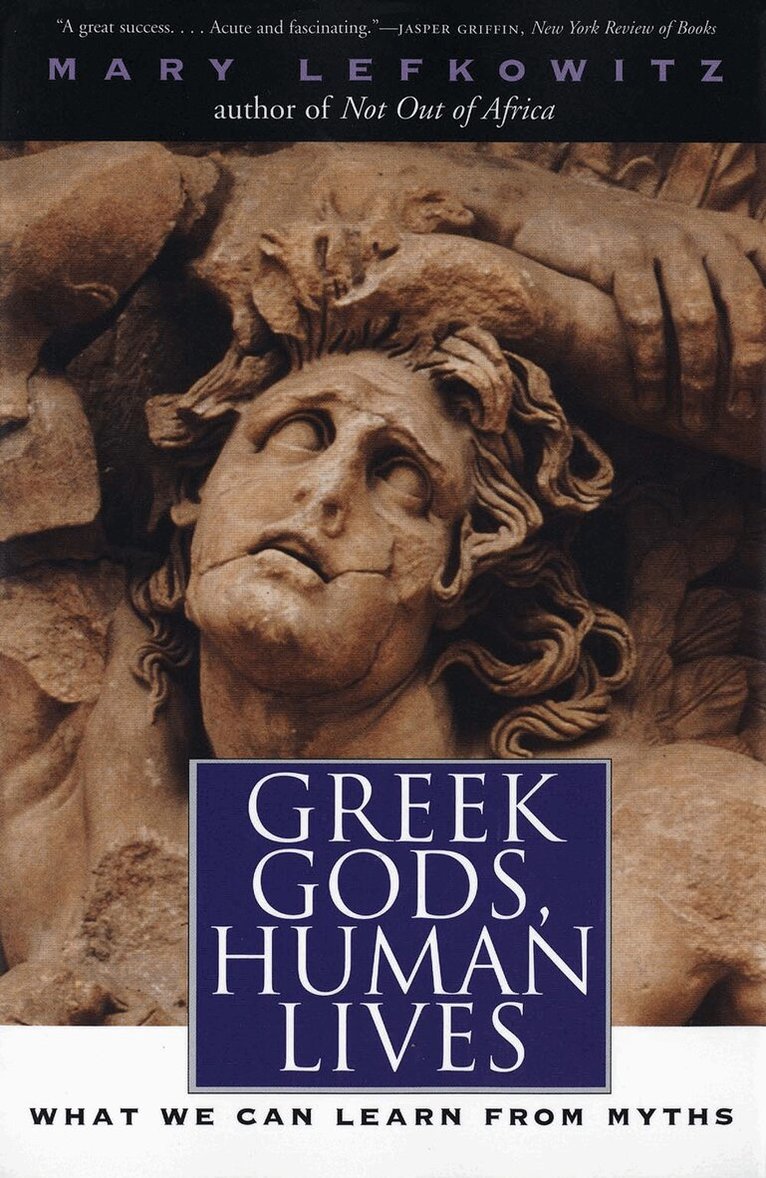
Why the Greek myths, more than those of any other culture, continue to captivate usThe mythology of ancient Greece has fascinated readers for two millennia and has formed the basis of Western civilization. The Greek gods are a perennial source of delight because they seem so much like us: in their rages, their love affairs, and their obsession with honor, the gods often appear all too human.In Greek Gods, Human Lives, preeminent classicist Mary Lefkowitz reintroduces readers to the literature of ancient Greece. Lefkowitz demonstrates that these stories, although endlessly entertaining, are never frivolous. The Greek myths—as told by Homer, Ovid, Virgil, and many others—offer crucial lessons about human experience. Greek mythology makes vivid the fact that the gods control every aspect of the lives of mortals, but not in ways that modern audiences have properly understood. We can learn much from these myths, Lefkowitz shows, if we understand that they are stories about religious experience—about the meaning of divinity, the nature of justice, and the limitations of human knowledge. These myths spoke to ancient audiences and helped them to comprehend their world. With Mary Lefkowitz as an interpreter, these myths speak to us as well.
Häftad, Engelska, 1997
281 kr
Skickas inom 3-6 vardagar
E-bok
Engelska, 201671 kr
Läs direkt efter köp
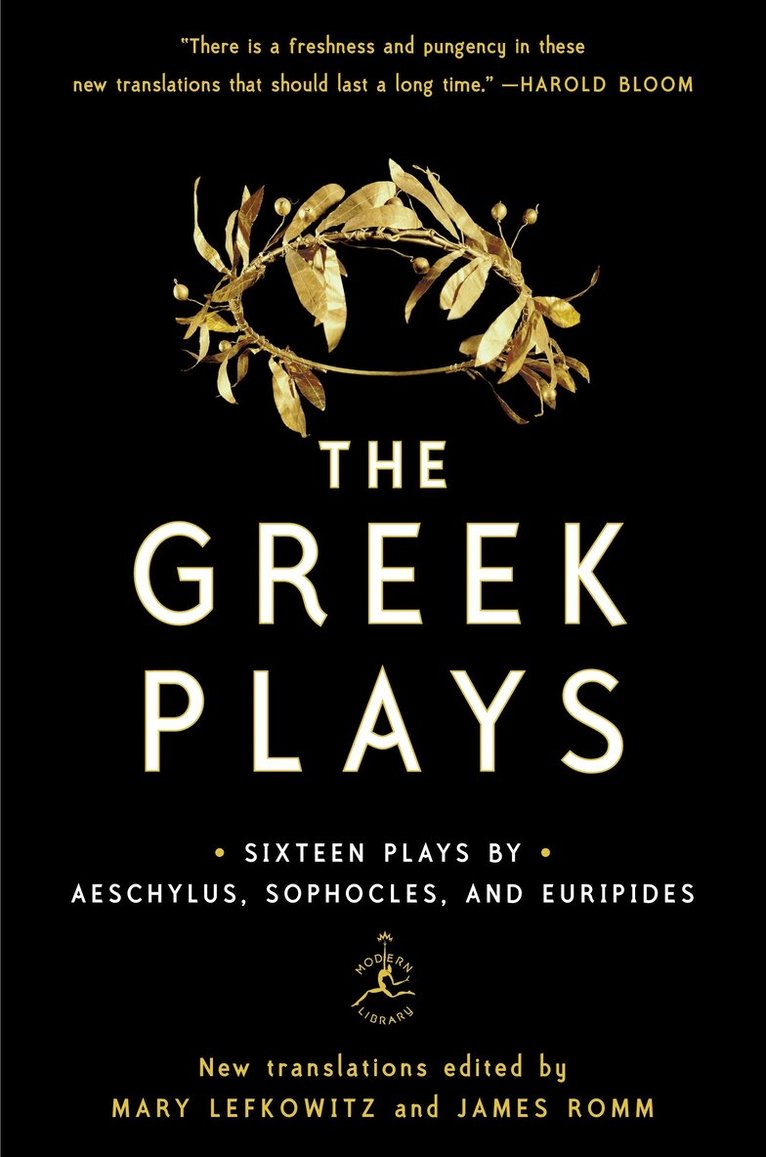
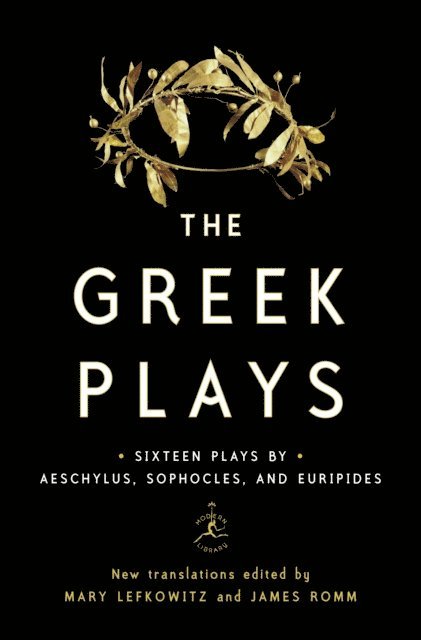
A landmark anthology of the masterpieces of Greek drama, featuring all-new, highly accessible translations of some of the world’s most beloved plays, including Agamemnon, Prometheus Bound, Bacchae, Electra, Medea, Antigone, and Oedipus the King The great plays of Ancient Greece are among the most enduring and important legacies of the Western world. Not only is the influence of Greek drama palpable in everything from Shakespeare to modern television, the insights contained in Greek tragedy have shaped our perceptions of the nature of human life. Poets, philosophers, and politicians have long borrowed and adapted the ideas and language of Greek drama to help them make sense of their own times. This exciting curated anthology features a cross section of the most popular—and most widely taught—plays in the Greek canon. Fresh translations into contemporary English breathe new life into the texts while capturing, as faithfully as possible, their original meaning. This outstanding collection also offers short biographies of the playwrights, enlightening and clarifying introductions to the plays, and helpful annotations at the bottom of each page. Appendices by prominent classicists on such topics as “Greek Drama and Politics,” “The Theater of Dionysus,” and “Plato and Aristotle on Tragedy” give the reader a rich contextual background. A detailed time line of the dramas, as well as a list of adaptations of Greek drama to literature, stage, and film from the time of Seneca to the present, helps chart the history of Greek tragedy and illustrate its influence on our culture from the Roman Empire to the present day. With a veritable who’s who of today’s most renowned and distinguished classical translators, The Greek Plays is certain to be the definitive text for students, scholars, theatrical professionals, and general readers alike for years to come.Advance praise for The Greek Plays “Mary Lefkowitz and James Romm deftly have gathered strong new translations from Frank Nisetich, Sarah Ruden, Rachel Kitzinger, Emily Wilson, as well as from Mary Lefkowitz and James Romm themselves. There is a freshness and pungency in these new translations that should last a long time. I admire also the introductions to the plays and the biographies and annotations provided. Closing essays by five distinguished classicists: the brilliant Daniel Mendelsohn and the equally skilled David Rosenbloom, Joshua Billings, Mary-Kay Gamel, and Gregory Hays all enlightened me. This seems to me a helpful light into our gathering darkness.”—Harold Bloom “The reception of Ancient Greek theater is as lively as it’s ever been in its 2,500-year history, both on the stage and on the page. Thanks to these sixteen brilliant new renditions by five leading scholar-translators, the three great Athenian masters of tragic drama, Aeschylus, Sophocles, and Euripides, speak to us once again in powerfully contemporary accents on such fundamental issues as gender, religion, and democratic politics.”—Paul Cartledge, author Democracy: A Life “The Greek Plays is destined to become a perennial collection, essential reading for students, scholars, and lovers of Greek tragedy alike. This engaging compilation imbues all the ancient plays within its pages with new life by offering rich, informative historical, literary, and cultural context and fresh, accessible translations by some of the most talented classicists working in the field today.”—Bryan Doerries, author of The Theater of War: What Ancient Greek Tragedies Can Teach Us TodayFrom the Hardcover edition.
Häftad, Engelska, 2017
239 kr
Skickas
E-bok
Engelska, 2022114 kr
Läs direkt efter köp
Häftad, Engelska
214 kr
Tillfälligt slut