Mary M. Ball - Böcker
Visar alla böcker från författaren Mary M. Ball. Handla med fri frakt och snabb leverans.
2 produkter
2 produkter
625 kr
Skickas inom 7-10 vardagar
Very little is known about why and when African American elders seek formal long-term care, or about the characteristics of assisted living environments they consider most desirable. Drawing on qualitative studies conducted between 1998 and 2001, the authors of Communities of Care provide important information on historic and current trends in assisted living systems serving African Americans. Focusing on six facilities that have become models of long-term care for African Americans, the authors shed light on the daily lives of the people who live, work, and visit these "communities of care."With detailed profiles of the facilities, interviews, and case histories of care recipients, the authors explore both the institutional and personal characteristics of the facilities and the issues central to their residents. This definitive work brings to the forefront critical questions about how race, gender, and culture affect the quality of, access to, and cost of care. These questions have broad implications for the policy, administration, and operation of assisted living.
587 kr
Tillfälligt slut
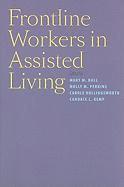
This volume provides an in-depth look at the people who staff assisted living facilities, the tasks they perform, and the environments in which they work. As the population of the United States ages, increasing numbers of frail older persons are choosing assisted living as a means of maintaining independence and delaying or avoiding admission to a nursing home. But assisted living workers-mostly women and minorities-are already in short supply and their numbers are shrinking. The work generally pays substandard wages. It is physically hard, dirty, and mentally and emotionally challenging. This book uses qualitative methods and multilevel statistical modeling techniques to examine individual- and community-level factors that influence the experiences and work conditions of direct care workers in assisted living. It explores how and why they selected this type of employment, shows what the job entails, highlights the importance of these workers to the people they care for daily, and gives important new information about the interrelationships among issues that affect worker satisfaction and turnover in assisted living.In doing so, it reveals the reasons for the inherent tensions among frontline workers, facilities operators, and residents and their families and loved ones, and it offers practical strategies for attracting and retaining top-notch direct care workers. Based on a three-year study of assisted living workers, this important, original analytical snapshot of the assisted living industry provides teachable, practicable lessons for researchers, scholars, and professionals in gerontology and assisted living.