Inbunden, Engelska, 2017
774 kr
Skickas inom 10-15 vardagar
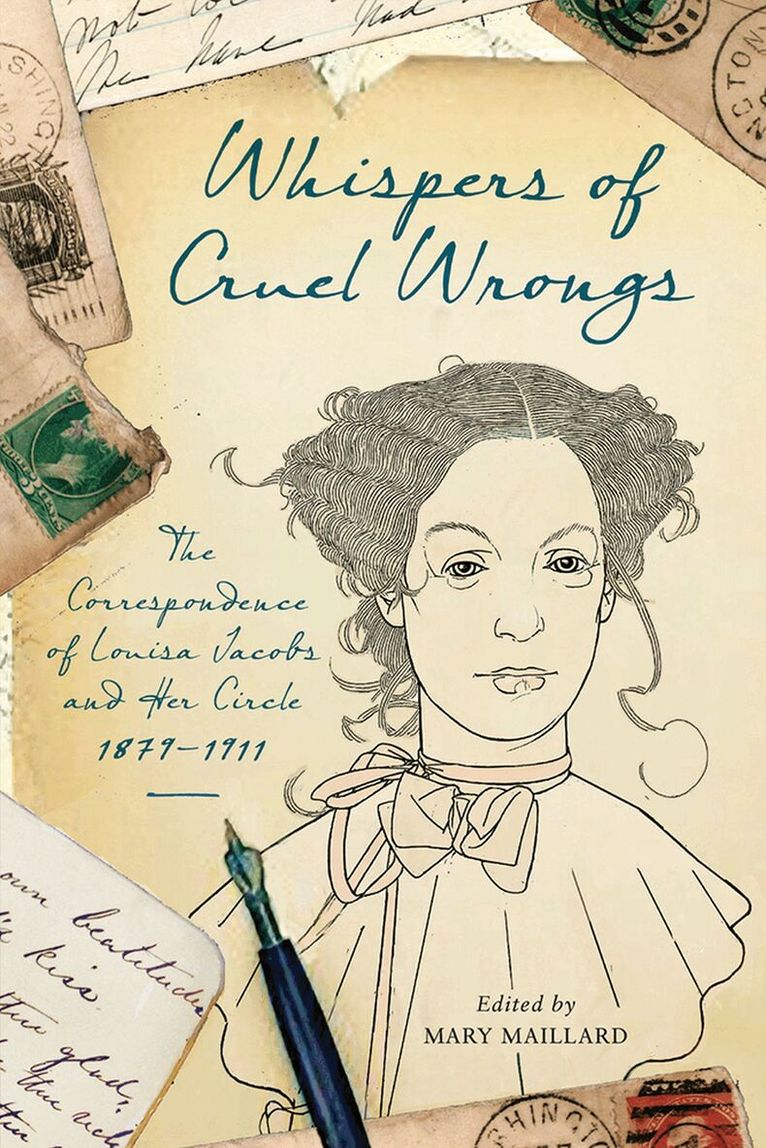
Louisa Jacobs was the daughter of Harriet Jacobs, author of the famous autobiography Incidents in the Life of a Slave Girl. That work included a heartbreaking account of Harriet parting with six-year-old Louisa, taken away to the North by her white father. Now, rediscovered letters reveal the lives of Louisa and her circle and shed light on Harriet's old age.New voices call out from the lost world of nineteenth-century African American women in this annotated correspondence. Unidentified for nearly one hundred years, over seventy rare letters from Louisa Jacobs, Annie Purvis, and Charlotte Forten to their friend Eugenie Webb disclose the lives of these educated, resourceful women. Jacobs taught at Howard University, ran her own small business, advocated for civil rights, cared for her ailing mother, and worked for two federal agencies. Purvis, Forten, and Webb were descendants of some of Philadelphia's earliest free black abolitionist families. Sustained by friendship and faith, these women created warm and sympathetic relationships, despite difficult family obligations and the racist strife that marked the post-Reconstruction era in Washington, Philadelphia, and New Jersey.