Mary McThomas - Böcker
Visar alla böcker från författaren Mary McThomas. Handla med fri frakt och snabb leverans.
8 produkter
8 produkter
1 762 kr
Kommande
Explains how interconnected race and gender ideologies underlie grievance politics on the Right and reveals how both are transforming American politics, policy, and law.In The Battle for White Male Supremacy, Mary McThomas sheds new light on the entwined racial and gender ideologies that have come to define large segments of the American Right and are roiling American law and politics. Individual chapters trace the development, ideas, and influence of several key groups: incels, alt-right vigilante groups, Christian nationalists, and men’s rights groups at war with the judiciary. While these groups are often treated as discrete phenomena with distinct histories and ostensibly different goals, all share an interconnected belief system of victimhood and embattled white masculinity. By tracking these similarities, McThomas exposes how racial and gendered belief systems are connected both within and across groups.What is more, McThomas shows that these groups’ beliefs and tactics have moved from the extremist fringes of society to the mainstream of American politics. They’ve gained broad traction in public opinion and political discourse, and they are transforming law and policy at both the state and federal levels.
431 kr
Kommande
Explains how interconnected race and gender ideologies underlie grievance politics on the Right and reveals how both are transforming American politics, policy, and law.In The Battle for White Male Supremacy, Mary McThomas sheds new light on the entwined racial and gender ideologies that have come to define large segments of the American Right and are roiling American law and politics. Individual chapters trace the development, ideas, and influence of several key groups: incels, alt-right vigilante groups, Christian nationalists, and men’s rights groups at war with the judiciary. While these groups are often treated as discrete phenomena with distinct histories and ostensibly different goals, all share an interconnected belief system of victimhood and embattled white masculinity. By tracking these similarities, McThomas exposes how racial and gendered belief systems are connected both within and across groups.What is more, McThomas shows that these groups’ beliefs and tactics have moved from the extremist fringes of society to the mainstream of American politics. They’ve gained broad traction in public opinion and political discourse, and they are transforming law and policy at both the state and federal levels.
2 006 kr
Skickas inom 10-15 vardagar
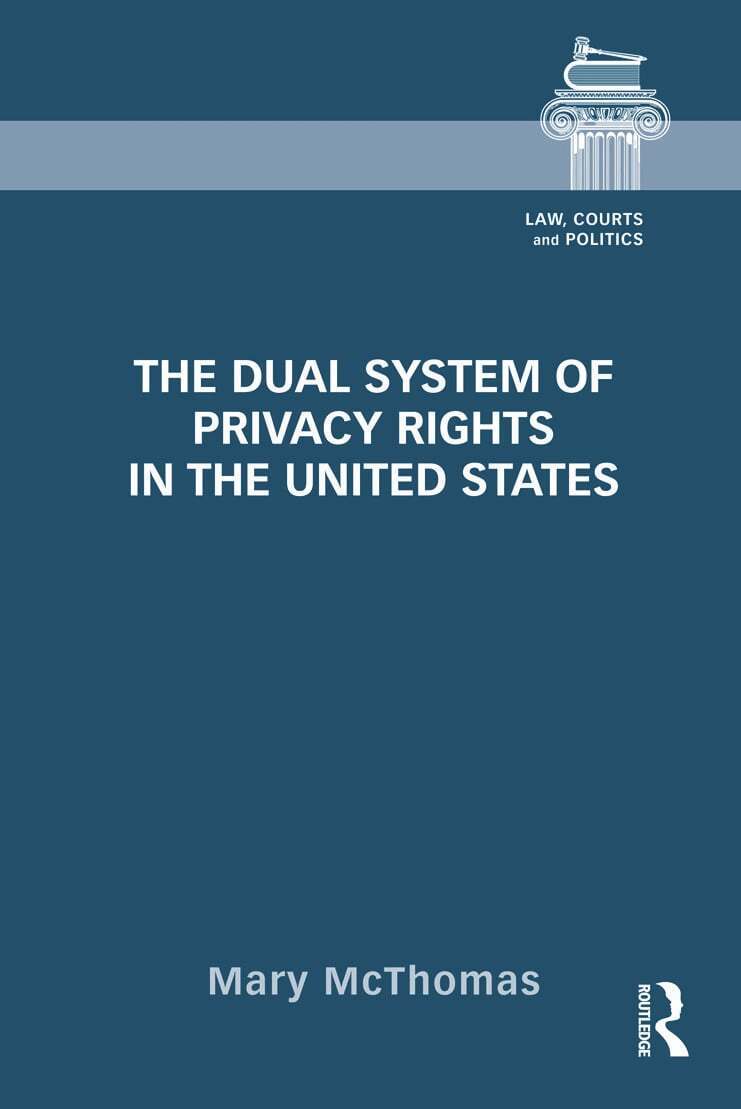
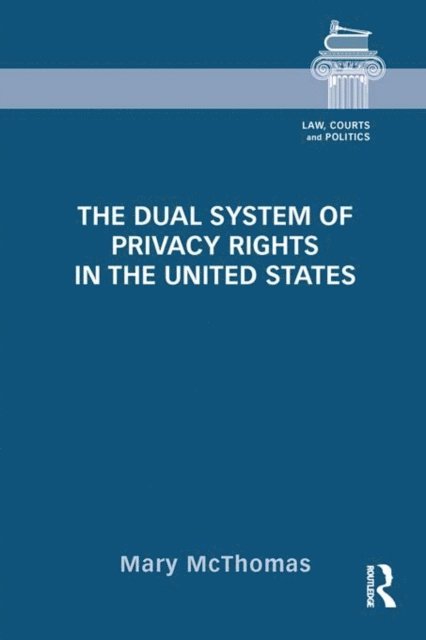
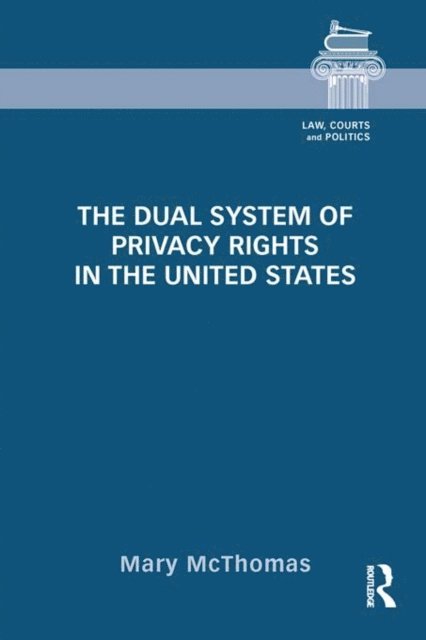
Theoretically, the right to privacy is an individual’s right to space away from the public gaze to make life choices that are best for her or him, regardless of the beliefs of the majority. Yet the right to privacy in the United States has proven problematic for both political theorists and constitutional scholars, as it does not conform to theoretical conceptions of privacy or to existing theories of constitutional development.Mary McThomas provides a new model that helps us to think about both the right to privacy as well as constitutional development. She first divides privacy issues into two categories, and then illustrates how the two categories are treated differently. The first category, proprietary privacy, covers such issues as medical records and wiretapping. The second category, decisional privacy, involves making decisions about intimate matters such as the right to die, same-sex marriage, and abortion. McThomas tracks and assesses higher court cases in conversational privacy, representative of proprietary privacy, and court cases in marital privacy, representative of decisional privacy. She concludes that the most notable difference between the different types of privacy is that decisional privacy has evolved more slowly towards constitutionalization, and so is much more likely to be limited by community standards and social norms.This book brings the theoretical conceptions and the practice of privacy rights together, explaining what has happened in the area up until this point, and offering ways to predict how the courts will handle some of today’s most contentious issues.
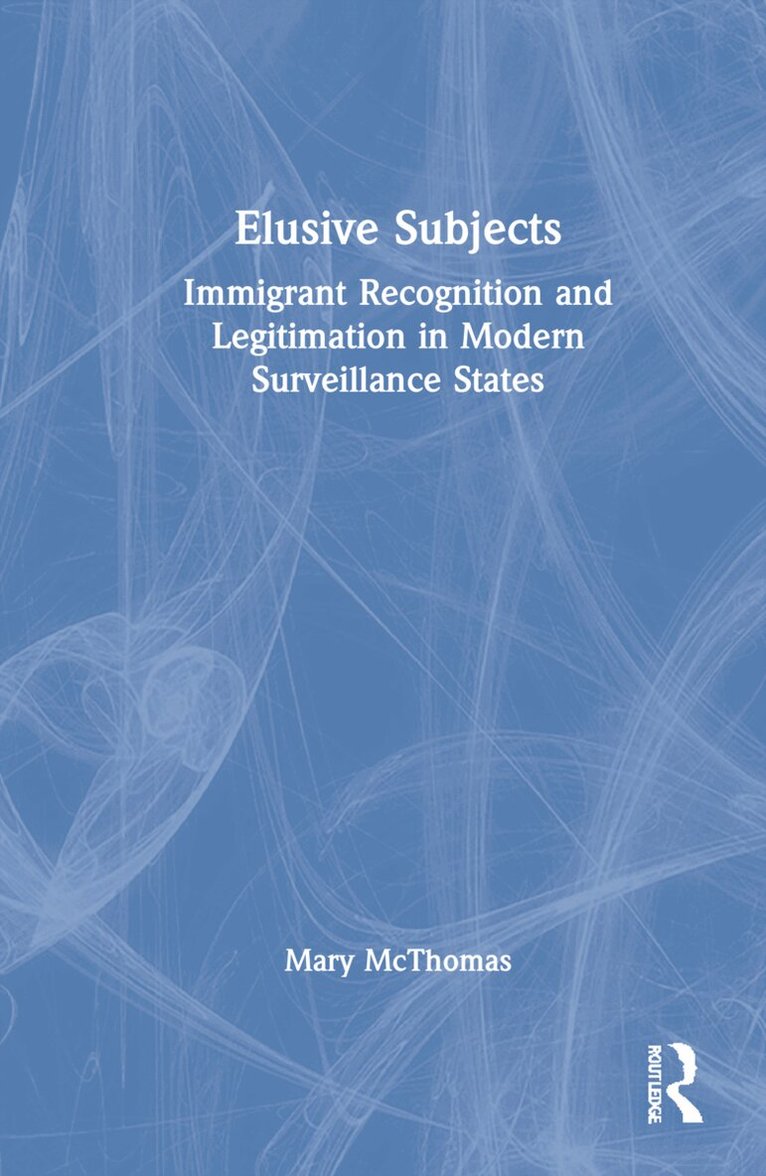
Elusive Subjects
Immigrant Recognition and Legitimation in Modern Surveillance States
Häftad, Engelska, 2022
606 kr
Skickas inom 10-15 vardagar
In this book, Mary McThomas examines how individuals can claim their own subjecthood while still evading the identity-forming powers of state surveillance. Building on post-colonial theories, Queer theories, and surveillance studies, McThomas analyzes how the creation of categories and identities can serve as a form of control or, conversely, can be used as a form of resistance. In doing so, she discusses ways in which state power is extended or frustrated, and the way in which the unauthorized resident shapes public discourse and policy. Featuring over 100 hours of committee meetings, public hearings, and legislative floor debates on sanctuary cities in the United States, McThomas argues for policies that recognize and protect residents while allowing them to remain invisible to federal immigration enforcement officers. She locates sites of contestation and potential points of resistance that allow for individuals to self-create their identities free from state intervention. It is these sites and practices that help to subvert the state’s monopoly on determining which bodies matter and which stories are heard.Elusive Subjects: Immigrant Recognition and Legitimation in Modern Surveillance States will appeal to scholars and instructors in the fields of citizenship studies, surveillance studies, immigration policy, and migration studies.
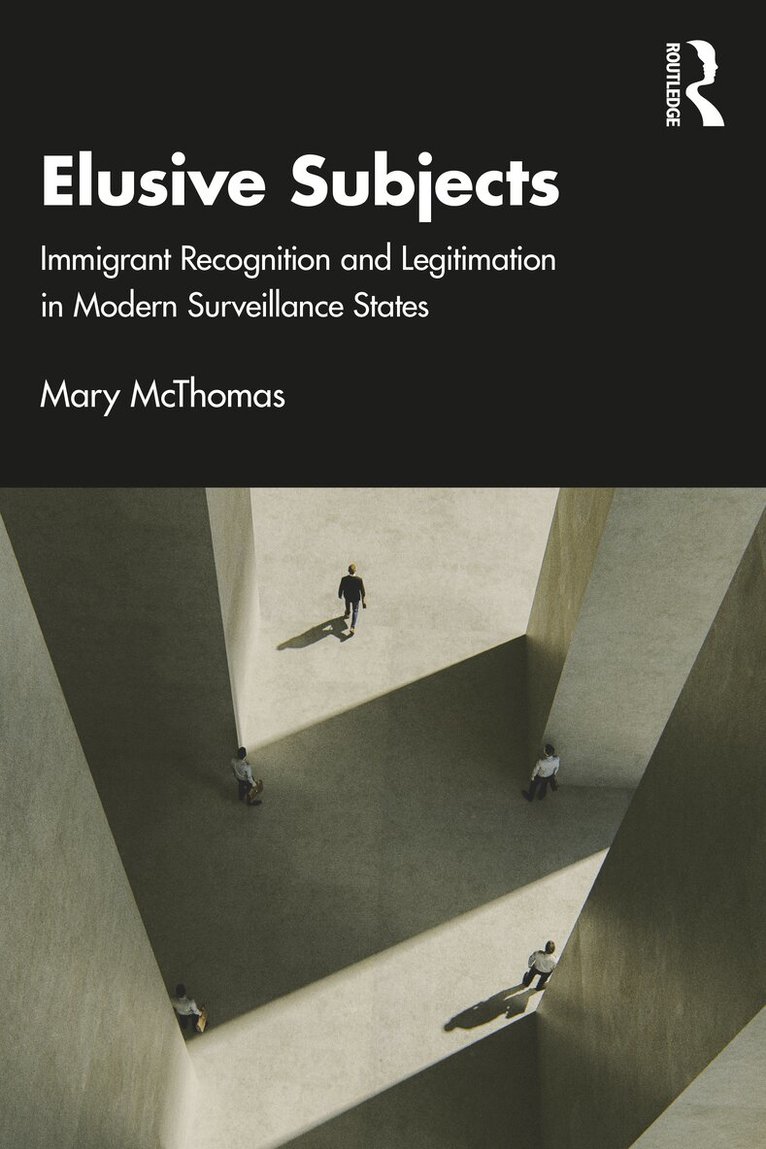
Elusive Subjects
Immigrant Recognition and Legitimation in Modern Surveillance States
Inbunden, Engelska, 2022
2 194 kr
Skickas inom 10-15 vardagar
In this book, Mary McThomas examines how individuals can claim their own subjecthood while still evading the identity-forming powers of state surveillance. Building on post-colonial theories, Queer theories, and surveillance studies, McThomas analyzes how the creation of categories and identities can serve as a form of control or, conversely, can be used as a form of resistance. In doing so, she discusses ways in which state power is extended or frustrated, and the way in which the unauthorized resident shapes public discourse and policy. Featuring over 100 hours of committee meetings, public hearings, and legislative floor debates on sanctuary cities in the United States, McThomas argues for policies that recognize and protect residents while allowing them to remain invisible to federal immigration enforcement officers. She locates sites of contestation and potential points of resistance that allow for individuals to self-create their identities free from state intervention. It is these sites and practices that help to subvert the state’s monopoly on determining which bodies matter and which stories are heard.Elusive Subjects: Immigrant Recognition and Legitimation in Modern Surveillance States will appeal to scholars and instructors in the fields of citizenship studies, surveillance studies, immigration policy, and migration studies.
319 kr
Skickas inom 10-15 vardagar
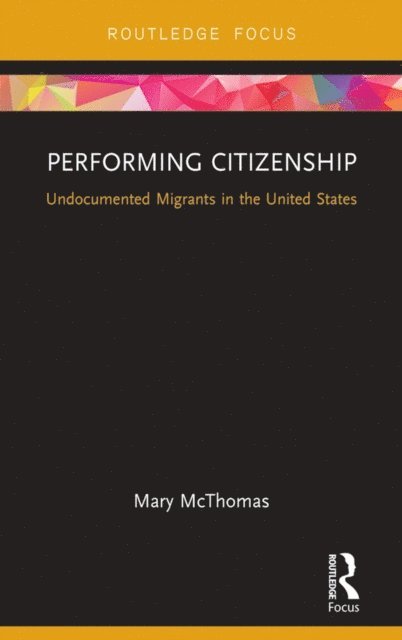
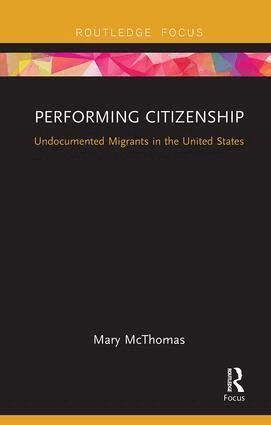
Undocumented migrants in the United States raise compelling questions about political legitimacy, obligation, and citizenship. If they are truly members of their communities, should they have a voice in the laws and policies that impact their lives? Should their interests be considered, especially in light of exploitation by employers, the possibility of detention and the threat of deportation? This book argues that we do indeed owe certain moral and political obligations to those individuals who have been living and contributing to their communities, regardless of whether they initially arrived without documents. McThomas' argument is based on flipping the way we think about political obligation and state-granted citizenship. Instead of the conventional understanding that the conferral of rights by the state obligates citizens to perform certain duties, she argues that the performance of civic duties and obligations – "performing citizenship" – should trigger corresponding rights and protections. The book combines theory and practice to make this argument, analyzing state-level legislative debates about extending driving privileges and in-state tuition rates to undocumented residents. Consistent with the book’s main argument, we see contested notions of what constitutes citizenship in these debates and a growing acknowledgment that those who perform citizenship deserve certain rights and privileges.
822 kr
Skickas inom 10-15 vardagar
Undocumented migrants in the United States raise compelling questions about political legitimacy, obligation, and citizenship. If they are truly members of their communities, should they have a voice in the laws and policies that impact their lives? Should their interests be considered, especially in light of exploitation by employers, the possibility of detention and the threat of deportation? This book argues that we do indeed owe certain moral and political obligations to those individuals who have been living and contributing to their communities, regardless of whether they initially arrived without documents. McThomas' argument is based on flipping the way we think about political obligation and state-granted citizenship. Instead of the conventional understanding that the conferral of rights by the state obligates citizens to perform certain duties, she argues that the performance of civic duties and obligations – "performing citizenship" – should trigger corresponding rights and protections. The book combines theory and practice to make this argument, analyzing state-level legislative debates about extending driving privileges and in-state tuition rates to undocumented residents. Consistent with the book’s main argument, we see contested notions of what constitutes citizenship in these debates and a growing acknowledgment that those who perform citizenship deserve certain rights and privileges.
531 kr
Skickas inom 10-15 vardagar
Theoretically, the right to privacy is an individual’s right to space away from the public gaze to make life choices that are best for her or him, regardless of the beliefs of the majority. Yet the right to privacy in the United States has proven problematic for both political theorists and constitutional scholars, as it does not conform to theoretical conceptions of privacy or to existing theories of constitutional development.Mary McThomas provides a new model that helps us to think about both the right to privacy as well as constitutional development. She first divides privacy issues into two categories, and then illustrates how the two categories are treated differently. The first category, proprietary privacy, covers such issues as medical records and wiretapping. The second category, decisional privacy, involves making decisions about intimate matters such as the right to die, same-sex marriage, and abortion. McThomas tracks and assesses higher court cases in conversational privacy, representative of proprietary privacy, and court cases in marital privacy, representative of decisional privacy. She concludes that the most notable difference between the different types of privacy is that decisional privacy has evolved more slowly towards constitutionalization, and so is much more likely to be limited by community standards and social norms.This book brings the theoretical conceptions and the practice of privacy rights together, explaining what has happened in the area up until this point, and offering ways to predict how the courts will handle some of today’s most contentious issues.