Mary S. Zurbuchen - Böcker
Visar alla böcker från författaren Mary S. Zurbuchen. Handla med fri frakt och snabb leverans.
3 produkter
3 produkter
137 kr
Skickas inom 7-10 vardagar
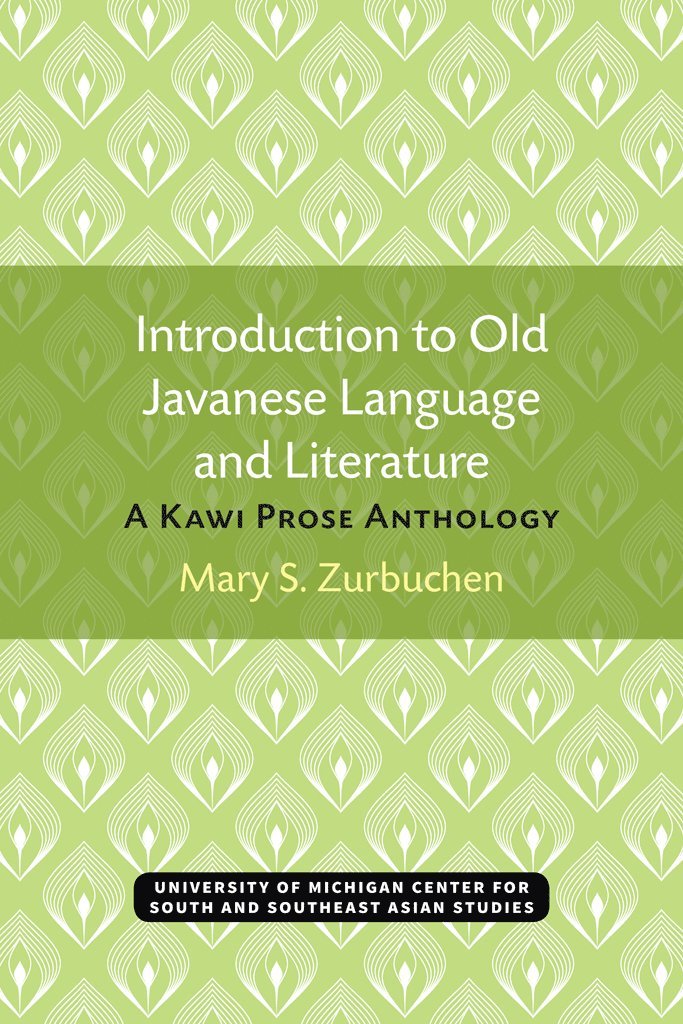
The oldest and most extensive written language of Southeast Asia is Old Javanese, or Kawi. It is the oldest language in terms of written records, and the most extensive in the number and variety of its texts. Javanese literature has taken many forms. At various times, prose stories, sung poetry or other metrical types, chronicles, scientific, legal, and philosophical treatises, prayers, chants, songs, and folklore were all written down. Yet relatively few texts are available in English. The unstudied texts remaining are an unexplored record of Javanese culture as well as a language still alive as a literary medium in Bali. Introduction to Old Javanese Language and Literature represents a first step toward remedying the dearth of Old Javanese texts available to English-speaking students. The ideal teaching companion, this anthology offers transliterated original texts with facing-page English translations. Theanthology focuses on prose selections, since their straightforward style and syntax offer the beginning student the most rewarding experience. Four sections make up the collection. Part I offers several short readings as the most accessible entry point into Old Javanese. Part II contains two moralistic fables from an Old Javanese retelling of the Hindu Pañcatantra cycle. Part III takes up the epic, providing excerpts from one of the books of the Old Javanese retelling of the Mahābhārata. Part IV offers excerpts from two chronicles, the generic conventions of which challenge received notions of history writing because of their supernaturalism and folkloric elements. Includes introduction, glossary, and notes.
584 kr
Skickas inom 3-6 vardagar
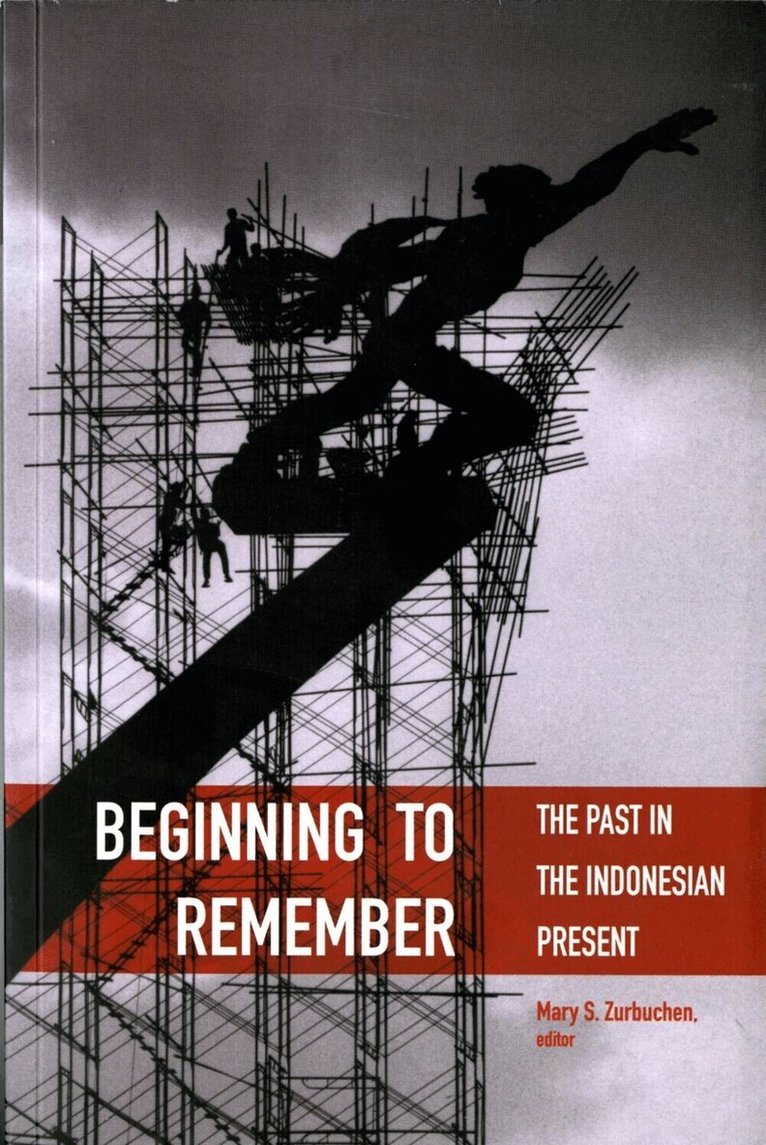
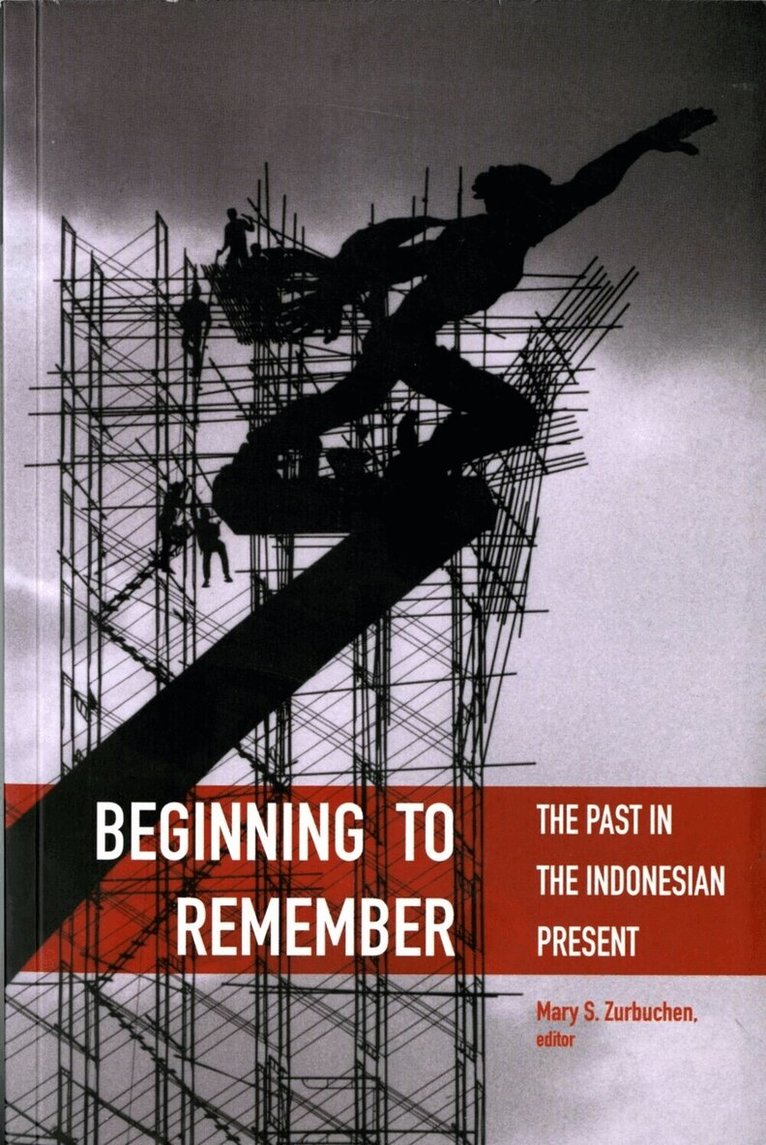
Beginning to Remember charts Indonesia's turbulent decades of cultural repression and renewal amid the rise and fall of Suharto's New Order regime. These cross-disciplinary pieces illuminate Indonesia’s current efforts to reexamine and understand its past in order to shape new civic and cultural arrangements.In 1998, "reformasi" brought a wave of relief and euphoria. But Suharto's removal did not dispel persistent corruption, official secrecy and denial, religious and ethnic violence, and security policies leading to tragedy in East Timor, Aceh, and other regions. But the reformasi did open up new possibilities for seeing the past. What followed was a surge of discourse that challenged officially codified national history in mass media and publishing, in public policy debate, in the arts, and in popular mobilization and politics.This volume is an exploration of some of the expressions, narratives, and interpretations of the past found in Indonesia today. The authors illustrate ways in which the dissolution of the Indonesian state's monopoly on history is now permitting new national, local, and individual accounts and representations of the past to emerge. The book covers fields from performing arts and literature to anthropology, history, and transitional justice.The book opens with Goenawan Mohamad's dramatic poem Kali, the first publication of this important work by one of Indonesia’s leading intellectuals, which has become the libretto for an international opera production. Another chapter is a personal memoir by one of Java’s famous shadow-play masters, Tristuti Rachmadi, for years imprisoned under the New Order. Leading historian Anthony Reid commemorates the national struggle at the regional level, while South African lawyer Paul van Zyl compares efforts in transitional justice in Indonesia, East Timor, and South Africa.
1 739 kr
Skickas inom 3-6 vardagar
Beginning to Remember charts Indonesia's turbulent decades of cultural repression and renewal amid the rise and fall of Suharto's New Order regime. These cross-disciplinary pieces illuminate Indonesia’s current efforts to reexamine and understand its past in order to shape new civic and cultural arrangements.In 1998, "reformasi" brought a wave of relief and euphoria. But Suharto's removal did not dispel persistent corruption, official secrecy and denial, religious and ethnic violence, and security policies leading to tragedy in East Timor, Aceh, and other regions. But the reformasi did open up new possibilities for seeing the past. What followed was a surge of discourse that challenged officially codified national history in mass media and publishing, in public policy debate, in the arts, and in popular mobilization and politics.This volume is an exploration of some of the expressions, narratives, and interpretations of the past found in Indonesia today. The authors illustrate ways in which the dissolution of the Indonesian state's monopoly on history is now permitting new national, local, and individual accounts and representations of the past to emerge. The book covers fields from performing arts and literature to anthropology, history, and transitional justice.The book opens with Goenawan Mohamad's dramatic poem Kali, the first publication of this important work by one of Indonesia’s leading intellectuals, which has become the libretto for an international opera production. Another chapter is a personal memoir by one of Java’s famous shadow-play masters, Tristuti Rachmadi, for years imprisoned under the New Order. Leading historian Anthony Reid commemorates the national struggle at the regional level, while South African lawyer Paul van Zyl compares efforts in transitional justice in Indonesia, East Timor, and South Africa.