Mary T. Boatwright - Böcker
Visar alla böcker från författaren Mary T. Boatwright. Handla med fri frakt och snabb leverans.
6 produkter
6 produkter
1 375 kr
Skickas inom 7-10 vardagar
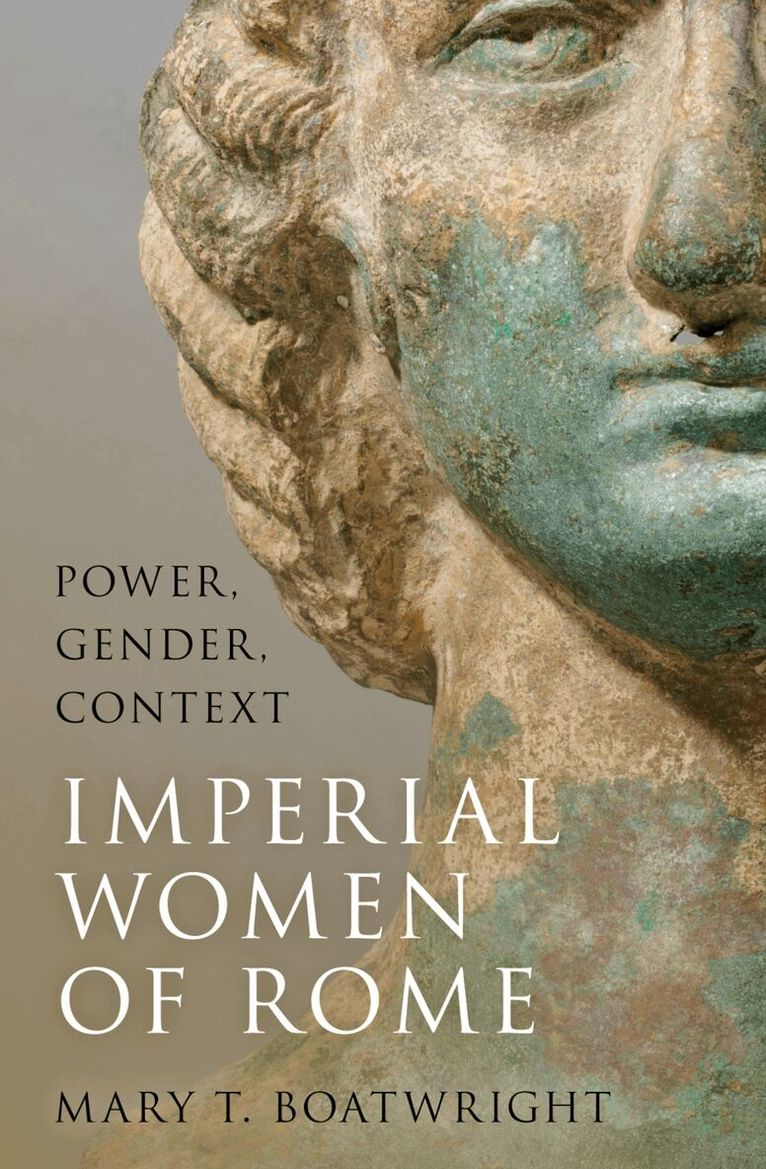
The Imperial Women of Rome explores the constraints and activities of the women who were part of Rome's imperial families from 35 BCE to 235 CE, the Roman principate. Boatwright uses coins, inscriptions, papyri, material culture, and archaeology, as well as the more familiar but biased ancient authors, to depict change and continuity in imperial women's pursuits and representations over time. Focused vignettes open each thematic chapter, emphasizing imperial women as individuals and their central yet marginalized position in the principate. Evaluating historical contingency and personal agency, the book assesses its subjects in relation to distinct Roman structures rather than as a series of biographies. Rome's imperial women allow us to probe the meanings of the emperor's authority and power; Roman law; the Roman family; Roman religion and imperial cult; imperial presence in the city of Rome; statues and exemplarity; and the military and communications. The book is richly illustrated and offers detailed information in tables and appendices, including one for the life events of the imperial women discussed in the text. Considered over time and as a whole, Livia, the Agrippinas and Faustinas, Julia Domna, and others closely connected to Rome's emperors enrich our understanding of Roman history and offer glimpses of fascinating and demanding lives.
951 kr
Kommande
Firmly based on ancient literature and material evidence, this illustrated biography assesses the life of Agrippina the Younger (15–59 CE). Agrippina was declared "unique" by Tacitus, ancient Rome's most insightful political historian, both for her own political standing and as the daughter of a triumphing general and the sister, wife, and mother of emperors--respectively, Caligula (r. 37–41), Claudius (r. 41–54), and Nero (r. 54–68). Tacitus and other ancient historians depict her with horrified fascination as they vividly chart her growing presence through tumultuous vicissitudes, ending with her murder by her son Nero in 59. Documentary evidence corroborates Agrippina as extraordinary. Among other "firsts," she is the first woman to be portrayed and identified on coins while alive; the first woman whose name is given to a veteran colony; and she appeared in more numerous statuary installations than known for earlier women. Agrippina's life sheds light on Rome's evolution into a monarchy dominated by her family; it also illuminates the endurance of Rome's ancestral patriarchy, showing the tight limits of power even for imperial women. Assessment of her reception up to the twentieth century highlights the importance of Tacitus for our understanding of this remarkable political creature. Neither damning nor glorifying Agrippina, this biography sensitively relies on ancient evidence to tell her story.
526 kr
Skickas inom 3-6 vardagar
The Imperial Women of Rome explores the constraints and activities of the women who were part of Rome's imperial families from 35 BCE to 235 CE, the Roman principate. Boatwright uses coins, inscriptions, papyri, material culture, and archaeology, as well as the more familiar but biased ancient authors, to depict change and continuity in imperial women's pursuits and representations over time. Focused vignettes open each thematic chapter, emphasizing imperial women as individuals and their central yet marginalized position in the principate. Evaluating historical contingency and personal agency, the book assesses its subjects in relation to distinct Roman structures rather than as a series of biographies. Rome's imperial women allow us to probe the meanings of the emperor's authority and power; Roman law; the Roman family; Roman religion and imperial cult; imperial presence in the city of Rome; statues and exemplarity; and the military and communications. The book is richly illustrated and offers detailed information in tables and appendices, including one for the life events of the imperial women discussed in the text. Considered over time and as a whole, Livia, the Agrippinas and Faustinas, Julia Domna, and others closely connected to Rome's emperors enrich our understanding of Roman history and offer glimpses of fascinating and demanding lives.
266 kr
Kommande
Firmly based on ancient literature and material evidence, this illustrated biography assesses the life of Agrippina the Younger (15–59 CE). Agrippina was declared "unique" by Tacitus, ancient Rome's most insightful political historian, both for her own political standing and as the daughter of a triumphing general and the sister, wife, and mother of emperors--respectively, Caligula (r. 37–41), Claudius (r. 41–54), and Nero (r. 54–68). Tacitus and other ancient historians depict her with horrified fascination as they vividly chart her growing presence through tumultuous vicissitudes, ending with her murder by her son Nero in 59. Documentary evidence corroborates Agrippina as extraordinary. Among other "firsts," she is the first woman to be portrayed and identified on coins while alive; the first woman whose name is given to a veteran colony; and she appeared in more numerous statuary installations than known for earlier women. Agrippina's life sheds light on Rome's evolution into a monarchy dominated by her family; it also illuminates the endurance of Rome's ancestral patriarchy, showing the tight limits of power even for imperial women. Assessment of her reception up to the twentieth century highlights the importance of Tacitus for our understanding of this remarkable political creature. Neither damning nor glorifying Agrippina, this biography sensitively relies on ancient evidence to tell her story.
344 kr
Skickas inom 7-10 vardagar
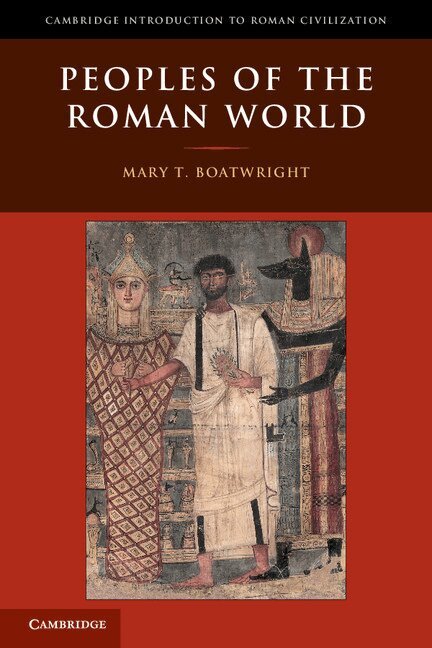
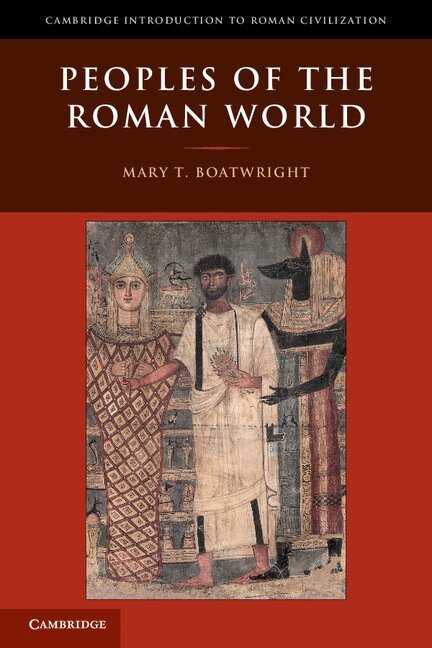
In this highly-illustrated book, Mary T. Boatwright examines five of the peoples incorporated into the Roman world from the Republican through the Imperial periods: northerners, Greeks, Egyptians, Jews and Christians. She explores the tension between assimilation and distinctiveness in the Roman world over time, as well as the changes effected in Rome by its multicultural nature. Underlining the fundamental importance of diversity in Rome's self-identity, the book explores Roman tolerance of difference and community as the Romans expanded and consolidated their power and incorporated other peoples into their empire. Peoples of the Roman World provides an accessible account of Rome's social, cultural, religious and political history, exploring the rich literary, documentary and visual evidence for these peoples and Rome's reactions to them.
1 065 kr
Skickas inom 7-10 vardagar
In this highly-illustrated book, Mary T. Boatwright examines five of the peoples incorporated into the Roman world from the Republican through the Imperial periods: northerners, Greeks, Egyptians, Jews and Christians. She explores the tension between assimilation and distinctiveness in the Roman world over time, as well as the changes effected in Rome by its multicultural nature. Underlining the fundamental importance of diversity in Rome's self-identity, the book explores Roman tolerance of difference and community as the Romans expanded and consolidated their power and incorporated other peoples into their empire. Peoples of the Roman World provides an accessible account of Rome's social, cultural, religious and political history, exploring the rich literary, documentary and visual evidence for these peoples and Rome's reactions to them.