Matilde Córdoba Azcárate - Böcker
Visar alla böcker från författaren Matilde Córdoba Azcárate. Handla med fri frakt och snabb leverans.
4 produkter
4 produkter
1 513 kr
Skickas inom 3-6 vardagar
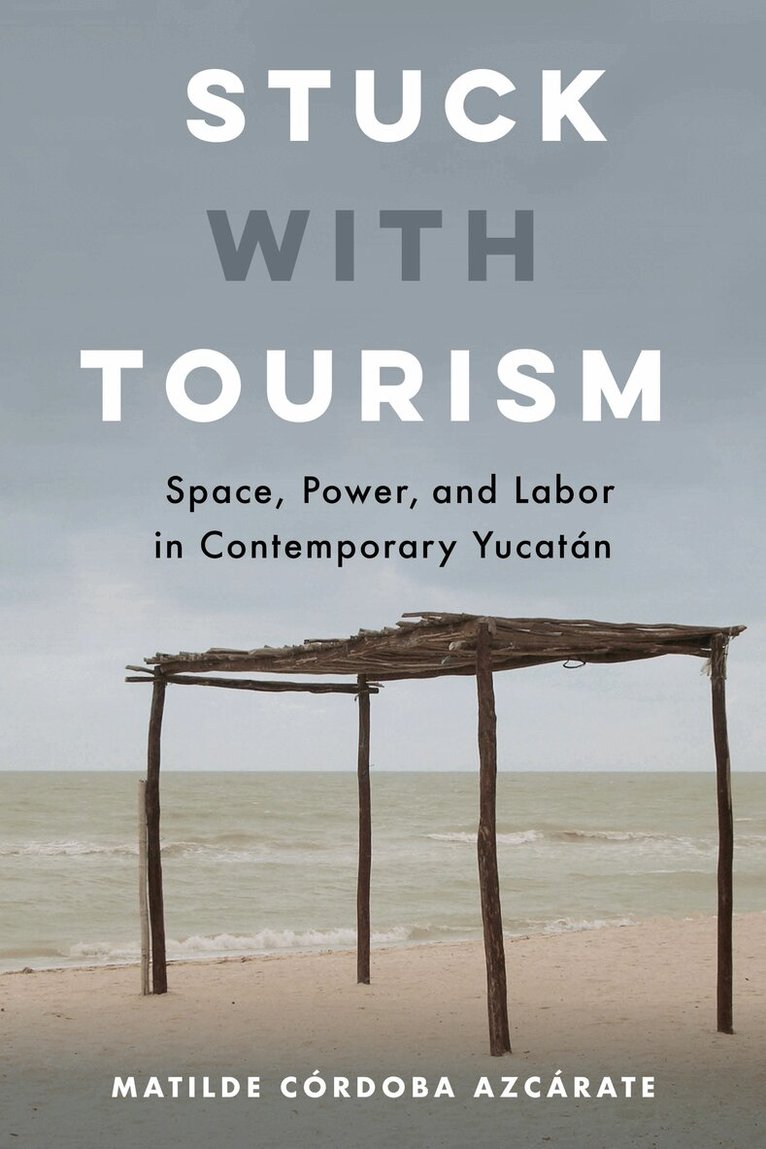
Tourism has become one of the most powerful forces organizing the predatory geographies of late capitalism. It creates entangled futures of exploitation and dependence, extracting resources and labor, and eclipsing other ways of doing, living, and imagining life. And yet, tourism also creates jobs, encourages infrastructure development, and in many places inspires the only possibility of hope and well-being. Stuck with Tourism explores the ambivalent nature of tourism by drawing on ethnographic evidence from the Mexican Yucatán Peninsula, a region voraciously transformed by tourism development over the past forty years. Contrasting labor and lived experiences at the beach resorts of Cancún, protected natural enclaves along the Gulf coast, historical buildings of the colonial past, and maquilas for souvenir production in the Maya heartland, this book explores the moral, political, ecological, and everyday dilemmas that emerge when, as Yucatán’s inhabitants put it, people get stuck in tourism’s grip.
250 kr
Skickas inom 7-10 vardagar
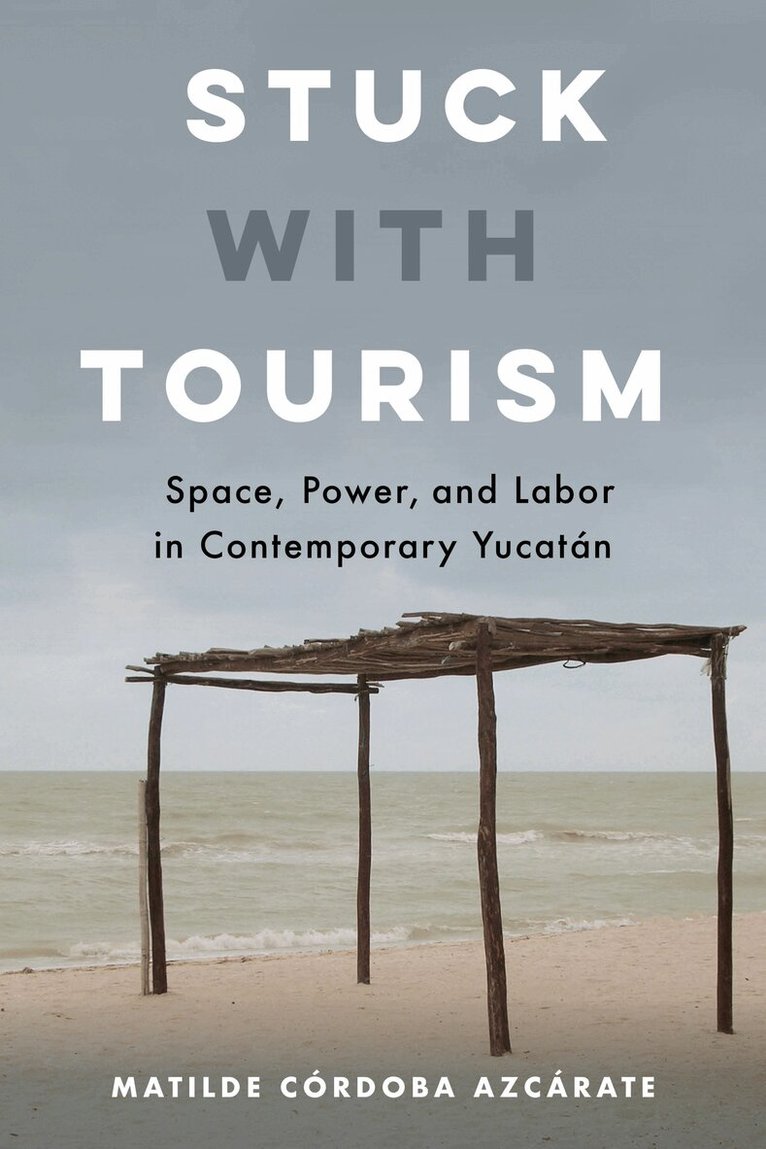
Tourism has become one of the most powerful forces organizing the predatory geographies of late capitalism. It creates entangled futures of exploitation and dependence, extracting resources and labor, and eclipsing other ways of doing, living, and imagining life. And yet, tourism also creates jobs, encourages infrastructure development, and in many places inspires the only possibility of hope and well-being. Stuck with Tourism explores the ambivalent nature of tourism by drawing on ethnographic evidence from the Mexican Yucatán Peninsula, a region voraciously transformed by tourism development over the past forty years. Contrasting labor and lived experiences at the beach resorts of Cancún, protected natural enclaves along the Gulf coast, historical buildings of the colonial past, and maquilas for souvenir production in the Maya heartland, this book explores the moral, political, ecological, and everyday dilemmas that emerge when, as Yucatán’s inhabitants put it, people get stuck in tourism’s grip.
714 kr
Skickas inom 7-10 vardagar
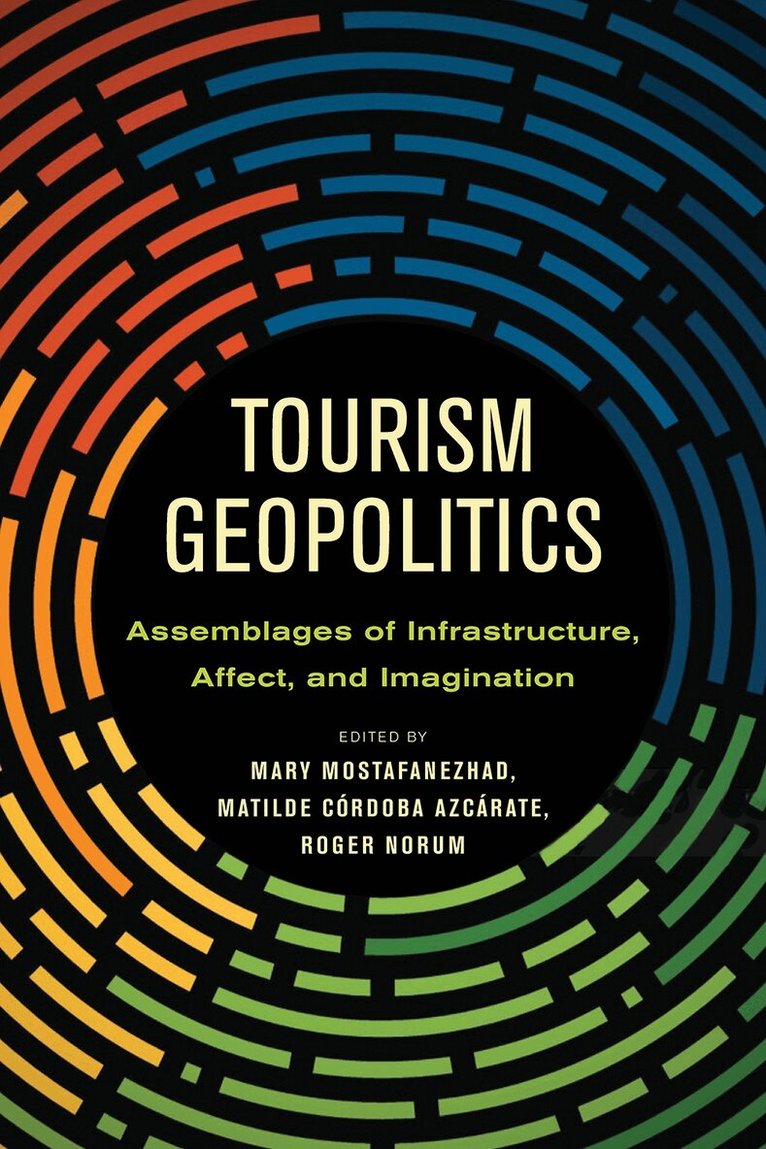
By the start of the century, nearly one billion international travelers were circulating the globe annually, placing tourism among the worlds' most ubiquitous geopolitical encounters. While the COVID-19 pandemic brought the industry to a sudden halt, its geopolitical significance remained. With striking clarity, tourism desires and reinvented mobilities revealed the impermanence of Old World orders as new global alliances were forged. While scholars have critically examined tourism in the contexts of development, cultural change, and environmental crisis, much less attention has been paid to the geopolitical drivers and consequences of the world's largest industry. This collection homes in on tourism and its geopolitical entanglements by examining its contemporary affects, imaginaries, and infrastructures. It develops the concept of tourism geopolitics to reveal the growing centrality of tourism in geopolitical life, as well as the geopolitical nature of the tourism encounter.In Tourism Geopolitics, contributors show enacted processes such as labor migration, conservation, securitization, nation building, territorial disputes, ethnic cleansing, heritage revitalization, and global health crisis management, among others. These contended societal processes are deployed through tourism development initiatives that mobilize deeply uneven symbolic and material landscapes. The chapters reveal how a range of experiences are implicated in this process: museum visits, walking tours, architectonical evocations of the past, road construction, militarized island imaginations, gendered cultural texts, and official silences. Collectively, the chapters offer ethnographically rich illustrations from around the world that demonstrate the critical nature of tourism in formal geopolitical practices, as well as the geopolitical nature of everyday tourism encounters. This volume is a vital read for critical geographers, anthropologists, and political scientists, as well as scholars of tourism and cultural studies.Contributors: Sarah Becklake, M. Bianet Castellanos, Matilde Córdoba Azcárate, Jason Dittmer, Klaus Dodds, Jamie Gillen, Simon Halik, Jordan Hallbauer, James Igoe, Debbie Lisle, Mary Mostafanezhad, Dieter K. Müller, Roger Norum, Alessandro Rippa, Ian Rowen, Juan Francisco Salazar, Tani Sebro, Mimi Sheller, Robert Sounders, Henry Szadziewski, Vernadette Vicuña González, Emma Waterton
465 kr
Skickas inom 7-10 vardagar
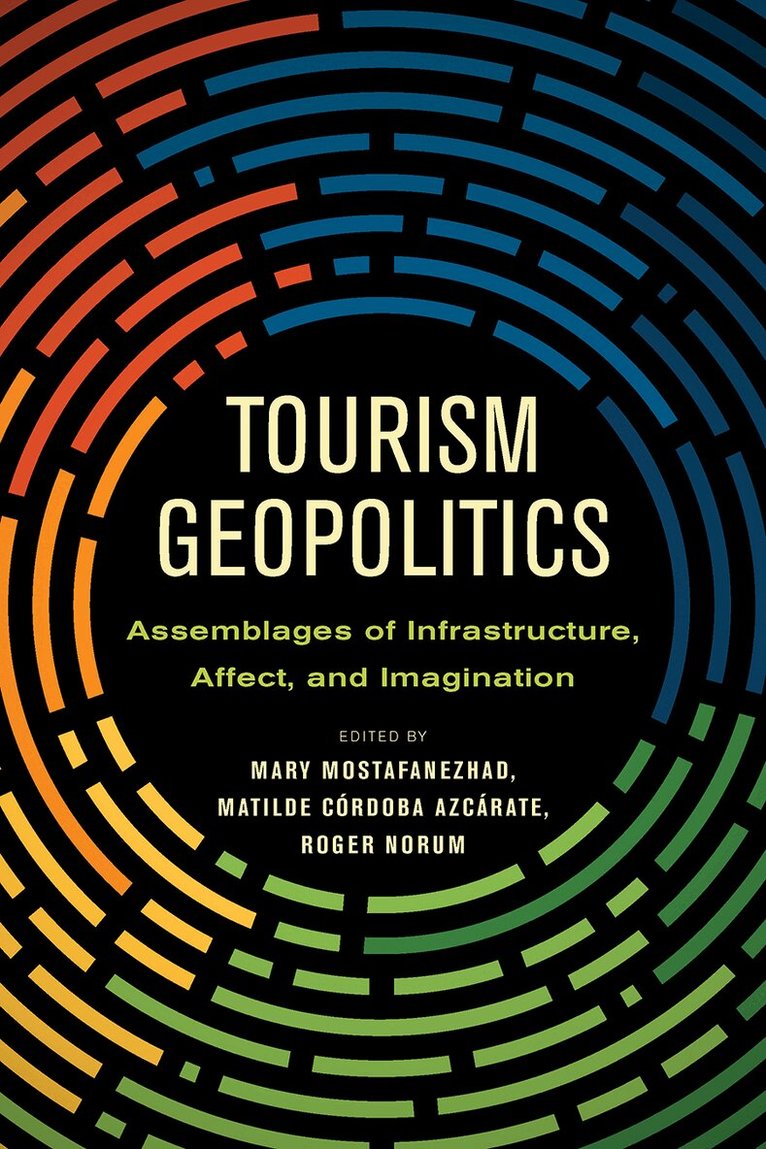
By the start of the century, nearly one billion international travelers were circulating the globe annually, placing tourism among the worlds’ most ubiquitous geopolitical encounters. While the COVID-19 pandemic brought the industry to a sudden halt, its geopolitical significance remained. With striking clarity, tourism desires and reinvented mobilities revealed the impermanence of Old World orders as new global alliances were forged. While scholars have critically examined tourism in the contexts of development, cultural change, and environmental crisis, much less attention has been paid to the geopolitical drivers and consequences of the world’s largest industry. This collection homes in on tourism and its geopolitical entanglements by examining its contemporary affects, imaginaries, and infrastructures. It develops the concept of tourism geopolitics to reveal the growing centrality of tourism in geopolitical life, as well as the geopolitical nature of the tourism encounter.In Tourism Geopolitics, contributors show enacted processes such as labor migration, conservation, securitization, nation building, territorial disputes, ethnic cleansing, heritage revitalization, and global health crisis management, among others. These contended societal processes are deployed through tourism development initiatives that mobilize deeply uneven symbolic and material landscapes. The chapters reveal how a range of experiences are implicated in this process: museum visits, walking tours, architectonical evocations of the past, road construction, militarized island imaginations, gendered cultural texts, and official silences. Collectively, the chapters offer ethnographically rich illustrations from around the world that demonstrate the critical nature of tourism in formal geopolitical practices, as well as the geopolitical nature of everyday tourism encounters. This volume is a vital read for critical geographers, anthropologists, and political scientists, as well as scholars of tourism and cultural studies.Contributors: Sarah Becklake, M. Bianet Castellanos, Matilde CÓrdoba AzcÁrate, Jason Dittmer, Klaus Dodds, Jamie Gillen, Simon Halink, Jordan Hallbauer, James Igoe, Debbie Lisle, Mary Mostafanezhad, Dieter K. MÜller, Roger Norum, Alessandro Rippa, Ian Rowen, Robert Saunders, Juan Francisco Salazar, Tani Sebro, Mimi Sheller, Henrk Szadziewski, Vernadette VicuÑa GonzÁlez, Emma Waterton