Matt Yockey - Böcker
Visar alla böcker från författaren Matt Yockey. Handla med fri frakt och snabb leverans.
3 produkter
3 produkter
276 kr
Skickas inom 10-15 vardagar
ABC’s action-comedy series Batman (1966–68) famously offered a dual address in its wildly popular portayal of a comic book hero in a live action format. Children uncritically accepted the show’s plots and characters, who were guided by lofty ideals and social values, while adults reacted to the clear parody of the values on display. In Batman, author Matt Yockey argues that the series served as a safe space for viewers to engage with changing attitudes about consumerism, politics, the Vietnam war, celebrity, race and gender during a period when social meaning was increasingly contested in America.Yockey examines Batman’s boundary pushing in four chapters. In "Bat-Civics" he analyses the superhero as a conflicted symbol of American identity and considers the ways in which the Batman character parodied that status. Yockey then looks at the show’s experimentation with the superhero genre’s conservative gender and racial politics in "Bat-Difference" and investigates the significance of the show’s choices of stars and guest stars in "Bat-Casting". Finally, he considers how the series’ dual identity as straightforward crime serial and subversive mass culture text set it up for extratextual production in "Bat-Being".The superhero is a conflicted symbol of American identity - representing both excessive individualism and the status quo - making it an especially useful figure for the kind of cultural work that Batman undertook. Batman fans, from popular culture enthusiasts to television history scholars, will enjoy this volume.
1 112 kr
Skickas inom 10-15 vardagar
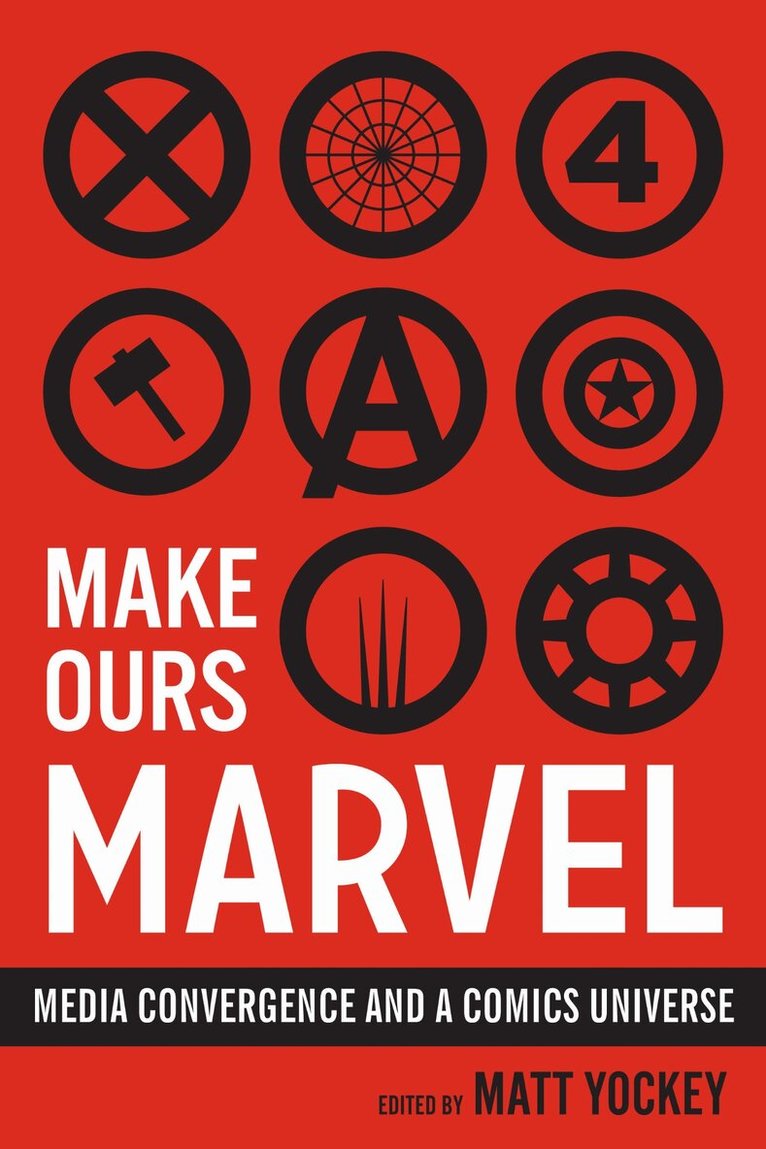
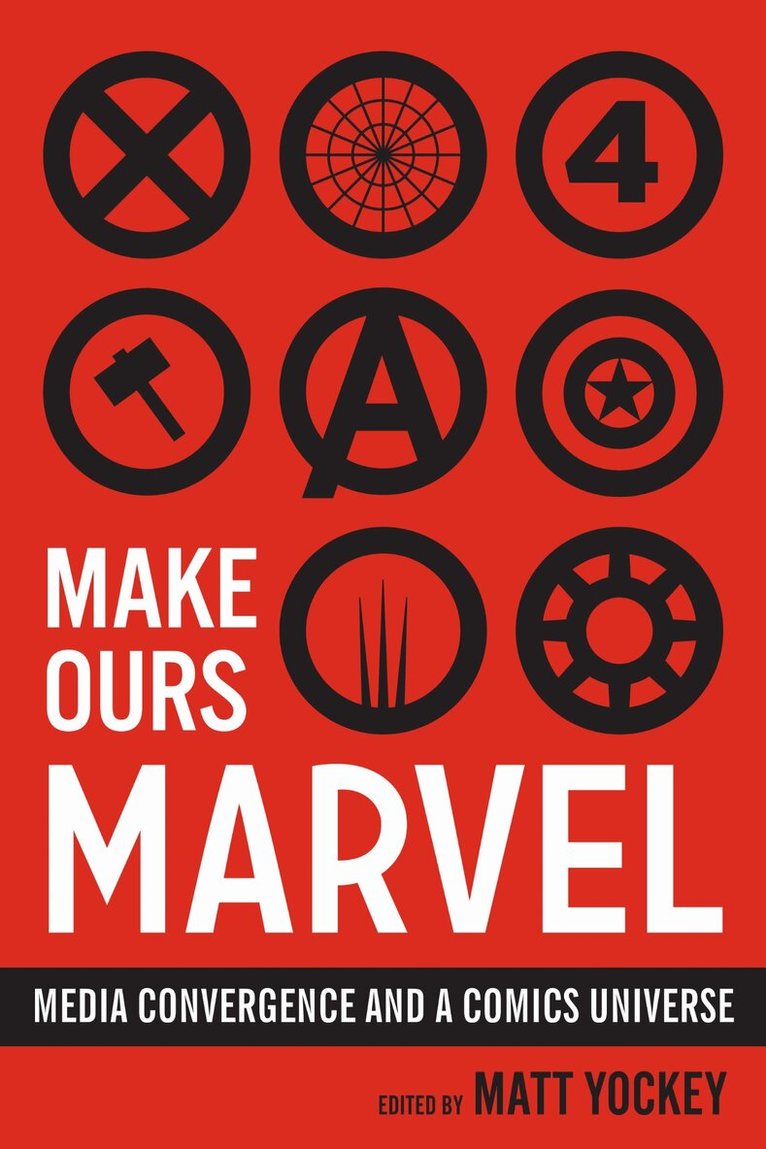
The creation of the Fantastic Four effectively launched the Marvel Comics brand in 1961. Within ten years, the introduction (or reintroduction) of characters such as Spider-Man, the Hulk, Iron Man, Captain America, and the X-Men catapulted Marvel past its primary rival, DC Comics, for domination of the comic book market. Since the 2000s, the company’s iconic characters have leaped from page to screens with the creation of the Marvel Cinematic Universe, which includes everything from live-action film franchises of Iron Man and the Avengers to television and streaming media, including the critically acclaimed Netflix series Daredevil and Jessica Jones. Marvel, now owned by Disney, has clearly found the key to transmedia success.Make Ours Marvel traces the rise of the Marvel brand and its transformation into a transmedia empire over the past fifty years. A dozen original essays range across topics such as how Marvel expanded the notion of an all-star team book with The Avengers, which provided a roadmap for the later films, to the company’s attempts to create lasting female characters and readerships, to its regular endeavors to reinvigorate its brand while still maintaining the stability that fans crave. Demonstrating that the secret to Marvel’s success comes from adeptly crossing media boundaries while inviting its audience to participate in creating Marvel’s narrative universe, this book shows why the company and its characters will continue to influence storytelling and transmedia empire building for the foreseeable future.
343 kr
Skickas
The creation of the Fantastic Four effectively launched the Marvel Comics brand in 1961. Within ten years, the introduction (or reintroduction) of characters such as Spider-Man, the Hulk, Iron Man, Captain America, and the X-Men catapulted Marvel past its primary rival, DC Comics, for domination of the comic book market. Since the 2000s, the company’s iconic characters have leaped from page to screens with the creation of the Marvel Cinematic Universe, which includes everything from live-action film franchises of Iron Man and the Avengers to television and streaming media, including the critically acclaimed Netflix series Daredevil and Jessica Jones. Marvel, now owned by Disney, has clearly found the key to transmedia success.Make Ours Marvel traces the rise of the Marvel brand and its transformation into a transmedia empire over the past fifty years. A dozen original essays range across topics such as how Marvel expanded the notion of an all-star team book with The Avengers, which provided a roadmap for the later films, to the company’s attempts to create lasting female characters and readerships, to its regular endeavors to reinvigorate its brand while still maintaining the stability that fans crave. Demonstrating that the secret to Marvel’s success comes from adeptly crossing media boundaries while inviting its audience to participate in creating Marvel’s narrative universe, this book shows why the company and its characters will continue to influence storytelling and transmedia empire building for the foreseeable future.