Matthew A Frakes – författare
Visar alla böcker från författaren Matthew A Frakes. Handla med fri frakt och snabb leverans.
5 produkter
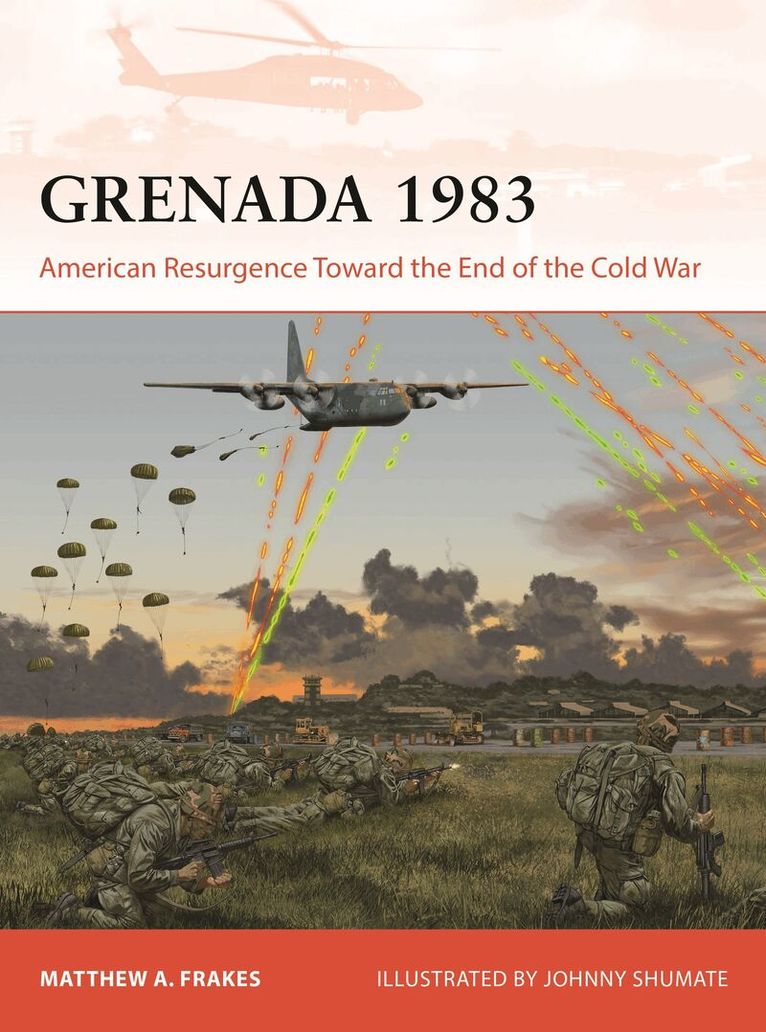
Grenada 1983
American Resurgence Toward the End of the Cold War
Häftad, 2026
215 kr
Lägg i varukorg
A detailed look at the 1983 American invasion of Grenada, the largest and most significant US military operation since the end of the Vietnam War.When a hardline Marxist faction overthrew Grenada’s existing communist regime in October 1983, a coalition of Caribbean countries requested US military …
Grenada 1983
American Resurgence Toward the End of the Cold War
E-bok, 2026
243 kr
Lägg i varukorg
A detailed look at the 1983 American invasion of Grenada, the largest and most significant US military operation since the end of the Vietnam War.When a hardline Marxist faction overthrew Grenada's existing communist regime in October 1983, a coalition of Caribbean countries requested US military …
Grenada 1983
American Resurgence Toward the End of the Cold War
E-bok, 2026
243 kr
Lägg i varukorg
A detailed look at the 1983 American invasion of Grenada, the largest and most significant US military operation since the end of the Vietnam War.When a hardline Marxist faction overthrew Grenada's existing communist regime in October 1983, a coalition of Caribbean countries requested US military …
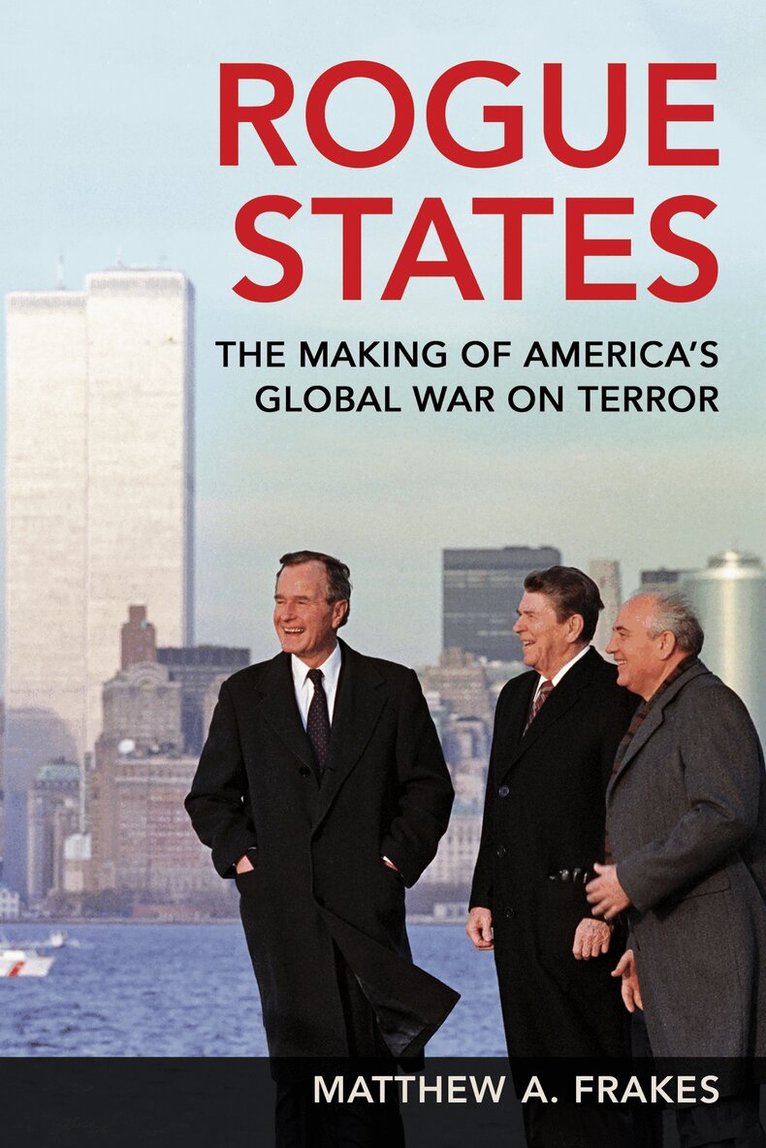
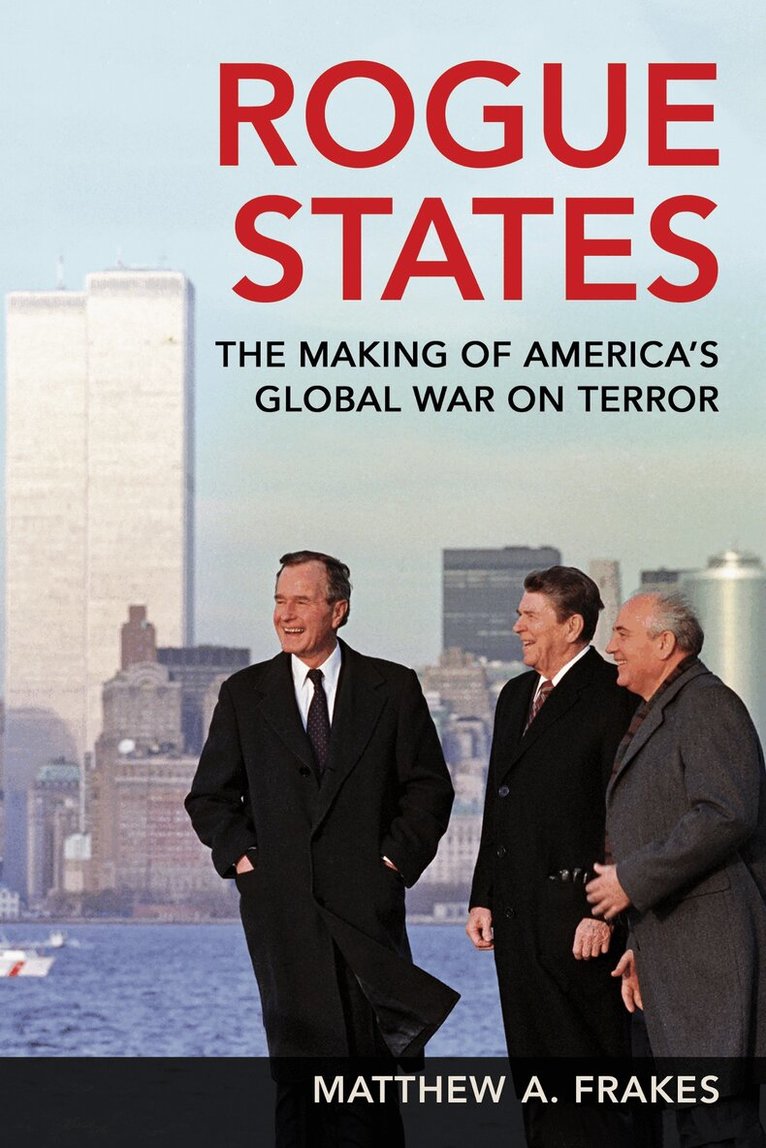
Rogue States
The Making of America's Global War on Terror
Inbunden, 2026
1694 kr
Lägg i varukorg
In Rogue States, Matthew A. Frakes reveals the connection between US national security strategy at the end of the Cold War and the beginning of the War on Terror. Throughout a series of crises from 1981 to 1991, the administrations of Ronald Reagan and George H. W. Bush recognized that emerging …
Rogue States
The Making of America's Global War on Terror
Häftad, 2026
334 kr
Lägg i varukorg
In Rogue States, Matthew A. Frakes reveals the connection between US national security strategy at the end of the Cold War and the beginning of the War on Terror. Throughout a series of crises from 1981 to 1991, the administrations of Ronald Reagan and George H. W. Bush recognized that emerging …