Matthew Bannister - Böcker
Visar alla böcker från författaren Matthew Bannister. Handla med fri frakt och snabb leverans.
5 produkter
5 produkter
595 kr
Skickas inom 7-10 vardagar
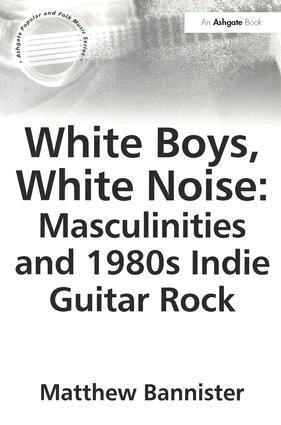
To what extent do indie masculinities challenge the historical construction of rock music as patriarchal? This key question is addressed by Matthew Bannister, involving an in-depth examination of indie guitar rock in the 1980s as the culturally and historically specific production of white men. Through textual analysis of musical and critical discourses, Bannister provides the first book-length study of masculinity and ethnicity within the context of indie guitar music within US, UK and New Zealand 'scenes'. Bannister argues that past theorisations of (rock) masculinities have tended to set up varieties of working-class deviance and physical machismo as 'straw men', oversimplifying masculinities as 'men behaving badly'. Such approaches disavow the ways that masculine power is articulated in culture not only through representation but also intellectual and theoretical discourse. By re-situating indie in a historical/cultural context of art rock, he shows how masculine power can be rearticulated through high, avant-garde, bohemian culture and aesthetic theory: canonism, negation (Adorno), passivity, voyeurism and camp (Andy Warhol and the Velvet Underground), and primitivism and infantilism (Lester Bangs, Simon Reynolds). In a related vein, he also assesses the impact of Freud on cultural theory, arguing that reversing binary conceptions of gender by associating masculinities with an essentialised passive femininity perpetuates patriarchal dualism. Drawing on his own experience as an indie musician, Bannister surveys a range of indie artists, including The Smiths, The Jesus and Mary Chain, My Bloody Valentine and The Go-Betweens; from the US, R.E.M., The Replacements, Dinosaur Jr, Hüsker Dü, Nirvana and hardcore; and from NZ, Flying Nun acts, including The Chills, The Clean, the Verlaines, Chris Knox, Bailter Space, and The Bats, demonstrating broad continuities between these apparently disparate scenes, in terms of gender, aesthetic theory and approaches to popular musical history. The result is a book which raises some important questions about how gender is studied in popular culture and the degree to which alternative cultures can critique dominant representations of gender.
1 045 kr
Skickas inom 10-15 vardagar
Eye of the Taika: New Zealand Comedy and the Films of Taika Waititi is the first book-length study of comic film director and media celebrity Taika Waititi. Author Matthew Bannister analyses Waititi's feature films and places his other works and performances-short films, TV series, advertisements, music videos, and media appearances-in the fabric of popular culture. The book's thesis is that Waititi's playful comic style draws on an ironic reading of NZ identity as Antipodean camp, a style which reflects NZ's historic status as colonial underdog. The first four chapters of Eye of the Taika explore Waititi's early life and career, the history of New Zealand and its film industry, the history of local comedy and its undervaluation in favor of more ""serious"" art, and ethnicity in New Zealand comedy. Bannister then focuses on Waititi's films, beginning with Eagle vs Shark (2007) and its place in ""New Geek Cinema,"" despite being an outsider even in this realm. Bannister uses Boy (2010) to address the ""comedian comedy,"" arguing that Waititi is a comedic entertainer before being a director. With What We Do in The Shadows (2014), Bannister explores Waititi's use of the vampire as the archetypal immigrant struggling to fit into mainstream society, under the guise of a mockumentary. Waititi's Hunt for the Wilderpeople (2016), Bannister argues, is a family-friendly, rural-based romp that plays on and ironizes aspects of Aotearoa/New Zealand identity. Thor: Ragnarok (2017) launched Waititi into the Hollywood realm, while introducing a Polynesian perspective on Western superhero ideology. Finally, Bannister addresses Jojo Rabbit (2019) as an ""anti-hate satire"" and questions its quality versus its topicality and timeliness in Hollywood. By viewing Waititi's career and filmography as a series of pranks, Bannister identifies Waititi's playful balance between dominant art worlds and emergent postcolonial innovations, New Zealand national identity and indigenous Aotearoan (and Jewish) roots, and masculinity and androgyny. Eye of the Taika is intended for film scholars and film lovers alike.
394 kr
Skickas inom 10-15 vardagar
Eye of the Taika: New Zealand Comedy and the Films of Taika Waititi is the first book-length study of comic film director and media celebrity Taika Waititi. Author Matthew Bannister analyses Waititi's feature films and places his other works and performances-short films, TV series, advertisements, music videos, and media appearances-in the fabric of popular culture. The book's thesis is that Waititi's playful comic style draws on an ironic reading of NZ identity as Antipodean camp, a style which reflects NZ's historic status as colonial underdog. The first four chapters of Eye of the Taika explore Waititi's early life and career, the history of New Zealand and its film industry, the history of local comedy and its undervaluation in favor of more ""serious"" art, and ethnicity in New Zealand comedy. Bannister then focuses on Waititi's films, beginning with Eagle vs Shark (2007) and its place in ""New Geek Cinema,"" despite being an outsider even in this realm. Bannister uses Boy (2010) to address the ""comedian comedy,"" arguing that Waititi is a comedic entertainer before being a director. With What We Do in The Shadows (2014), Bannister explores Waititi's use of the vampire as the archetypal immigrant struggling to fit into mainstream society, under the guise of a mockumentary. Waititi's Hunt for the Wilderpeople (2016), Bannister argues, is a family-friendly, rural-based romp that plays on and ironizes aspects of Aotearoa/New Zealand identity. Thor: Ragnarok (2017) launched Waititi into the Hollywood realm, while introducing a Polynesian perspective on Western superhero ideology. Finally, Bannister addresses Jojo Rabbit (2019) as an ""anti-hate satire"" and questions its quality versus its topicality and timeliness in Hollywood. By viewing Waititi's career and filmography as a series of pranks, Bannister identifies Waititi's playful balance between dominant art worlds and emergent postcolonial innovations, New Zealand national identity and indigenous Aotearoan (and Jewish) roots, and masculinity and androgyny. Eye of the Taika is intended for film scholars and film lovers alike.
901 kr
Skickas inom 10-15 vardagar
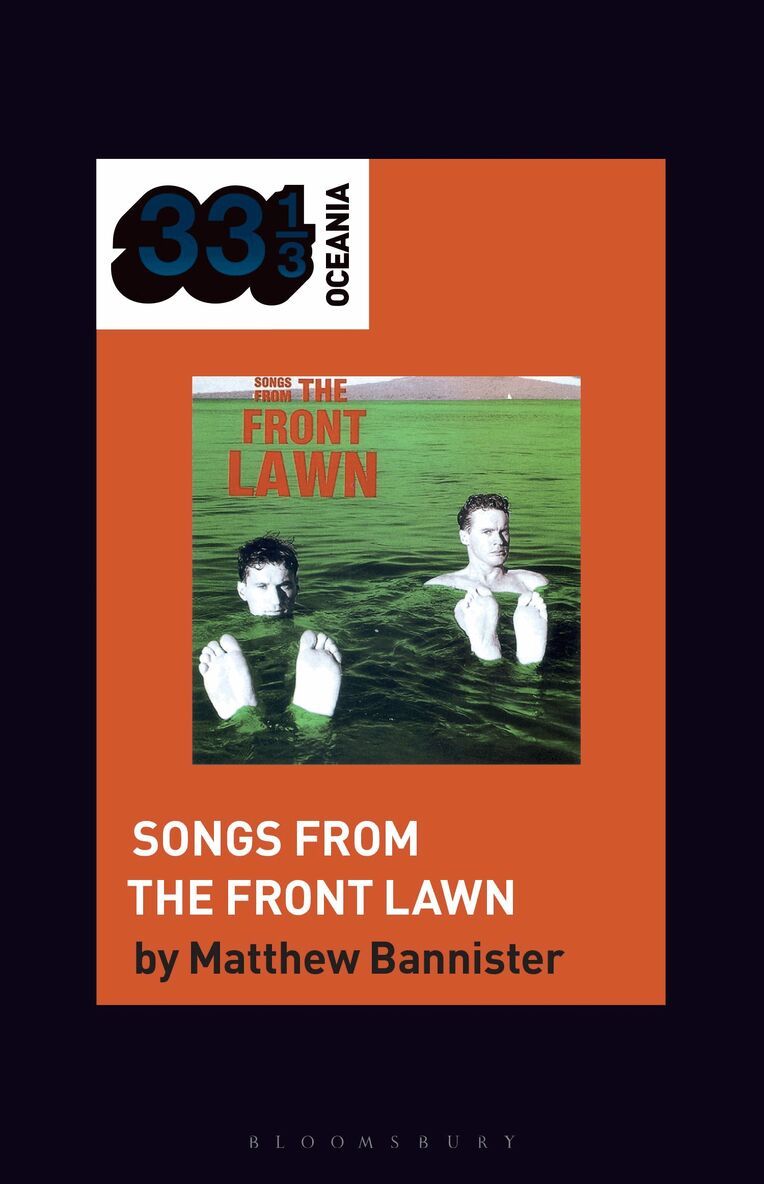
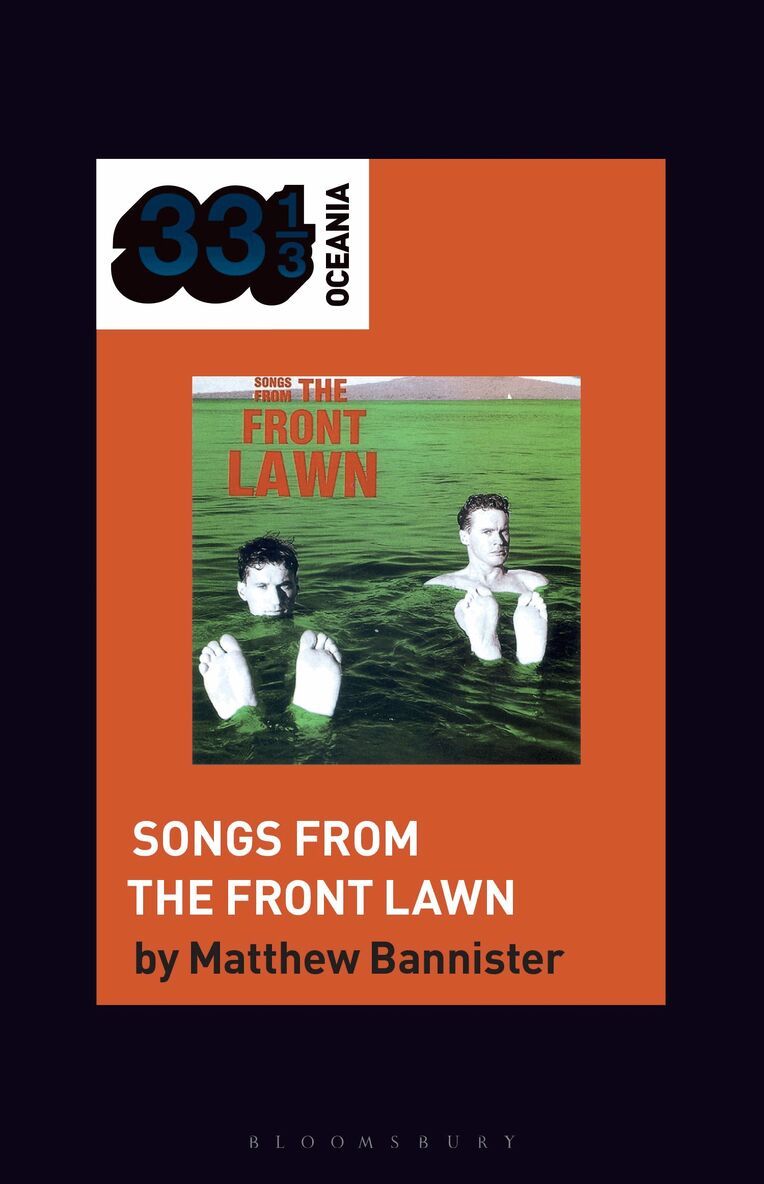
The Front Lawn is a multi-award-winning, much-loved New Zealand duo-turned-trio made up of Don McGlashan, Harry Sinclair and, eventually, Jennifer Ward-Lealand. A 1980s variety act, The Front Lawn was part of an Aotearoa/New Zealand alternative tradition of duos that combine music, comedy, theatre and film. Their debut album Songs from The Front Lawn (1989) distilled McGlashan and Sinclair’s theatrical stage show and their groundbreaking short films, Walkshort and The Lounge Bar, while also thrusting the band into the burgeoning New Zealand indie scene. The album is a snapshot of ’80s New Zealand, a turbulent, creative period for indie music, indie film and musical theatre, celebrating local identity in new ways.Starting with a social and cultural background of New Zealand in the late 1970s, the book covers McGlashan and Sinclair’s upbringing on Auckland’s North Shore, early artistic influences and overseas experiences leading to the formation of the group. Much attention is paid to the duo’s philosophy, early performances, the process of recording the album – including The Front Lawn’s collaboration with Wellington avant-garde/cabaret group Six Volts and the addition of Jennifer Ward-Lealand as the group’s third member – and analysis of each of the album’s 10 songs. In parting, Matthew Bannister discusses the group’s second and final album, More Songs from The Front Lawn, as well as the individual members’ subsequent artistic careers
253 kr
Skickas inom 7-10 vardagar
The Front Lawn is a multi-award-winning, much-loved New Zealand duo-turned-trio made up of Don McGlashan, Harry Sinclair and, eventually, Jennifer Ward-Lealand. A 1980s variety act, The Front Lawn was part of an Aotearoa/New Zealand alternative tradition of duos that combine music, comedy, theatre and film. Their debut album Songs from The Front Lawn (1989) distilled McGlashan and Sinclair’s theatrical stage show and their groundbreaking short films, Walkshort and The Lounge Bar, while also thrusting the band into the burgeoning New Zealand indie scene. The album is a snapshot of ’80s New Zealand, a turbulent, creative period for indie music, indie film and musical theatre, celebrating local identity in new ways.Starting with a social and cultural background of New Zealand in the late 1970s, the book covers McGlashan and Sinclair’s upbringing on Auckland’s North Shore, early artistic influences and overseas experiences leading to the formation of the group. Much attention is paid to the duo’s philosophy, early performances, the process of recording the album – including The Front Lawn’s collaboration with Wellington avant-garde/cabaret group Six Volts and the addition of Jennifer Ward-Lealand as the group’s third member – and analysis of each of the album’s 10 songs. In parting, Matthew Bannister discusses the group’s second and final album, More Songs from The Front Lawn, as well as the individual members’ subsequent artistic careers