Matthew Bryan Gillis – författare
Visar alla böcker från författaren Matthew Bryan Gillis. Handla med fri frakt och snabb leverans.
5 produkter
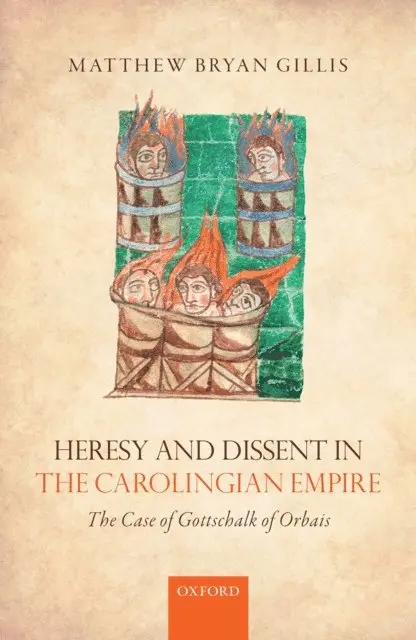
Heresy and Dissent in the Carolingian Empire
The Case of Gottschalk of Orbais
E-bok, 2017
1302 kr
Lägg i varukorg
Heresy and Dissent in the Carolingian Empire recounts the history of an exceptional ninth-century religious outlaw, Gottschalk of Orbais. Frankish Christianity required obedience to ecclesiastical superiors, voluntary participation in reform, and the belief that salvation was possible for all …
Heresy and Dissent in the Carolingian Empire
The Case of Gottschalk of Orbais
E-bok, 2017
1302 kr
Lägg i varukorg
Heresy and Dissent in the Carolingian Empire recounts the history of an exceptional ninth-century religious outlaw, Gottschalk of Orbais. Frankish Christianity required obedience to ecclesiastical superiors, voluntary participation in reform, and the belief that salvation was possible for all …
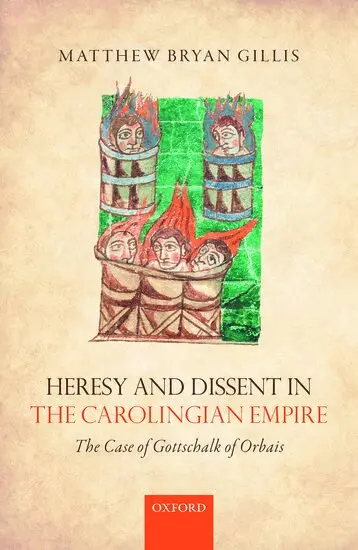
Heresy and Dissent in the Carolingian Empire
The Case of Gottschalk of Orbais
Inbunden, 2017
2031 kr
Lägg i varukorg
Heresy and Dissent in the Carolingian Empire recounts the history of an exceptional ninth-century religious outlaw, Gottschalk of Orbais. Frankish Christianity required obedience to ecclesiastical superiors, voluntary participation in reform, and the belief that salvation was possible for all …
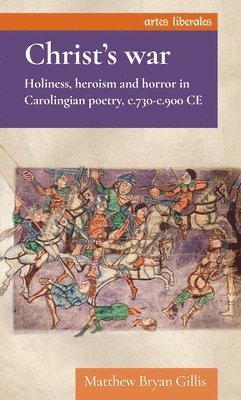
Christ’s war
Holiness, heroism and horror in Carolingian poetry, c.730–c.900 CE
Inbunden, 2026
1411 kr
Lägg i varukorg
Christ’s war examines Carolingian holy war from the forging of their empire in the eighth century to its dissolution in the late ninth century during the Northmen’s attacks. It argues that the Franks understood their wars to be holy when their soldiers were without sin and, therefore, were holy …
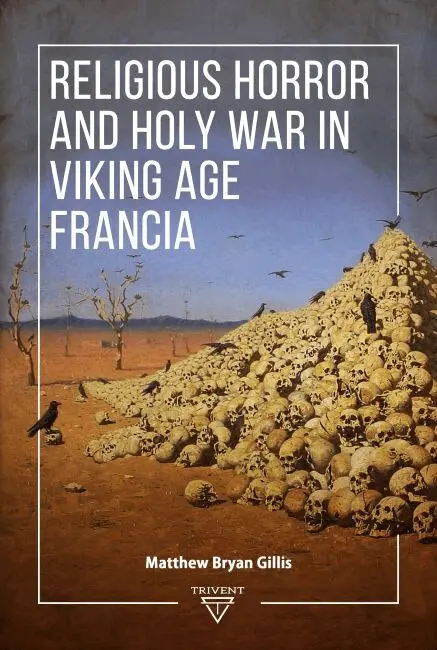
Religious Horror and Holy War in Viking Age Francia
Inbunden, 2021
1000 kr
Lägg i varukorg
Religious Horror and Holy War in Viking Age Francia explores how authorities in western Francia used horror rhetoric to cast Christian soldiers, who robbed the poor and the church, as monsters that devoured human flesh and drank human blood. Adapting modern literary horror approaches to medieval …