
Matthew C. Farmer – författare
1 301 kr
Skickas inom 5-8 vardagar
1 205 kr
Läs direkt efter köp
1 205 kr
Läs direkt efter köp
2 475 kr
Skickas inom 5-8 vardagar
2 607 kr
Läs direkt efter köp
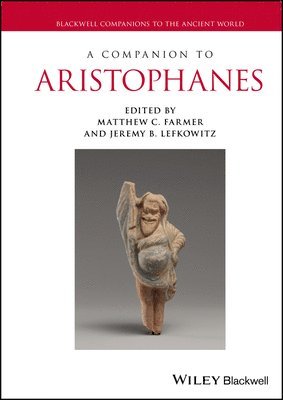
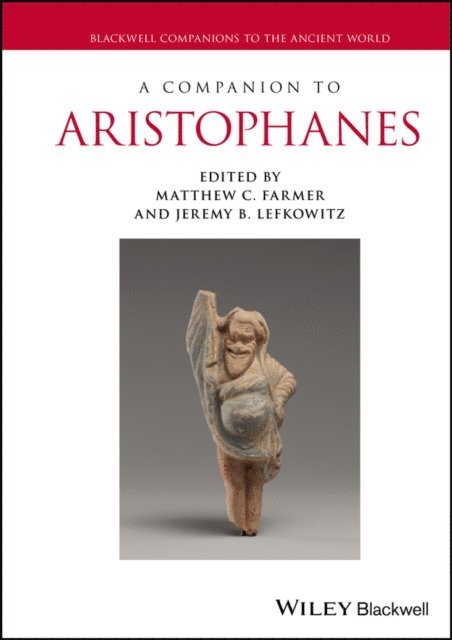
Provides a comprehensive and systematic treatment of the life and work of Aristophanes
A Companion to Aristophanes provides an invaluable set of foundational resources for undergraduates, graduate students, and scholars alike. More than a basic reference text, this innovative volume situates each of Aristophanes'' surviving plays within discussion of key themes relevant to the study of the Aristophanic corpus. Throughout the Companion, an international panel of contributors incorporates material culture and performance context, offers methodological and theoretical insights into the study of Aristophanes, demonstrates the relevance of Aristophanes to modern life, and more.
Each chapter focused on a particular play is paired with a theme that is exemplified by that play, such as gender, sexuality, religion, ritual, and satire. With an emphasis on understanding Greek comedy and its ancient Athenian context, the text includes approaches to Aristophanes through criticism, performance, translation, and teaching to encourage and inform future work on Greek comedy.
Illustrating the vitality of contemporary engagement with one of the world''s great literary figures, this comprehensive volume:
Helps new readers and teachers of Aristophanes appreciate the broader importance of each play within the study of antiquity Offers sophisticated analyses of the Aristophanic corpus and its place in literary and cultural history Includes chapters focused on teaching Aristophanes, including one emphasizing performance Provides detailed syllabi and lesson plans for integrating the material into high school and college curriculaA Companion to Aristophanes is an essential resource for advanced students and instructors in Classics, Ancient Literature, Comparative Literature, and Ancient Drama and Theater. It is also a must-have reference for academic scholars, university libraries, non-specialist Classicists and other literary critics researching ancient drama, and sophisticated general readers interested in Aristophanes, Greek drama, classical Athens, or the ancient Mediterranean world.
723 kr
Läs direkt efter köp
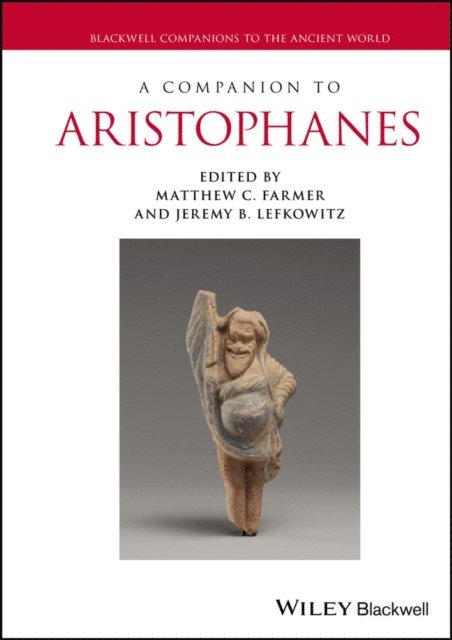
Provides a comprehensive and systematic treatment of the life and work of Aristophanes
A Companion to Aristophanes provides an invaluable set of foundational resources for undergraduates, graduate students, and scholars alike. More than a basic reference text, this innovative volume situates each of Aristophanes'' surviving plays within discussion of key themes relevant to the study of the Aristophanic corpus. Throughout the Companion, an international panel of contributors incorporates material culture and performance context, offers methodological and theoretical insights into the study of Aristophanes, demonstrates the relevance of Aristophanes to modern life, and more.
Each chapter focused on a particular play is paired with a theme that is exemplified by that play, such as gender, sexuality, religion, ritual, and satire. With an emphasis on understanding Greek comedy and its ancient Athenian context, the text includes approaches to Aristophanes through criticism, performance, translation, and teaching to encourage and inform future work on Greek comedy.
Illustrating the vitality of contemporary engagement with one of the world''s great literary figures, this comprehensive volume:
Helps new readers and teachers of Aristophanes appreciate the broader importance of each play within the study of antiquity Offers sophisticated analyses of the Aristophanic corpus and its place in literary and cultural history Includes chapters focused on teaching Aristophanes, including one emphasizing performance Provides detailed syllabi and lesson plans for integrating the material into high school and college curriculaA Companion to Aristophanes is an essential resource for advanced students and instructors in Classics, Ancient Literature, Comparative Literature, and Ancient Drama and Theater. It is also a must-have reference for academic scholars, university libraries, non-specialist Classicists and other literary critics researching ancient drama, and sophisticated general readers interested in Aristophanes, Greek drama, classical Athens, or the ancient Mediterranean world.
1 197 kr
Skickas inom 10-15 vardagar
1 260 kr
Läs direkt efter köp
1 260 kr
Läs direkt efter köp

980 kr
Läs direkt efter köp