Matthew Flisfeder – författare
Visar alla böcker från författaren Matthew Flisfeder. Handla med fri frakt och snabb leverans.
10 produkter
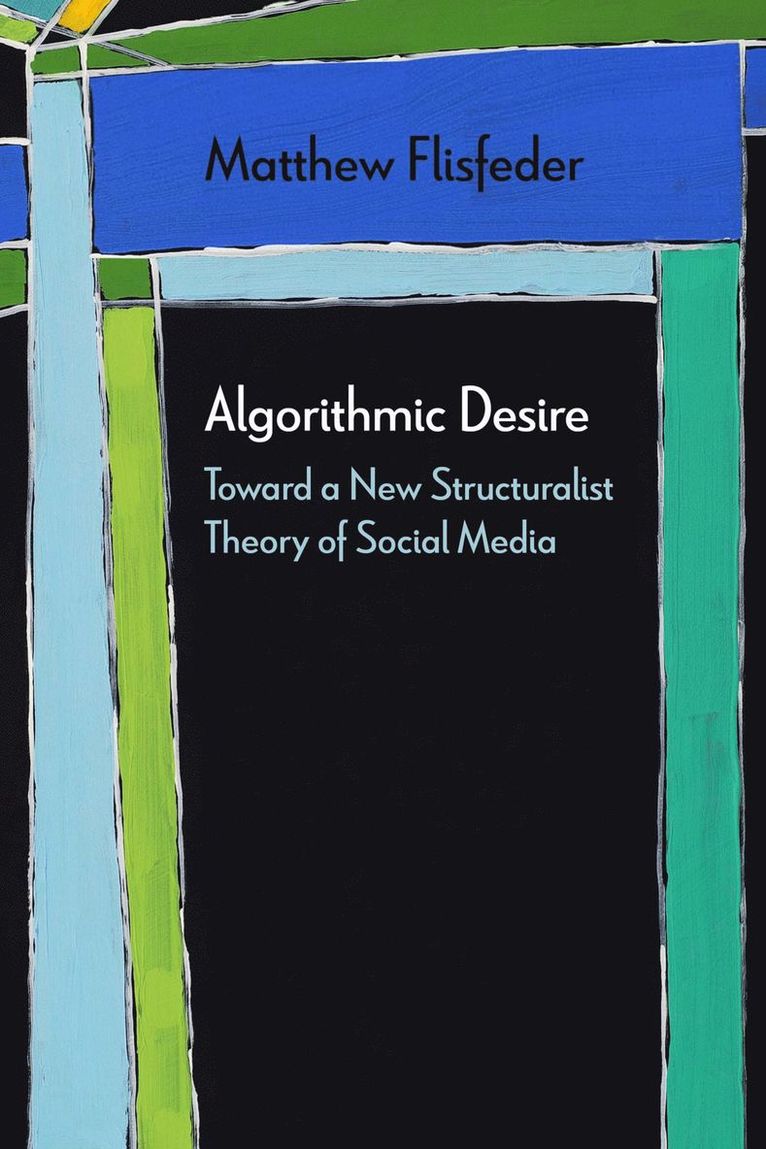
Algorithmic Desire
Toward a New Structuralist Theory of Social Media
Häftad, 2021
384 kr
Lägg i varukorg
In Algorithmic Desire, Matthew Flisfeder shows that social media is a metaphor that reveals the dominant form of contemporary ideology: neoliberal capitalism. The preeminent medium of our time, social media’s digital platform and algorithmic logic shape our experience of democracy, enjoyment, and …
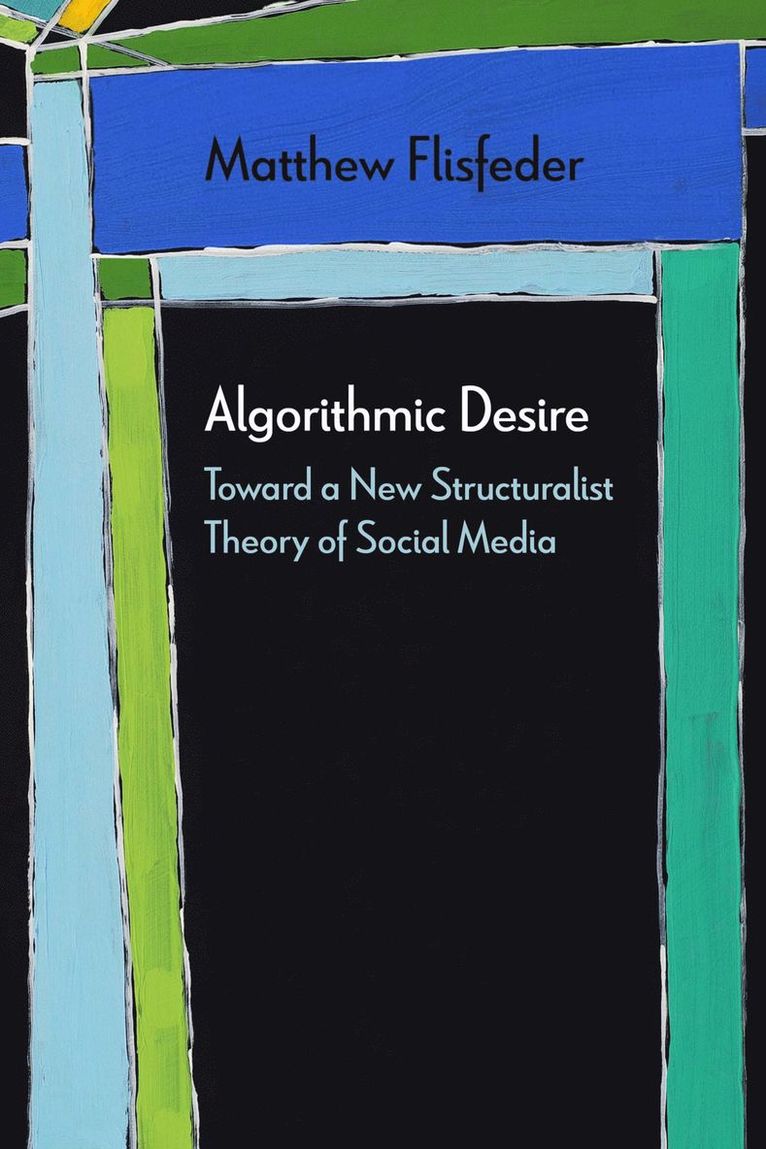
Algorithmic Desire
Toward a New Structuralist Theory of Social Media
Inbunden, 2021
1134 kr
Lägg i varukorg
In Algorithmic Desire, Matthew Flisfeder shows that social media is a metaphor that reveals the dominant form of contemporary ideology: neoliberal capitalism. The preeminent medium of our time, social media’s digital platform and algorithmic logic shape our experience of democracy, enjoyment, and …
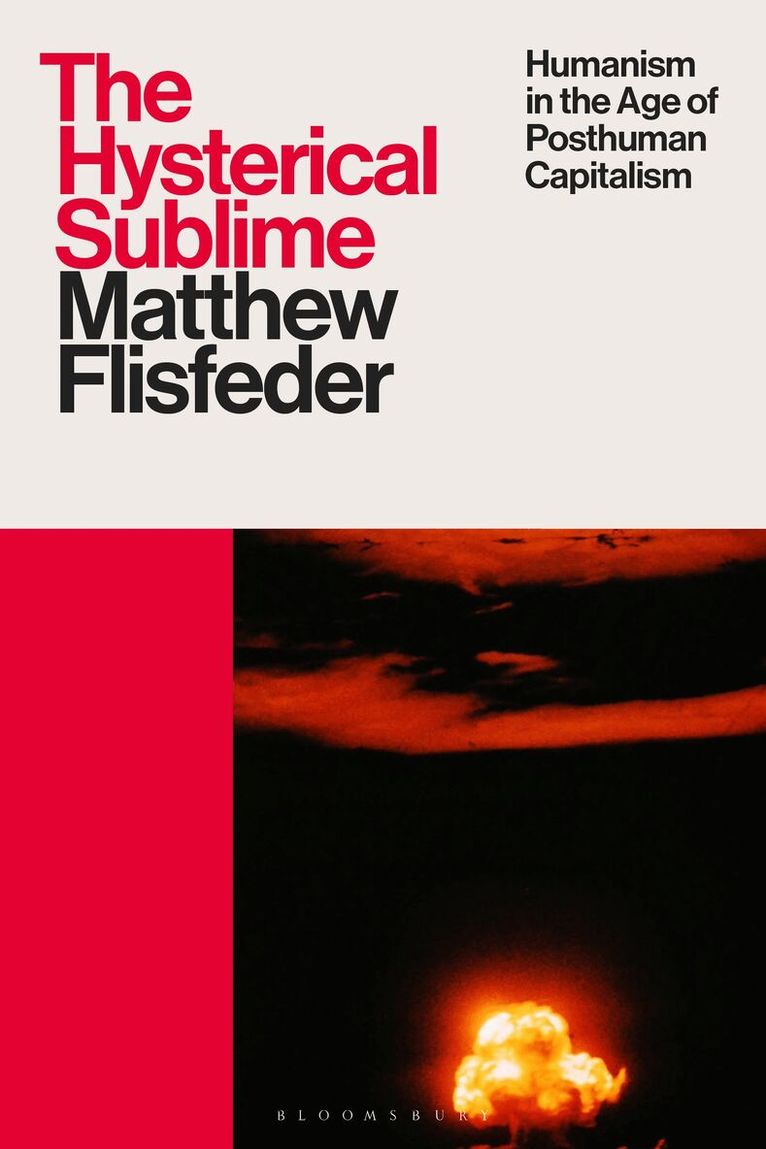
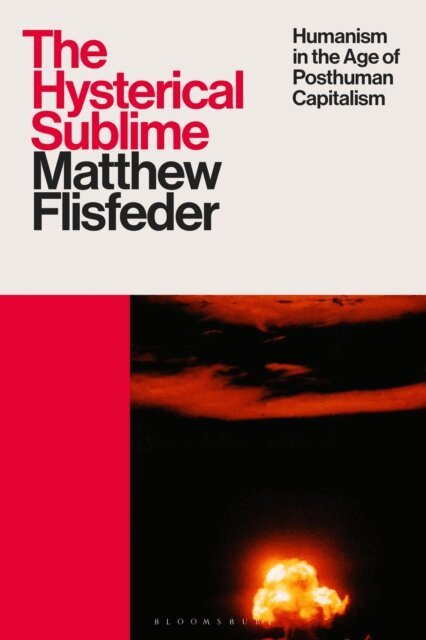
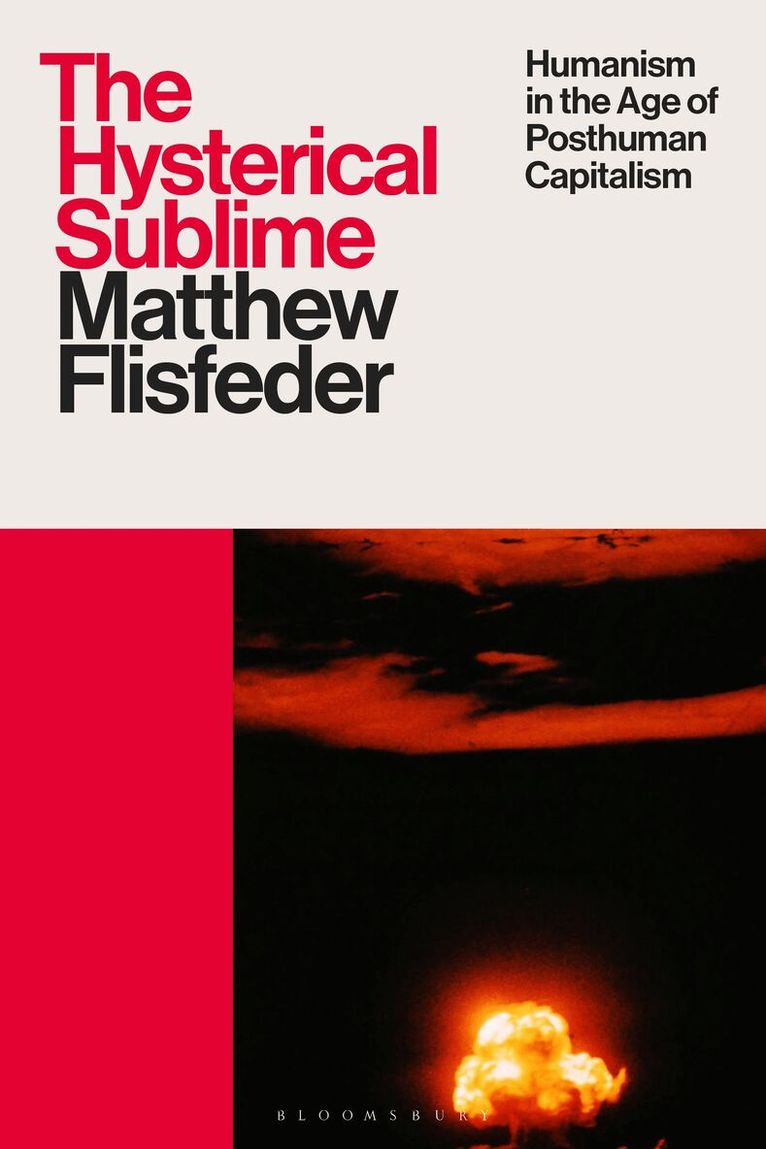
Hysterical Sublime
Humanism in the Age of Posthuman Capitalism
Inbunden, 2025
1204 kr
Lägg i varukorg
Developing the concept of the hysterical sublime, first theorised by Fredric Jameson, to challenge posthumanist perspectives on the Anthropocene, this book facilitates the rethinking of universal and dialectical humanism as concepts for grappling with 21st-century capitalism. In recent years, …
Hysterical Sublime
Humanism in the Age of Posthuman Capitalism
E-bok, 2025
1325 kr
Lägg i varukorg
Developing the concept of the hysterical sublime, first theorised by Fredric Jameson, to challenge posthumanist perspectives on the Anthropocene, this book facilitates the rethinking of universal and dialectical humanism as concepts for grappling with 21st-century capitalism. In recent years, …
Hysterical Sublime
Humanism in the Age of Posthuman Capitalism
E-bok, 2025
1325 kr
Lägg i varukorg
Developing the concept of the hysterical sublime, first theorised by Fredric Jameson, to challenge posthumanist perspectives on the Anthropocene, this book facilitates the rethinking of universal and dialectical humanism as concepts for grappling with 21st-century capitalism. In recent years, …
Hysterical Sublime
Humanism in the Age of Posthuman Capitalism
Häftad, 2027
412 kr
Kommande
Developing the concept of the hysterical sublime, first theorised by Fredric Jameson, to challenge posthumanist perspectives on the Anthropocene, this book facilitates the rethinking of universal and dialectical humanism as concepts for grappling with 21st-century capitalism. In recent years, …
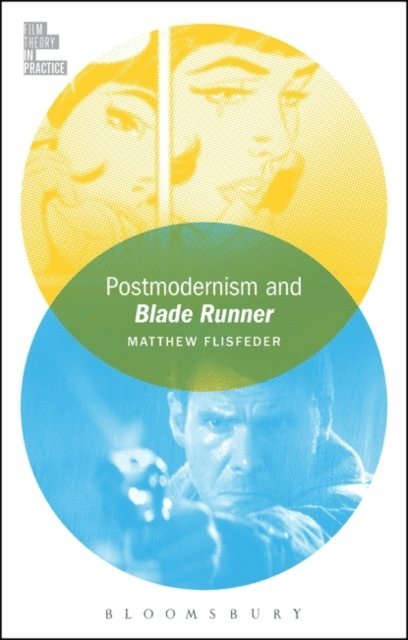
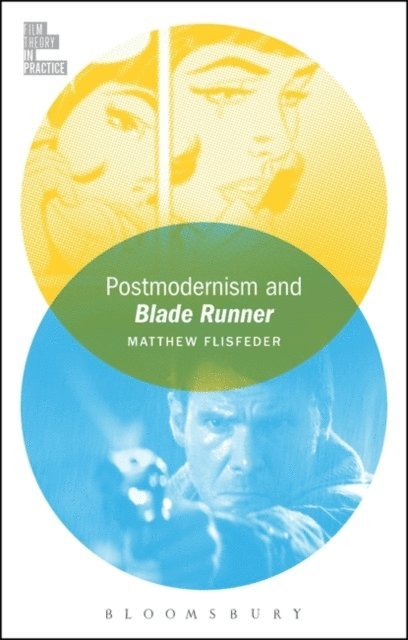
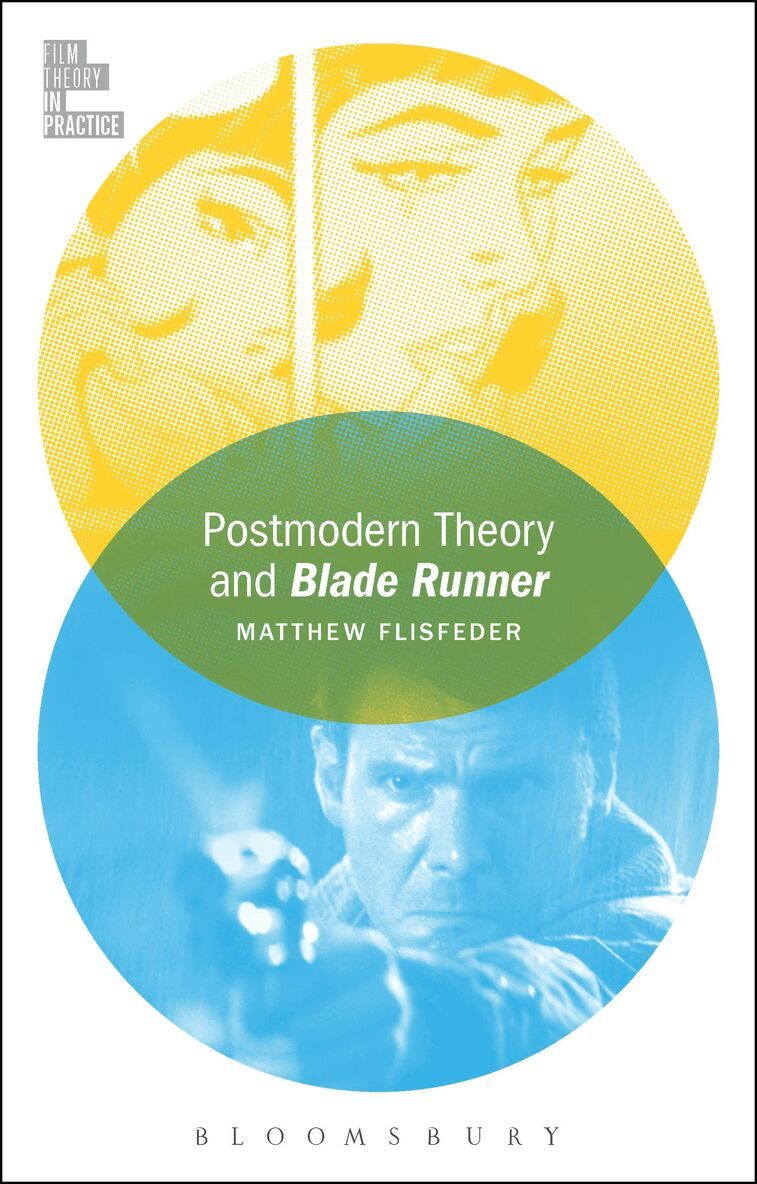
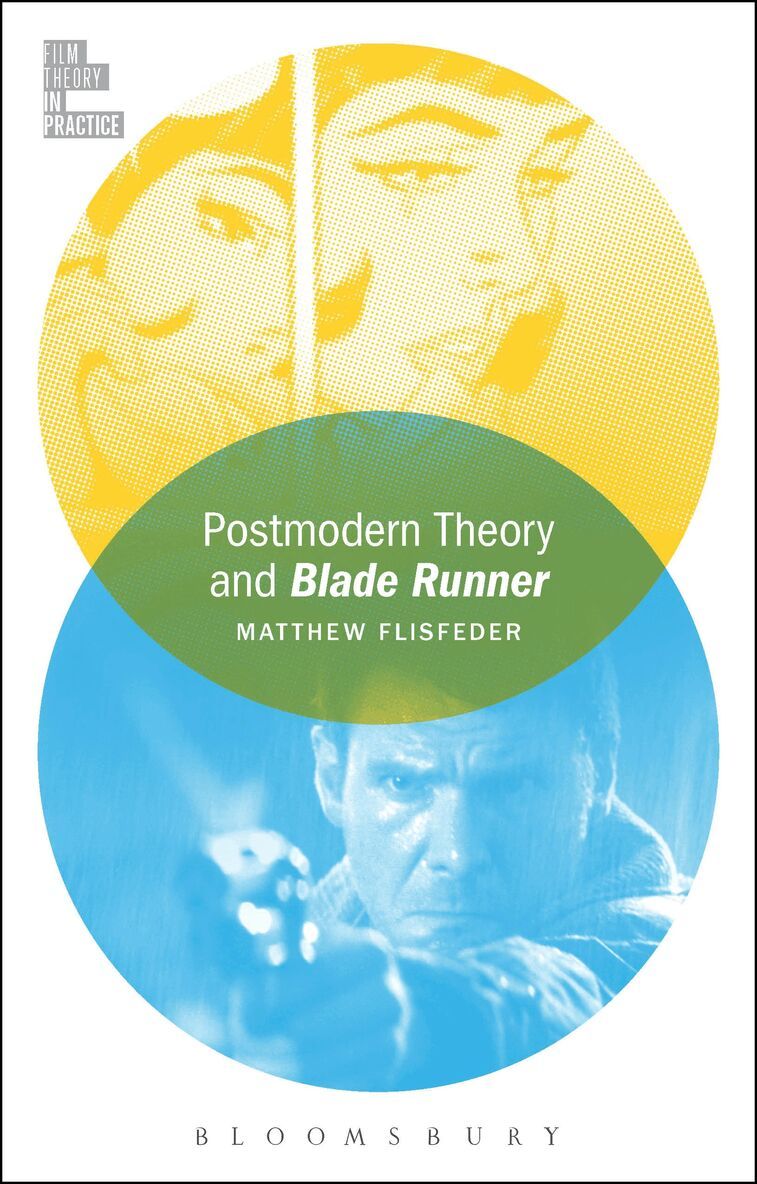
Postmodern Theory and Blade Runner
E-bok, 2017
340 kr
Lägg i varukorg
Matthew Flisfeder introduces readers to key concepts in postmodern theory and demonstrates how it can be used for a critical interpretation and analysis of Blade Runner, arguably 'the greatest science fiction film'. By contextualizing the film within the culture of late 20th and early 21st-century …
Postmodern Theory and Blade Runner
E-bok, 2017
337 kr
Lägg i varukorg
Matthew Flisfeder introduces readers to key concepts in postmodern theory and demonstrates how it can be used for a critical interpretation and analysis of Blade Runner, arguably 'the greatest science fiction film'. By contextualizing the film within the culture of late 20th and early 21st-century …
Postmodern Theory and Blade Runner
Av Matthew Flisfeder, Todd McGowan
Häftad, 2017
321 kr
Lägg i varukorg
Matthew Flisfeder introduces readers to key concepts in postmodern theory and demonstrates how it can be used for a critical interpretation and analysis of Blade Runner, arguably 'the greatest science fiction film'. By contextualizing the film within the culture of late 20th and early 21st-century …
Postmodern Theory and Blade Runner
Av Matthew Flisfeder, Todd McGowan
Inbunden, 2017
1203 kr
Lägg i varukorg
Matthew Flisfeder introduces readers to key concepts in postmodern theory and demonstrates how it can be used for a critical interpretation and analysis of Blade Runner, arguably 'the greatest science fiction film'. By contextualizing the film within the culture of late 20th and early 21st-century …