Matthew Gabriele - Böcker
Visar alla böcker från författaren Matthew Gabriele. Handla med fri frakt och snabb leverans.
10 produkter
10 produkter
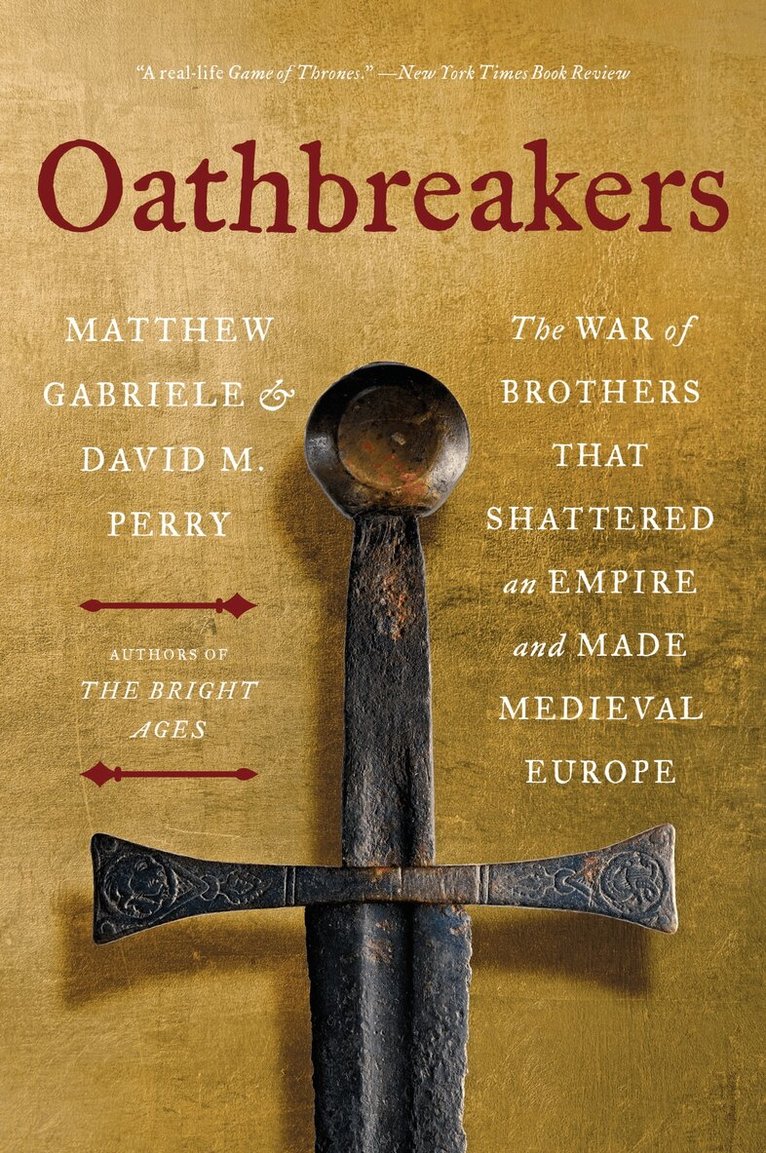
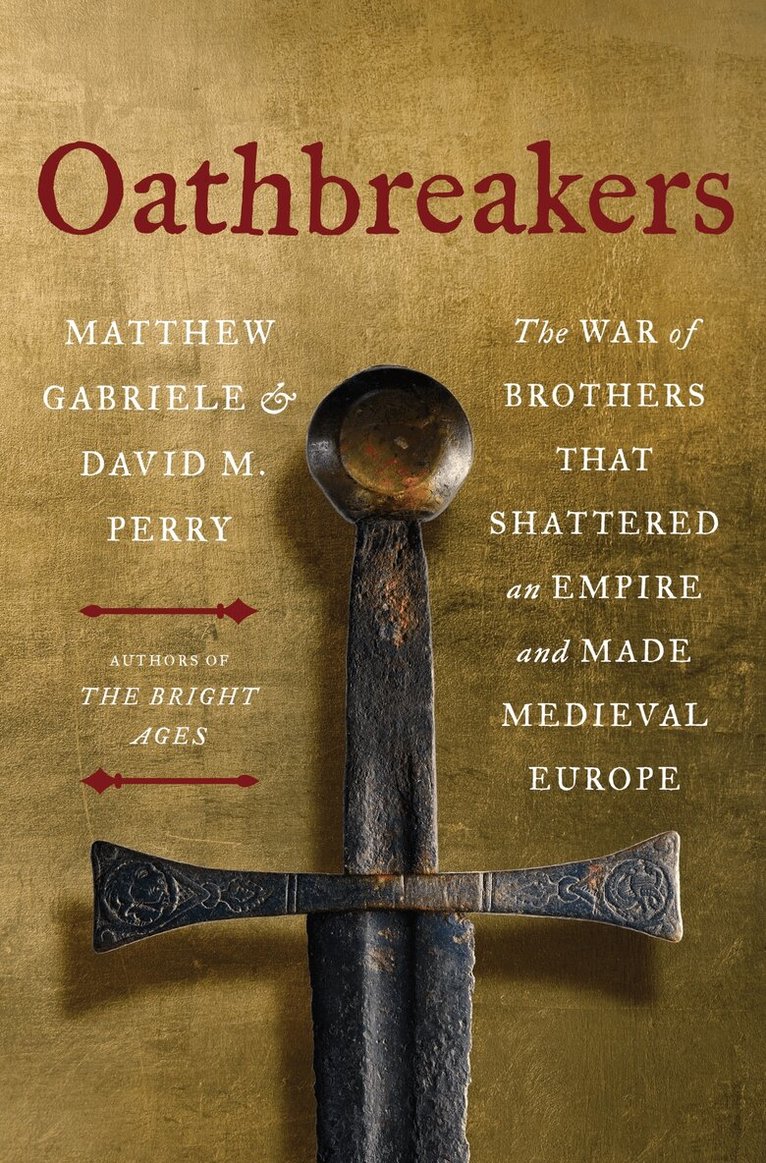
Oathbreakers
The War of Brothers That Shattered an Empire and Made Medieval Europe
Häftad, Engelska, 2026
152 kr
Skickas
“Fascinating.” — The Wall Street Journal“An enlightening portrait of the medieval mindset.” — Publishers WeeklyThe authors of The Bright Ages return with a “real-life Game of Thrones” (New York Times Book Review)—the story of the Carolingian Civil War, a bloody, protracted battle pitting brother against brother, father against son, that would end an empire, upend a continent, and redefine the future of Europe By the early ninth century, the Carolingian empire was at the height of its power. The Franks, led by Charlemagne, had built the largest European domain since Rome in its heyday. Though they jockeyed for power, prestige, and profit, the Frankish elites enjoyed political and cultural consensus. But just two generations later, their world was in shambles. Civil war, once an unthinkable threat, had erupted after Louis the Pious’s sons tried to overthrow him—and then placed their knives at the other’s neck. Families who had once charged into battle together now drew each other’s blood.The Carolingian Civil War would rage for years as kings fought kings, brother faced off against brother, and sons challenged fathers. Oathbreakers is the dramatic history of this brutal, turbulent time. Medieval historians David M. Perry and Matthew Gabriele illuminate what happens when a once unshakeable political and cultural order breaks down and long suppressed tensions flare into deadly violence. Drawn from rich primary sources, featuring a wide cast of characters, packed with dramatic twists and turns, this is history that rivals the greatest fictional epics—with consequences that continue to shape our own world.Oathbreakers offers lessons of what deep cracks in a once-stable social and political fabric might reveal, and the bloody consequences of disagreeing on facts and reality. The Civil War at the heart of this tale asks: who is “in” and who is “out”? And what happens when things fall apart?
225 kr
Skickas
"The beauty and levity that Perry and Gabriele have captured in this book are what I think will help it to become a standard text for general audiences for years to come….The Bright Ages is a rare thing—a nuanced historical work that almost anyone can enjoy reading.”—Slate"Incandescent and ultimately intoxicating." —The Boston GlobeA lively and magisterial popular history that refutes common misperceptions of the European Middle Ages, showing the beauty and communion that flourished alongside the dark brutality—a brilliant reflection of humanity itself.The word “medieval” conjures images of the “Dark Ages”—centuries of ignorance, superstition, stasis, savagery, and poor hygiene. But the myth of darkness obscures the truth; this was a remarkable period in human history. The Bright Ages recasts the European Middle Ages for what it was, capturing this 1,000-year era in all its complexity and fundamental humanity, bringing to light both its beauty and its horrors. The Bright Ages takes us through ten centuries and crisscrosses Europe and the Mediterranean, Asia and Africa, revisiting familiar people and events with new light cast upon them. We look with fresh eyes on the Fall of Rome, Charlemagne, the Vikings, the Crusades, and the Black Death, but also to the multi-religious experience of Iberia, the rise of Byzantium, and the genius of Hildegard and the power of queens. We begin under a blanket of golden stars constructed by an empress with Germanic, Roman, Spanish, Byzantine, and Christian bloodlines and end nearly 1,000 years later with the poet Dante—inspired by that same twinkling celestial canopy—writing an epic saga of heaven and hell that endures as a masterpiece of literature today. The Bright Ages reminds us just how permeable our manmade borders have always been and of what possible worlds the past has always made available to us. The Middle Ages may have been a world “lit only by fire” but it was one whose torches illuminated the magnificent rose windows of cathedrals, even as they stoked the pyres of accused heretics. The Bright Ages contains an 8-page color insert.
Oathbreakers
The War of Brothers That Shattered an Empire and Made Medieval Europe
Inbunden, Engelska, 2025
287 kr
Skickas
“Fascinating.” — The Wall Street Journal“An enlightening portrait of the medieval mindset.” — Publishers WeeklyThe authors of The Bright Ages return with a “real-life Game of Thrones” (New York Times Book Review)—the story of the Carolingian Civil War, a bloody, protracted battle pitting brother against brother, father against son, that would end an empire, upend a continent, and redefine the future of European history. By the early ninth century, the Carolingian empire was at the height of its power. The Franks, led by Charlemagne, had built the largest European domain since Rome in its heyday. Though they jockeyed for power, prestige, and profit, the Frankish elites enjoyed political and cultural consensus. But just two generations later, their world was in shambles. Civil war, once an unthinkable threat, had erupted after Louis the Pious’s sons tried to overthrow him—and then placed their knives at the other’s neck. Families who had once charged into battle together now drew each other’s blood.The Carolingian Civil War would rage for years as kings fought kings, brother faced off against brother, and sons challenged fathers. Oathbreakers is the dramatic history of this brutal, turbulent time. Medieval historians David M. Perry and Matthew Gabriele illuminate what happens when a once unshakeable political and cultural order breaks down and long suppressed tensions flare into deadly violence. Drawn from rich primary sources, featuring a wide cast of characters, this compelling work of narrative history rivals the greatest fictional epics—with consequences that continue to shape our own world.Oathbreakers offers lessons of what deep cracks in a once-stable social and political fabric might reveal, and the bloody consequences of disagreeing on facts and reality. The Civil War at the heart of this tale asks: who is “in” and who is “out”? And what happens when things fall apart? Epic Medieval History: Based on rich primary sources, this gripping account details the collapse of the largest European domain since the Roman Empire, exploring what happens when a once-unshakeable political and cultural order breaks down.Family Dynasties at War: Witness the brutal, years-long conflict that pitted brother against brother and son against father, as the heirs of Louis the Pious turned on each other and drew their family’s blood in a fight for power.The Fall of an Empire: Discover the consequences of deep cracks in a stable social fabric, as long-suppressed tensions flare into deadly violence that ends an empire, upends a continent, and redefines the future of Europe.Charlemagne’s Legacy Undone: Just two generations after the legendary Charlemagne sat on the throne, his world was in shambles. This is the story of how the great Carolingian consensus fell apart at the seams.
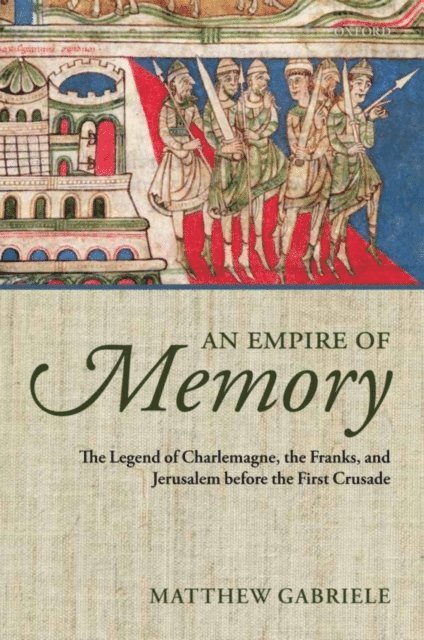
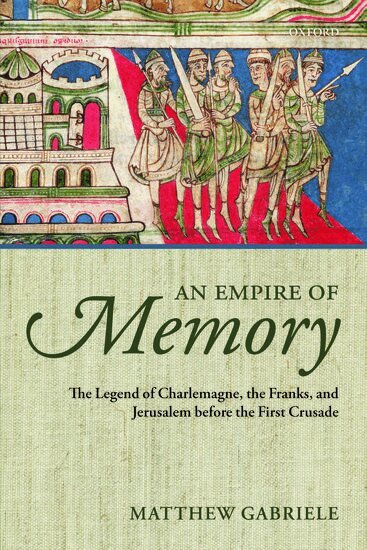
An Empire of Memory
The Legend of Charlemagne, the Franks, and Jerusalem before the First Crusade
Inbunden, Engelska, 2011
1 531 kr
Skickas inom 5-8 vardagar
Beginning shortly after Charlemagne's death in 814, the inhabitants of his historical empire looked back upon his reign and saw in it an exemplar of Christian universality - Christendom. They mapped contemporary Christendom onto the past and so, during the ninth, tenth, and eleventh centuries, the borders of his empire grew with each retelling, almost always including the Christian East. Although the pull of Jerusalem on the West seems to have been strong during the eleventh century, it had a more limited effect on the Charlemagne legend. Instead, the legend grew during this period because of a peculiar fusion of ideas, carried forward from the ninth century but filtered through the social, cultural, and intellectual developments of the intervening years. Paradoxically, Charlemagne became less important to the Charlemagne legend. The legend became a story about the Frankish people, who believed they had held God's favour under Charlemagne and held out hope that they could one day reclaim their special place in sacred history. Indeed, popular versions of the Last Emperor legend, which spoke of a great ruler who would reunite Christendom in preparation for the last battle between good and evil, promised just this to the Franks. Ideas of empire, identity, and Christian religious violence were potent reagents. The mixture of these ideas could remind men of their Frankishness and move them, for example, to take up arms, march to the East, and reclaim their place as defenders of the faith during the First Crusade. An Empire of Memory uses the legend of Charlemagne, an often-overlooked current in early medieval thought, to look at how the contours of the relationship between East and West moved across centuries, particularly in the period leading up to the First Crusade.
An Empire of Memory
The Legend of Charlemagne, the Franks, and Jerusalem before the First Crusade
Häftad, Engelska, 2013
564 kr
Skickas inom 5-8 vardagar
Beginning shortly after Charlemagne's death in 814, the inhabitants of his historical empire looked back upon his reign and saw in it an exemplar of Christian universality - Christendom. They mapped contemporary Christendom onto the past and so, during the ninth, tenth, and eleventh centuries, the borders of his empire grew with each retelling, almost always including the Christian East. Although the pull of Jerusalem on the West seems to have been strong during the eleventh century, it had a more limited effect on the Charlemagne legend. Instead, the legend grew during this period because of a peculiar fusion of ideas, carried forward from the ninth century but filtered through the social, cultural, and intellectual developments of the intervening years.Paradoxically, Charlemagne became less important to the Charlemagne legend. The legend became a story about the Frankish people, who believed they had held God's favour under Charlemagne and held out hope that they could one day reclaim their special place in sacred history. Indeed, popular versions of the Last Emperor legend, which spoke of a great ruler who would reunite Christendom in preparation for the last battle between good and evil, promised just this to the Franks. Ideas of empire, identity, and Christian religious violence were potent reagents. The mixture of these ideas could remind men of their Frankishness and move them, for example, to take up arms, march to the East, and reclaim their place as defenders of the faith during the First Crusade.An Empire of Memory uses the legend of Charlemagne, an often-overlooked current in early medieval thought, to look at how the contours of the relationship between East and West moved across centuries, particularly in the period leading up to the First Crusade.
2 088 kr
Skickas inom 10-15 vardagar
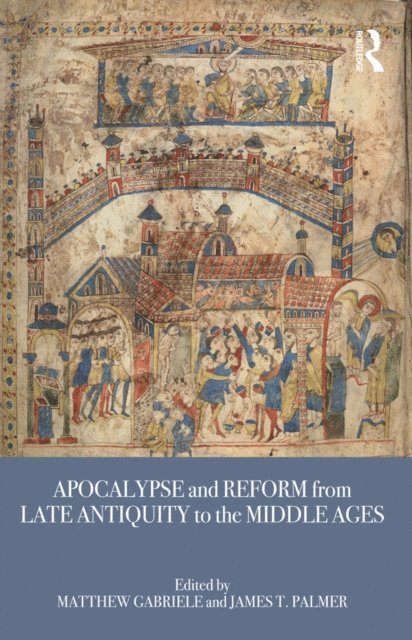
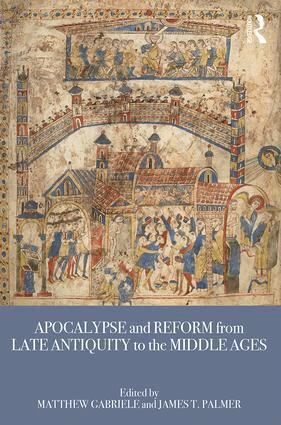
Apocalypse and Reform from Late Antiquity to the Middle Ages provides a range of perspectives on what reformist apocalypticism meant for the formation of Medieval Europe, from the Fall of Rome to the twelfth century. It explores and challenges accepted narratives about both the development of apocalyptic thought and the way it intersected with cultures of reform to influence major transformations in the medieval world. Bringing together a wealth of knowledge from academics in Britain, Europe and the USA this book offers the latest scholarship in apocalypse studies. It consolidates a paradigm shift, away from seeing apocalypse as a radical force for a suppressed minority, and towards a fuller understanding of apocalypse as a mainstream cultural force in history. Together, the chapters and case studies capture and contextualise the variety of ideas present across Europe in the Middle Ages and set out points for further comparative study of apocalypse across time and space. Offering new perspectives on what ideas of ‘reform’ and ‘apocalypse’ meant in Medieval Europe, Apocalypse and Reform from Late Antiquity to the Middle Ages provides students with the ideal introduction to the study of apocalypse during this period.
576 kr
Skickas inom 10-15 vardagar
Apocalypse and Reform from Late Antiquity to the Middle Ages provides a range of perspectives on what reformist apocalypticism meant for the formation of Medieval Europe, from the Fall of Rome to the twelfth century. It explores and challenges accepted narratives about both the development of apocalyptic thought and the way it intersected with cultures of reform to influence major transformations in the medieval world. Bringing together a wealth of knowledge from academics in Britain, Europe and the USA this book offers the latest scholarship in apocalypse studies. It consolidates a paradigm shift, away from seeing apocalypse as a radical force for a suppressed minority, and towards a fuller understanding of apocalypse as a mainstream cultural force in history. Together, the chapters and case studies capture and contextualise the variety of ideas present across Europe in the Middle Ages and set out points for further comparative study of apocalypse across time and space. Offering new perspectives on what ideas of ‘reform’ and ‘apocalypse’ meant in Medieval Europe, Apocalypse and Reform from Late Antiquity to the Middle Ages provides students with the ideal introduction to the study of apocalypse during this period.
373 kr
Skickas inom 7-10 vardagar
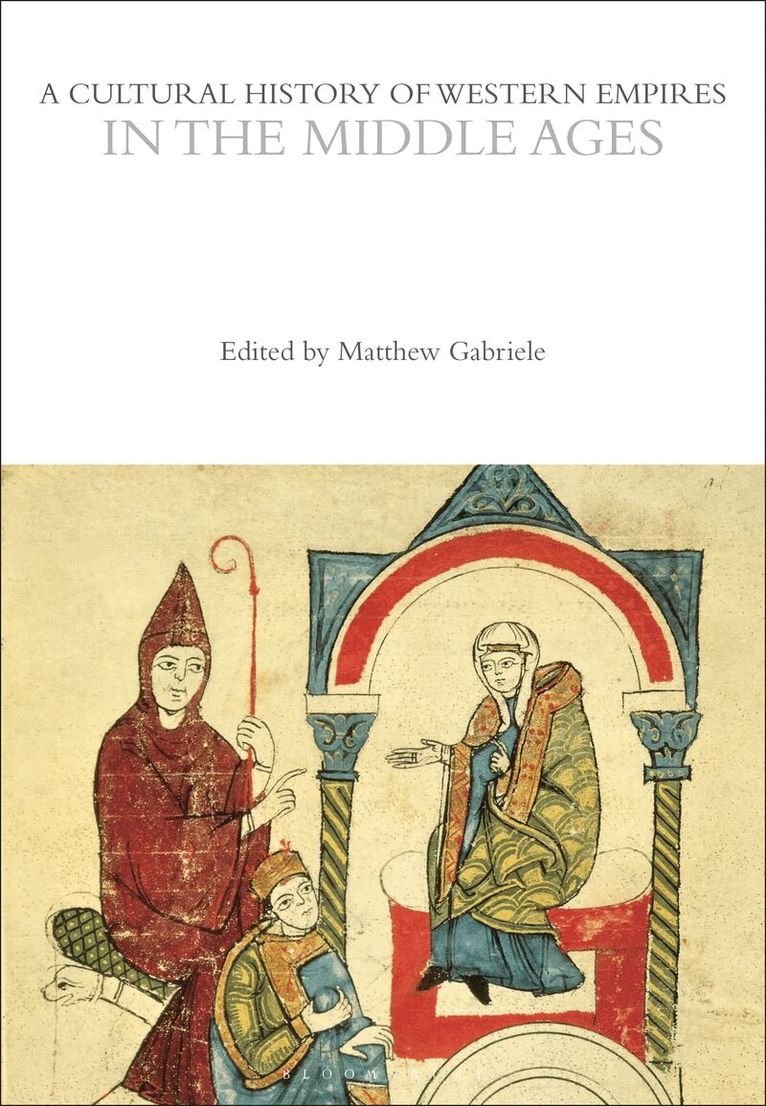
This volume explores a world that thought deeply about imperial power and emperors but one that perhaps never had an “empire” of its own. These synthetic essays from experts across a wide variety of disciplines mine the intellectual world of this period and begin to demolish the myth of the so-called “Dark Ages,” showing how the European Middle Ages were illuminated by vigorous debates that echo today. The story of medieval Western empires is both familiar and foreign. It is a story about politics, culture, religion, society, gender, sex, and economics, and how porous the boundaries between those categories can often be.A Cultural History of Western Empires in the Middle Ages offers a detailed and highly-illustrated account of how we got to where we are, as well as the dangers of not fully understanding why those origins matter.
1 226 kr
Skickas inom 7-10 vardagar
This volume explores a world that thought deeply about imperial power and emperors but one that perhaps never had an “empire” of its own. These synthetic essays from experts across a wide variety of disciplines mine the intellectual world of this period and begin to demolish the myth of the so-called “Dark Ages,” showing how the European Middle Ages were illuminated by vigorous debates that echo today. The story of medieval Western empires is both familiar and foreign. It is a story about politics, culture, religion, society, gender, sex, and economics, and how porous the boundaries between those categories can often be.A Cultural History of Western Empires in the Middle Ages offers a detailed and highly-illustrated account of how we got to where we are, as well as the dangers of not fully understanding why those origins matter.
Del 7 - Bristol Studies in Medieval Cultures
Charlemagne Legend in Medieval Latin Texts
Inbunden, Engelska, 2016
1 353 kr
Skickas inom 10-15 vardagar
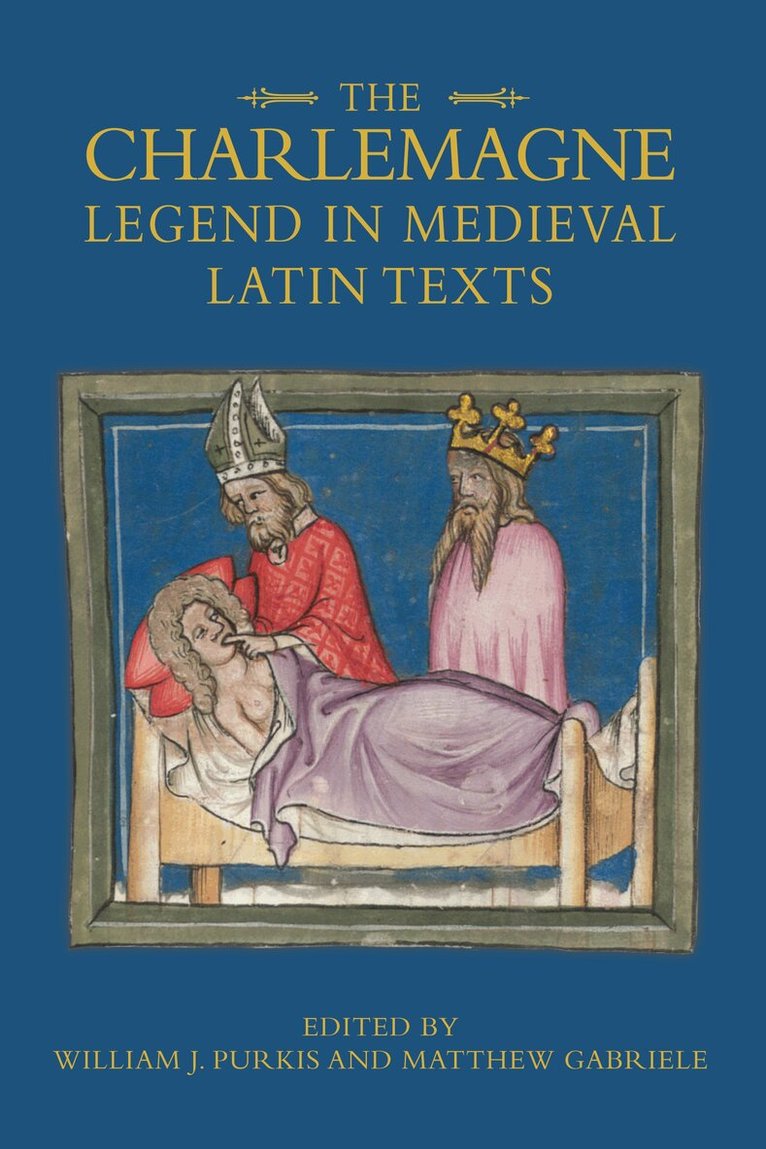
Essays on the various manifestations of Charlemagne and his legends.This book explores the multiplicity of ways in which the Charlemagne legend was recorded in Latin texts of the central and later Middle Ages, moving beyond some of the earlier canonical "raw materials", such as Einhard's Vita Karoli Magni, to focus on productions of the eleventh to fifteenth centuries. A distinctive feature of the volume's coverage is the diversity of Latin textual environments and genres that the contributors examine in their work,including chronicles, liturgy and pseudo-histories, as well as apologetical treatises and works of hagiography and literature. Perhaps most importantly, the book examines the "many lives" that Charlemagne was believed to have lived by successive generations of medieval Latin writers, for whom he was not only a king and an emperor but also a saint, a crusader, and, indeed, a necrophiliac.William J. Purkis is a Senior Lecturer in Medieval History at the University of Birmingham; Matthew Gabriele is an Associate Professor of Medieval Studies in the Department of Religion & Culture at Virginia Tech.Contributors: Jeffrey Doolittle, Matthew Gabriele, Miguel Dolan Gómez, Oren Margolis, William J. Purkis, Andrew J. Romig, Sebastián Salvadó, Jace Stuckey, James Williams.