Matthew J Lynch – författare
Visar alla böcker från författaren Matthew J Lynch. Handla med fri frakt och snabb leverans.
7 produkter
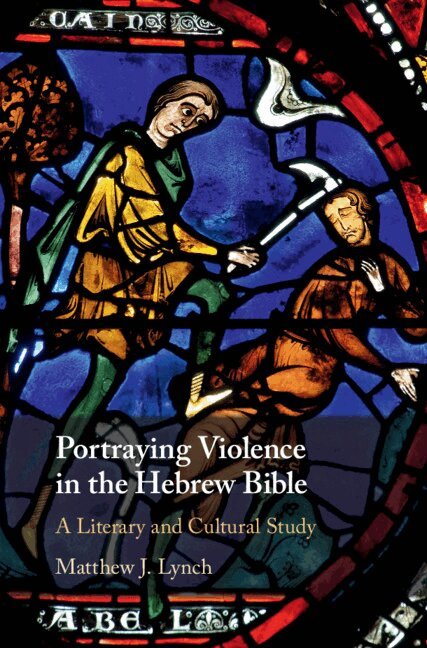
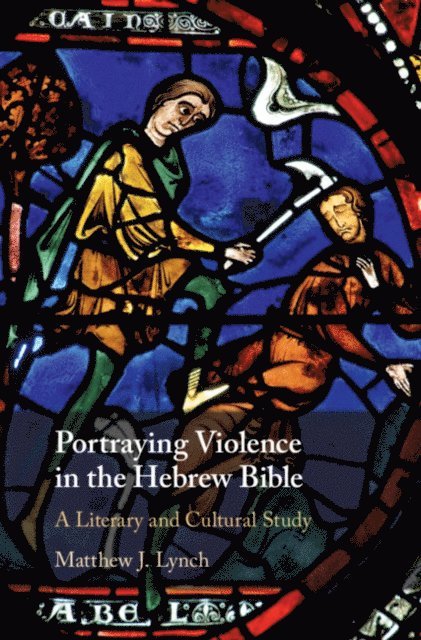
Portraying Violence in the Hebrew Bible
A Literary and Cultural Study
Inbunden, 2020
1378 kr
Lägg i varukorg
Most studies on violence in the Hebrew Bible focus on the question of how modern readers should approach the problem. But they fail to ask how the Hebrew Bible thinks about that problem in the first place. In this work, Matthew J. Lynch examines four key ways that writers of the Hebrew Bible …
Portraying Violence in the Hebrew Bible
A Literary and Cultural Study
Häftad, 2022
413 kr
Lägg i varukorg
Most studies on violence in the Hebrew Bible focus on the question of how modern readers should approach the problem. But they fail to ask how the Hebrew Bible thinks about that problem in the first place. In this work, Matthew J. Lynch examines four key ways that writers of the Hebrew Bible …
Portraying Violence in the Hebrew Bible
A Literary and Cultural Study
E-bok, 2020
408 kr
Lägg i varukorg
Most studies on violence in the Hebrew Bible focus on the question of how modern readers should approach the problem. But they fail to ask how the Hebrew Bible thinks about that problem in the first place. In this work, Matthew J. Lynch examines four key ways that writers of the Hebrew Bible …
Portraying Violence in the Hebrew Bible
A Literary and Cultural Study
E-bok, 2020
408 kr
Lägg i varukorg
Most studies on violence in the Hebrew Bible focus on the question of how modern readers should approach the problem. But they fail to ask how the Hebrew Bible thinks about that problem in the first place. In this work, Matthew J. Lynch examines four key ways that writers of the Hebrew Bible …
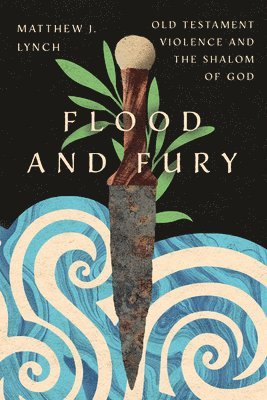
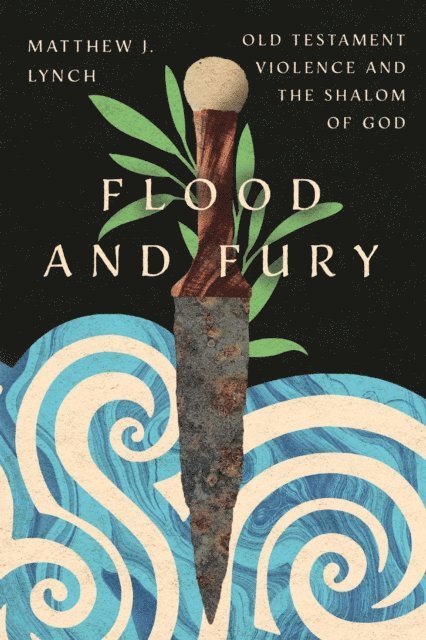
Flood and Fury
Old Testament Violence and the Shalom of God
E-bok, 2023
240 kr
Lägg i varukorg
What do we do with a God who sanctions violence?Old Testament violence proves one of the most troubling topics in the Bible. Too often, the explanations for the brutality in Scripture fail to adequately illustrate why God would sanction such horrors on humanity. These unanswered questions leave …
First Isaiah and the Disappearance of the Gods
Häftad, 2021
462 kr
Lägg i varukorg
Isaiah 1–39 uses the unique term אלילים—usually translated as “idols”— more than anywhere else in the Hebrew Bible. Using this linguistic phenomenon as a point of departure, Matthew J. Lynch reexamines the rhetorical strategies of First Isaiah, revealing a stronger monotheizing rhetoric than …