Matthew Jerome Schneider - Böcker
Visar alla böcker från författaren Matthew Jerome Schneider. Handla med fri frakt och snabb leverans.
4 produkter
4 produkter
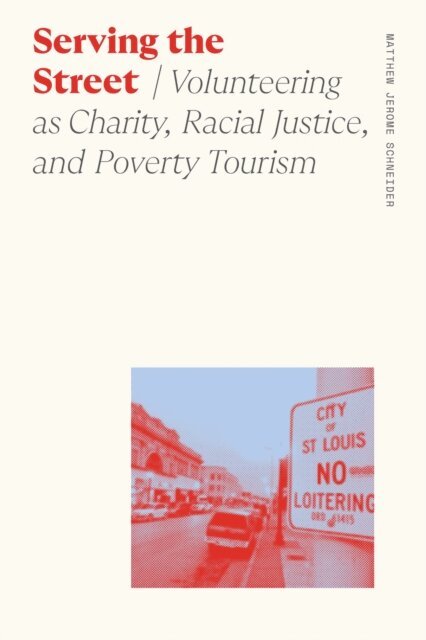
Serving the Street
Volunteering as Charity, Racial Justice, and Poverty Tourism
Inbunden, Engelska, 2026
1 980 kr
Skickas inom 3-6 vardagar
Volunteering is typically thought of as an act of altruism, yet there are power dynamics embedded in volunteer-service recipient relationships, especially when volunteers operate from privileged positions. Following six grassroots homeless service organizations in St. Louis, Missouri, Matthew Schneider unpacks the tensions between race, class, urban space, and volunteerism. Volunteers are well intentioned and provide vital, life-saving services. However, Serving the Street explores how many of these same volunteer groups helped to reproduce racialized stigma and stereotypes about poverty, homelessness, and marginal urban space through volunteer practices that bordered on “poverty tourism.” If our goal is to make communities more inclusive and equitable, this book suggests a need for greater self-reflection, even among well-intentioned, social-justice-oriented volunteers.
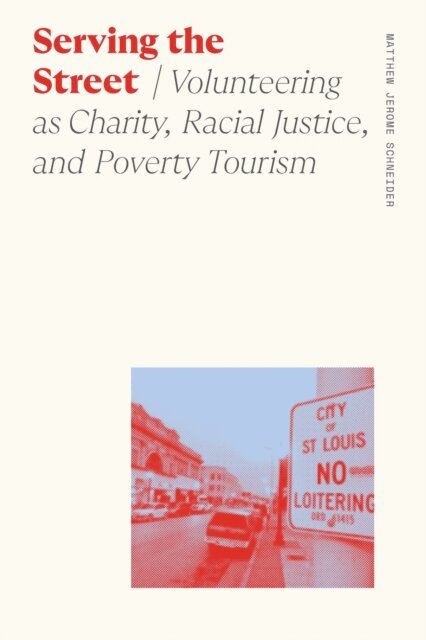
Serving the Street
Volunteering as Charity, Racial Justice, and Poverty Tourism
Häftad, Engelska, 2026
459 kr
Skickas inom 7-10 vardagar
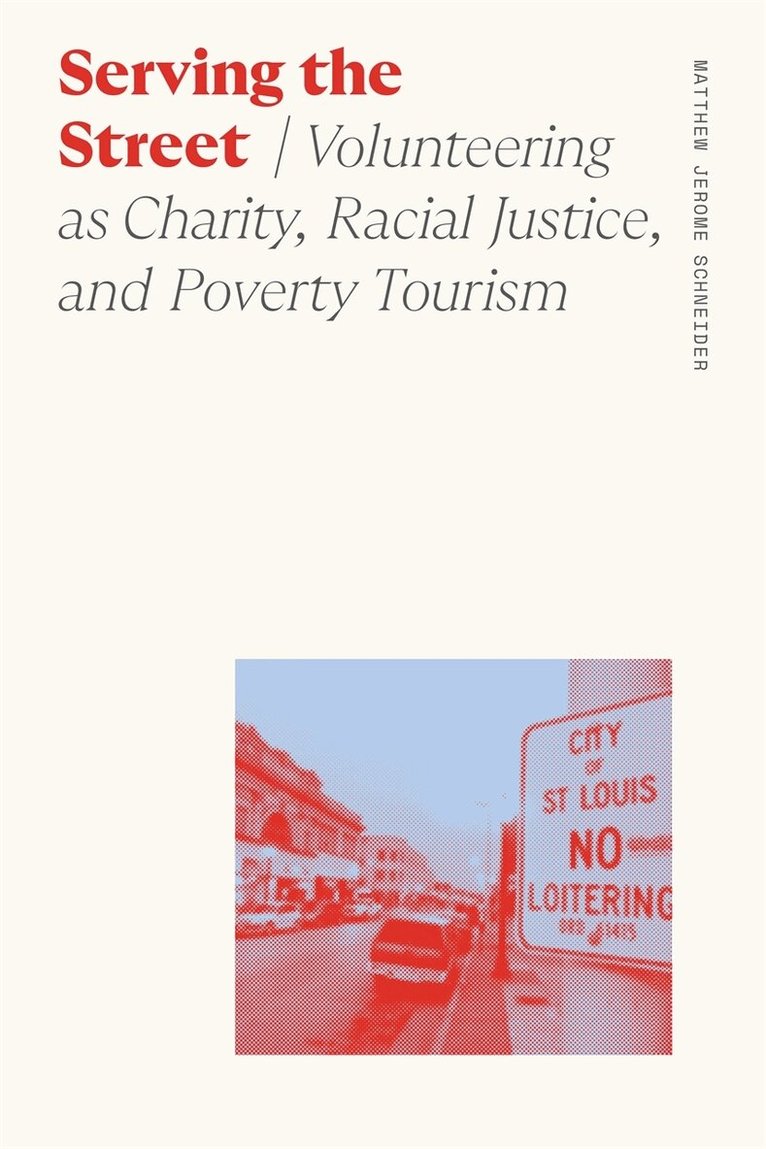
Volunteering is typically thought of as an act of altruism, yet there are power dynamics embedded in volunteer-service recipient relationships, especially when volunteers operate from privileged positions. Following six grassroots homeless service organizations in St. Louis, Missouri, Matthew Schneider unpacks the tensions between race, class, urban space, and volunteerism. Volunteers are well intentioned and provide vital, life-saving services. However, Serving the Street explores how many of these same volunteer groups helped to reproduce racialized stigma and stereotypes about poverty, homelessness, and marginal urban space through volunteer practices that bordered on “poverty tourism.” If our goal is to make communities more inclusive and equitable, this book suggests a need for greater self-reflection, even among well-intentioned, social-justice-oriented volunteers.
1 886 kr
Kommande
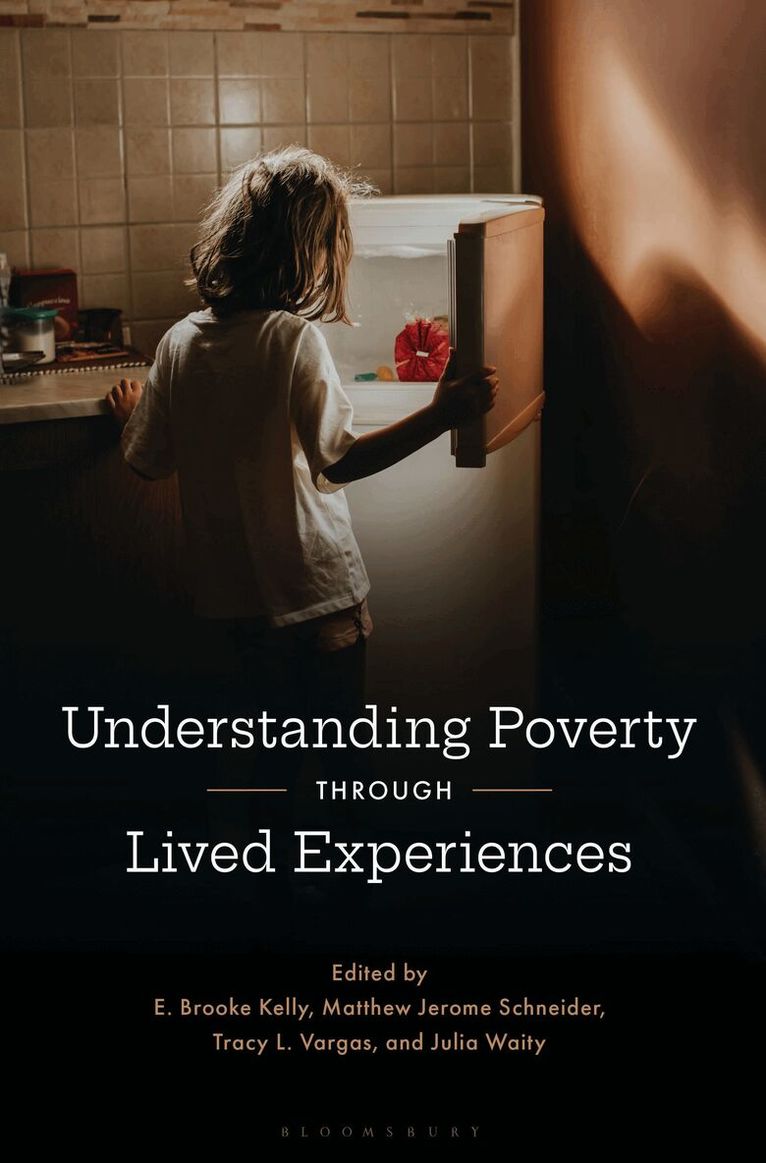
Within the last few years, COVID-19, environmental disasters, the housing affordability crisis, increased homelessness, and inflation have brought poverty in the United States into sharper focus. Gaining an understanding of poverty necessitates not only an examination of macro trends and patterns, but also insights into people’s everyday experiences at the micro-level. This reader brings together key topics such as food, housing, and health insecurities; spatial and environmental inequalities; employment and low wage work; social institutions; discrimination; and social change to make the study of poverty more accessible to students. It emphasizes that many kinds of people experience poverty, but also highlights how racism, sexism, homophobia, age, family structure, geographic location and other social forces can increase economic vulnerability and create barriers to economic mobility. The book opens with an introduction that defines poverty in the U.S. while also discussing the importance of looking beyond statistics and trends. Discussion questions at the end of each reading encourage critical thinking and reinforce key ideas.
761 kr
Kommande
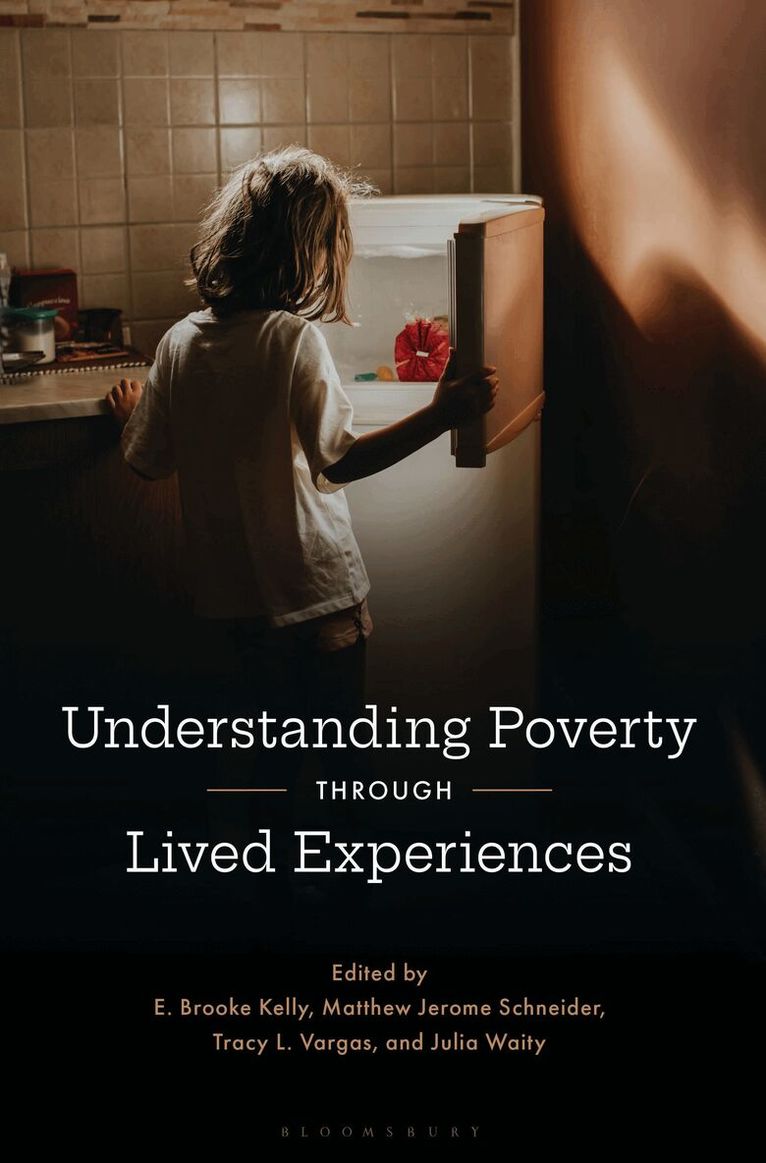
Within the last few years, COVID-19, environmental disasters, the housing affordability crisis, increased homelessness, and inflation have brought poverty in the United States into sharper focus. Gaining an understanding of poverty necessitates not only an examination of macro trends and patterns, but also insights into people’s everyday experiences at the micro-level. This reader brings together key topics such as food, housing, and health insecurities; spatial and environmental inequalities; employment and low wage work; social institutions; discrimination; and social change to make the study of poverty more accessible to students. It emphasizes that many kinds of people experience poverty, but also highlights how racism, sexism, homophobia, age, family structure, geographic location and other social forces can increase economic vulnerability and create barriers to economic mobility. The book opens with an introduction that defines poverty in the U.S. while also discussing the importance of looking beyond statistics and trends. Discussion questions at the end of each reading encourage critical thinking and reinforce key ideas.