Matthew L.M. Fletcher - Böcker
Visar alla böcker från författaren Matthew L.M. Fletcher. Handla med fri frakt och snabb leverans.
4 produkter
4 produkter
579 kr
Skickas inom 7-10 vardagar
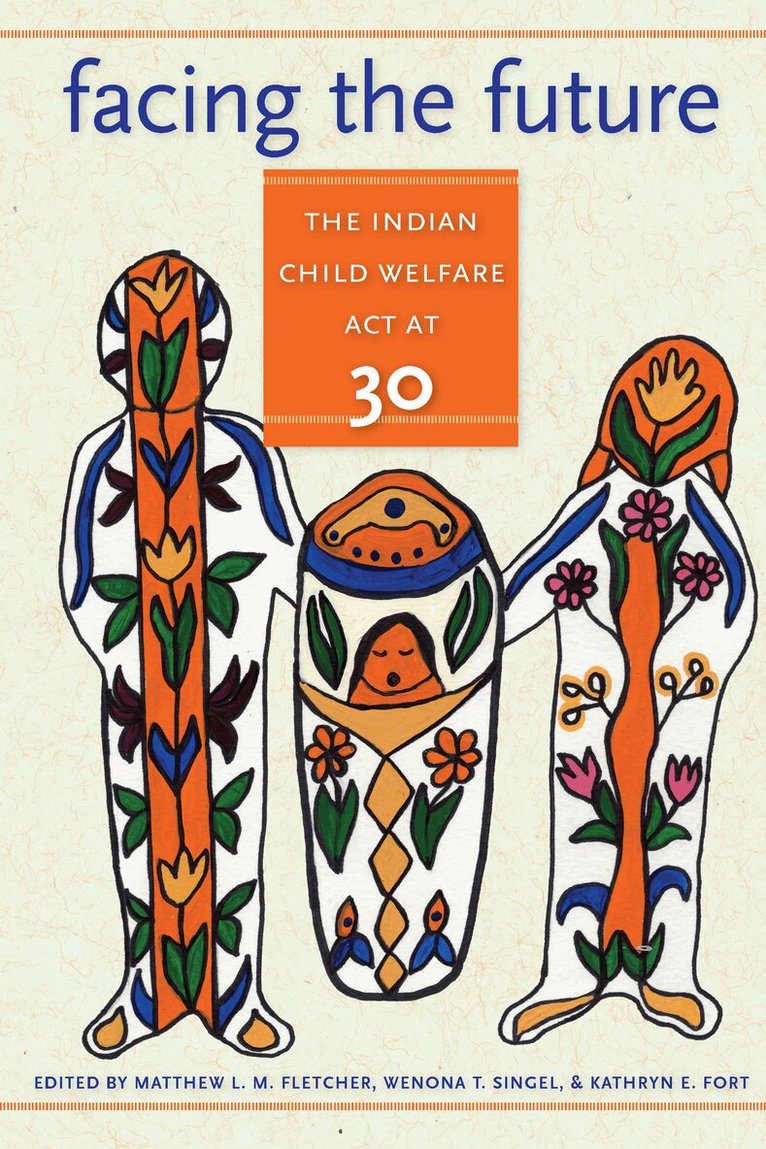
The U.S. Congress is charged with responsibility for the protection and preservation of American Indian tribes, including Indian children. In 1978, Congress enacted the Indian Child Welfare Act (ICWA), with the intent to "protect the best interests of Indian children and to promote the stability and security of Indian tribes and families." ICWA sets federal requirements that apply to state child custody proceedings involving an Indian child who is a member of or eligible for membership in a federally recognized tribe. ICWA also sets out federal requirements regarding removal of Indian children and their placement in foster or adoptive homes, and it allows the child's tribe to intervene in the case.The history of the Act is a tangle of legal, social, and emotional complications. Some state courts have found unusual legal arguments to avoid applying the law, while some states have gone beyond the terms of the Act to provide greater protections for Indian people. This collection brings together for the first time a multidisciplinary assessment of the law—with scholars, practitioners, lawyers, and social workers all offering perspectives on the value and importance of the Indian Child Welfare Act.
1 403 kr
Skickas inom 7-10 vardagar
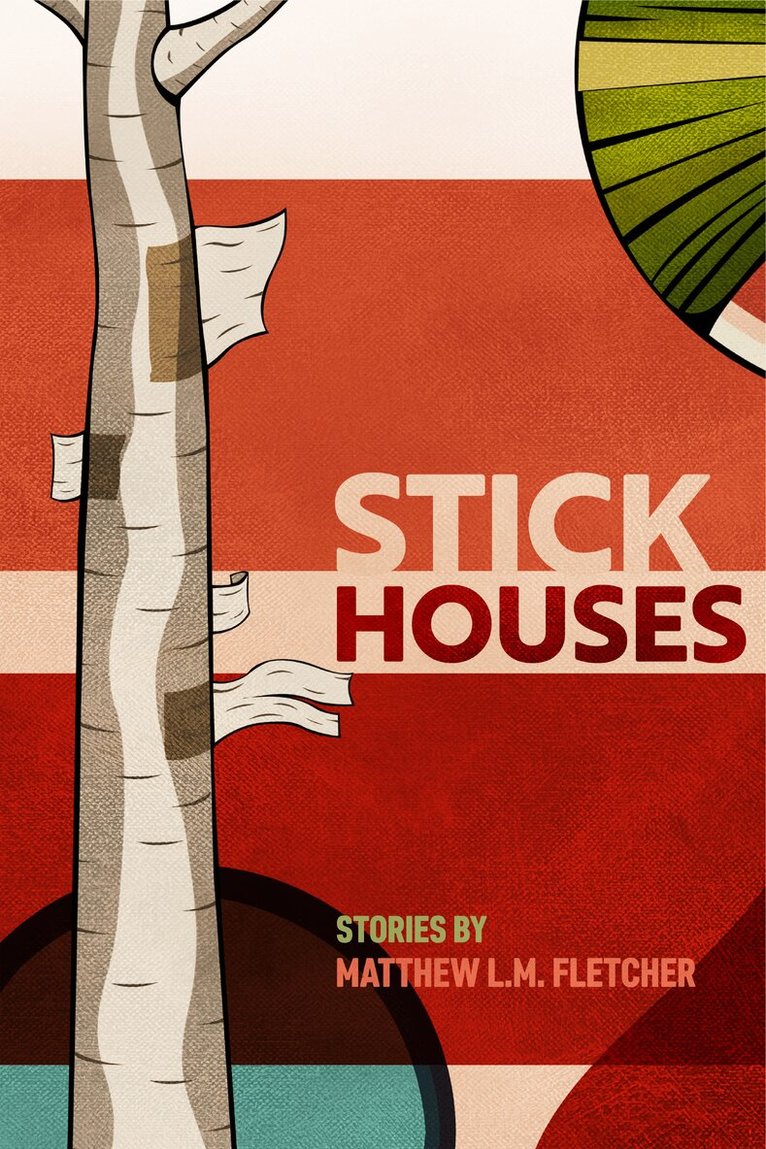
As researchers tried to prompt his mother to say that her ancestors lived in wigwams or teepees, Matthew L. M. Fletcher’s mother insisted her ancestors lived in stick houses. From the opening lines of Fletcher’s story collection, he sets the scene to disrupt narrative stereotypes and expectations about how Indigenous people are perceived. He provides insight into the complex world in which Anishinaabe people live, stripped of the ownership of much of their homeland. In Stick Houses, Fletcher explores what this loss of place has meant to the Anishinaabe people of Michigan. It explores how they must leave and come back. There is dispossession and separation, but there is also reunion and restoration. These stories explore themes of home and belonging, and how Native people are not just one thing; they are both Native and non-Native blood. Some are deeply connected to their Anishinaabe heritage, while others have suffered a complete loss of their culture. Many Native people are conflicted about their background and suffer intergenerational trauma. These stories originate in dynamic environments and situations such as airports, college, Indian lawyering, and high school baseball games.
336 kr
Skickas inom 3-6 vardagar
As researchers tried to prompt his mother to say that her ancestors lived in wigwams or teepees, Matthew L. M. Fletcher’s mother insisted her ancestors lived in stick houses. From the opening lines of Fletcher’s story collection, he sets the scene to disrupt narrative stereotypes and expectations about how Indigenous people are perceived. He provides insight into the complex world in which Anishinaabe people live, stripped of the ownership of much of their homeland. In Stick Houses, Fletcher explores what this loss of place has meant to the Anishinaabe people of Michigan. It explores how they must leave and come back. There is dispossession and separation, but there is also reunion and restoration. These stories explore themes of home and belonging, and how Native people are not just one thing; they are both Native and non-Native blood. Some are deeply connected to their Anishinaabe heritage, while others have suffered a complete loss of their culture. Many Native people are conflicted about their background and suffer intergenerational trauma. These stories originate in dynamic environments and situations such as airports, college, Indian lawyering, and high school baseball games.
267 kr
Tillfälligt slut