Matthew Nini – författare
Visar alla böcker från författaren Matthew Nini. Handla med fri frakt och snabb leverans.
9 produkter
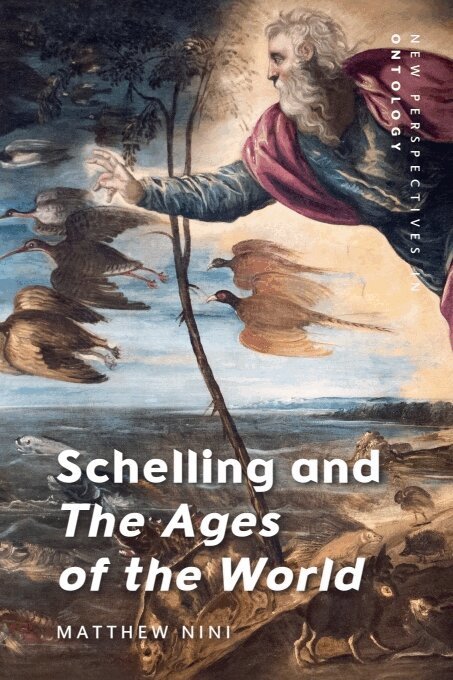
Schelling and The Ages of the World
Av Matthew Nini
Inbunden, 2026
1265 kr
Lägg i varukorg
What does it mean for something new to begin? Since antiquity, philosophy has struggled to think about real beginnings without reducing them to continuations, repetitions, or hidden necessities. In Schelling’s Ages of the World, Matthew Nini engages with Friedrich Wilhelm Joseph Schelling’s …
Fichte in Berlin
The 1804 Wissenschaftslehre
Av Matthew Nini
Häftad, 2024
413 kr
Lägg i varukorg
When the celebrated German philosopher Johann Gottlieb Fichte lost his position at the University of Jena and moved to Berlin, it looked as if his career was over. In 1799 Berlin had no university, and Fichte was consigned to lecturing in his home.In Fichte in Berlin Matthew Nini breaks with …
Fichte in Berlin
The 1804 Wissenschaftslehre
Av Matthew Nini
Inbunden, 2024
1239 kr
Lägg i varukorg
When the celebrated German philosopher Johann Gottlieb Fichte lost his position at the University of Jena and moved to Berlin, it looked as if his career was over. In 1799 Berlin had no university, and Fichte was consigned to lecturing in his home.In Fichte in Berlin Matthew Nini breaks with …
Fichte in Berlin
The 1804 Wissenschaftslehre
Av Matthew Nini
E-bok, 2024
428 kr
Lägg i varukorg
When the celebrated German philosopher Johann Gottlieb Fichte lost his position at the University of Jena and moved to Berlin, it looked as if his career was over. In 1799 Berlin had no university, and Fichte was consigned to lecturing in his home. In Fichte in Berlin Matthew Nini breaks with …
Fichte in Berlin
The 1804 Wissenschaftslehre
Av Matthew Nini
E-bok, 2024
428 kr
Lägg i varukorg
When the celebrated German philosopher Johann Gottlieb Fichte lost his position at the University of Jena and moved to Berlin, it looked as if his career was over. In 1799 Berlin had no university, and Fichte was consigned to lecturing in his home. In Fichte in Berlin Matthew Nini breaks with …
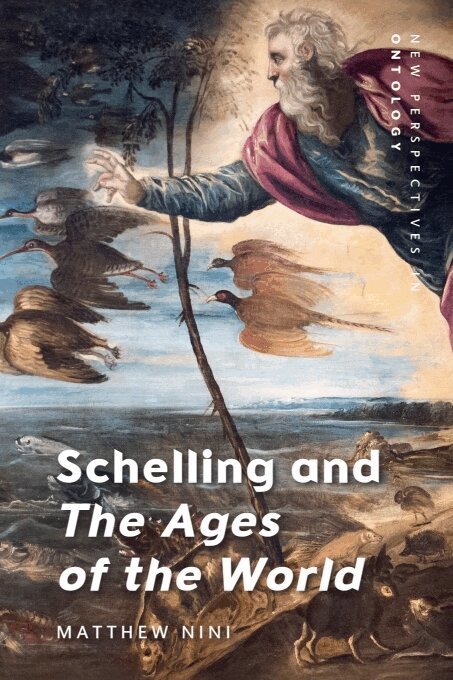
Schelling and The Ages of the World
Av Matthew Nini
E-bok, 2026
1452 kr
Lägg i varukorg
What does it mean for something new to begin? Since antiquity, philosophy has struggled to think about real beginnings without reducing them to continuations, repetitions, or hidden necessities. In Schelling’s Ages of the World, Matthew Nini engages with Friedrich Wilhelm Joseph Schelling’s …
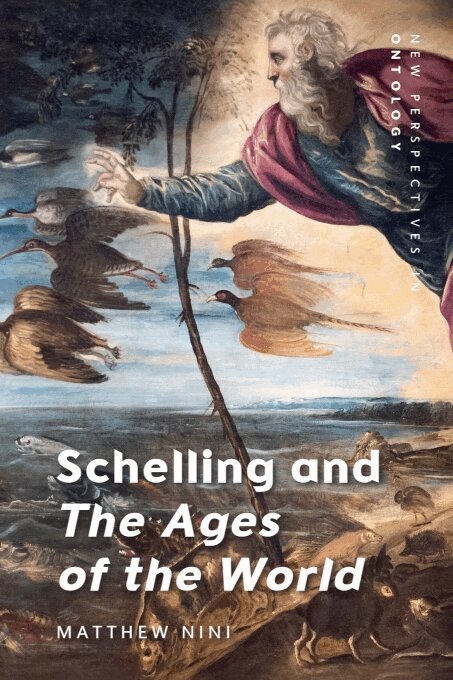
Schelling and The Ages of the World
Av Matthew Nini
E-bok, 2026
1420 kr
Lägg i varukorg
What does it mean for something new to begin? Since antiquity, philosophy has struggled to think about real beginnings without reducing them to continuations, repetitions, or hidden necessities. In Schelling’s Ages of the World, Matthew Nini engages with Friedrich Wilhelm Joseph Schelling’s …