Matthew R. Christ – författare
Visar alla böcker från författaren Matthew R. Christ. Handla med fri frakt och snabb leverans.
7 produkter
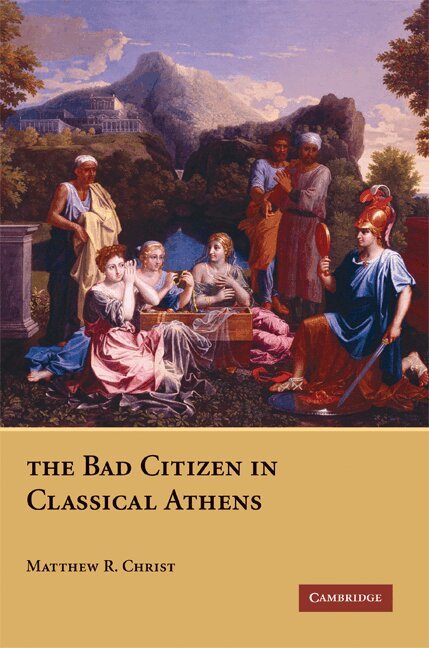
The Bad Citizen in Classical Athens
Häftad, 2008
569 kr
Lägg i varukorg
This book provides a fresh perspective on Athenian democracy by exploring bad citizenship, both as a reality and an idea, in classical Athens, from the late sixth century down to 322. If called upon, Athenian citizens were expected to support their city through military service and financial …
The Bad Citizen in Classical Athens
Inbunden, 2006
1693 kr
Lägg i varukorg
This book provides a fresh perspective on Athenian democracy by exploring bad citizenship, both as a reality and an idea, in classical Athens, from the late sixth century down to 322. If called upon, Athenian citizens were expected to support their city through military service and financial …
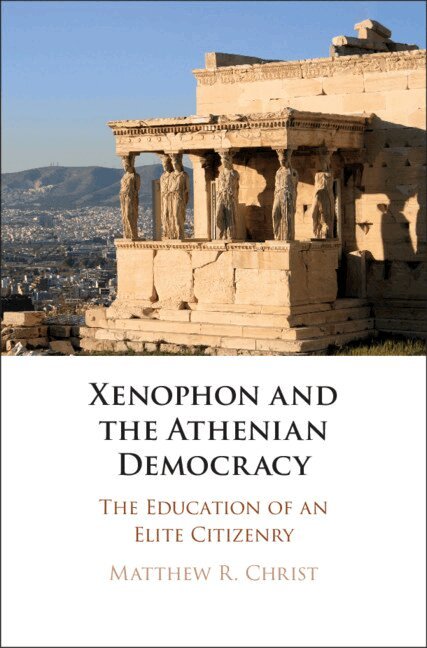
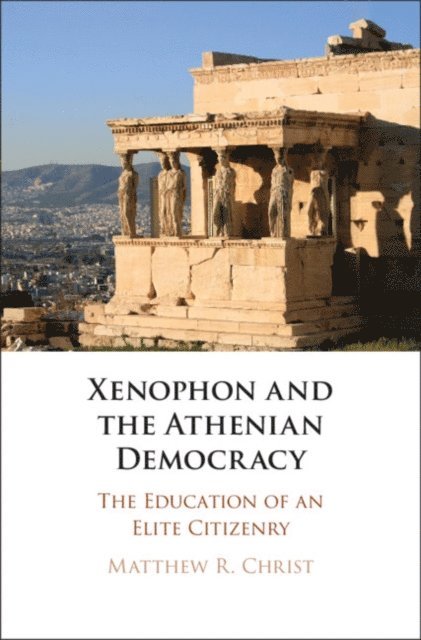
Xenophon and the Athenian Democracy
The Education of an Elite Citizenry
Inbunden, 2020
1475 kr
Lägg i varukorg
This book seeks to understand Xenophon as an elite Athenian writing largely for an elite Athenian audience in the first half of the fourth century BC. It argues that Xenophon calls on men of his own class to set aside their assumptions of superiority based on birth or wealth and to reinvent …
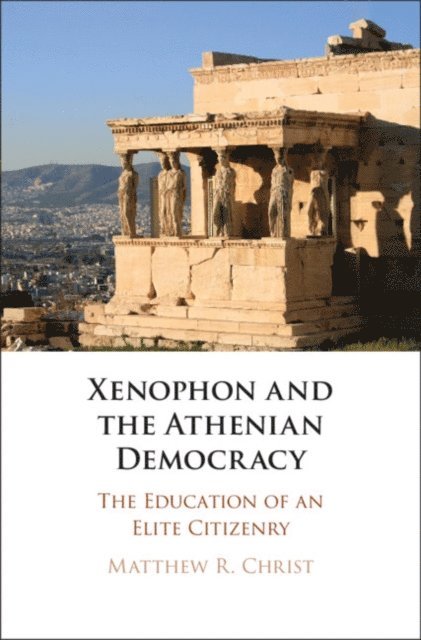
Xenophon and the Athenian Democracy
The Education of an Elite Citizenry
Häftad, 2021
586 kr
Lägg i varukorg
This book seeks to understand Xenophon as an elite Athenian writing largely for an elite Athenian audience in the first half of the fourth century BC. It argues that Xenophon calls on men of his own class to set aside their assumptions of superiority based on birth or wealth and to reinvent …
Xenophon and the Athenian Democracy
The Education of an Elite Citizenry
E-bok, 2020
559 kr
Lägg i varukorg
This book seeks to understand Xenophon as an elite Athenian writing largely for an elite Athenian audience in the first half of the fourth century BC. It argues that Xenophon calls on men of his own class to set aside their assumptions of superiority based on birth or wealth and to reinvent …
Xenophon and the Athenian Democracy
The Education of an Elite Citizenry
E-bok, 2020
571 kr
Lägg i varukorg
This book seeks to understand Xenophon as an elite Athenian writing largely for an elite Athenian audience in the first half of the fourth century BC. It argues that Xenophon calls on men of his own class to set aside their assumptions of superiority based on birth or wealth and to reinvent …
Litigious Athenian
Inbunden, 1999
551 kr
Tillfälligt slut
The democratic revolution that swept Classical Athens transformed the role of law in Athenian society. The legal process and the popular courts took on new and expanded roles in civic life. Although these changes occurred with the consent of the "people" (demos), Athenians were ambivalent about the …