Matthew Silverman – författare
Visar alla böcker från författaren Matthew Silverman. Handla med fri frakt och snabb leverans.
17 produkter
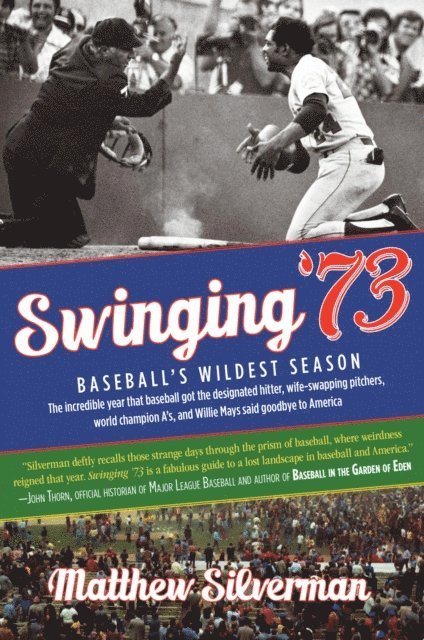
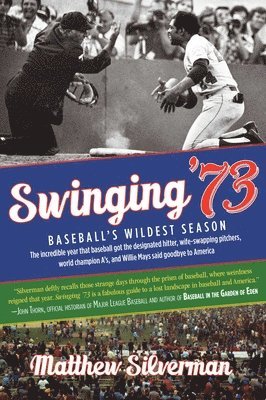
Swinging '73
Baseball's Wildest Season
E-bok, 2013
252 kr
Lägg i varukorg
Interest and attendance were dropping, and football was ascending. Stuck in a rut, baseball was dying. Then Steinbrenner bought the Yankees, a second-division club with wife-swapping pitchers, leaving the House That Ruth Built not with a slam but a simper. He vowed not to interfere—before soon …
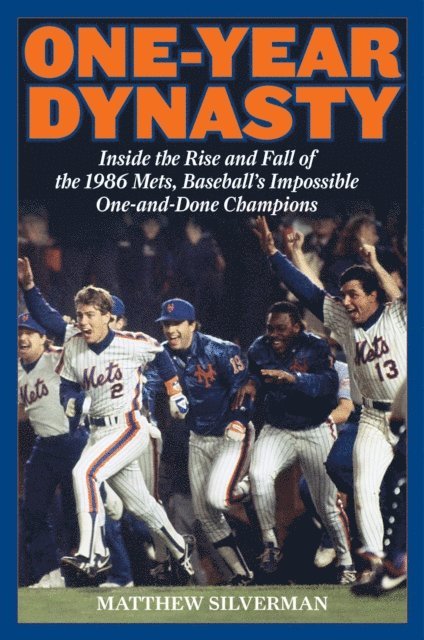
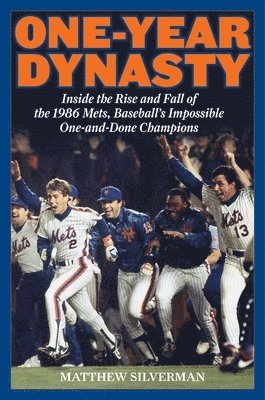
One-Year Dynasty
Inside the Rise and Fall of the 1986 Mets, Baseball's Impossible One-and-Done Champions
E-bok, 2016
285 kr
Lägg i varukorg
Relive the games, moves, and players of the hard-hitting team that won the 1986 World Series. Vin Scully called the tenth-inning groundball in Game Six of the 1986 World Series—Mets versus Red Sox—that sealed a comeback, fueled a curse, and turned a batting champion into a scapegoat. But getting …
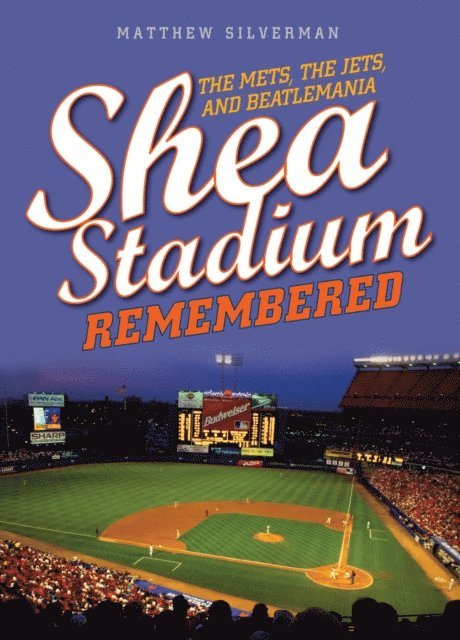
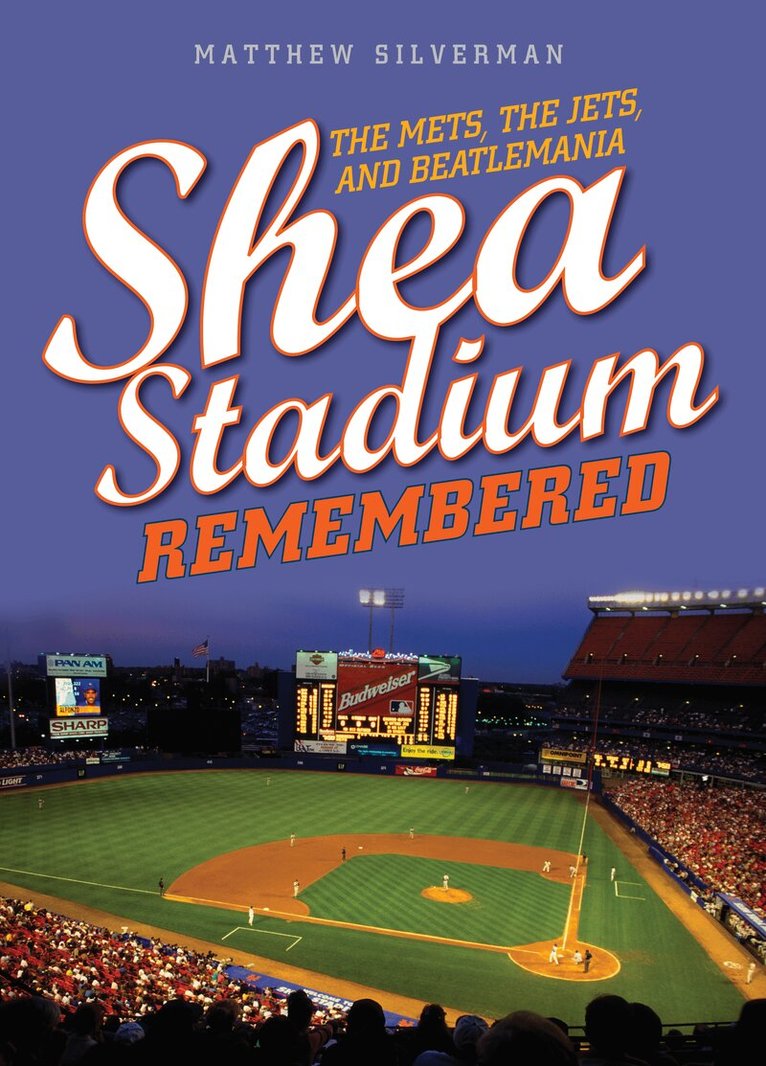
Shea Stadium Remembered
The Mets, the Jets, and Beatlemania
E-bok, 2019
310 kr
Lägg i varukorg
Few remember that Shea Stadium—and indeed the Mets baseball club itself—arose out of a dispute between two oversized egos: New York City official Robert Moses and Brooklyn Dodgers owner Walter O’Malley. While O’Malley wanted complete control over a new stadium and all of its concessions in …
Shea Stadium Remembered
The Mets, the Jets, and Beatlemania
Häftad, 2022
225 kr
Lägg i varukorg
Few remember that Shea Stadium—and indeed the Mets baseball club itself—arose out of a dispute between two oversized egos: New York City official Robert Moses and Brooklyn Dodgers owner Walter O’Malley. While O’Malley wanted complete control over a new stadium and all of its concessions in …
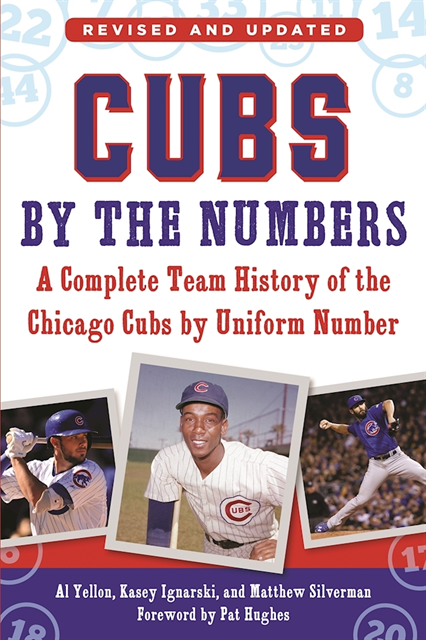
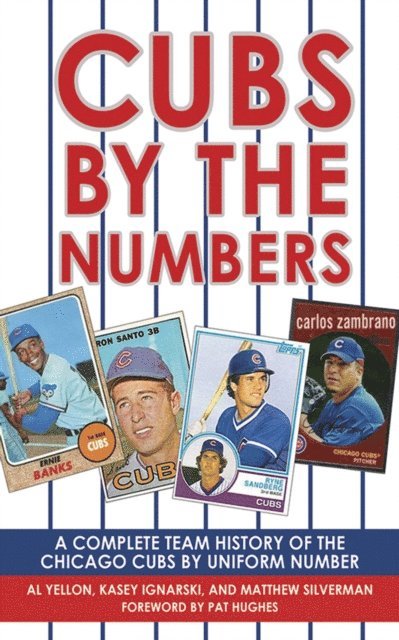
Cubs by the Numbers
A Complete Team History of the Chicago Cubs by Uniform Number
Av Matthew Silverman, Kasey Ignarski m. fl.
E-bok, 2016
143 kr
Lägg i varukorg
What do Dizzy Dean, Catfish Metkovich, John Boccabella, Bill Buckner, Mark Prior, and Jason Heyward all have in common? They all wore number 22 for the Chicago Cubs, even though eight decades have passed between the last time Dizzy Dean buttoned up a Cubs uniform with that number and the first time …
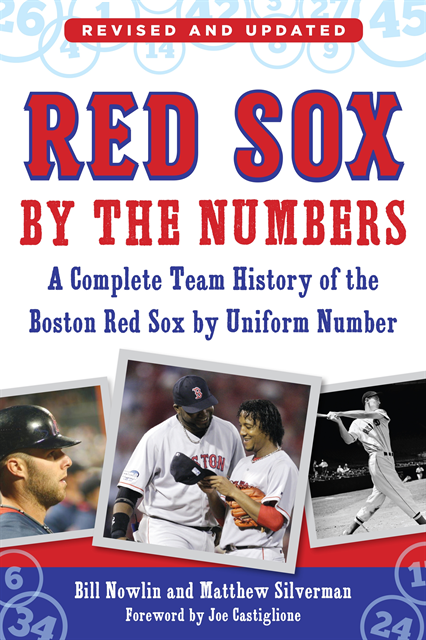
Red Sox by the Numbers
A Complete Team History of the Boston Red Sox by Uniform Number
Av Matthew Silverman, Bill Nowlin
E-bok, 2016
146 kr
Lägg i varukorg
What do Rube Walberg, Mike Nagy, Kevin Millar, and Dustin Pedroia all have in common? They have all worn #15 for the Boston Red Sox. Since 1931, the Red Sox have issued 74 different numbers to more than 1,500 players. In this newly updated edition, Red Sox by the Numbers tells the story of every …
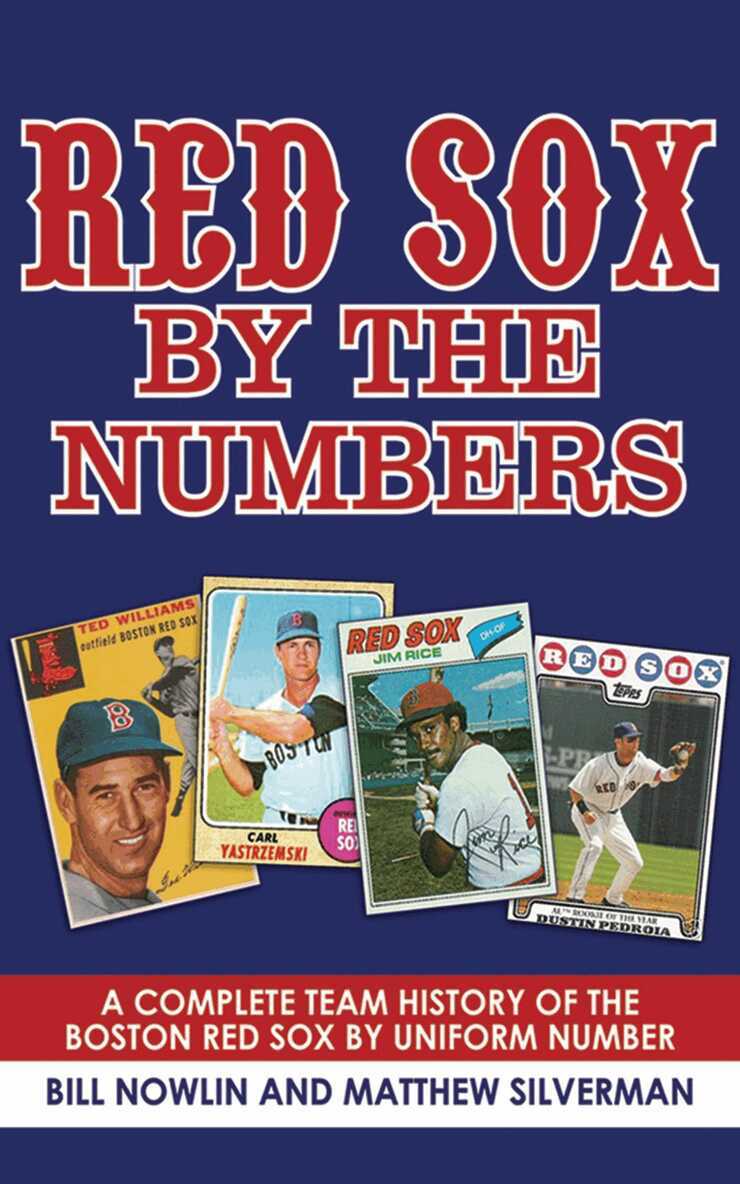
Red Sox by the Numbers
A Complete Team History of the Boston Red Sox by Uniform Number
Av Bill Nowlin, Matthew Silverman
E-bok, 2014
146 kr
Lägg i varukorg
What do Rube Walberg, Mike Nagy, Kevin Millar, and Dustin Pedroia all have in common? They all wore #15 for the Boston Red Sox. Since 1931, the Red Sox have issued 74 different numbers to more than 1,500 players. Red Sox by the Numbers tells the story of every Red Sox player since '31from Bill …
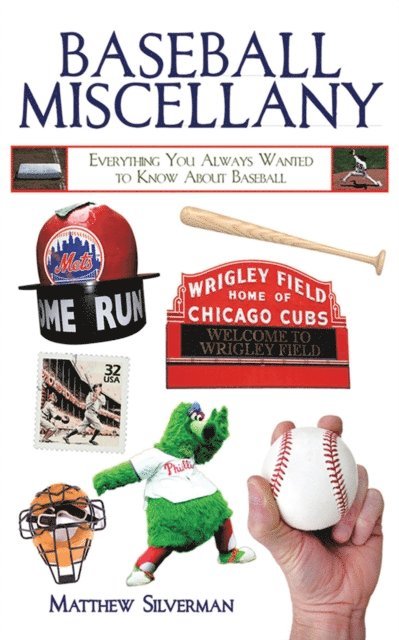
Baseball Miscellany
Everything You Always Wanted to Know About Baseball
E-bok, 2011
130 kr
Lägg i varukorg
Why does a curveball curve? What is a “can of corn”? Why was Joe DiMaggio called the “Yankee Clipper”? “Who wrote “Take Me Out to the Ballgame”? How many times did Ty Cobb steal home? In Baseball Miscellany , the fascinating history and lore of our national pastime is finally revealed! For example, …
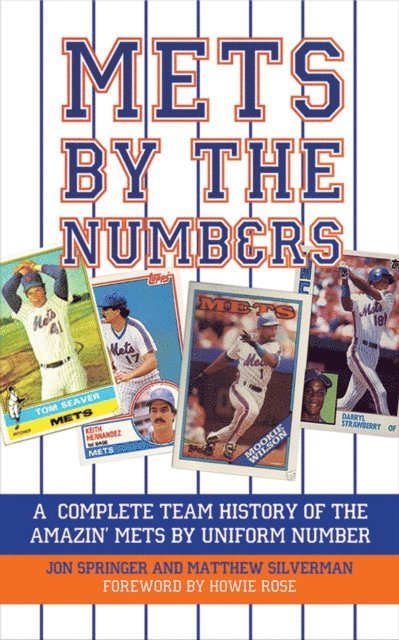
Mets by the Numbers
A Complete Team History of the Amazin'' Mets by Uniform Numbers
Av Jon Springer, Matthew Silverman
E-bok, 2008
146 kr
Lägg i varukorg
This is the first team history of the New York Mets—or any other team—to be told through a lighthearted analysis of uniform numbers. Ordinary club histories proceed year by year to give the big picture. Mets by the Numbers uses jersey numbers to tell the little stories—the ones the fans love—of the …
Cubs by the Numbers
A Complete Team History of the Cubbies by Uniform Number
Av Pat Hughes, Matthew Silverman m. fl.
E-bok, 2009
146 kr
Lägg i varukorg
What do Dizzy Dean, Catfish Metkovich, John Boccabella, Bill Buckner, Mark Prior, and Kevin Hart all have in common? They all wore number 22 for the Chicago Cubs, even though seven decades have passed between the last time Dizzy Dean buttoned up a Cubs uniform with that number and the first time …
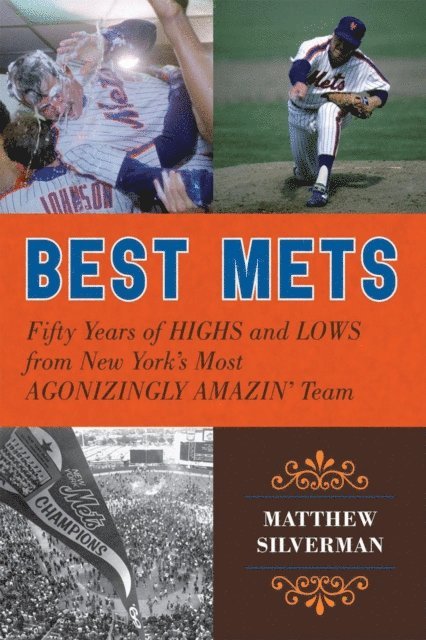
Best Mets
Fifty Years of Highs and Lows from New York's Most Agonizingly Amazin' Team
E-bok, 2014
173 kr
Lägg i varukorg
As the New York Mets celebrate their fiftieth anniversary of National League baseball, this rollicking chronicle recounts a half century of the team’s ups and downs. Chapters recount the best and worst teams; the greatest players; the most thrilling wins and most excruciating losses; the most …
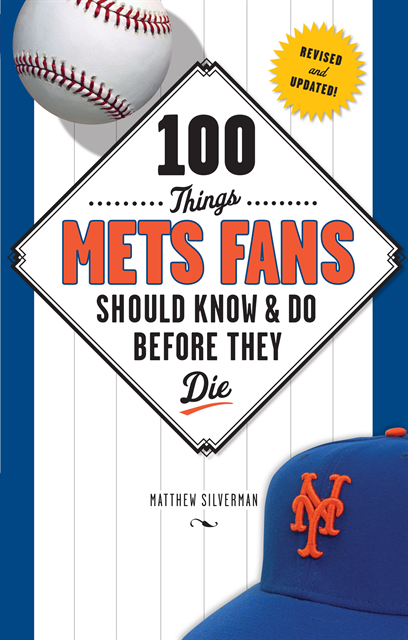
100 Things Mets Fans Should Know & Do Before They Die
E-bok, 2016
148 kr
Lägg i varukorg
With trivia boxes, records, and team lore, this lively, detailed book explores the personalities, events, and facts every Mets fan should know. It contains crucial information such as important dates, player nicknames, memorable moments, and outstanding achievements by singular players. This guide …
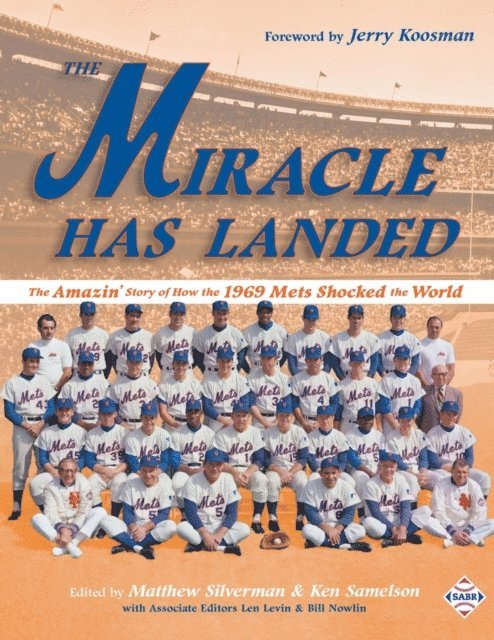
Miracle Has Landed
The Amazin'' Story of How the 1969 Mets Shocked the World
Av Ken Samelson, Matthew Silverman
E-bok, 2021
346 kr
Lägg i varukorg
Celebrate the 1969 Miracle Mets in this new, updated SABR edition of The Miracle Has Landed. Seven seasons after the Mets debuted with the most losses in modern baseball history, the franchise was still seen as a laughingstock, with 100-to-1 odds to win the World Series when 1969 began. The first …
Miracle Has Landed
The Amazin' Story of How the 1969 Mets Shocked the World
Av Matthew Silverman, Ken Samelson
Häftad, 2021
299 kr
Lägg i varukorg
Swinging '73
Baseball's Wildest Season
Häftad, 2013
203 kr
Tillfälligt slut
Interest and attendance were dropping, and football was ascending. Stuck in a rut, baseball was dying. Then Steinbrenner bought the Yankees, a second-division club with wife-swapping pitchers, leaving the House That Ruth Built not with a slam but a simper. He vowed not to interfere—before soon …
One-Year Dynasty
Inside the Rise and Fall of the 1986 Mets, Baseball's Impossible One-and-Done Champions
Häftad, 2016
239 kr
Tillfälligt slut
Relive the games, moves, and players of the hard-hitting team that won the 1986 World Series. Vin Scully called the tenth-inning groundball in Game Six of the 1986 World Series—Mets versus Red Sox—that sealed a comeback, fueled a curse, and turned a batting champion into a scapegoat. But getting …
Shea Stadium Remembered
The Mets, the Jets, and Beatlemania
Inbunden, 2019
389 kr
Tillfälligt slut
Few remember that Shea Stadium—and indeed the Mets baseball club itself—arose out of a dispute between two oversized egos: New York City official Robert Moses and Brooklyn Dodgers owner Walter O’Malley. While O’Malley wanted complete control over a new stadium and all of its concessions in …