Matthias Gröbel – författare
Visar alla böcker från författaren Matthias Gröbel. Handla med fri frakt och snabb leverans.
3 produkter
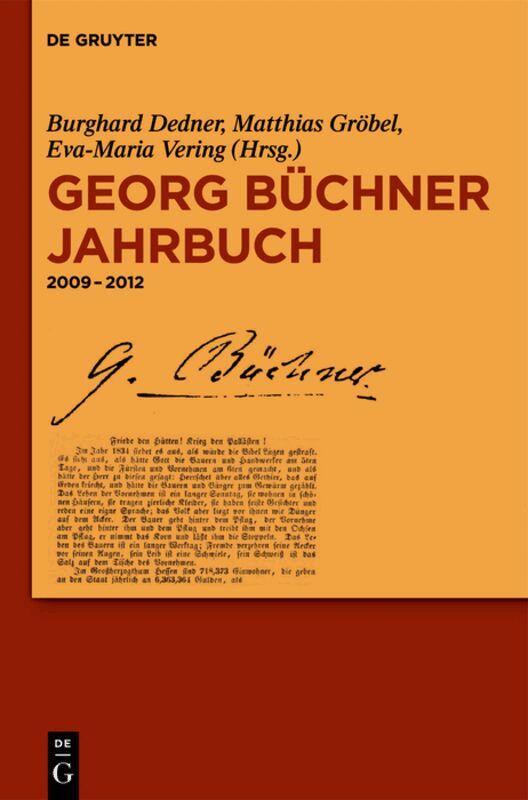
2009−2012
Av Burghard Dedner, Matthias Gröbel m. fl.
Inbunden, 2012
1569 kr
Lägg i varukorg
The Georg Büchner Jahrbuch is published annually from 2023 onwards with a thematic focus. It primarily documents the contributions of the annual conferences of the Georg Büchner Gesellschaft. The aim of the yearbook is to make new research paradigms fruitful for a reading of Büchner and at the same …
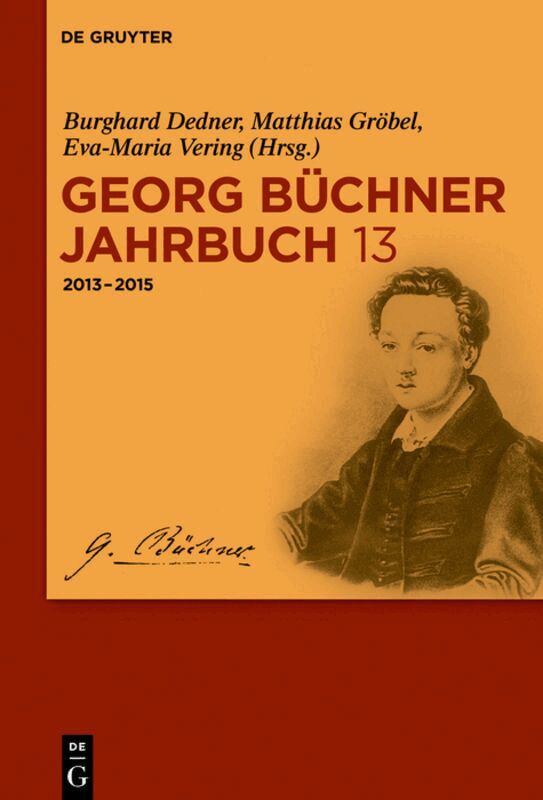
2013–2015
Av Burghard Dedner, Matthias Gröbel m. fl.
Inbunden, 2016
1283 kr
Lägg i varukorg
The Georg Büchner Jahrbuch is published annually from 2023 onwards with a thematic focus. It primarily documents the contributions of the annual conferences of the Georg Büchner Gesellschaft. The aim of the yearbook is to make new research paradigms fruitful for a reading of Büchner and at the same …
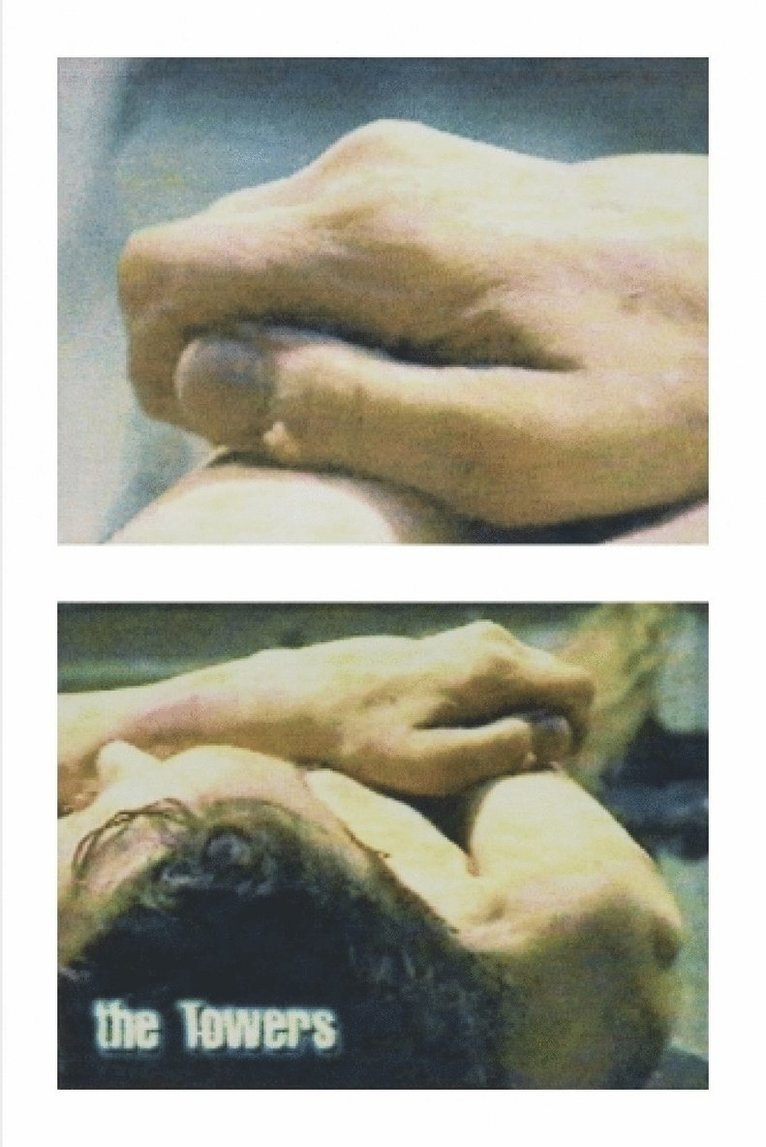
Painted Faces. Broadcast Material 1989–2006
Broadcast Material 1989-2006
Inbunden, 2022
541 kr
Tillfälligt slut
Matthias Groebel's activities in the late ’80s sound more like the plot of a cyberpunk novel than like a sober account of a serious artist’s professional practice: he spent those years rummaging around in electronic waste dumps in Münster, Germany, in search of windshield wiper and photocopier …