Maude De Schauensee – författare
Visar alla böcker från författaren Maude De Schauensee. Handla med fri frakt och snabb leverans.
3 produkter
3 produkter
486 kr
Skickas inom 5-8 vardagar
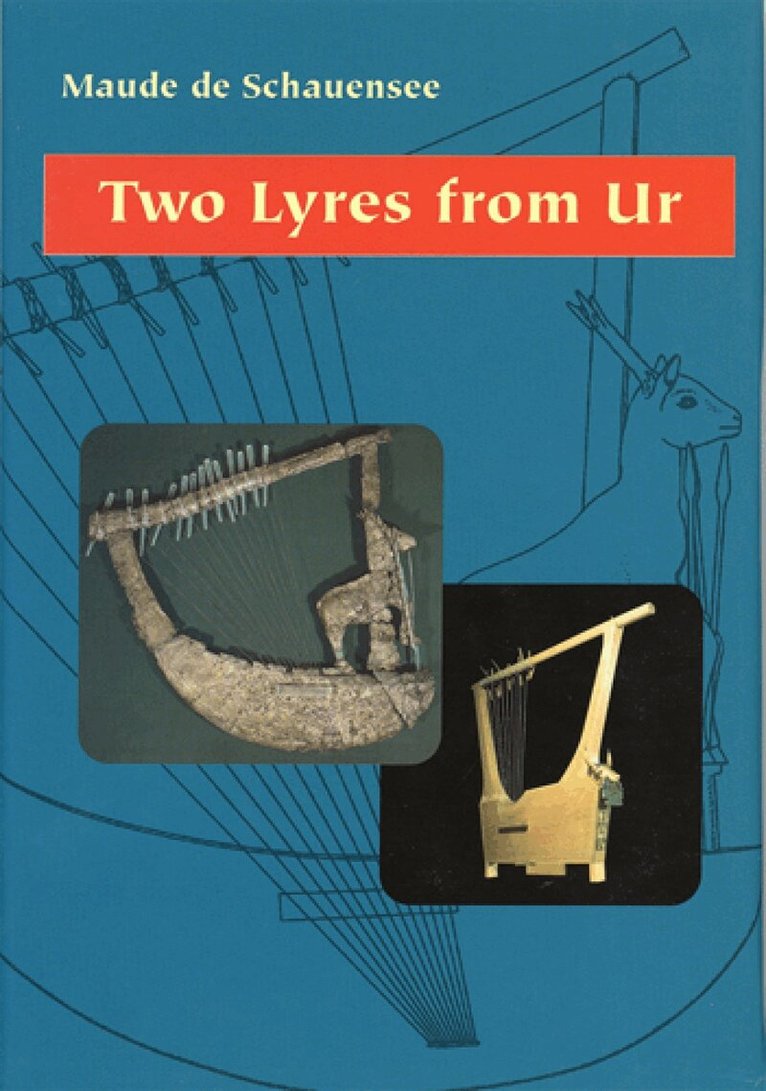
During the 1928-29 season at Ur, in the Great Death Pit of the Royal Cemetery, C. Leonard Woolley discovered two spectacular musical instruments-a silver Boat-shaped Lyre and a magnificent lyre with the head of a bull made of gold sheet and a lapis lazuli beard. This book chronicles their history, conservation, and reconservation. While little was known about mid-third millennium Mesopotamian archaeology early last century, it was clear that the Sumerians had developed a vigorous trade in luxury goods, with an economy that necessitated a highly structured government whose leaders could command rich and elaborate graves that included a full panoply of musical instruments. In meticulous detail, using both traditional methods and new X-ray and electronic imaging investigative techniques, Maude de Schauensee probes and analyzes the construction of the two lyres held by the University Museum while providing an economic, historical, and sociological context in which to better understand them. She examines the decorative motifs along with the materials and the techniques of the builders of these instruments. The illustrations-10 pieces of line art, 25 photographs, 6 CAT-scans, 5 X-rays, and 24 color plates-supply additional details. This book presents new information and conservation descriptions for the first time. Musicologists, art historians, Near East scholars and archaeologists, and general readers will find this book's new analysis of the instruments of an ancient culture of significant interest.
Del 132 - Peoples and Crafts in Period IVB at Hasanlu, Iran
Peoples and Crafts in Period IVB at Hasanlu, Iran
Inbunden, Engelska, 2011
1 071 kr
Skickas inom 5-8 vardagar
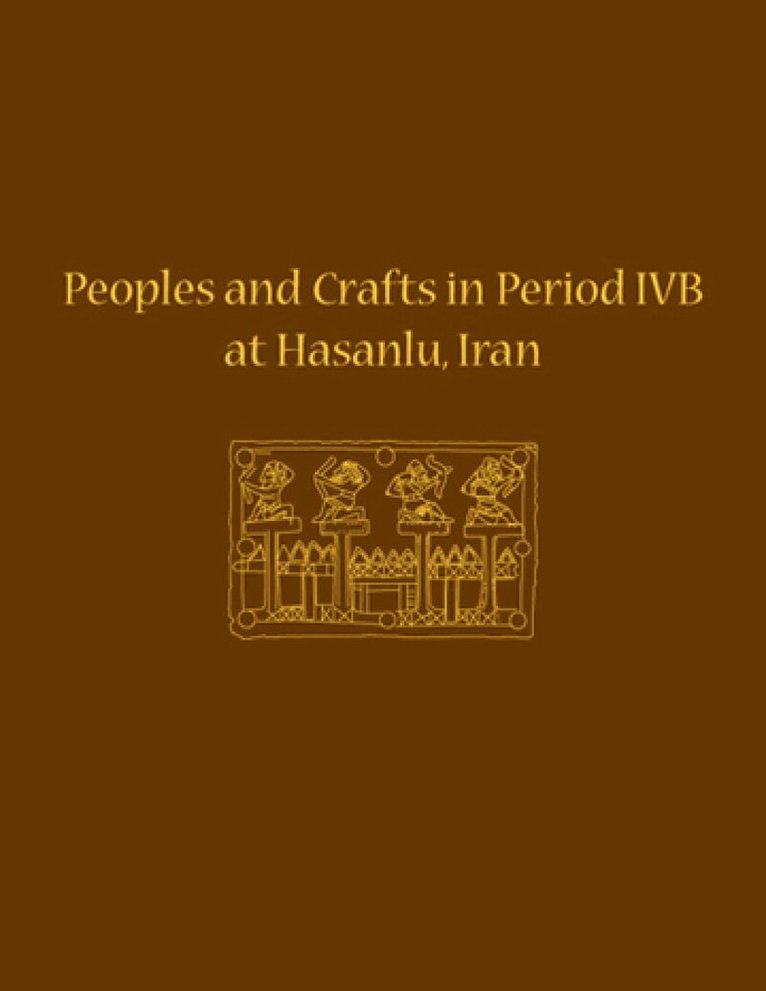
The University of Pennsylvania Museum of Archaeology and Anthropology has had a long-standing interest in the archaeology of Iran. In 1956, Robert H. Dyson, Jr., began excavations south of Lake Urmia at the large mounded site of Hasanlu. Although the results of these excavations await final publication, the Hasanlu Special Studies series-of which this monograph is the fourth volume-describes and analyzes specific aspects of technology, style, and iconography. This volume describes a group of ongoing research projects, most of which provide new information on Iron Age technology. A theme that runs through these studies is the degree to which ancient workers varied the composition of their products to create desirable colors and textures. The book begins with a description of the wooden furniture fragments along with fittings and decorative elements for furniture. It presents the first detailed description of the charred textiles, and places these textiles in their archaeological contexts, suggesting the roles that textiles may have played in daily life. Later chapters assess the significance of Hasanlu in the history of glassmaking, describe the archaeometallurgy of the Hasanlu IVB bronzes, and present a catalog of the bladed weapons. Also, the book presents the evidence for deliberate violence against individuals as indicated by their skeletal injuries and the results of a project undertaken to determine whether DNA could be used to obtain a better understanding of the population history at Hasanlu.
Equipment for Horses from the Period IVB Level (ca. 1000-800 BCE) at Tepe Hasanlu, Iran
Inbunden, Engelska, 2024
1 518 kr
Skickas
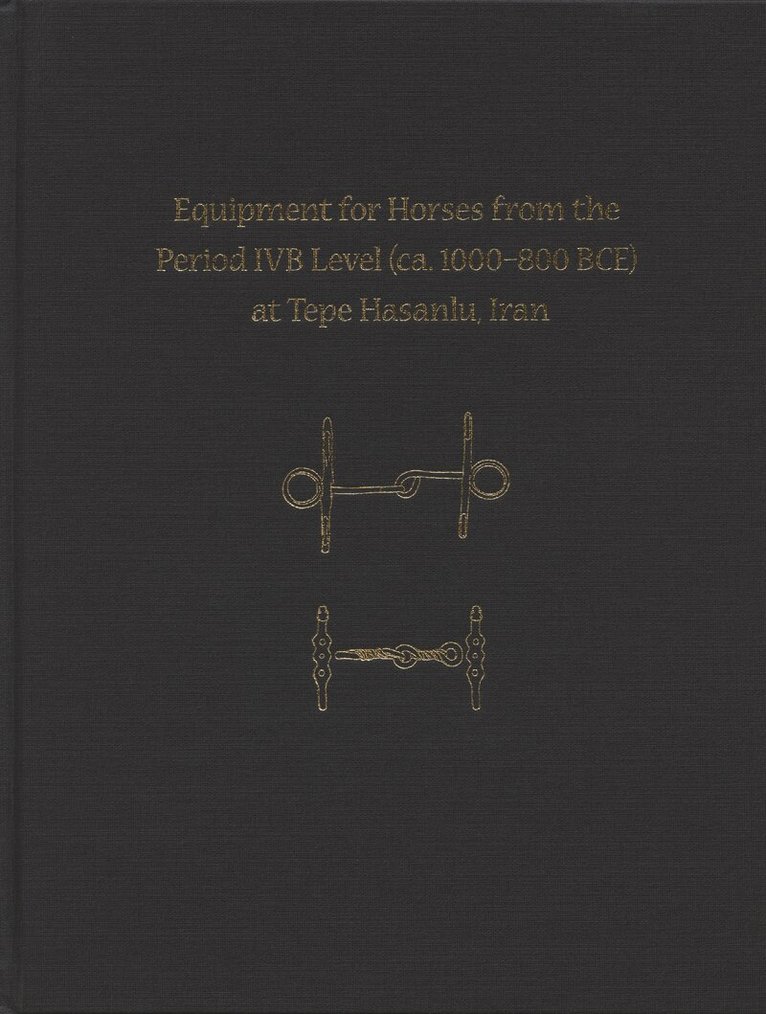
This book presents for the first time the complete corpus of equipment for horses excavated by the Hasanlu Project in the Iron II level at Hasanlu Tepe, Iran. The equipment is varied, extensive and in a context sealed as buildings collapsed during the violent surprise attack and resulting fire that destroyed the town. The equipment is remarkable in the quantity recovered, its variety and richness, the functional types that could be identified (riding, draft, ceremonial), and the amount that could be reconstructed. Its life context gives new information about equipment and usage not otherwise available and allows suggestions for the layered importance of the horse as evidenced by the equipment. No other book presents equipment for horses in a similar context and quantity; the preservation at Hasanlu is unique for this part of the Near East in this time period. The equipment also provides new insight into space use in Hasanlu, one of the most important Iron Age sites in northwest Iran. Find-spots yield information about building use and reuse, some as stables. These and architectural alterations provide unique information regarding changes to the town over time, some of which most likely reflect changes in the dynamics of the region.