Maurice Curtis – författare
Visar alla böcker från författaren Maurice Curtis. Handla med fri frakt och snabb leverans.
5 produkter
5 produkter
179 kr
Skickas inom 11-20 vardagar
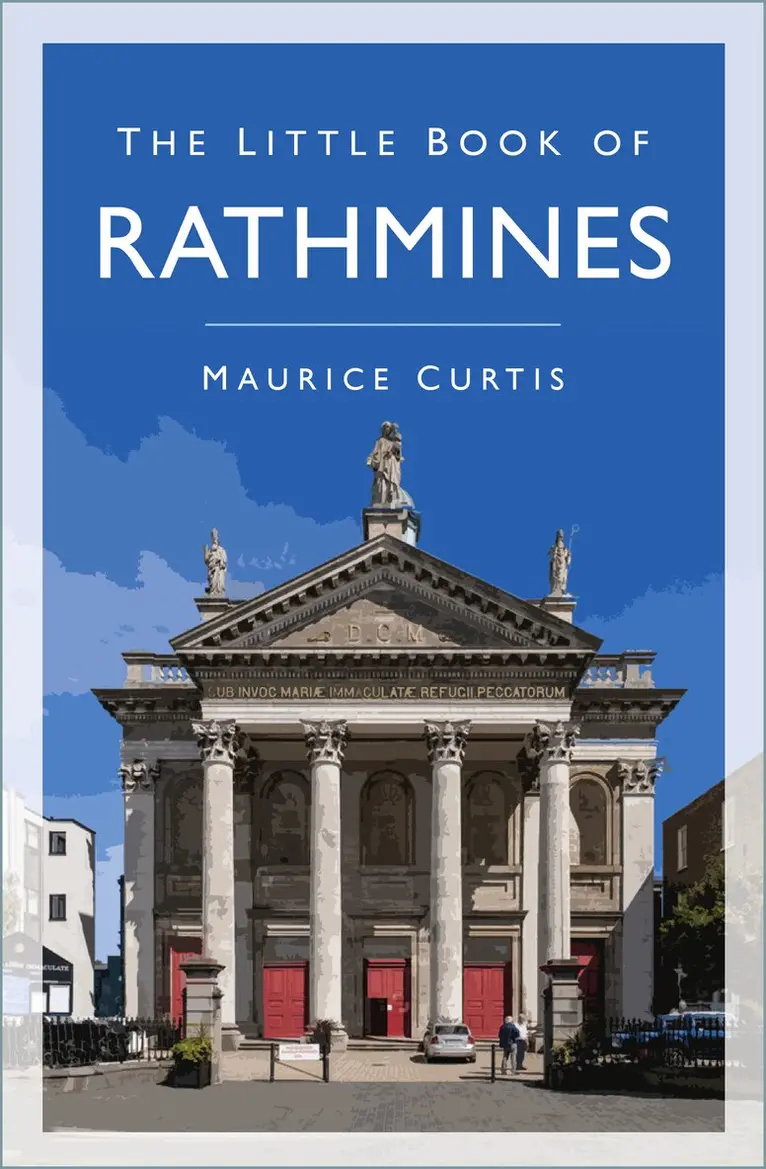
Did you know?Ireland’s first Olympic medallist, Jack B. Yeats, was awarded the silver medal in 1924 for his painting The Liffey Swim. Florence Balcombe, one-time girlfriend of Oscar Wilde and later wife of Bram Stoker, lived at No. 66 Palmerston Road. The renowned green dome of Rathmines Church was originally destined for St Petersburg. Rathmines is one of the oldest and most vibrant parts of Dublin. In this compendium of fascinating, obscure, strange and entertaining facts, you will find out about Rathmines’ past, its proud sporting heritage, its arts and culture, and its famous (and occasionally infamous) men and women. A reliable reference book and a quirky guide, this book can be dipped into time and again to reveal something new about the people, the heritage and the secrets of this much-loved area.
205 kr
Tillfälligt slut
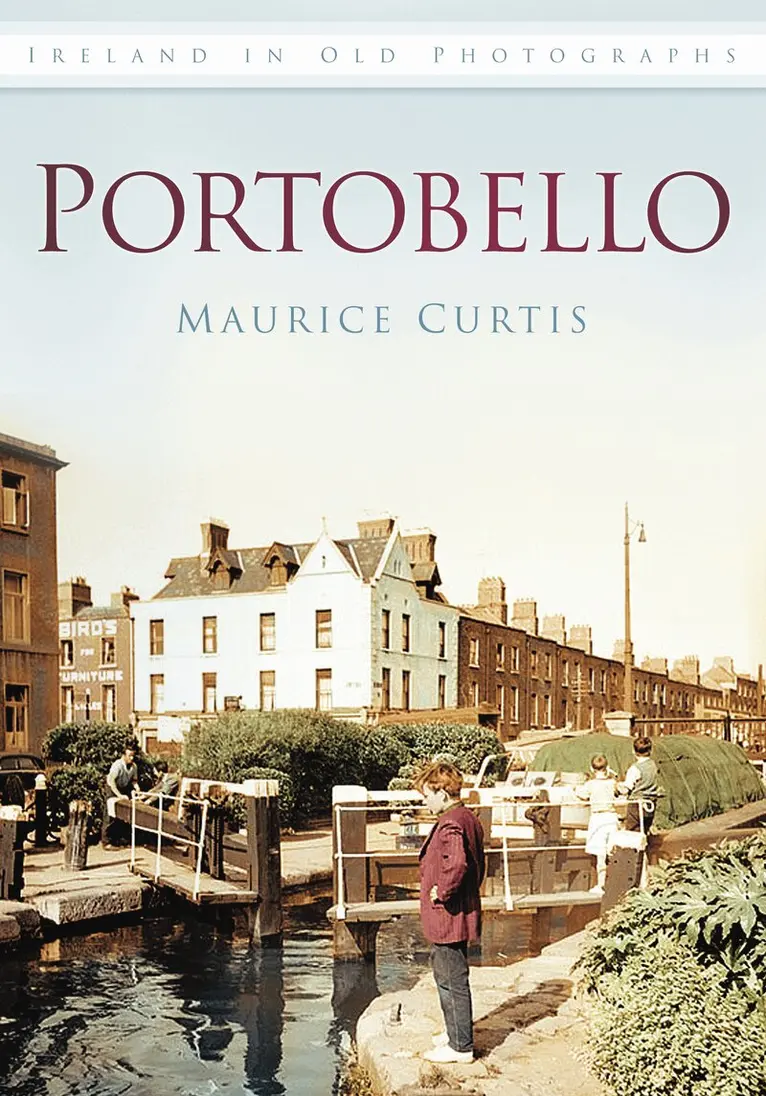
Portobello lies on the bank of the Grand Canal, stretching from South Richmond Street to Clanbrassil Street and the South Circular Road and including some of the adjacent roads and streets. It is one of the country’s most well-known suburbs, and has long been a hub for artistic and cultural Dublin. The list of luminaries associated with Portobello is quiet extraordinary. It includes some of the great names of Irish letters, including George Bernard Shaw, James Joyce and Brendan Behan; some of Ireland’s best-known actors, artists, directors, sculptors and painters, among them Barry Fitzgerald and Jack B.Yeats. And not forgetting some of the country’s most prominent politicians and presidents. In this book, Maurice Curtis, takes the reader on a visual tour of Portobello through the decades, recounting both the familiar and the events and places that have faded over time, revealing many fascinating details, including the fact that Dublin’s Portobello was named after an area on the East Coast of Panama! This, and much more, is captured in a timeless volume, which pays fitting tribute to this well-loved part of the city.
198 kr
Skickas
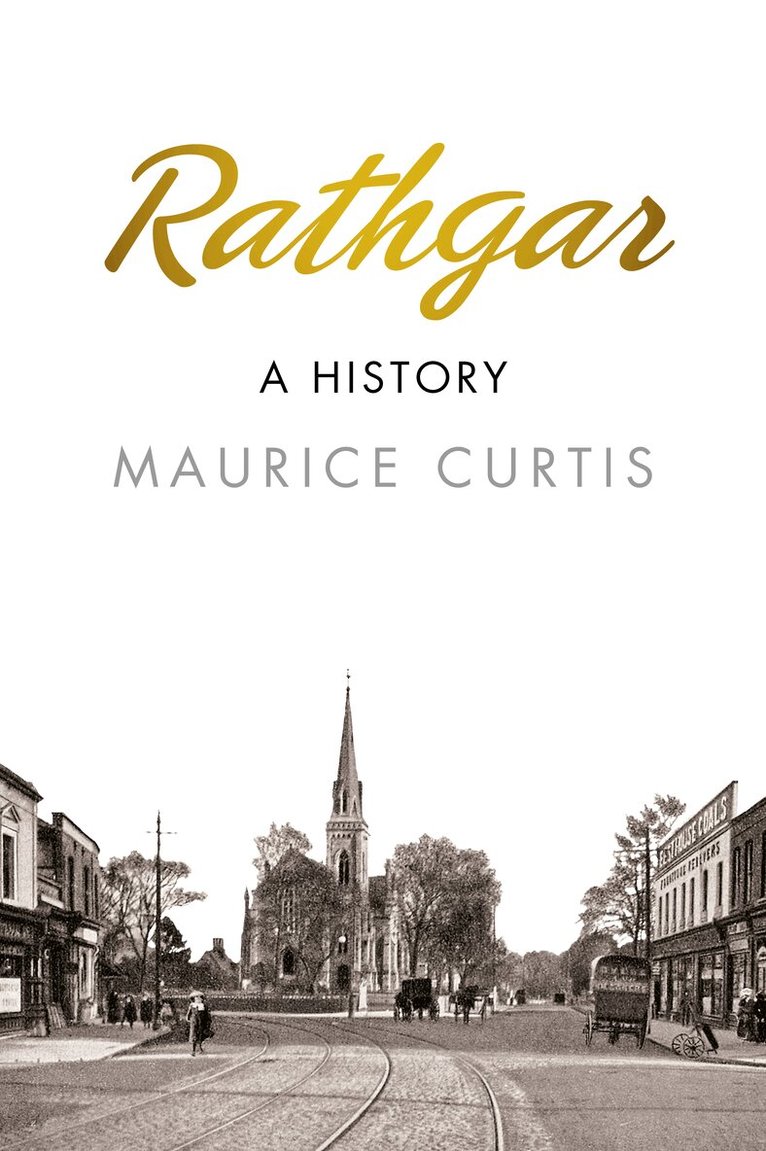
Rathgar may well be the most fascinating area of Dublin. Its red-brick Georgian and Victorian terraces, the fruits of the architectural experimentation of the nineteenth century, are home to some of the most impressive houses, churches and schools in Ireland. Rathgar’s residents have also proved to be some of the most influential in Irish political, social and cultural life, with at least four Nobel Prizewinners boasting strong ties with the area. A unique district with a rich and august history, this book serves as a timely record of an area that has had a profound influence on so many people.
239 kr
Skickas inom 7-10 vardagar
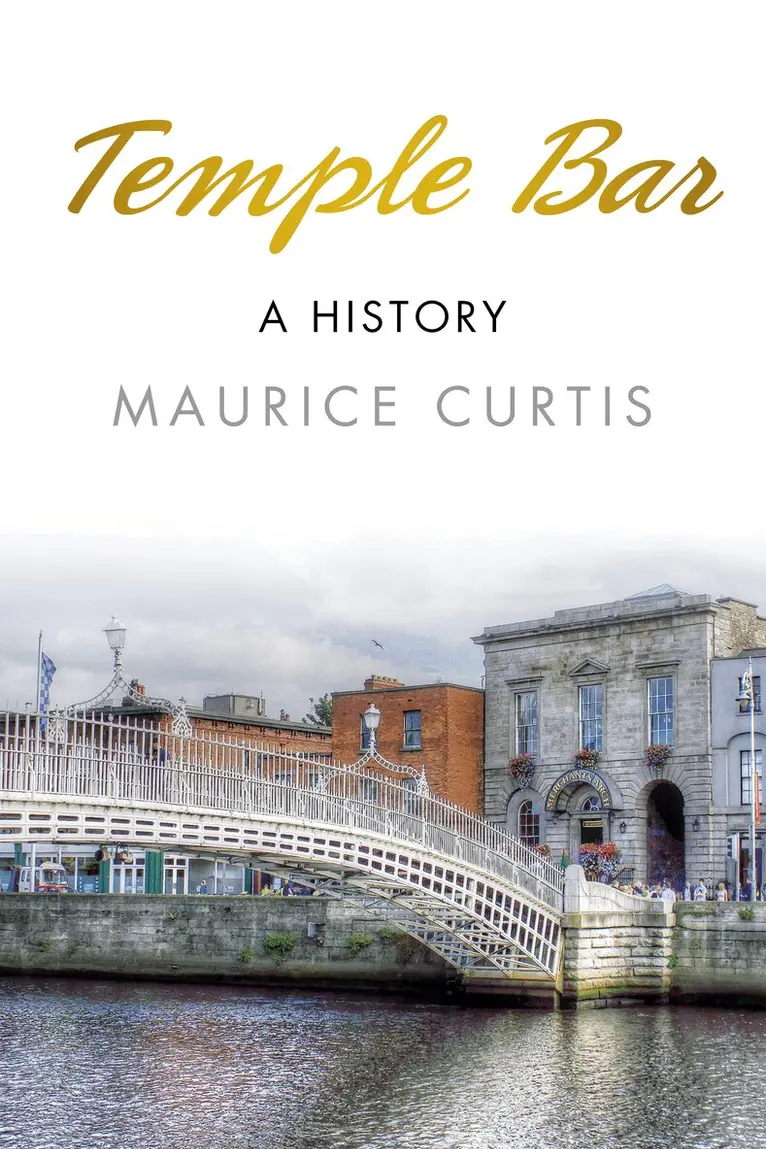
For as long as we have records, Temple Bar has been at the heart of Dublin’s cultural life. Its history is one of design, craft, publishing, the performing arts, coffee houses, political debate and great colour and energy. The world’s favourite oratorio and chorus – ‘Hallelujah’ from Handel’s Messiah – had its world premiere in Temple Bar in 1742 in Neals’ Musick Hall, and a tradition of great musical vibrancy has continued there over time. Today, it is one of the central tourist areas of Dublin, and one of the most visited sets of streets on the island of Ireland. This is its history.
193 kr
Tillfälligt slut
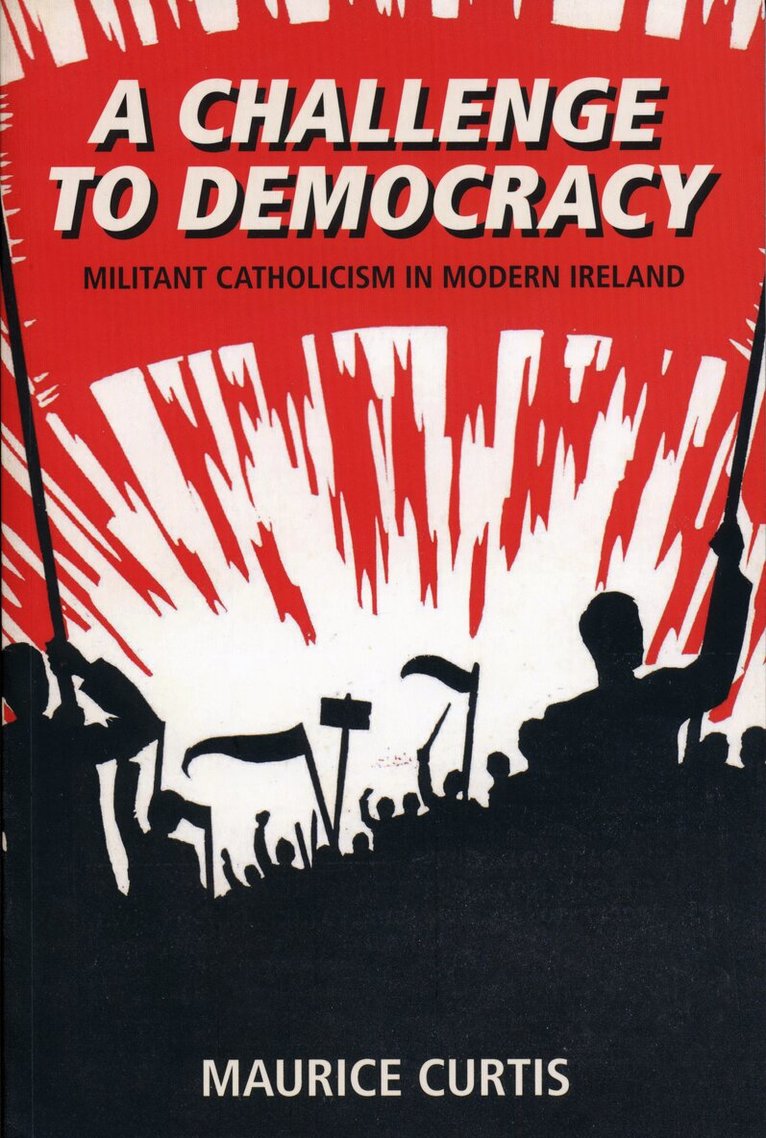
Militant Catholicism refers to radical Catholic believers who believed that the only way for Ireland to remain a Catholic country was to combine together in lay organisations, to work in politics and society for the overthrow of the Protestant culture and to replace it with a strictly Catholic ethos. In the newly independent Ireland, Militant Catholicism played a crucial role in asserting the Catholic Church's influence on both politics and society. It was pivotal in helping to shape and consolidate public opinion, in copper-fastening the Catholic-Irish identity and in helping to enshrine the moral code in Irish law. It also had a resounding impact on the drafting of the 1937 Constitution of Ireland. Moreover, its influence can be seen in the growth of democracy and the political party system in Ireland, in the ideologies embraced by Fine Gael, Fianna Fail and Clann na Poblachta, and consequently on governments' social and economic policies.