Maurice Walsh – författare
Visar alla böcker från författaren Maurice Walsh. Handla med fri frakt och snabb leverans.
9 produkter
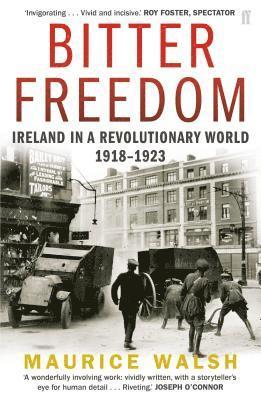
Bitter Freedom
Ireland In A Revolutionary World 1918–1923
Häftad, 2016
171 kr
Lägg i varukorg
The Irish Revolution - the war between the British authorities and the newly-formed IRA - was the first successful revolt anywhere against the British Empire. This is a vividly-written, compelling narrative placing events in Ireland in the wider context of a world in turmoil after the ending of a …
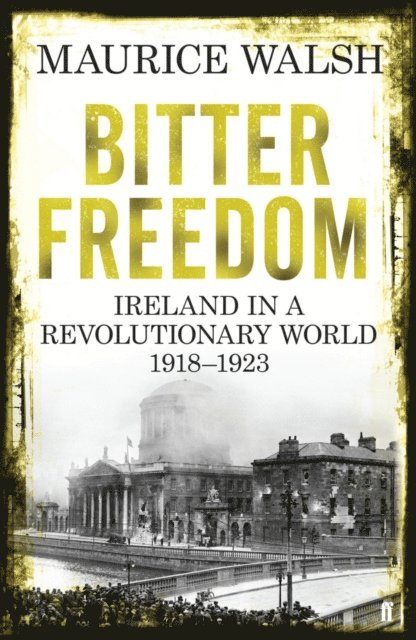
Bitter Freedom
Ireland in a Revolutionary World 1918–1923
E-bok, 2015
118 kr
Lägg i varukorg
The Irish Revolution - the war between the British authorities and the newly-formed IRA - was the first successful revolt anywhere against the British Empire. This is a vividly-written, compelling narrative placing events in Ireland in the wider context of a world in turmoil after the ending of a …
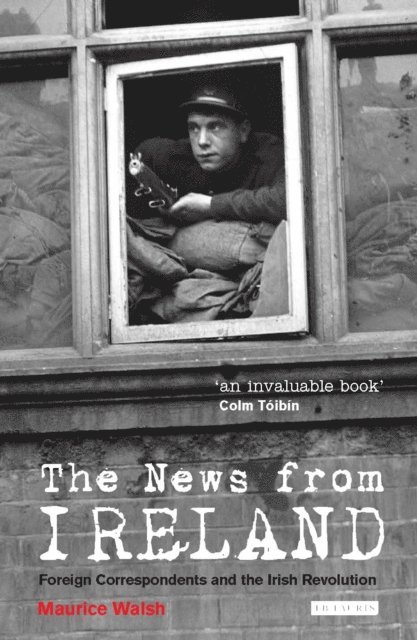
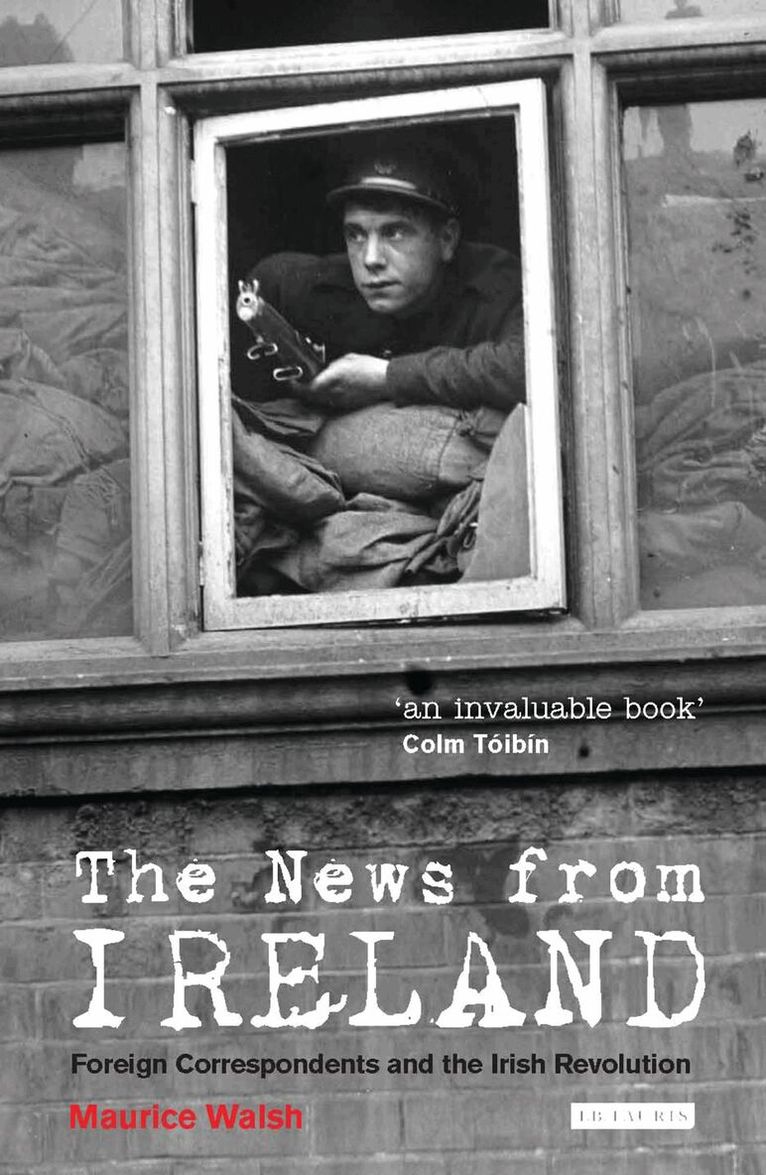
News from Ireland
Foreign Correspondents and the Irish Revolution
E-bok, 2011
305 kr
Lägg i varukorg
The Anglo-Irish war of 1919-1921 was an international historical landmark: the first successful revolution against British rule and the beginning of the end of the Empire. But the Irish revolutionaries did not win their struggle on the battlefield - their key victory was in mobilising public …
News from Ireland
Foreign Correspondents and the Irish Revolution
E-bok, 2011
305 kr
Lägg i varukorg
The Anglo-Irish war of 1919-1921 was an international historical landmark: the first successful revolution against British rule and the beginning of the end of the Empire. However, the Irish revolutionaries did not win their struggle on the battlefield - their key victory was in mobilising public …
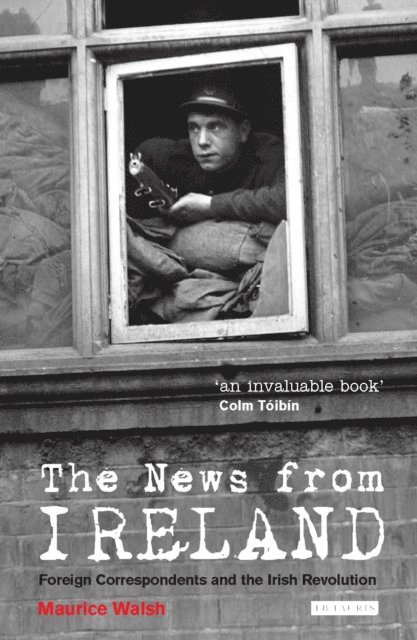
News from Ireland
Foreign Correspondents and the Irish Revolution
Häftad, 2011
283 kr
Lägg i varukorg
The Anglo-Irish war of 1919-1921 was an international historical landmark: the first successful revolution against British rule and the beginning of the end of the Empire. However, the Irish revolutionaries did not win their struggle on the battlefield - their key victory was in mobilising public …