Maxim Korolkov – författare
Visar alla böcker från författaren Maxim Korolkov. Handla med fri frakt och snabb leverans.
8 produkter
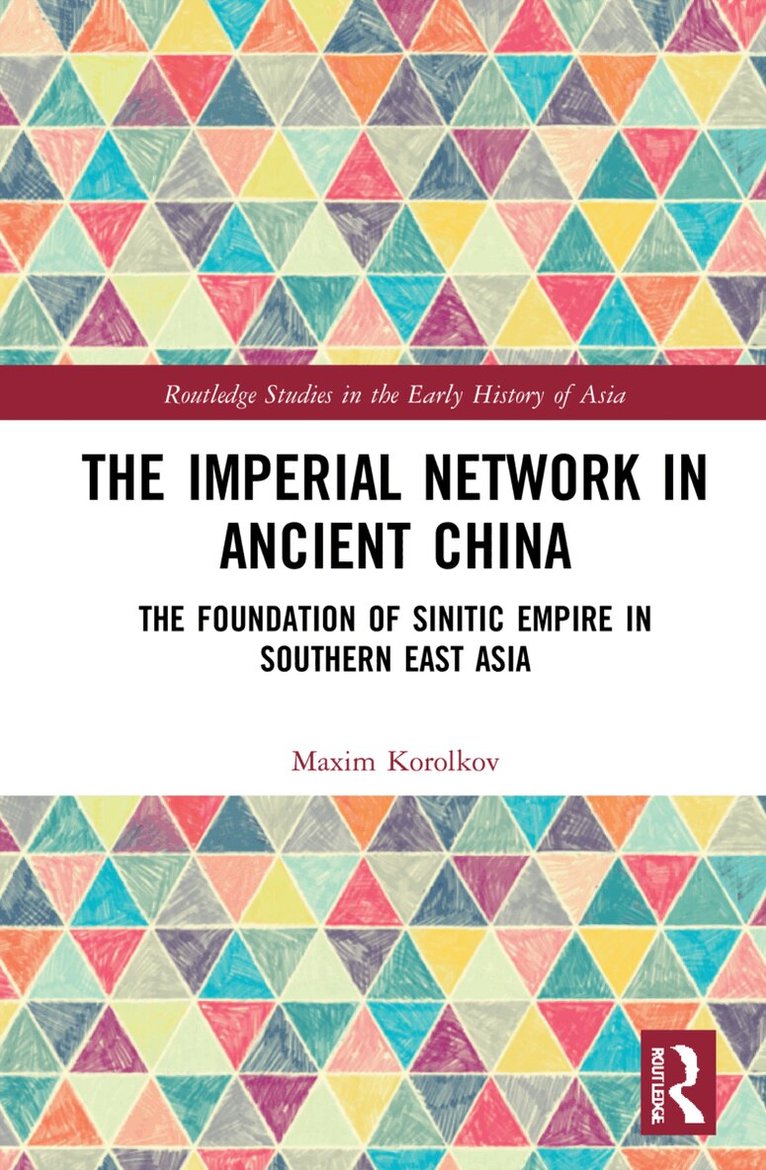
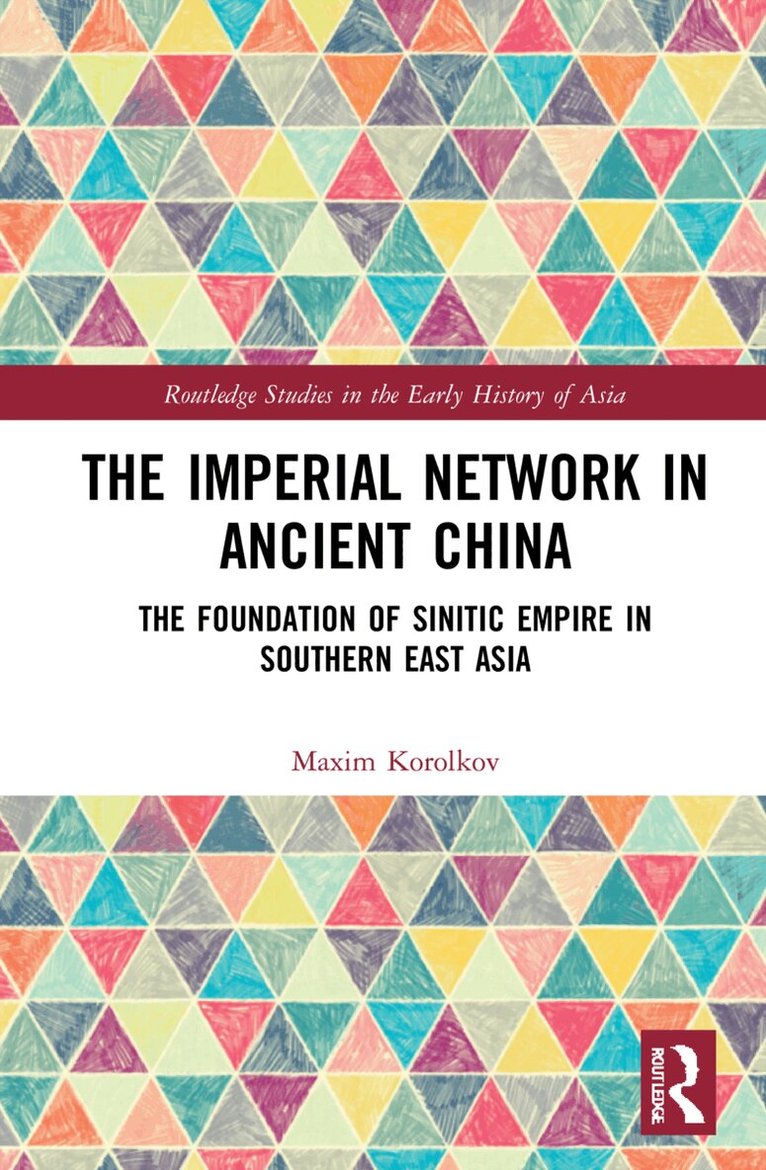
Imperial Network in Ancient China
The Foundation of Sinitic Empire in Southern East Asia
Inbunden, 2021
2578 kr
Lägg i varukorg
This book examines the emergence of imperial state in East Asia during the period ca. 400 BCE–200 CE as a network-based process, showing how the geography of early interregional contacts south of the Yangzi River informed the directions of Sinitic state expansion.Drawing from an extensive …
Imperial Network in Ancient China
The Foundation of Sinitic Empire in Southern East Asia
Häftad, 2023
710 kr
Lägg i varukorg
This book examines the emergence of imperial state in East Asia during the period ca. 400 BCE–200 CE as a network-based process, showing how the geography of early interregional contacts south of the Yangzi River informed the directions of Sinitic state expansion.Drawing from an extensive …
Imperial Network in Ancient China
The Foundation of Sinitic Empire in Southern East Asia
E-bok, 2021
838 kr
Lägg i varukorg
This book examines the emergence of imperial state in East Asia during the period ca. 400 BCE–200 CE as a network-based process, showing how the geography of early interregional contacts south of the Yangzi River informed the directions of Sinitic state expansion. Drawing from an extensive …
Imperial Network in Ancient China
The Foundation of Sinitic Empire in Southern East Asia
E-bok, 2021
838 kr
Lägg i varukorg
This book examines the emergence of imperial state in East Asia during the period ca. 400 BCE–200 CE as a network-based process, showing how the geography of early interregional contacts south of the Yangzi River informed the directions of Sinitic state expansion. Drawing from an extensive …
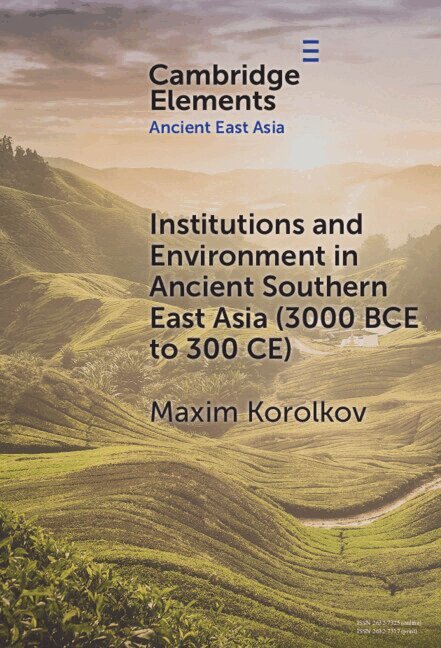
Institutions and Environment in Ancient Southern East Asia (3000 BCE to 300 CE)
Inbunden, 2025
938 kr
Lägg i varukorg
Over the past decades, archaeological exploration of southern China has shattered the image of primitive indigenous people and their pristine environments. It is known, for example, that East Asia's largest settlements and hydraulic infrastructures in the third millennium BCE were located in the …
Institutions and Environment in Ancient Southern East Asia (3000 BCE to 300 CE)
Häftad, 2025
317 kr
Lägg i varukorg
Over the past decades, archaeological exploration of southern China has shattered the image of primitive indigenous people and their pristine environments. It is known, for example, that East Asia's largest settlements and hydraulic infrastructures in the third millennium BCE were located in the …
Institutions and Environment in Ancient Southern East Asia (3000 BCE to 300 CE)
E-bok, 2025
303 kr
Lägg i varukorg
Institutions and Environment in Ancient Southern East Asia (3000 BCE to 300 CE)
E-bok, 2025
303 kr
Lägg i varukorg