Maxine Newlands - Böcker
Visar alla böcker från författaren Maxine Newlands. Handla med fri frakt och snabb leverans.
4 produkter
4 produkter
563 kr
Skickas inom 10-15 vardagar
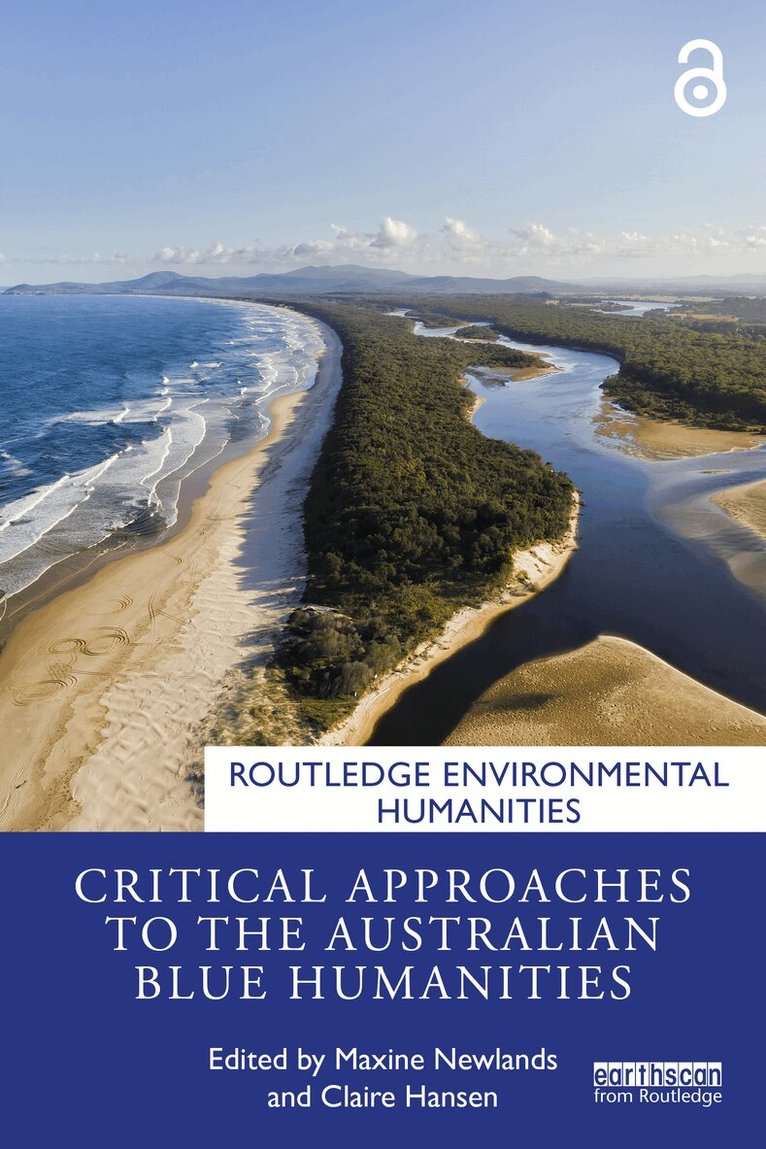
This interdisciplinary edited collection explores and analyses the field of the blue humanities through an Australian lens. The blue humanities is a way of understanding humanity’s relationship with water and manifestations of what is referred to as the ‘blue’ – reefs, oceans, rivers, creeks, basins, and inland bodies of water.In its scope, this collection emphasises both the importance of the local and the interconnectedness of Australia with global environmental concerns. It considers how we conceptualise watery spaces and shades of blue in a country where water is often marked by its absence, its ephemerality, its politicisation, and its dangers. Contributors from environmental history, environmental social science, political science, literary studies, creative arts, Indigenous Knowledge, education, and anthropology tackle various entanglements between the human, the more-than-human, and watery Australian spaces in modern culture. It is the first volume to offer a specific, dedicated focus on the intersections between Australian space and the blue humanities, and it offers a pathway for those wishing to explore, critique, and advance ideas around the blue humanities in both research and teaching.Directly contributing to a growing interdisciplinary field, this is the first book to comprehensively examine the blue in Australia, appealing to scholars, educators, and students working across the humanities and social sciences with an interest in the environmental humanities, ecopolitics, ecocriticism, the blue humanities, cultural geography, environmental history, and the role of place.Chapter 2 of this book is freely available as a downloadable Open Access PDF at http://www.taylorfrancis.com under a Creative Commons Attribution-Non Commercial-No Derivatives (CC-BY-NC-ND) 4.0 license.
2 088 kr
Skickas inom 10-15 vardagar
This interdisciplinary edited collection explores and analyses the field of the blue humanities through an Australian lens. The blue humanities is a way of understanding humanity’s relationship with water and manifestations of what is referred to as the ‘blue’ – reefs, oceans, rivers, creeks, basins, and inland bodies of water.In its scope, this collection emphasises both the importance of the local and the interconnectedness of Australia with global environmental concerns. It considers how we conceptualise watery spaces and shades of blue in a country where water is often marked by its absence, its ephemerality, its politicisation, and its dangers. Contributors from environmental history, environmental social science, political science, literary studies, creative arts, Indigenous Knowledge, education, and anthropology tackle various entanglements between the human, the more-than-human, and watery Australian spaces in modern culture. It is the first volume to offer a specific, dedicated focus on the intersections between Australian space and the blue humanities, and it offers a pathway for those wishing to explore, critique, and advance ideas around the blue humanities in both research and teaching.Directly contributing to a growing interdisciplinary field, this is the first book to comprehensively examine the blue in Australia, appealing to scholars, educators, and students working across the humanities and social sciences with an interest in the environmental humanities, ecopolitics, ecocriticism, the blue humanities, cultural geography, environmental history, and the role of place.Chapter 2 of this book is freely available as a downloadable Open Access PDF at http://www.taylorfrancis.com under a Creative Commons Attribution-Non Commercial-No Derivatives (CC-BY-NC-ND) 4.0 license.
1 407 kr
Skickas inom 5-8 vardagar
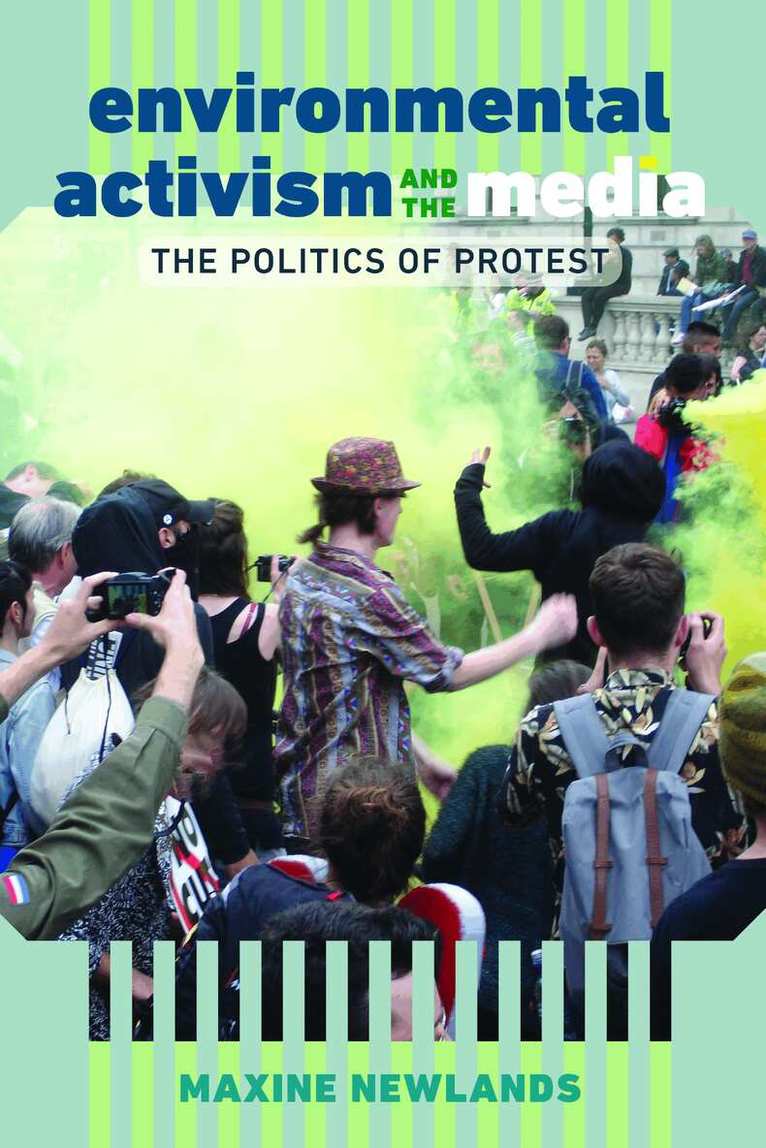
For more than 40 years politicians, activists, advocates, and individuals have been seeking ways to solve the problem of climate change. Governments and the United Nations have taken an economic path, while others seek solutions in the equality of climate justice. Taking the step from green consumer to the streets at climate summits and protest camps, as well as taking direct action recasts activists as everything from tree huggers, to domestic extremists, to ecoterrorists. Political policing and new legislation increasingly criminalizes environmental activism, supported by media reporting that recasts environmental activism as actions to be feared.Why this has happened and how activists have learned to circumvent the media’s recasting is the story of Environmental Activisim and the Media: The Politics of Protest. Through media movements to persuade the moveable middle, high court challenges, and gatekeeping, activists have found ways to challenge media and political discourse.This book identifies four key areas to tie together diverse sets of green governmentality, traditional media discourse, and activism: (1) environmental governance and green governmentality; (2) historical media discourse; (3) alternative communication infrastructures; and (4) local to the global. Using data from 50 interviews, archival research, and non-participatory observation from environmental activists from the UK, USA, and Australia, this text will show why protest is important in democratic political participation.From activists to slacktivists, Environmental Activism and the Media: The Politics of Protest is for those with an interest in cultural, social, and political studies; democratic processes; climate and social justice; governmentality; and/or the study of environmental politics, human geography, communication, and sustainability.
545 kr
Skickas inom 5-8 vardagar
For more than 40 years politicians, activists, advocates, and individuals have been seeking ways to solve the problem of climate change. Governments and the United Nations have taken an economic path, while others seek solutions in the equality of climate justice. Taking the step from green consumer to the streets at climate summits and protest camps, as well as taking direct action recasts activists as everything from tree huggers, to domestic extremists, to ecoterrorists. Political policing and new legislation increasingly criminalizes environmental activism, supported by media reporting that recasts environmental activism as actions to be feared.Why this has happened and how activists have learned to circumvent the media’s recasting is the story of Environmental Activisim and the Media: The Politics of Protest. Through media movements to persuade the moveable middle, high court challenges, and gatekeeping, activists have found ways to challenge media and political discourse.This book identifies four key areas to tie together diverse sets of green governmentality, traditional media discourse, and activism: (1) environmental governance and green governmentality; (2) historical media discourse; (3) alternative communication infrastructures; and (4) local to the global. Using data from 50 interviews, archival research, and non-participatory observation from environmental activists from the UK, USA, and Australia, this text will show why protest is important in democratic political participation.From activists to slacktivists, Environmental Activism and the Media: The Politics of Protest is for those with an interest in cultural, social, and political studies; democratic processes; climate and social justice; governmentality; and/or the study of environmental politics, human geography, communication, and sustainability.