Maxwell Craven - Böcker
Visar alla böcker från författaren Maxwell Craven. Handla med fri frakt och snabb leverans.
10 produkter
10 produkter
180 kr
Skickas
Derby is an ancient chartered settlement with Roman origins, which got caught up in the leading edge of the Industrial Revolution and became the important manufacturing city and regional capital it is today. Fortunately, despite its expansion, it has managed to preserve much of its medieval core. The city was also fortunate in having had a pioneer Victorian photographer, Richard Keene, to record the changes which, between 1853 and 1894, transformed the eighteenth-century market town into a late Victorian industrial one.The book contrasts the two, while highlighting the more drastic developments that took place during the twentieth century, especially the latter part, when much destruction and unsympathetic rebuilding went on; this still continues today. Maxwell Craven has combined a fascinating selection of historic images with modern views in order to document the transformation that has occurred. The result is an invaluable record of Derby’s development over the years and is sure to appeal to residents and visitors alike.
266 kr
Skickas
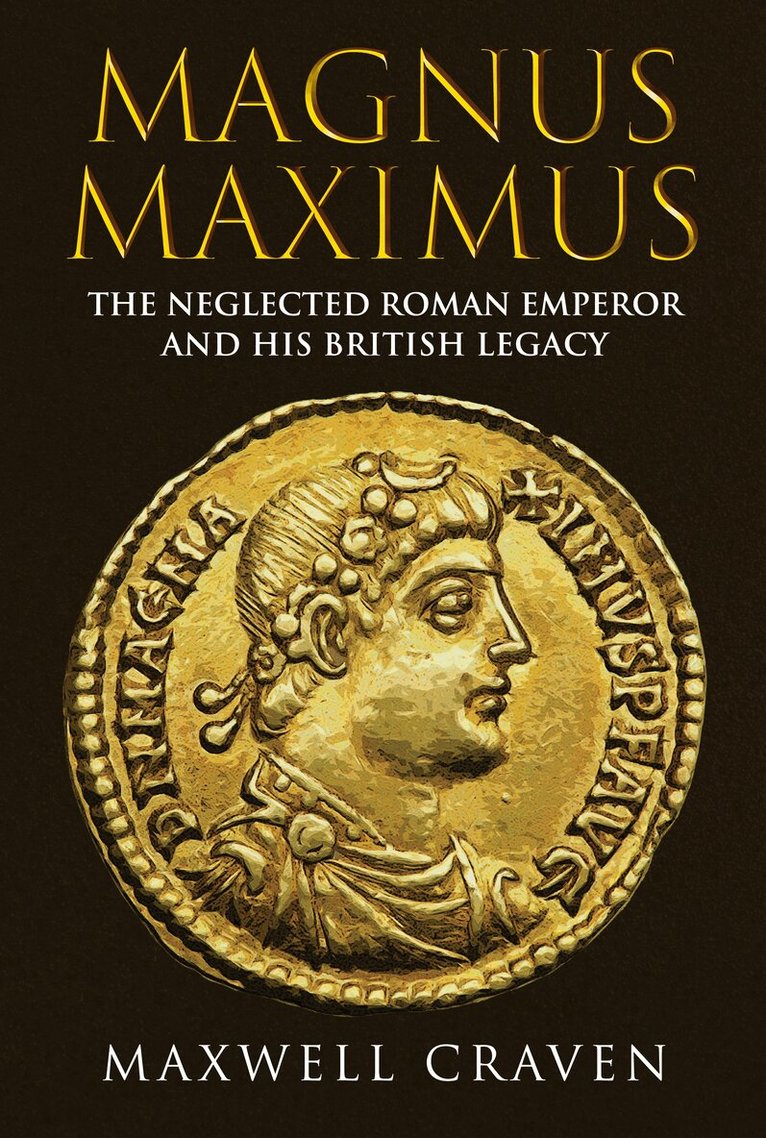
This is an in-depth re-assessment of the life of Magnus Maximus, Roman Emperor ruling in the west from 383 to 388, drawn from Classical sources and archaeology, which provides a very different impression of his life to the one created by the post-Roman and medieval British insular sources. While most historians tend to dismiss Maximus as an ephemeral usurper, his time in the sun shows every sign of having been a success. He cast a long shadow in Britain, where he was originally proclaimed. Yet early non-Roman sources, notably Gildas, condemn him for leaving the island bereft of defences due to his usurpation.In contrast, subsequent writers cast him as the progenitor of several British dynasties on the frontiers, while the medieval Mabinogion story ‘The Dream of Maxen Wledig’ presents him as an all-conquering figure of Romance who allied himself with a powerful British dynasty and facilitated the settlement of Brittany by the British.Following an introductory account of Roman Britain, its troubles and imperial adventures from Clodius Albinus in 193 to the end of the so-called ‘barbarian conspiracy’ in 368, Maxwell Craven examines all the sources to show how important the ardent Christian Maximus was to the settlement of the British frontiers. It was his work that kept the British tribes from being overwhelmed by Germanic invaders during the following centuries. Because of Maximus, the last remnant of the Roman west ‒ Wales ‒ remained unconquered until 1282, nine hundred years after Maximus was proclaimed.
173 kr
Skickas
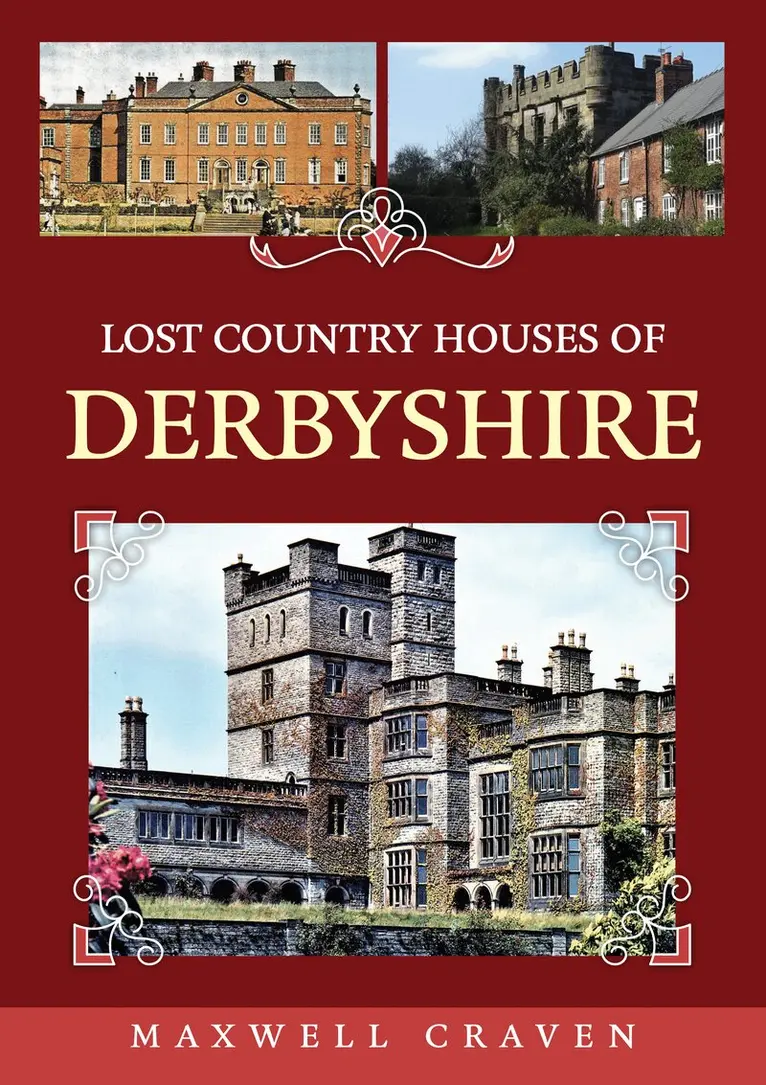
For centuries, England’s country houses have been where rich and grand families have displayed their wealth and status. Today, England is still well endowed with these houses, although many of them are now popular visitor attractions instead of private homes, but there are also many houses which have disappeared over the years. Some have been demolished as they could no longer be sustained due to the changes in social habits, surrounding development or because of the cost of repairs or death duties; others have been lost through fire, requisitioning, decay and rot. In this book Maxwell Craven examines the lost country houses of Derbyshire. Some of these houses are now covered by new housing, others may stand as ruins or have a few scanty remains in the landscape, but in this book the once vibrant life of these houses and their significance in this part of the country is evoked once again.This fascinating picture of an important but often forgotten part of the history of Derbyshire over the centuries will be of interest to all those who live in the county or know it well.
173 kr
Skickas
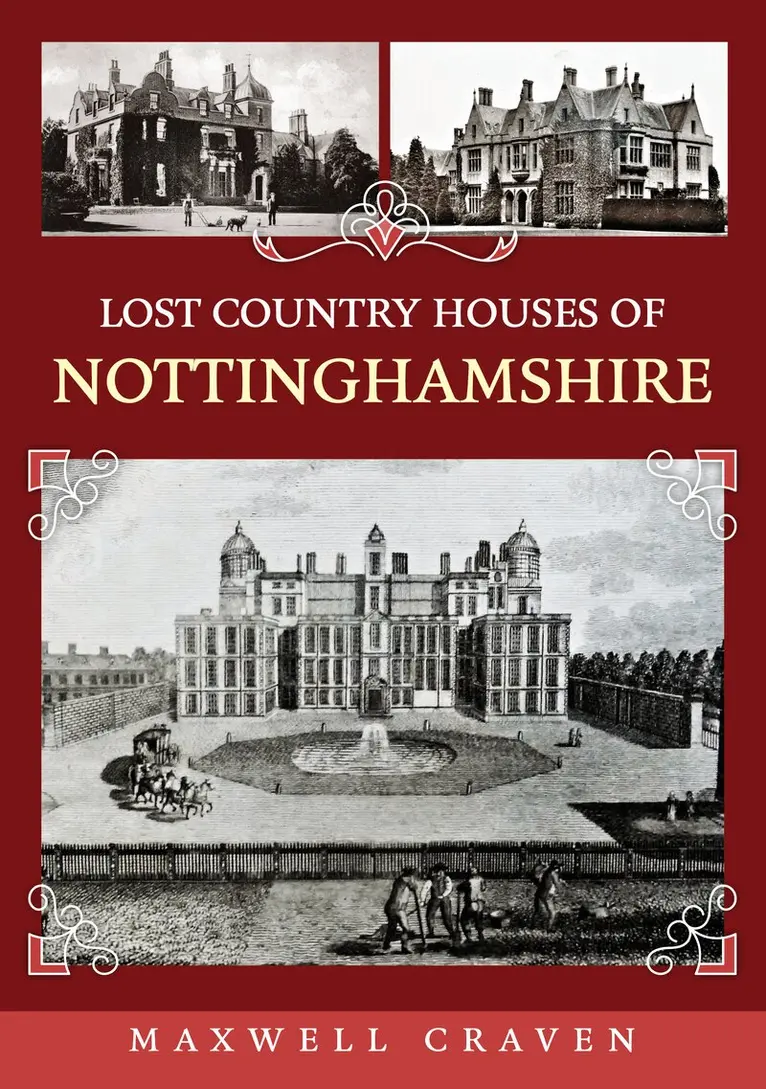
For centuries, England’s country houses have been where the rich and grand families have displayed their wealth and status. Today, England is still well endowed with these houses, although many of them are now popular visitor attractions instead of private homes. There are also many houses that have disappeared over the years. Some have been demolished as they could no longer be sustained due to the changes in social habits, surrounding development or because of the cost of repairs or death duties; others have been lost through fire, requisitioning, decay and rot. In Lost Country Houses of Nottinghamshire the once vibrant life of these houses and their significance in this part of the country is evoked once again.This fascinating picture of an important but often forgotten part of the history of Nottinghamshire over the centuries will be of interest to all those who live in the county or know it well.
173 kr
Kommande
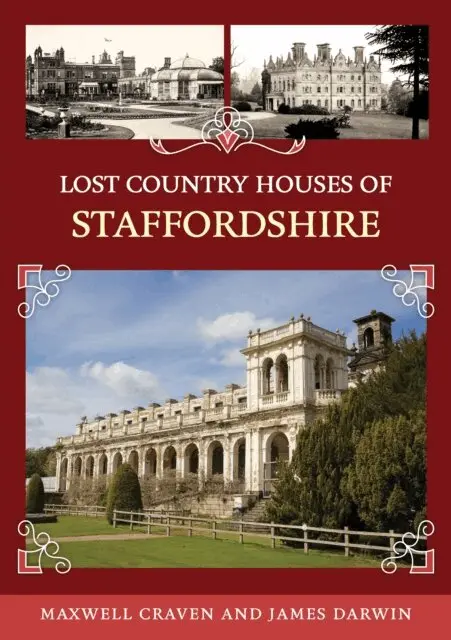
England’s country houses have for centuries been where the rich and grand families have displayed their wealth and status. Today, England is still well endowed with these houses although many of them are now popular visitor attractions instead of private homes but there also many houses which have disappeared over the years. Some have been demolished as they could no longer be sustained due to the changes in social habits, surrounding development or because of the cost of repairs or death duties; others have been lost through fire, requisitioning, decay and rot. In this book Maxwell Craven examines the lost country houses of Staffordshire. Some of these houses are now covered by new housing, others may stand as ruins or have a few scanty remains in the landscape, but in this book the once vibrant life of these houses and their significance in this part of the country is evoked once again.This fascinating picture of an important but often forgotten part of the history of Staffordshire over the centuries will be of interest to all those who live in the county or know it well.
266 kr
Skickas
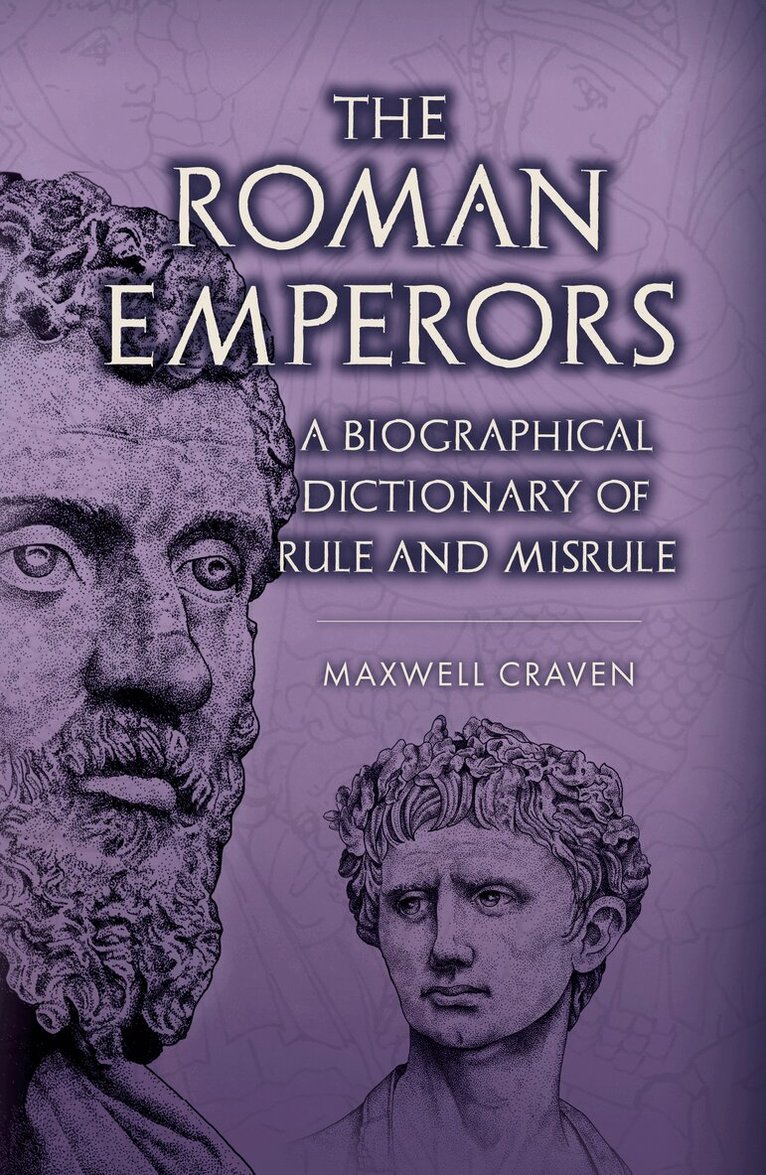
No easily accessible book which lists the emperors (of which there are very many, thanks to the vicissitudes of the empire itself) in alphabetical order for easy reference and in which a reasonably full biographical account of each, with references, has been available. Here it is.This biographical dictionary runs from Caesar’s seizure of power in 49BC to AD602, when the dynasty of Justinian and his successors ended (rather bloodily in a mutiny) and the true Byzantine, much more entirely Greek, character of the empire finally emerged. It includes an account of the way the empire evolved constitutionally. Up to the settlement of Augustus powerful men were almost sleepwalking into monarchy and trying to stretch the constitutional envelope to enable power to be wielded without a naked revival of the hated institution of kingship. From that time, Roman politics became highly fractured, and men bent on gaining control of the levers of government emerged with increasing frequency. Hereditary succession became the norm and then disappeared. In Rome, unlike Medieval Europe, the natural succession of son to father became a rarity and, when it did occur, was usually a disaster. It was only in its Byzantine mutation after 610 that dynastic succession became more standardized, but even then it was mediated by assassination. Of the 198 figures featured here, 101 were killed. Julius Caesar observed: ‘Which death is preferable to every other? The unexpected.’
173 kr
Kommande
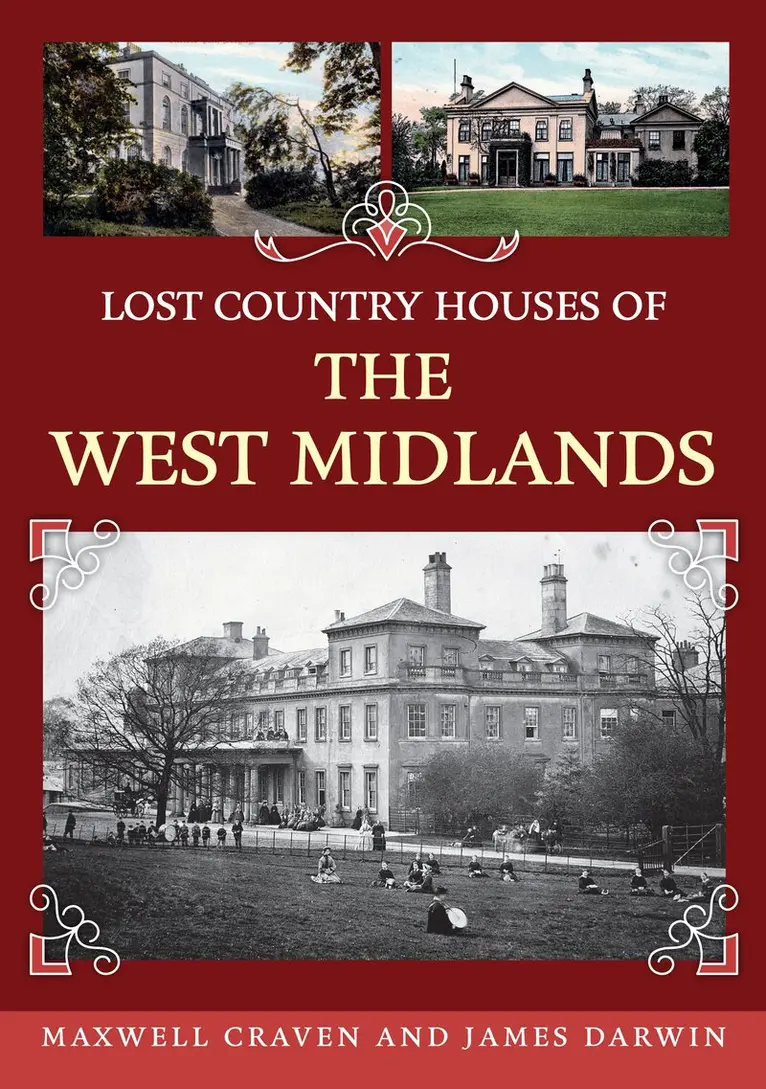
England’s country houses have for centuries been where the rich and grand families have displayed their wealth and status. Today, England is still well endowed with these houses although many of them are now popular visitor attractions instead of private homes but there also many houses which have disappeared over the years. Some have been demolished as they could no longer be sustained due to the changes in social habits, surrounding development or because of the cost of repairs or death duties; others have been lost through fire, requisitioning, decay and rot. In this book Maxwell Craven and James Darwin examine the lost country houses of the West Midlands. Some of these houses are now covered by new housing, others may stand as ruins or have a few scanty remains in the landscape, but in this book the once vibrant life of these houses and their significance in this part of the country is evoked once again.This fascinating picture of an important but often forgotten part of the history of the West Midlands over the centuries will be of interest to all those who live in the region or know it well.
178 kr
Skickas inom 11-20 vardagar
Derby’s history goes back almost 2,000 years, despite a refoundation on a revised site in the tenth century. It is a county town but in the seventeenth and eighteenth centuries it was home to a number scientific and entrepreneurial innovators. Their efforts led to a radical transformation of the borough in the Regency period, which was followed by the introduction of heavy industry: iron founding, railways and textiles.In the twentieth century, some of the older industries went into eclipse and were succeeded by new, high-tech ones. Derby became the focus of a new diocese in 1927, was elevated to city-status in 1977 and entered the present century much expanded and with a lot to look forward to. Yet Derby retains much of its historic core and is full of neglected corners, lost elements and little-known aspects, some of which were once crucial components of its long history, such as missing medieval churches, impressive ancient houses, unexpected survivals and partly unrealised 1930s’ urban renewals. If you think you know your Derby – think again!
178 kr
Skickas inom 11-20 vardagar
Derby has grown from a medieval market town to become a centre of industry. Derby was one of the birthplaces of the Industrial Revolution as following the silk mill and china factory established in the eighteenth century, it became home to heavy engineering following the arrival of the railways in the nineteenth century, as well as related iron and brass foundries. Later it became famous for the production of Rolls-Royce cars and aero engines. In the last century, much manufacturing has moved away and although the city is still associated with engineering, the face of Derby has changed significantly through street widening, housing clearance, retail centres, expansion into the surrounding countryside and the creation of suburbs, not to mention an inner ring road which saw the loss of some familiar landmarks despite providing two new bridges across the River Derwent.Lost Derby presents a portrait of a city and a way of life that has radically changed or disappeared today, showing not just the industries, buildings, people and street scenes that have gone, but also many popular places of entertainment and much more. This fascinating photographic history of lost Derby will appeal to all those who live in the city or know it well, as well as those who remember it from previous decades.
257 kr
Skickas inom 11-20 vardagar
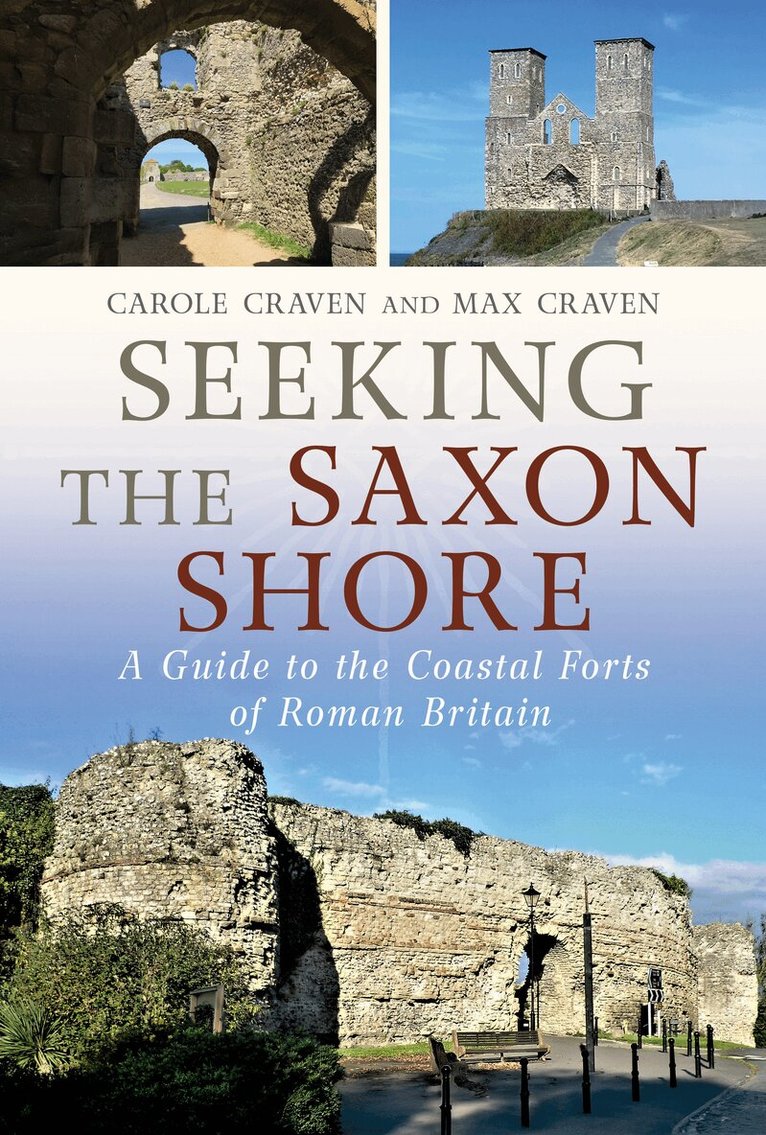
In the later third century AD, the outer reaches of the Roman Empire were being threatened on all sides by hostile powers. Along the southern and eastern coasts of Britain, a series of ten, possibly twelve, vast fortified enclosures were built beside strategic harbours to defend against external threats, mainly from Germanic marauders. Through sixteen centuries impressive vestiges of most of them have survived, although three have vanished virtually without trace. Several became the sites of Norman castles, others have associations with early Christianity, all have a story to tell.Taking the reader from the colossal surviving fort at Portchester in Hampshire to the empty, windswept site of Brancaster on the north Norfolk coast, Seeking the Saxon Shore is both a practical guide to locating and exploring these ancient sites and a handbook for bringing them to life. In describing the origins of the forts, their ancient settings, their functions and subsequent histories, this compelling guide will enable the reader, in the modern landscape, to recognise and visualise the distant past.