Meagan S. Allen – författare
Visar alla böcker från författaren Meagan S. Allen. Handla med fri frakt och snabb leverans.
6 produkter
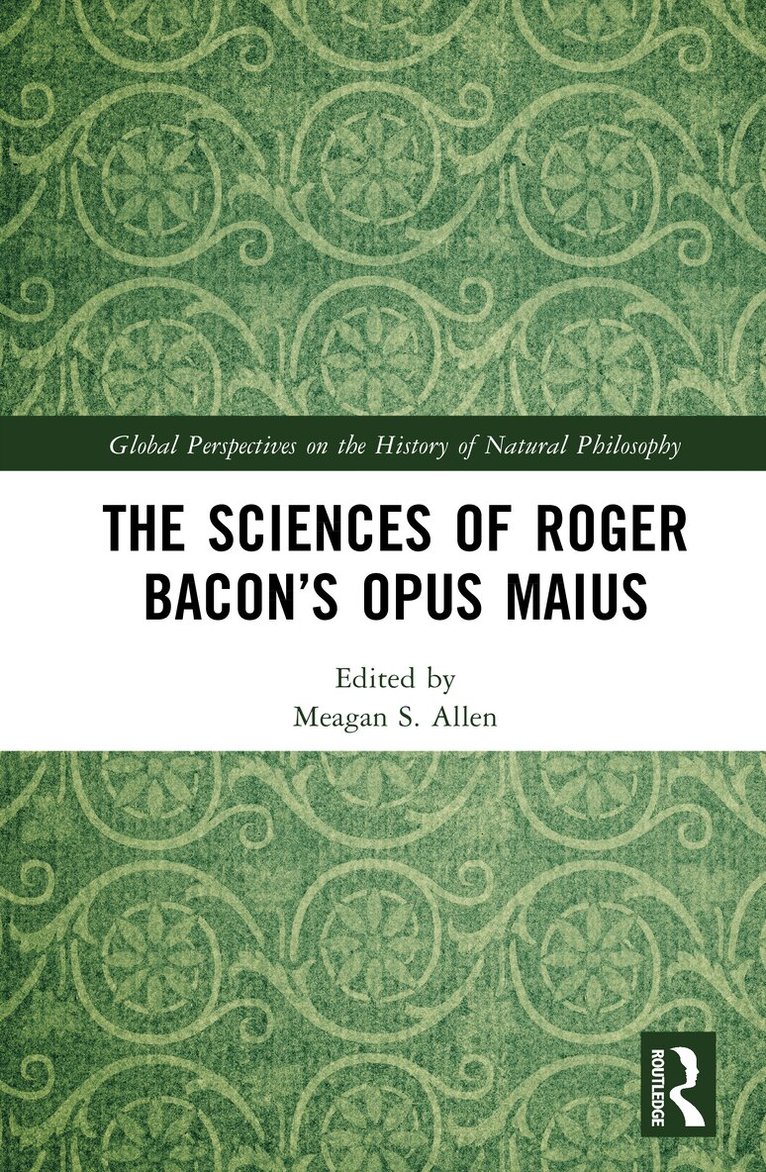
Sciences of Roger Bacon’s Opus Maius
Inbunden, 2025
2513 kr
Lägg i varukorg
Through an examination of the Opus maius, Roger Bacon’s great scientific work of 1267, this book offers insight into Bacon’s understanding of the role of science in society and the study and practice of science in the later Middle Ages.Written at the request of Pope Clement IV (d. 1268), the Opus …
Sciences of Roger Bacon's Opus Maius
E-bok, 2025
838 kr
Lägg i varukorg
Through an examination of the Opus maius, Roger Bacon's great scientific work of 1267, this book offers insight into Bacon's understanding of the role of science in society and the study and practice of science in the later Middle Ages.Written at the request of Pope Clement IV (d. 1268), the Opus …
Sciences of Roger Bacon's Opus Maius
E-bok, 2025
838 kr
Lägg i varukorg
Through an examination of the Opus maius, Roger Bacon's great scientific work of 1267, this book offers insight into Bacon's understanding of the role of science in society and the study and practice of science in the later Middle Ages.Written at the request of Pope Clement IV (d. 1268), the Opus …
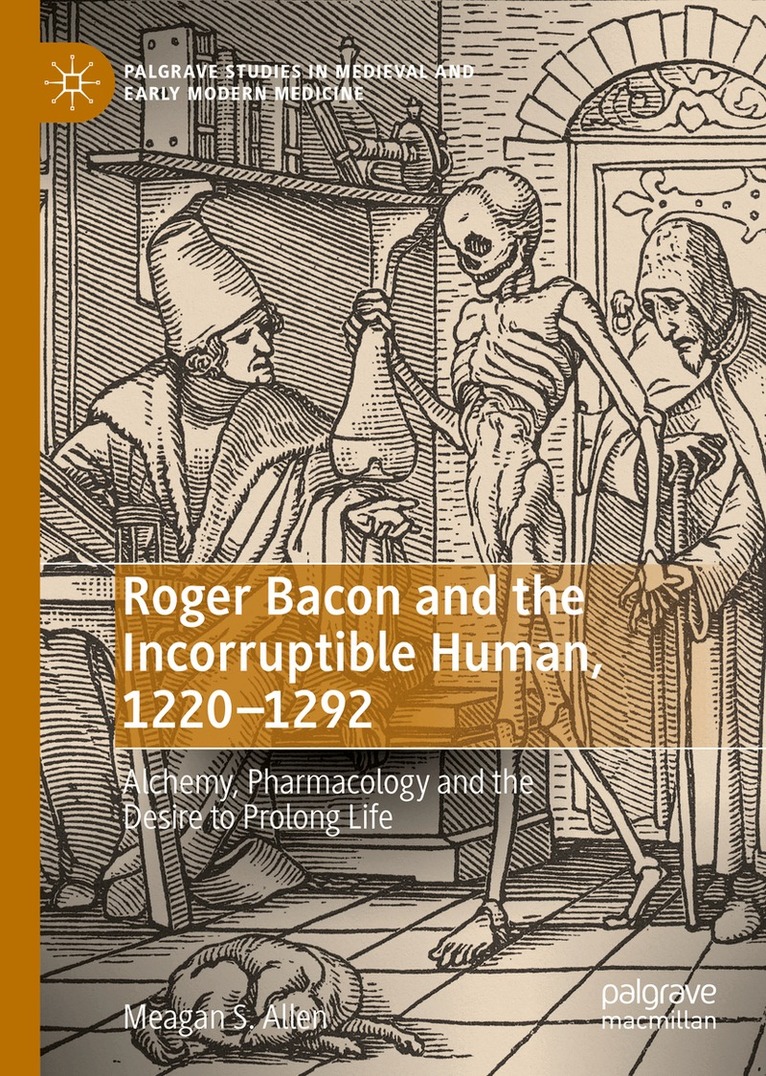
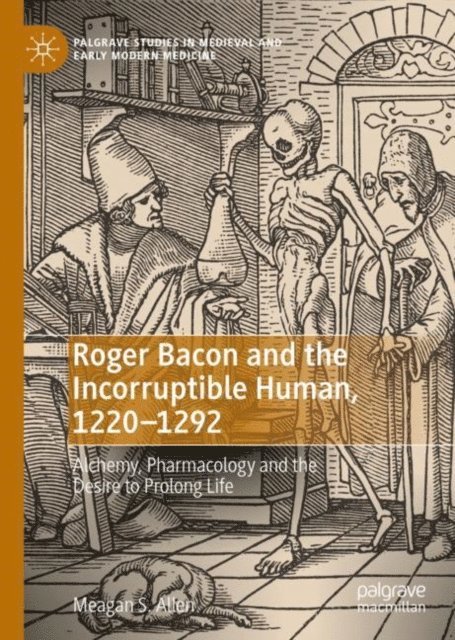
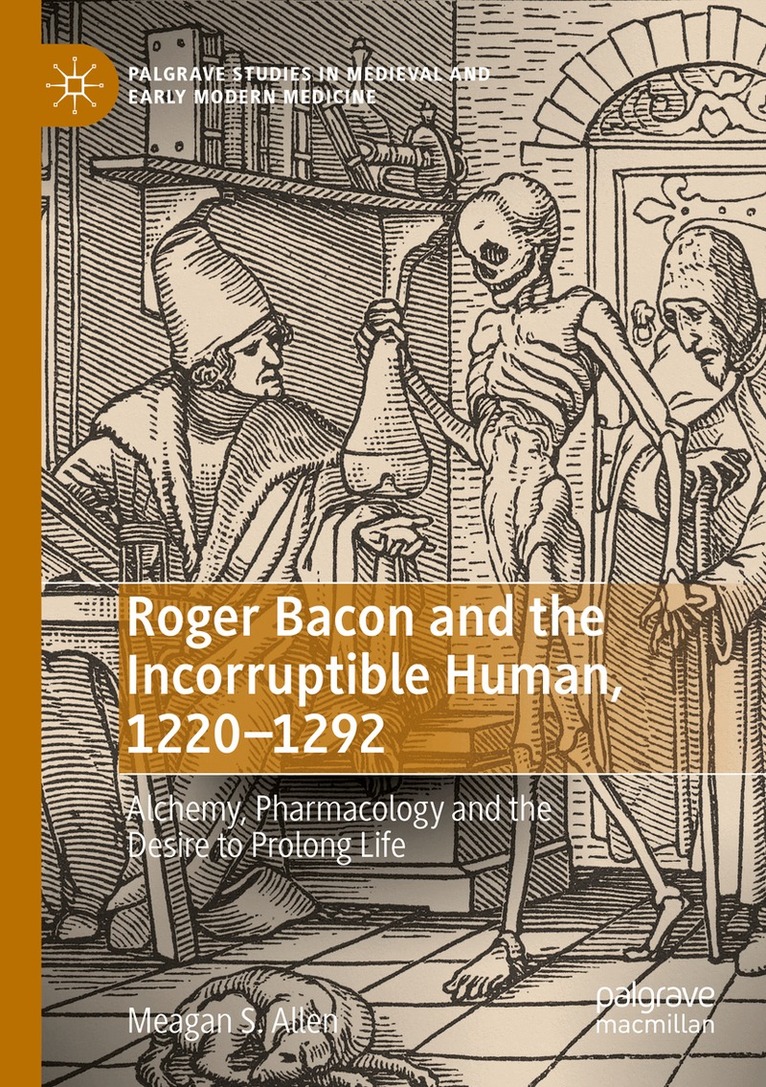
Roger Bacon and the Incorruptible Human, 1220-1292
Alchemy, Pharmacology and the Desire to Prolong Life
Inbunden, 2023
1643 kr
Lägg i varukorg
This book examines the Franciscan alchemist Roger Bacon’s (1220-1292) interest in the role of alchemy in medicine, and how this interest connected with the thirteenth-century milieu in which he was writing. Though twelfth-century Latin alchemy had largely been concerned with transmuting base metals …
Roger Bacon and the Incorruptible Human, 1220-1292
Alchemy, Pharmacology and the Desire to Prolong Life
E-bok, 2023
2111 kr
Lägg i varukorg
This book examines the Franciscan alchemist Roger Bacon’s (1220-1292) interest in the role of alchemy in medicine, and how this interest connected with the thirteenth-century milieu in which he was writing. Though twelfth-century Latin alchemy had largely been concerned with transmuting base metals …
Roger Bacon and the Incorruptible Human, 1220-1292
Alchemy, Pharmacology and the Desire to Prolong Life
Häftad, 2024
1643 kr
Lägg i varukorg
This book examines the Franciscan alchemist Roger Bacon’s (1220-1292) interest in the role of alchemy in medicine, and how this interest connected with the thirteenth-century milieu in which he was writing. Though twelfth-century Latin alchemy had largely been concerned with transmuting base metals …