Meena Khandelwal – författare
Visar alla böcker från författaren Meena Khandelwal. Handla med fri frakt och snabb leverans.
3 produkter
3 produkter
382 kr
Tillfälligt slut
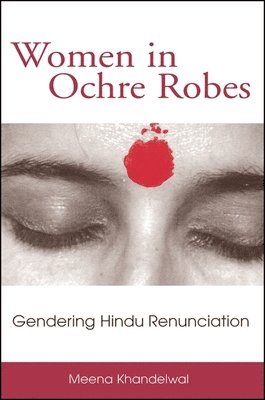
Focuses on the lives of female Hindu ascetics and the significance of gender to the tradition of renunciation.Meena Khandelwal offers an engaging and intimate portrait of extraordinary Hindu women in India who wear "ochre robes," signifying their renunciation of marriage and family for lives of celibacy, asceticism, and spiritual discipline. While the largely male Hindu ascetic tradition of sannyasa renders its initiates ritually "dead" to their previous identities, the women portrayed here are very much alive. They struggle with, and joke about, the tensions and ironies of living in the world while trying not to be of it.Khandelwal juxtaposes the common refrain that "in renunciation there is no male and female" with arguments that underscore the importance of gender. In exploring these apparent contradictions, she brings together worldly and otherworldly values within renunciation and argues that these create tensions that are at once emotional, social, and philosophical.
692 kr
Skickas inom 7-10 vardagar
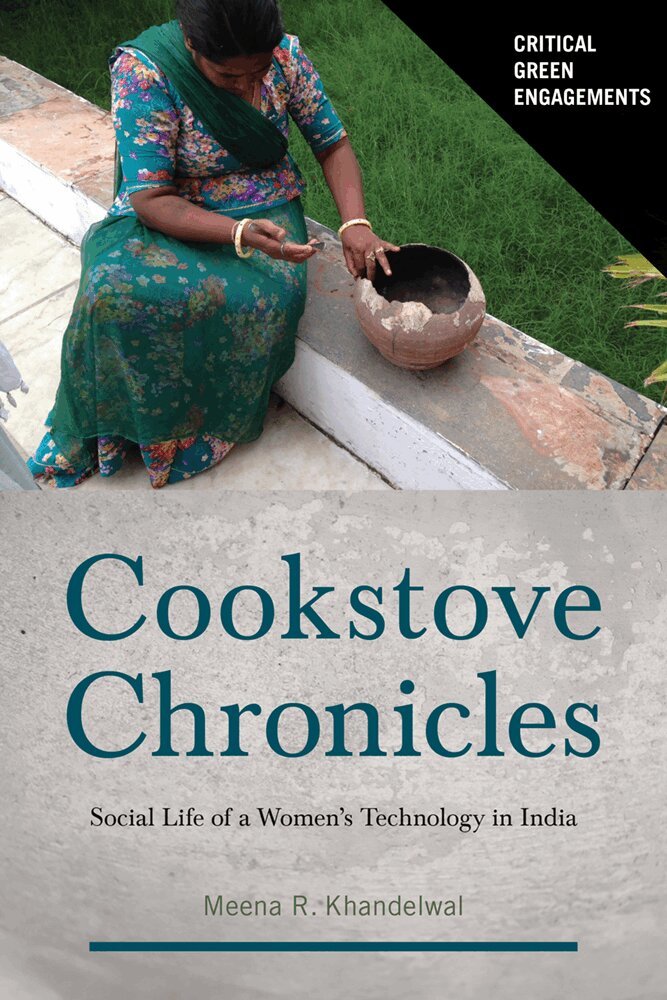
Stove improvers have been designing and promoting “clean” or “efficient” biomass cookstoves in India since the 1940s and have been frustrated to find their carefully engineered stoves abandoned in trash heaps or repurposed as storage bins, while the traditional mud chulha retains a central place in the kitchen. Why do so many Indian women continue to use wood-burning, smoke-spewing stoves when they have other options?Based on anthropological research in Rajasthan, Cookstove Chronicles argues that the supposedly obsolete chulha persists because it offers women control over the tools needed to feed their families. Their continued use of old stoves alongside the new is not a failure to embrace new technologies but instead a strategy to maximize flexibility and autonomy. The chulha is neither the villain nor hero of this story. It produces particulate matter that harms people’s bodies, leaves soot on utensils and walls, and accelerates glacial melting and atmospheric warming. Yet it also depends on renewable biomass fuel and supports women’s autonomy as a local, do-it-yourself technology.Meena Khandelwal, a feminist anthropologist, describes her collaboration with engineers, archaeologists, and others. She employs critical social theory and reflections from fieldwork to bring together research from a range of fields, including history, geography, anthropology, energy and environmental studies, public health, and science and technology studies (STS). In so doing she not only demystifies multidisciplinary research but also highlights the messy reality of actual behavior.Cookstove Chronicles critically examines why, despite extensive development efforts, use of the chulha persists. It offers an important new framework for looking at development, technology, environmental change, and human behavior.
347 kr
Kommande
Stove improvers have been designing and promoting “clean” or “efficient” biomass cookstoves in India since the 1940s and have been frustrated to find their carefully engineered stoves abandoned in trash heaps or repurposed as storage bins, while the traditional mud chulha retains a central place in the kitchen. Why do so many Indian women continue to use wood-burning, smoke-spewing stoves when they have other options?Based on anthropological research in Rajasthan, Cookstove Chronicles argues that the supposedly obsolete chulha persists because it offers women control over the tools needed to feed their families. Their continued use of old stoves alongside the new is not a failure to embrace new technologies but instead a strategy to maximize flexibility and autonomy. The chulha is neither the villain nor hero of this story. It produces particulate matter that harms people’s bodies, leaves soot on utensils and walls, and accelerates glacial melting and atmospheric warming. Yet it also depends on renewable biomass fuel and supports women’s autonomy as a local, do-it-yourself technology.Meena Khandelwal, a feminist anthropologist, describes her collaboration with engineers, archaeologists, and others. She employs critical social theory and reflections from fieldwork to bring together research from a range of fields, including history, geography, anthropology, energy and environmental studies, public health, and science and technology studies (STS). In so doing she not only demystifies multidisciplinary research but also highlights the messy reality of actual behavior.Cookstove Chronicles critically examines why, despite extensive development efforts, use of the chulha persists. It offers an important new framework for looking at development, technology, environmental change, and human behavior.