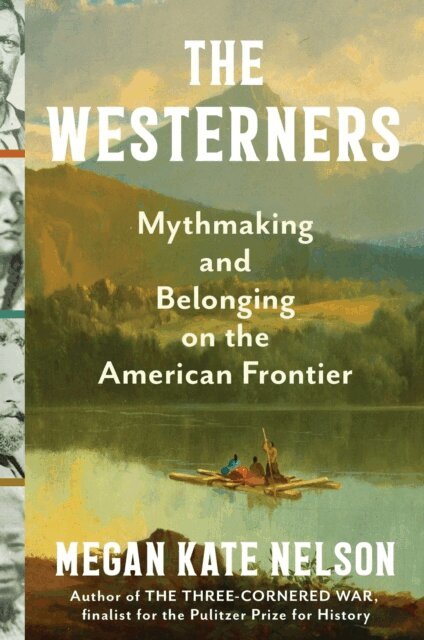
Megan Kate Nelson - Böcker
Visar alla böcker från författaren Megan Kate Nelson. Handla med fri frakt och snabb leverans.
6 produkter
6 produkter
1 236 kr
Skickas inom 5-8 vardagar
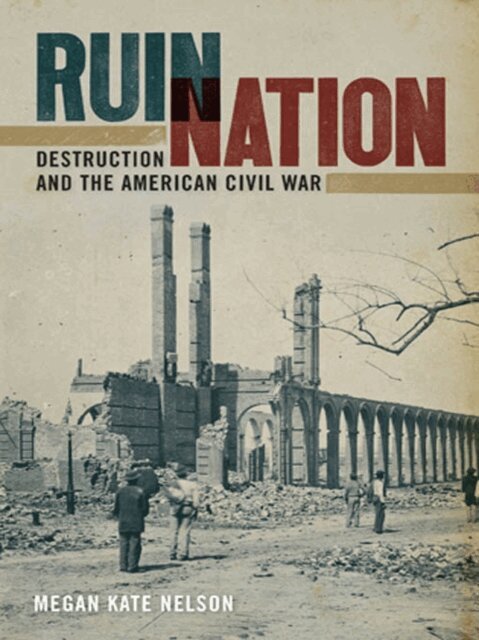
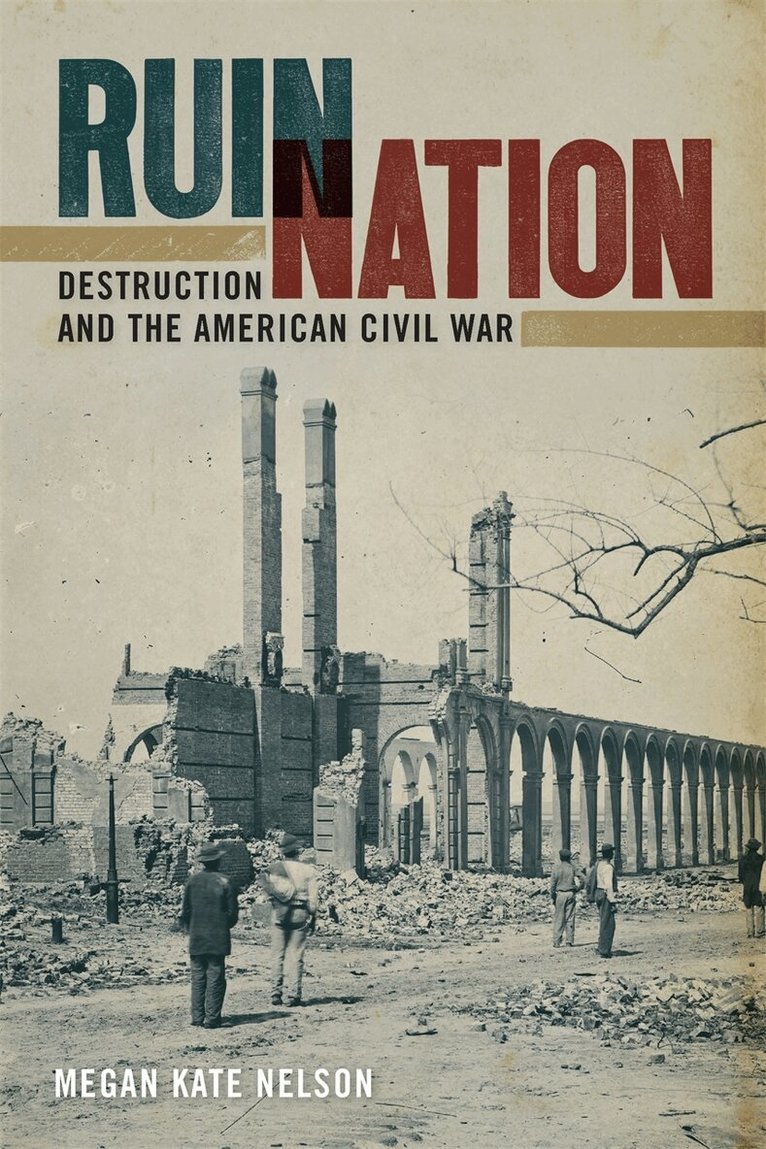
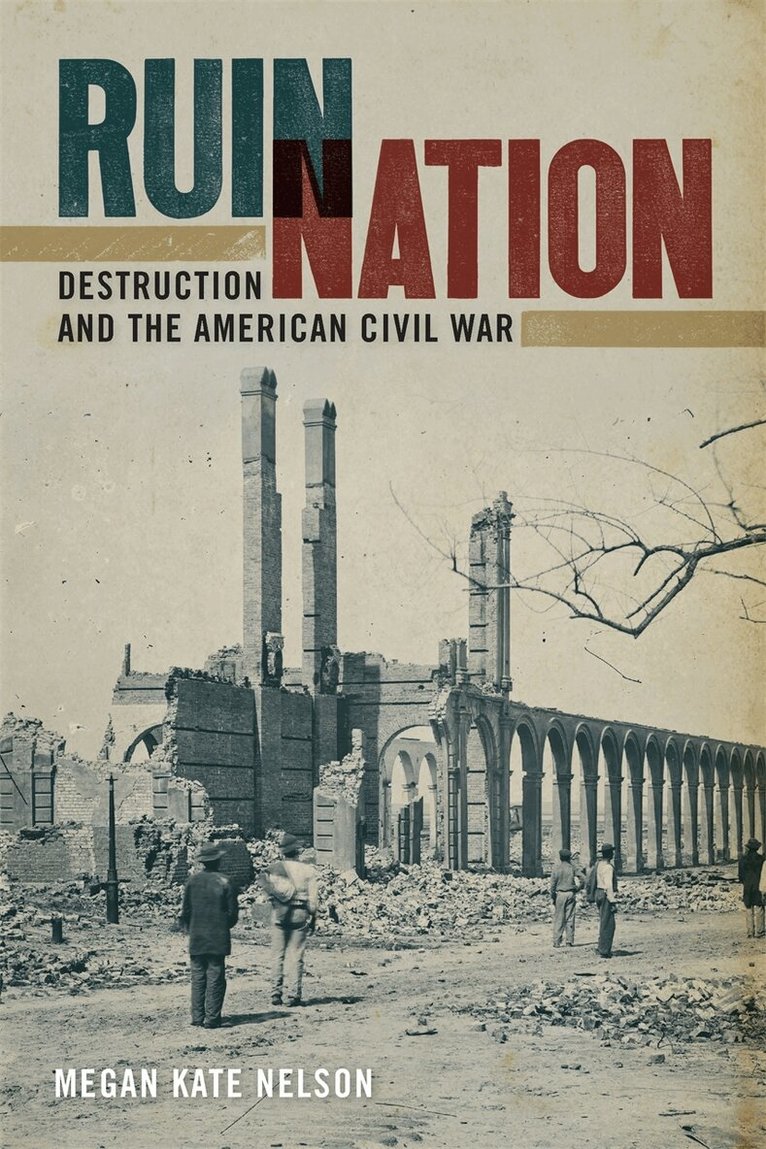
During the Civil War, cities, houses, forests, and soldiers’ bodies were transformed into “dead heaps of ruins,” novel sights in the southern landscape. How did this happen, and why? And what did Americans—northern and southern, black and white, male and female—make of this proliferation of ruins? Ruin Nation is the first book to bring together environmental and cultural histories to consider the evocative power of ruination as an imagined state, an act of destruction, and a process of change.Megan Kate Nelson examines the narratives and images that Americans produced as they confronted the war’s destructiveness. Architectural ruins—cities and houses—dominated the stories that soldiers and civilians told about the “savage” behavior of men and the invasions of domestic privacy. The ruins of living things—trees and bodies—also provoked discussion and debate. People who witnessed forests and men being blown apart were plagued by anxieties about the impact of wartime technologies on nature and on individual identities.The obliteration of cities, houses, trees, and men was a shared experience. Nelson shows that this is one of the ironies of the war’s ruination—in a time of the most extreme national divisiveness people found common ground as they considered the war’s costs. And yet, very few of these ruins still exist, suggesting that the destructive practices that dominated the experiences of Americans during the Civil War have been erased from our national consciousness.
344 kr
Skickas inom 3-6 vardagar
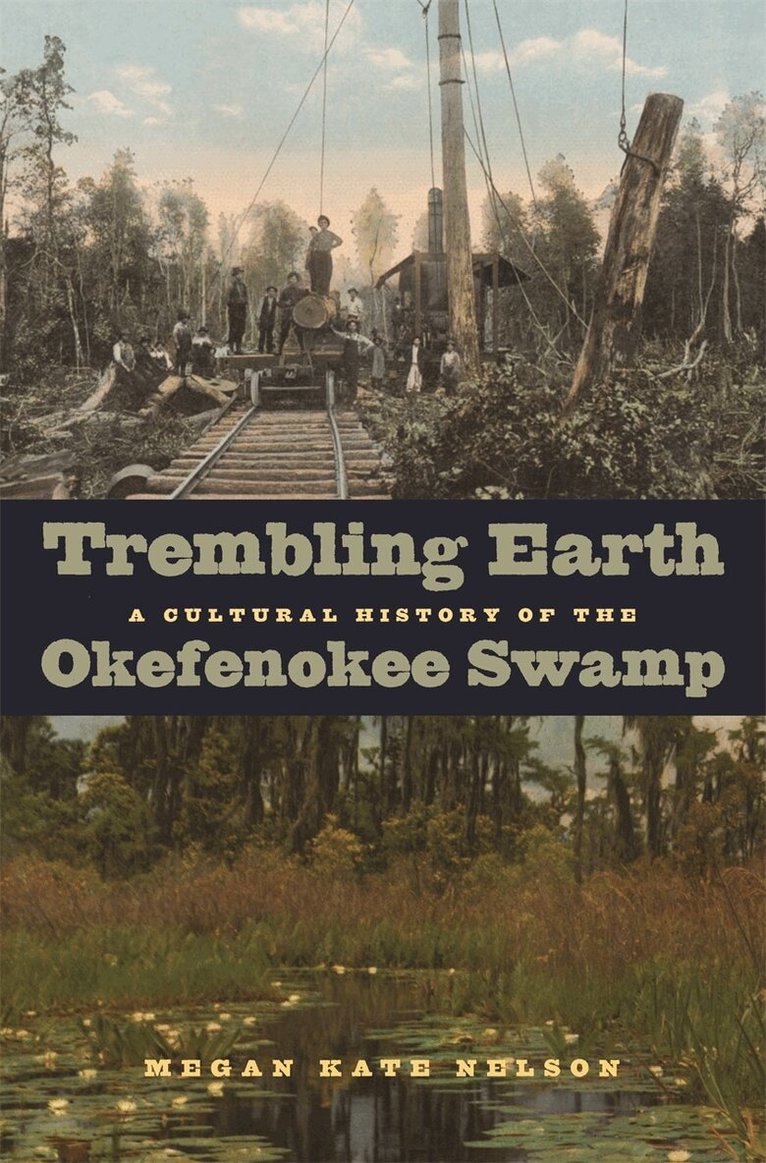
This innovative history of the Okefenokee Swamp reveals it as a place where harsh realities clashed with optimism, shaping the borderland culture of southern Georgia and northern Florida for over two hundred years.From the formation of the Georgia colony in 1732 to the end of the Great Depression, the Okefenokee Swamp was a site of conflict between divergent local communities. Coining the term “ecolocalism” to describe how local cultures form out of ecosystems and in relation to other communities, Megan Kate Nelson offers a new view of the Okefenokee, its inhabitants, and its rich and telling record of thwarted ambitions, unintended consequences, and unresolved questions.The Okefenokee is simultaneously terrestrial and aquatic, beautiful and terrifying, fertile and barren. This peculiar ecology created discord as human groups attempted to overlay firm lines of race, gender, and class on an area of inherent ambiguity and blurred margins. Rice planters, slaves, fugitive slaves, Seminoles, surveyors, timber barons, Swampers, and scientists came to the swamp with dreams of wealth, freedom, and status that conflicted in varied and complex ways. Ecolocalism emerged out of these conflicts between communities within the Okefenokee and other borderland swamps.Nelson narrates the fluctuations, disconnections, and confrontations embedded in the muck of the swamp and the mire of its disorderly history, and she reminds us that it is out of such places of intermingling and uncertainty that cultures are forged.
454 kr
Skickas inom 5-8 vardagar
During the Civil War, cities, houses, forests, and soldiers’ bodies were transformed into “dead heaps of ruins,” novel sights in the southern landscape. How did this happen, and why? And what did Americans—northern and southern, black and white, male and female—make of this proliferation of ruins? Ruin Nation is the first book to bring together environmental and cultural histories to consider the evocative power of ruination as an imagined state, an act of destruction, and a process of change.Megan Kate Nelson examines the narratives and images that Americans produced as they confronted the war’s destructiveness. Architectural ruins—cities and houses—dominated the stories that soldiers and civilians told about the “savage” behavior of men and the invasions of domestic privacy. The ruins of living things—trees and bodies—also provoked discussion and debate. People who witnessed forests and men being blown apart were plagued by anxieties about the impact of wartime technologies on nature and on individual identities.The obliteration of cities, houses, trees, and men was a shared experience. Nelson shows that this is one of the ironies of the war’s ruination—in a time of the most extreme national divisiveness people found common ground as they considered the war’s costs. And yet, very few of these ruins still exist, suggesting that the destructive practices that dominated the experiences of Americans during the Civil War have been erased from our national consciousness.
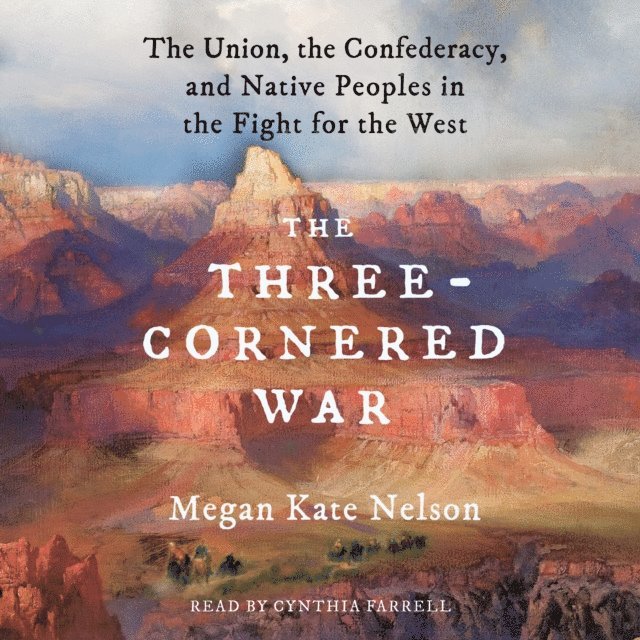
The Three-Cornered War: The Union, the Confederacy, and Native Peoples in the Fight for the West
Häftad, Engelska, 2021
257 kr
Skickas inom 3-6 vardagar
354 kr
Tillfälligt slut
242 kr
Skickas