Melanie Giles – författare
Visar alla böcker från författaren Melanie Giles. Handla med fri frakt och snabb leverans.
4 produkter
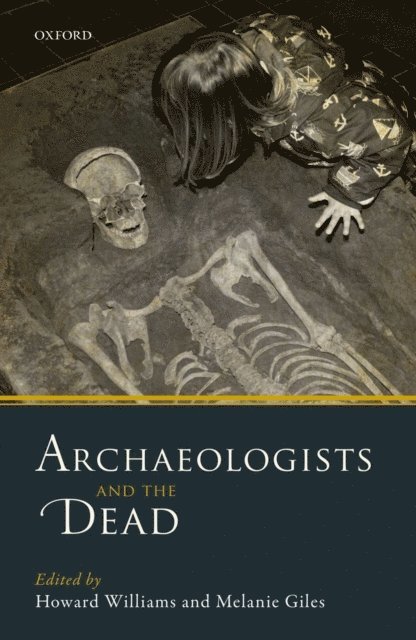
Archaeologists and the Dead
Mortuary Archaeology in Contemporary Society
Av Melanie Giles, Howard Williams
E-bok, 2016
1265 kr
Lägg i varukorg
This volume addresses the relationship between archaeologists and the dead, through the many dimensions of their relationships: in the field (through practical and legal issues); in the lab (through their analysis and interpretation); and in their written, visual and exhibitionary practice - …
Archaeologists and the Dead
Mortuary Archaeology in Contemporary Society
Av GILES WILLIAMS, Howard Williams m. fl.
Inbunden, 2016
1998 kr
Lägg i varukorg
This volume addresses the relationship between archaeologists and the dead, through the many dimensions of their relationships: in the field (through practical and legal issues); in the lab (through their analysis and interpretation); and in their written, visual and exhibitionary practice - …
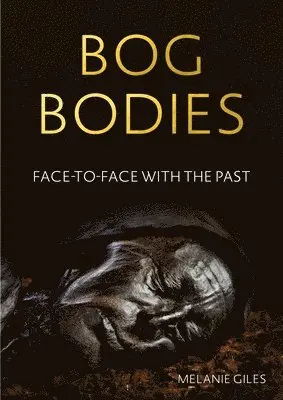
Bog Bodies
Face to Face with the Past
Häftad, 2020
448 kr
Lägg i varukorg
The ‘bog bodies’ of north-western Europe have captured the imaginations of poets and archaeologists alike, allowing us to come face-to-face with individuals from the past. Their exceptional preservation permits us to examine minute details of their lives and deaths, making us reflect poignantly on …
Unearthing Britannia's Tribes
A BBC history of Iron Age Britain
Av Melvyn Bragg, Guy de la Bedoyere m. fl.
Ljudbok, 2023
172 kr
Lägg i varukorg
From warrior queens to King Arthur, this epic collection explores the tribes, rulers and civilisations of Britain's Iron AgeIn the first millennium BC, the Iron Age arrived in Britain, bringing with it huge technological and social changes. New civilisations arose, the landscape was transformed, …